
Phytosterols Benefits Beyond Cholesterol: What Science Says
When we talk about phytosterols, cholesterol reduction typically dominates the conversation. Yet research increasingly reveals that these plant-derived compounds deliver benefits extending far beyond cardiovascular support. Phytosterols—naturally occurring in vegetable oils, nuts, seeds, and legumes—demonstrate anti-inflammatory properties, immune modulation capabilities, and skin health enhancement potential. Understanding these multifaceted applications helps procurement teams and formulation scientists identify strategic opportunities in functional food development, dietary supplement innovation, and specialized nutrition markets where differentiation matters most.
Understanding Phytosterols and Their Role in Human Health
What Are Phytosterols and How Do They Differ from Related Compounds?
Phytosterols are isoprenoid molecules that have the same structure as cholesterol but only come from plants. Sitosterol (about 65% of food intake), campesterol (30%), and stigmasterol (3%) are the three main types that people eat. They help plant cell walls stay together. Plant stanols, like sitostanol and campestanol, are fatty products that make up about 5% of the phytosterols that people normally eat. As one of the best natural sources, soybeans have between 0.2% and 0.3% phytosterols, with the highest levels found in the germ. Because they are naturally found in large amounts, sterols from soybeans are very useful for large-scale industrial extraction and purification processes.
Mechanisms of Action in the Digestive System
In the small intestine, phytosterols compete directly with dietary and biliary cholesterol to be a part of mixed micelles. This competition makes it about 30–50% less effective for the body to absorb cholesterol, based on the dose and the food matrix. During digestion, pancreatic enzymes break down esterified forms, which lets free sterols join the absorption route. Unlike cholesterol, phytosterols are not very bioavailable—less than 2% of them get into the bloodstream. This is because intestinal ATP-binding cassette transporters actively move these compounds back into the intestinal lumen. Their safety profile is based on this selective rejection process, which also maintains their functional effectiveness.
Metabolic Pathways and Systemic Distribution
After being consumed, phytosterols join with lipoproteins in a way similar to cholesterol, but they are quickly flushed out of the body by the liver through bile. When people eat normally, they don't build up much tissue. However, people with rare genetic mutations that affect sterol transport (sitosterolemia) need to be closely watched by their doctors. Researchers looked at 510 different types of soybeans from around the world and found that their phytosterol content and structure varied a lot. This shows how geographical and farming choices affect the quality of raw materials. This variety can be both a problem and an opportunity for companies that need regular, high-purity products for formulation work.
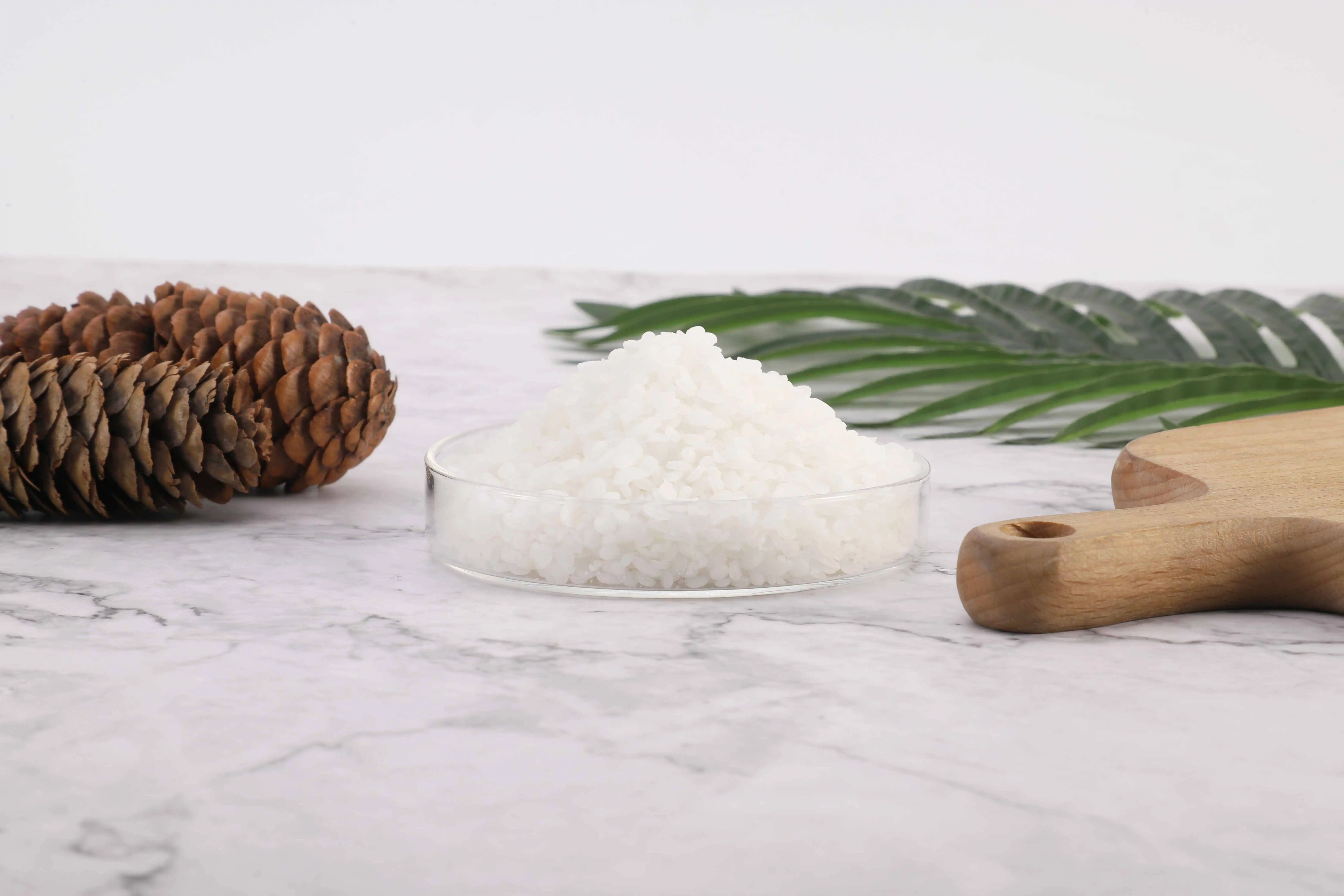
Key Health Benefits of Phytosterols Beyond Lowering Cholesterol
Anti-Inflammatory Effects and Cardiovascular Protection
New data shows that β-sitosterol and related chemicals change signalling pathways that cause inflammation in a way that is separate from their ability to lower cholesterol. Studies show that phytosterols stop the production of cytokines that cause inflammation and stop different types of cells from activating nuclear factor kappa B. This ability to reduce inflammation adds to the defence of the heart beyond just managing lipids, possibly lowering the risk of artery inflammation and plaque formation. Avocado-soybean unsaponifiables (ASU), which are high in phytosterols, have shown a lot of promise in stopping matrix metalloproteinases, which are enzymes that break down connective tissue and make inflammation worse.
Lipid Metabolism Regulation and Weight Management Support
In addition to stopping the uptake of cholesterol, phytosterols also affect other parts of lipid processing. According to research, these chemicals may speed up the burning of fat and make insulin-sensitive signs better, but more testing is needed before they can be used in humans. Adding phytosterols to animal models has been shown to lower the buildup of adipose tissue and improve metabolic profiles during high-fat food trials. These early results are interesting for functional food companies that make foods for people who are trying to lose weight because natural ingredients that help the metabolism are highly valued by customers.
Immune Modulation and Skin Barrier Enhancement
The immune system is affected by phytosterols, which change how T cells multiply and release cytokines. This ability to control the immune system has gotten a lot of attention in specialised nutrition, especially for groups that are having trouble with their immune systems. When used on the skin, phytosterols make the skin barrier work better by stopping water from leaking through the epidermis and protecting the structure of the lipid bilayer. This structural lipid role is one reason why cosmetics are becoming more popular. Topical formulas with added phytosterols have been shown to help with atopic eczema and photoaging. Because it works in two ways—improving metabolism on the inside and supporting barriers on the outside—it opens up new product development possibilities in both the personal care and nutrition industries.
Comparing Phytosterols with Other Nutritional and Pharmaceutical Options
Phytosterols Versus Plant Stanols: Structural and Functional Distinctions
Even though they are chemically similar, stanols (saturated phytosterols) lower cholesterol a little better in some tests; this is because they stay in the gut longer and break up micelles more effectively. Natural food sources, on the other hand, mostly contain unsaturated sterols. This makes phytosterols easier to extract and more in line with consumer preferences for clean labels. Manufacturers have to weigh these factors against the need for formulation stability, since stanols are better at resisting oxidation in some food matrices. Both groups of compounds are very safe and can be used together or separately in many situations, though the way they are regulated and the health claims that are allowed may be different in different places.
How Phytosterols Complement Statin Therapy
Statins stop cholesterol production by blocking HMG-CoA reductase, and phytosterols stop the intake of cholesterol from food. These two actions work in ways that are mechanically similar but have added effects. There is clinical proof that taking 2 to 3 grams of phytosterols every day lowers LDL cholesterol by an extra 9 to 17% in people who are already taking statins, without making the risk of side effects higher. This synergy attracts formulators who make supplements for people who want to better control their lipids and pharmaceutical companies that make mixed medical nutrition products. Importantly, phytosterols do not affect the pharmacokinetics of statins. However, using both of them together should be supervised by a doctor to keep an eye on the cumulative effects and make sure the right doses are being taken.
Natural Versus Synthetic Alternatives in Market Positioning
Natural phytosterols that come from vegetable oil deodoriser distillates or tall oil sources are the most popular in the commercial market because they are cheaper and are accepted by regulators. Technically, synthetic production is still possible, but it is not cost-effective because natural sources are so plentiful. People strongly believe that naturally derived ingredients are better for them, which helps the marketing of goods that promote botanical roots. When B2B buyers are looking at different suppliers, they should put an emphasis on those that have tracking paperwork, the ability to do authentication testing, and non-GMO certifications when natural sourcing claims are part of the brand's positioning. Analytical verification using gas chromatography and mass spectrometry makes sure that the makeup is consistent and finds any possible adulterants that could harm the purity of the product or make it not follow the rules.
Practical Guide for B2B Buyers: Sourcing and Using Phytosterol Products
Available Product Formats and Technical Specifications
It is important for producers to know about the different transport methods they can use when making formulations that are ready for the market. The business world has a lot of different forms that can be used for different kinds of tasks.
Phytosterols Powder is the most flexible form for making food supplements. It usually has 90–95% total sterols and a controlled particle size distribution that makes it best for compressing tablets and filling capsules. Micronised versions make them easier to flow and less likely to separate during high-speed encapsulation. Esterified phytosterols make it easier for lipids to dissolve, which means that margarine, spreads, and oil-based functional foods can be mixed evenly and won't crystallise when stored in the fridge. Free phytosterols suit aqueous applications when combined with appropriate emulsification technologies.
ASU Phytosterols Powder is made from unsaponifiables from avocados and soybeans. It contains concentrated phytosterols and other bioactive lipids. Specialised formats like these are used in joint mobility formulas and periodontal health products because the unique lipid profile gives extra benefits over regular phytosterol products. Bulk extracts with a purity range of 40 to 95% are cheap starting materials that can be used right away in animal feeding or processed further.
These different formats let producers perfectly match the specs of the ingredients to the ways they are made, the rules that govern them, and the performance standards for the finished product, all while keeping costs as low as possible.
Critical Supplier Evaluation Criteria for Quality Assurance
Teams in charge of buying things should set up strict screening procedures that look at many types of risk. To make sure something is pure, it needs to be analysed by a third party and given a license that says it is safe for microbes, has no chemical residues, and doesn't contain too many heavy metals. Traceability paperwork should show where the raw materials came from and how they were extracted and cleaned. This will back up claims of authenticity and allow for quick responses during quality investigations. Certifications like ISO 9001 (quality management), ISO 22000 (food safety), GMP (pharmaceutical manufacturing), and religious dietary certifications (Kosher, Halal) show that quality is being controlled in a planned way and make it easier to get into new markets.
It is important to pay close attention to batch-to-batch consistency because natural source variability can change sterol profiles and functions. Ask for statistical process control data that shows that the makeup stays the same across production lots. Accelerated stability testing shows how long a product can last and what kind of packaging is needed. This keeps expensive product failures from happening after it's been sold. Clear price plans that take market changes, volume promises, and payment terms into account make it possible to accurately predict costs and protect margins during development timelines.
Strategies for Verifying Supplier Reliability and Building Partnerships
Beyond documentation review, on-site audits provide invaluable insights into manufacturing capabilities, quality culture, and scalability potential. Evaluate analytical laboratory accreditations, equipment maintenance protocols, and staff training programs. Reference checks with existing customers reveal responsiveness during supply disruptions, technical support quality, and willingness to customize specifications. Starting with pilot-scale orders allows performance validation before committing to long-term supply agreements that lock in prices but need guarantees of volume.
Safety, Dosage, and Regulatory Considerations for Phytosterols
Evidence-Based Dosage Recommendations for Various Applications
A clinical study shows that 2–3 grams a day is the best amount to lower cholesterol by a meaningful amount. This amount is usually spread out over several meals to get the most contact in the intestines while fat is being digested. Functional foods, like enriched spreads, give you 1.5 to 2.4 grams of protein per piece, so you can reach therapeutic levels by eating them regularly. Dietary supplement capsules usually contain 800 to 1,200 milligrams per dose, so you need to take them more than once a day to meet clinical goals. Different dosing methods may be used for specialised uses looking for anti-inflammatory or immune benefits, but standard suggestions won't be made until more study is proven.
Scientists who work on formulas have to take into account the effects of the food mix on absorption and effectiveness. A matrix with fats helps phytosterols spread out and dissolve in the gut, which improves their functional performance compared to supplementing them alone without the lipids. This matrix dependence is what makes phytosterol-rich spreads have stable clinical effects, while powder supplements taken by themselves may have different effects based on how people eat.
Safety Profile and Contraindication Management
Decades of research and post-market surveillance have shown that phytosterols are well tolerated at the recommended doses. Mild stomach problems like bloating and constipation can happen at high doses, but they usually go away after a while or when the dose is lowered. Importantly, phytosterols stop the absorption of fat-soluble vitamins (A, D, E, and K) and carotenoids. This means that people who take phytosterols long-term need to make sure they get enough of these nutrients from their food or supplements. Testing for quality control should make sure that there are no impurities that could pose safety risks in addition to the active ingredients themselves.
People with sitosterolemia, a rare genetic trait that causes the body to absorb too many phytosterols, should not take supplements because they raise their risk of atherosclerosis. Routine DNA testing is still not possible, but if someone in your family had early heart problems even though their cholesterol levels were normal, you should see a doctor before starting phytosterol supplements. Women who are pregnant or breastfeeding should talk to their doctors because there isn't a lot of safety data on these groups, even though there are theoretical concerns.
Regulatory Frameworks Governing Commercial Use
In the United States, you can make qualified health claims that eating plant sterol/stanol esters (0.65 grams or more per dose) lowers your chance of coronary heart disease as long as you eat a diet low in cholesterol and saturated fat. Labelling and proof standards are spelt out in detail in FDA guidelines, which makes it easy to sell products in a way that is legal. In the same way, European Union rules allow health claims for plant sterols and stanols (at least 0.8 grams per day) under certain circumstances. However, the way these claims are approved and the words that are allowed are different from US rules.
Harmonised system codes, certificates of origin, and proof of regulatory compliance in destination markets are needed for import/export compliance. Different places have very different rules about how to register nutritional supplements. Some need pre-market approval, while others use warning systems. Hiring legal experts who know what the target market needs can help you avoid expensive delays and the need to re-formulate products during the market entry phase.
Conclusion
As scientists learn more about phytosterols, they find new uses for them that go far beyond their known role in managing cholesterol. In fitness markets that are getting more and more competitive, anti-inflammatory properties, metabolic benefits, immune modulation, and skin health uses give products a lot of ways to stand out. When looking at phytosterol ingredients, business-to-business buyers should focus on supplier partnerships that offer strict quality control, full certifications, and technical support for formulating the best products. Early adoption of high-purity, traceable phytosterol sources puts manufacturers in a good position to take advantage of growing consumer demand for natural health ingredients that can do more than one thing, backed by solid science.
FAQ
1. Can phytosterols be used safely over extended periods?
Long-term studies that last for years show that phytosterols are safe and effective as long as they are taken in the suggested dose amounts. Monitoring the state of fat-soluble vitamins by checking your food or taking supplements on a regular basis can help avoid deficiency risks that come with poor absorption. Regular medical care makes sure that integration with general health management methods works best.
2. How quickly do phytosterols produce measurable cholesterol reduction?
In clinical tests, people who consistently take phytosterols at therapeutic amounts usually see a big drop in LDL cholesterol within two to four weeks. The benefits are usually at their strongest within 3 months, and then levels drop off. Responses are different for each person because of their starting cholesterol levels, how they eat, and genetic factors that affect how they use fats.
3. Do phytosterols interact with statin medications or other pharmaceuticals?
Statin treatment is improved by phytosterols, which work in different ways to lower cholesterol without raising the risk of side effects. However, medical supervision is still recommended to keep an eye on the cumulative effects and make sure that the right amount of medication is being taken. Most types of medications don't interact badly with phytosterols, but it's best to check all of your medications to make sure there aren't any unexpected interactions.
Partner with CONAT for Premium Phytosterol Solutions
Jiangsu CONAT Biological Products Co., Ltd. specializes in manufacturing high-purity phytosterols ingredients backed by decades of production expertise and comprehensive quality systems. Our ISO-certified facilities deliver consistent batch quality essential for nutraceutical, functional food, and pharmaceutical applications requiring GMP compliance and complete traceability. Whether you need bulk phytosterol powder for supplement encapsulation, esterified forms for dairy fortification, or specialized ASU formulations, our technical team provides formulation support optimizing bioavailability and stability in your specific product matrix. We serve as a trusted phytosterol supplier to leading brands seeking reliable partners for long-term ingredient sourcing. Contact our team at sales@conat.cn to discuss your project requirements, request samples, and receive competitive quotations from a manufacturer committed to advancing natural health ingredient applications through quality, innovation, and responsive technical collaboration.
References
1. Ostlund RE. Phytosterols in human nutrition. Annual Review of Nutrition. 2002;22:533-549.
2. Jones PJH, AbuMweis SS. Phytosterols as functional food ingredients: linkages to cardiovascular disease and cancer. Current Opinion in Clinical Nutrition and Metabolic Care. 2009;12(2):147-151.
3. Dufourc EJ. Sterols and membrane dynamics. Journal of Chemical Biology. 2008;1(1-4):63-77.
4. Gylling H, Plat J, Turley S, et al. Plant sterols and plant stanols in the management of dyslipidaemia and prevention of cardiovascular disease. Atherosclerosis. 2014;232(2):346-360.
5. Berges RR, Windeler J, Trampisch HJ, Senge T. Randomised, placebo-controlled, double-blind clinical trial of beta-sitosterol in patients with benign prostatic hyperplasia. The Lancet. 1995;345(8964):1529-1532.
6. Ikeda I, Sugano M. Some aspects of mechanism of inhibition of cholesterol absorption by beta-sitosterol. Biochimica et Biophysica Acta. 1983;732(3):651-658.
YOU MAY LIKE