
Phytosterols: Physiological Functions and Potential Application
Phytosterols are a new kind of chemical that comes from plants. They have completely changed the businesses that make useful foods and supplements. Pure Phytosterol Particles have been shown to lower cholesterol levels by a large amount. They are also very bioavailable and stable in formulations. Botanical sterols like stigmasterol, campesterol, and beta-sitosterol make it possible for companies to make health goods that are backed by proof. Thanks to advances in particle engineering, pure phytosterol formulations have better absorption rates and more reliable therapeutic effects. Because of this, supplement brands, functional food makers, and drug businesses that want to stay ahead in today's health-conscious market need to use these ingredients.
Understanding Pure Phytosterol Particles and Their Physiological Functions
Chemical Structure and Mechanism of Action
Plant sterols and cholesterol are very similar in how they are put together. The only thing that makes them different is how their side chains are arranged. Phytosterols can directly fight cholesterol in food when they are taken in through the gut because they are so similar. When these are eaten, they mix in the small intestine to form micelles. The cholesterol transporter route known as NPC1L1 is stopped, so cholesterol can't get in.
Taking the right amount of phytosterol tablets has been shown in studies to lower LDL cholesterol by 8 to 15%. When you move cholesterol molecules out of the way, the body gets rid of them. This means that less cholesterol is in the blood and more is in the feces.
Antioxidant and Anti-inflammatory Properties
To begin with, Pure Phytosterol Particles are good for your heart. They also fight free radicals very well in several ways. Lipid peroxidation can't be hurt by reactive oxygen species since these chemicals are present. This protects the walls of cells. Scientists have found that phytosterols change chemicals that cause inflammation, such as C-reactive protein and interleukin-6. In general, this is good for the heart.
One of the ways phytosterols reduce inflammation is by stopping the production of cytokines and the beginning of the inflammatory chain. Pure phytosterol particles are useful for making health products that help with a lot of different health issues at once because they work in two different ways.
Safety Profile and Dosage Considerations
It has been shown in many studies that phytosterols are safe to eat in the amounts that are recommended. Based on what they know, both the European Food Safety Authority and the FDA think phytosterols are safe to use in food. It heals best when taken in daily amounts of 1.5 to 3.0 grams, spread out over several meals to help the body absorb it better.
Manufacturers should consider how phytosterols might mix with vitamins that dissolve in fat, since too much phytosterol could make it harder for the body to take in vitamins A, D, E, and K. If you use the right methods for preparation, these worries can be lessened without changing how well the medicine heals.
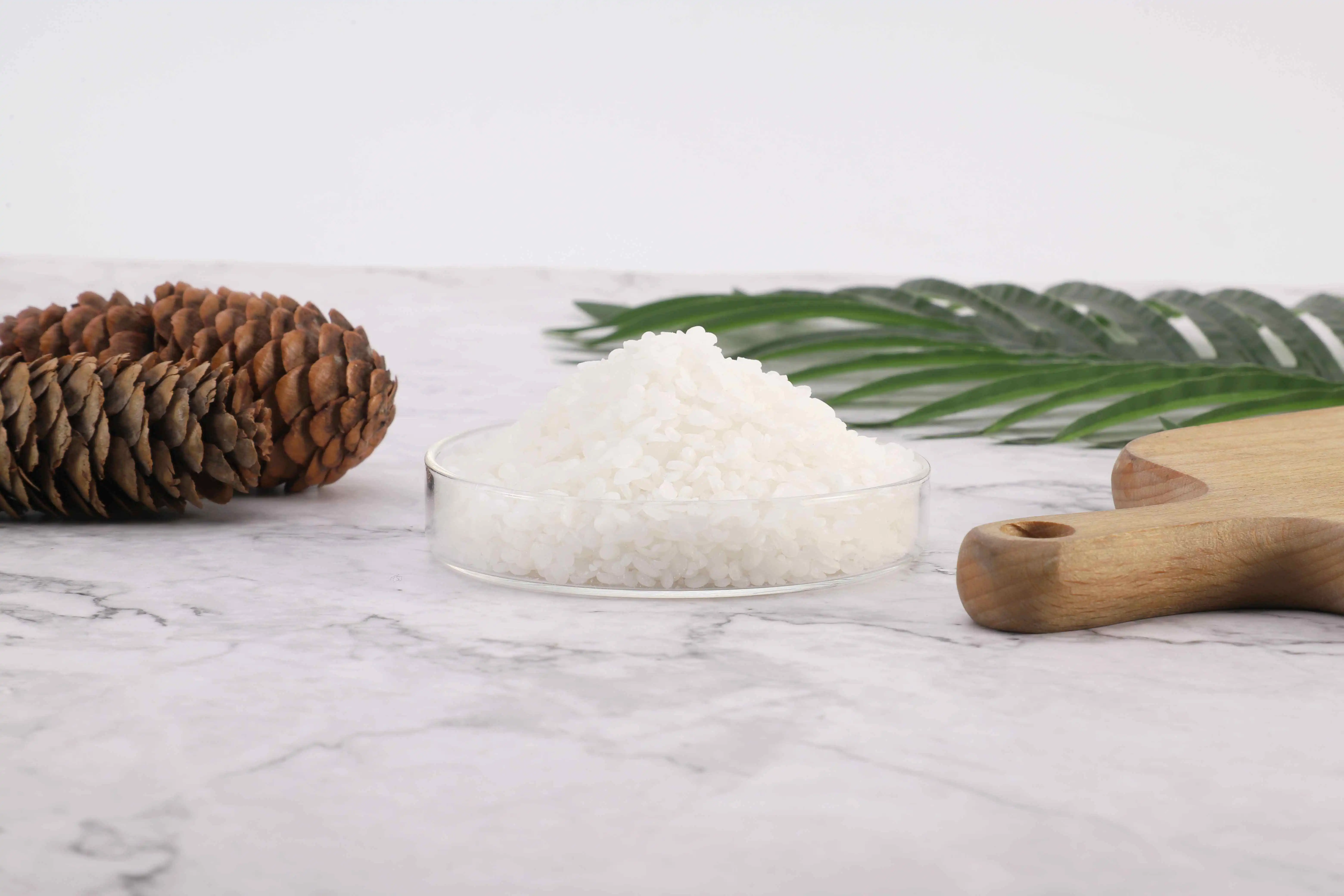
Comparative Insights: Pure Phytosterol Particles vs Other Sterols
Molecular and Functional Differences
If you want to buy plant sterols, Pure Phytosterol Particles are the best because the particles are more evenly spread out in size and break down better. The fact that standard plant sterols don't mix well with water makes it harder to make them and take them in. Today, particle engineering makes particles that are round and very small. This makes it easier for stomach acid to break them down.
More surface area can be used with the particle optimization method. This breaks things down faster and speeds up the uptake. Items that lower cholesterol now work better than they did with the old solid sterol types. In other words, you need less of the active ingredient to get the healing effects.
Quality Parameters for Procurement Assessment
Procurement managers should evaluate several critical parameters when sourcing phytosterol ingredients. Here are the essential quality metrics that distinguish premium suppliers from standard alternatives:
- Purity levels exceeding 95% ensure steady treatment results and cut down on processing problems that can happen when making a mixture.
- Particle size distribution between 1-10 microns is best for absorption and can be made to work with a variety of transportation methods.
- Moisture content below 0.5% prevents degradation and ensures extended shelf stability under ambient storage conditions.
- Heavy metal contamination limits meeting pharmaceutical-grade specifications protects consumer safety and regulatory compliance.
- Microbiological testing protocols, including total plate count, yeast, mold, and pathogen screening, verify ingredient safety.
These stringent quality standards enable manufacturers to develop reliable, effective products while minimizing formulation risks and regulatory challenges. Premium suppliers provide comprehensive certificates of analysis documenting each parameter, supporting quality assurance protocols throughout the supply chain.
Organic vs Synthetic Source Considerations
Certified organic phytosterols cost more, but they are very useful for making clean-label goods. People who care about their health and want natural ways to stay healthy often choose organic sources like non-GMO peanuts or vegetable oils. Synthetic choices are less expensive than natural ones, but they still work just as well, so people who want to save money can use them.
Using natural or man-made sources depends on the brand's message, where it wants to stand in the market, and any rules that need to be followed. Both choices cut cholesterol about the same amount when they are cooked and made the right way.
Applications and Formulation of Pure Phytosterol Particles in B2B Markets
Functional Food and Beverage Integration
Pure Phytosterol Particles have the most room to grow in the functional food industry, which includes dairy products, baked items, and beverage systems. The first companies to use phytosterols in their own goods were those that made spreads and mayonnaise. They did really well in the market when they said that their items were good for your heart.
These days, they are used to make plant-based milk replacements, protein bars, and functional drinks. You need to know how the parts of the matrix fit together and how to process them so that the sterols stay steady for the whole thing to work well. This is very important for things that don't like it when it's too hot. When water is acidic, the pH changes how the particles are spread out.
Nutraceutical and Supplement Formulations
Dietary supplement companies are adding phytosterols to heart health formulas more and more, and they often mix them with omega-3 fatty acids, CoQ10, and other heart-healthy ingredients. You must use the right excipients to make sure that pills break down properly. Because pills are made of sterols, they need binding agents that work with them.
Spray-drying or microencapsulation technologies can help powder formulations for functional food uses because they keep sterols from oxidizing and make them easier to mix. These processing methods make it possible to make stable, water-dispersible goods that can be used in drinks and instant food mixes.
Pharmaceutical and Medical Nutrition Applications
Pharmaceutical firms use highly pure phytosterol derivatives in prescription drugs that treat high cholesterol. Medical diet for heart rehab programs often has recipes with a lot of phytosterols that are made to work best as medicine. To make these things, you need to follow the rules for making drugs and back up your claims with a lot of evidence.
More and more people are accepting natural treatments that have been shown to work. This means that phytosterols could be used in regular medical procedures. When ingredient providers and pharmaceutical developers work together, they can speed up the development of new products while still following all the rules.
Procurement Guide: Sourcing High-Quality Pure Phytosterol Particles
Supplier Evaluation Criteria
For procurement strategies to work, they need to start with thorough supplier assessment processes that look at things like technical skills, quality systems, and the dependability of the supply chain. The biggest companies that make phytosterols have quality control systems that are certified to ISO 9001. They also have other certifications, like ISO 22000 for food safety and GMP compliance for pharmaceutical uses.
Geographic diversity lowers the risks in the supply chain and ensures that prices are competitive on a global scale. Cost savings come from vertical integration and economies of scale among Asian providers, especially those in China. European and North American providers put a lot of emphasis on positioning high-quality products and offering specialized technical support services.
Certification and Compliance Requirements
Regulatory compliance varies a lot between foreign markets, so suppliers need to keep up with a lot of different certifications that meet the needs of each area. Some important certificates are:
- Kosher and Halal approvals make it easier for religiously observant consumers to get products on the market and show that a company is committed to making products that are accessible to everyone.
- Organic certification from the USDA, the EU, or other similar groups helps with marketing strategies that focus on premium branding and clean labels.
- Concerns about genetically modified ingredients in natural health goods are eased by Non-GMO Project verification.
- The FDA's GRAS notification ensures that the food will be safe for use in the US markets.
- EFSA's new food approval makes sure that specialized phytosterol formulations can be sold in Europe.
These certifications show that a company has put a lot of money into building a quality infrastructure. They set serious makers apart from cheap suppliers who only care about prices.
Pricing and Logistics Considerations
The price of phytosterol changes depending on the cost of raw materials, the amount that can be processed, and how the market wants to buy it. When you buy in bulk, unit costs are usually 15–25% lower than when you buy in smaller amounts. This makes stocking planning very important for maximizing costs. Different suppliers have different minimum order quantities. For example, well-known manufacturers usually need at least 500 kg of goods to keep their prices reasonable.
When shipping, things to think about include keeping certain formulations at the right temperature and using the right packing to prevent moisture from absorbing. For international exports, you need a lot of paperwork, like safety data sheets, certificates of analysis, and statements that you follow the rules.
Future Trends and Market Outlook for Pure Phytosterol Particles
Technological Innovations and Delivery Systems
Emerging technologies focus on improving phytosterol bioavailability through novel delivery mechanisms, including liposomal encapsulation, nanoemulsion systems, and time-release formulations. These advances address traditional limitations of sterol absorption while enabling new application possibilities in functional foods and beverages.
Microencapsulation technologies protect Pure Phytosterol Particles from oxidative degradation while masking taste and odor characteristics that may limit consumer acceptance. Water-soluble phytosterol complexes represent breakthrough innovations enabling clear beverage applications previously impossible with conventional sterol preparations.
Expanding Health Claims and Research Developments
Ongoing clinical research investigates phytosterol benefits beyond cardiovascular health, including anti-cancer properties, immune system support, and metabolic syndrome management. Early studies suggest potential applications in diabetes management through improved insulin sensitivity and glucose metabolism regulation.
Regulatory agencies increasingly recognize evidence supporting expanded health claims, creating opportunities for differentiated product positioning. The growing body of scientific literature strengthens marketing messages while supporting premium pricing strategies for innovative formulations.
Market Growth Drivers and Strategic Opportunities
Global aging populations drive increased demand for evidence-based cardiovascular health products, positioning phytosterols for continued market expansion. The shift toward preventive healthcare approaches favors functional ingredients with established safety profiles and clinical validation. Rising healthcare costs motivate consumers to seek nutritional interventions addressing chronic disease risks.
Strategic partnerships between ingredient suppliers and finished product manufacturers accelerate innovation while sharing development costs and market risks. These collaborations enable rapid response to emerging consumer trends and regulatory changes affecting product development timelines.
Conclusion
Pure Phytosterol Particles represent a transformative opportunity for manufacturers seeking to develop evidence-based health products addressing cardiovascular wellness and beyond. The combination of proven therapeutic efficacy, excellent safety profiles, and expanding application possibilities positions these ingredients as essential components in modern functional food and supplement formulations. Strategic sourcing partnerships with qualified suppliers ensure access to high-quality materials supporting innovation while maintaining competitive positioning. As consumer awareness of natural health solutions continues growing, phytosterol integration offers manufacturers sustainable competitive advantages through scientifically validated health benefits and regulatory acceptance across global markets.
FAQ
Q1: What distinguishes Pure Phytosterol Particles from regular phytosterols?
Pure Phytosterol Particles undergo specialized processing to achieve optimal particle size distribution and enhanced dissolution characteristics. Regular phytosterols may exist in crystalline forms with limited bioavailability, while pure particle formulations offer improved absorption rates and formulation flexibility. The purification process removes impurities and standardizes active compound concentrations, ensuring consistent therapeutic outcomes across production batches.
Q2: How can buyers verify quality and authenticity from suppliers?
Quality verification requires comprehensive testing protocols, including chromatographic analysis to confirm phytosterol composition and purity levels. Reputable suppliers provide certificates of analysis documenting microbial testing, heavy metal screening, and physical characteristics. Third-party laboratory verification offers additional assurance, while supplier facility audits confirm manufacturing capabilities and quality system implementation.
Q3: What are the regulatory compliance requirements for different regions?
Regulatory requirements vary significantly across international markets, with the US treating phytosterols as GRAS substances for food applications. European markets require compliance with Novel Food Regulations for certain applications, while Health Canada maintains specific guidelines for natural health products. Asian markets demonstrate varying requirements, with some countries adopting international standards while others maintain unique registration processes.
Q4: What is the recommended dosage for optimal effectiveness?
Clinical studies demonstrate optimal cholesterol-lowering effects at daily dosages between 1.5-3.0 grams, divided across multiple servings to maximize absorption. Single large doses prove less effective than divided dosing throughout the day. Manufacturers should consider matrix effects and processing conditions that may influence bioavailability when establishing recommended serving sizes.
Q5: Are there any contraindications or side effects to consider?
Phytosterols demonstrate excellent safety profiles with minimal adverse effects reported in clinical studies. Potential concerns include reduced absorption of fat-soluble vitamins when consumed in excessive quantities. Individuals with sitosterolemia, a rare genetic condition, should avoid phytosterol supplementation. Pregnant and nursing women should consult healthcare providers before beginning supplementation regimens.
Partner with CONAT for Premium Pure Phytosterol Particles
CONAT stands as your trusted Pure Phytosterol Particles supplier, delivering pharmaceutical-grade ingredients that meet the most stringent quality standards. Our state-of-the-art manufacturing facility maintains comprehensive certifications, including ISO 9001, GMP, and organic compliance, ensuring consistent quality across every production batch. With decades of specialized experience in phytosterol and natural vitamin E production, we provide technical expertise supporting your formulation development and regulatory compliance requirements. Contact our expert team at sales@conat.cn to request product samples, discuss bulk pricing options, and explore how our premium phytosterol solutions can enhance your product portfolio while meeting your specific market needs.
References
1. Ostlund, Richard E. "Phytosterols in human nutrition." Annual Review of Nutrition 22.1 (2002): 533-549.
2. Marangoni, Franca, and Andrea Poli. "Phytosterols and cardiovascular health." Pharmacological Research 61.3 (2010): 193-199.
3. Plat, Jogchum, and Ronald P. Mensink. "Plant stanol and sterol esters in the control of blood cholesterol levels: mechanism and safety aspects." American Journal of Cardiology 96.1 (2005): 15-22.
4. Moreau, Robert A., Brad D. Whitaker, and Kevin B. Hicks. "Phytosterols, phytostanols, and their conjugates in foods: structural diversity, quantitative analysis, and health-promoting uses." Progress in Lipid Research 41.6 (2002): 457-500.
5. Demonty, Isabelle, et al. "Continuous dose-response relationship of the LDL-cholesterol-lowering effect of phytosterol intake." Journal of Nutrition 139.2 (2009): 271-284.
6. Trautwein, Elke A., et al. "Proposed mechanisms of cholesterol-lowering action of plant sterols." European Journal of Lipid Science and Technology 105.4 (2003): 171-185.
YOU MAY LIKE