
Phytosterols Powder: Benefits, Uses, and How to Take It
Phytosterol powder is a very concentrated active ingredient that comes from plants and is very important for keeping your heart healthy and your cholesterol levels in check. This natural substance comes mostly from soybeans, vegetable oils, and tall oil. It is now used in many health goods around the world. As buyers, formulators, and procurement workers look for effective ways to lower cholesterol, it's important to know what this powerful phytonutrient is made of, how it can be used, and where to get it so that you can make smart purchasing choices.
What is Phytosterol Powder and How Does It Work?
Understanding the Chemical Composition and Plant Origins
Phytosterols, which are also called "plant sterols," are naturally occurring chemicals that have the same structure as cholesterol but only come from plants. Beta-sitosterol, campesterol, and stigmasterol are the main ingredients in the powder form. Advanced purification methods are used to get these bioactive chemicals out of food oils, wood pulp, and beans. High-purity phytosterol powders usually have amounts between 90% and 95%. This makes sure that formulas made for dietary supplements, functional foods, and pharmaceutical uses work as well as possible.
The Biological Mechanism of Cholesterol Inhibition
The reason phytosterols work is because their molecules are very similar to food cholesterol. When these plant chemicals are eaten, they fight with cholesterol in the gut for absorption. By taking up the same absorption spots in intestine cells, they stop cholesterol molecules from getting into the bloodstream. This competition inhibition lowers the absorption of total cholesterol by about 30 to 40 percent, which causes low-density lipoprotein (LDL) cholesterol levels to drop in a way that can be measured. Multiple clinical studies have shown that a daily dose of 1.5 to 2.5 grams can lower LDL cholesterol by 7–10% in just three weeks. This protects the heart in a big way without using drugs.
Common Types and Natural Sources
Depending on the source, different phytosterol levels have different health benefits. Beta-sitosterol makes up about 50–60% of most commercial powders and is the one that lowers cholesterol the most effectively. The rest is made up of campesterol and stigmasterol, which give it extra anti-inflammatory and antioxidant qualities. Pine tree oil, soybean oil deodorizer distillate, and by-products of rapeseed oil are all natural sources. When procurement teams know about these source differences, they can compare seller offers based on purity standards, extraction methods, and batch consistency. These are all very important for keeping product quality high throughout production cycles.
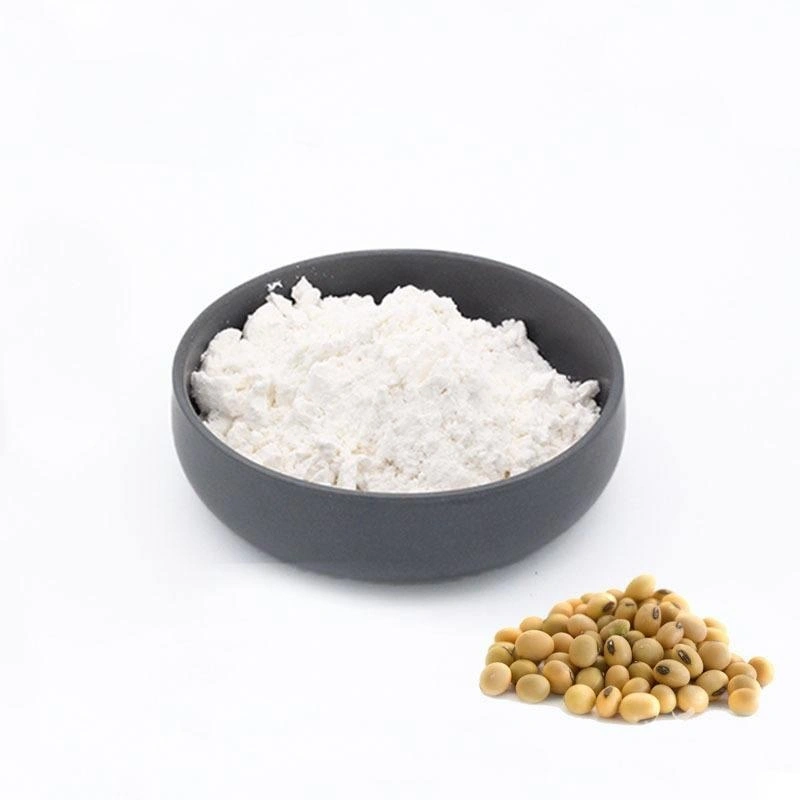
Benefits and Uses of Phytosterols Powder in Health and Industry
Cholesterol Management and Cardiovascular Protection
Phytosterols are essential in health products because they lower LDL cholesterol levels without changing HDL cholesterol or fat levels. Because they work selectively, they are perfect for making heart health products with clean labels. Regulatory bodies, such as the FDA and EFSA, agree that plant sterols can lower cholesterol levels when taken in the right amounts. Formulation managers use this clinical proof to set their goods apart in competitive markets where people are looking for natural alternatives to statin drugs more and more.
Anti-Inflammatory Effects and Emerging Therapeutic Potential
New study shows that phytosterols have medicinal uses other than lowering cholesterol. These chemicals can reduce inflammation by changing the way immune cells work and lowering inflammatory signs like C-reactive protein. Studies show that it might be useful for treating benign prostate hyperplasia, helping the immune system work better, and protecting against oxidative stress as an antioxidant. Even though these benefits need to be proven in more clinical trials, they open up great possibilities for nutrition brands that want to make formulas that can help with more than one health issue at the same time.
Industrial Applications Across Multiple Sectors
Phytosterol powder can be used in a lot of different businesses, and each one has its own unique formulation needs. You can find it in pills, tablets, and softgels that lower cholesterol. It is the main ingredient in these supplements. Functional food companies add it to enhanced margarines, dairy products, drinks, and snack bars to give you health benefits that have been proven in clinical trials. Pharmaceutical businesses use high-purity grades in medical nutrition goods and therapeutic formulas that have to follow GMP guidelines and have a lot of paperwork. The ingredient's natural origin and ability to stay stable during processing meet the growing demand for clean-label products that appeal to health-conscious customers.
Scientifically Validated Dosage Ranges
Following evidence-based dosing guidelines is necessary for effective use. The best amount to eat each day is between 1.5 and 3 grams, usually spread out over several meals to get the most cholesterol-lowering benefits. Doses less than 0.8 grams have little effect, and doses greater than 3.0 grams don't help at all. To make sure that people get the right amount of medicine, product makers have to figure out exact dosages based on serving sizes and transport methods. This scientific accuracy in formulation creation not only makes the product work better, but it also helps with regulatory applications and proving health claims.
Comparing Phytosterol Powder with Alternative Solutions
Plant Sterols vs. Stanol Esters
Both plant sterols and stanol esters stop the absorption of cholesterol, but there are important changes between them that affect the manufacturing choices. Stanol esters are hydrogenated products that have been shown to be slightly more effective than normal phytosterols. They lower LDL cholesterol by an extra 2% to 3%. Stanols, on the other hand, are more expensive and harder to find, which makes them less cost-effective for mass-market goods. When it comes to combining effectiveness, cost, and supply chain stability, phytosterol powder is the best choice. Which of these choices to make relies on how the product is positioned, the type of people you want to sell it to, and how price-sensitive certain market groups are.
Natural vs. Synthetic Sources
Naturally produced phytosterols that come from wood and veggie oils usually cost more because people like ingredients that come from plants. Synthetic options can reach the same level of purity for less money, but they need to be looked at more closely in terms of safety and governmental support. Natural phytosterols are more in line with clean label trends and organic standards, which affect what people buy in the functional food and nutraceutical businesses. When trying to make a product stand out, procurement teams usually choose natural sources, even if they cost a little more.
Fish Oil and Other Lipid-Modifying Agents
Phytosterols and omega-3 fatty acids, which are found in fish oil, work in different ways. It is mostly fish oil that lowers triglycerides and helps with inflammation, but phytosterols work on lowering LDL cholesterol as well. Many formulas use both ingredients together to target more than one cardiovascular risk factor at the same time. This complementary method lets brands make heart health goods that cover a lot of ground and appeal to people who want to improve their health in many ways. Knowing these changes in how they work helps people who make medicines make synergistic mixtures that work better for patients.
How to Procure Quality Phytosterol Powder: A B2B Buyer's Guide?
Supplier Selection Criteria and Quality Assurance
A successful procurement process for phytosterol powder starts with a thorough review of the seller based on a number of important factors. GMP certification makes sure that the methods used in manufacturing meet standards for pharmaceuticals. ISO 22000 and ISO 9001 certifications show that a company is dedicated to quality management systems and food safety. Certificates of analysis that list purity levels, impurity profiles, and microbe test results should be part of the traceability paperwork. Kosher and Halal licenses make it easier for goods that are aimed at different types of customers to get into markets. By asking for third-party testing results and doing regular audits, you can check what the seller says and make sure that the quality of all shipments is the same.
Bulk Purchasing Strategies and Pricing Considerations
Volume promises have a big effect on unit prices. Usually, bigger orders get savings of 15–25% compared to smaller ones. Setting up long-term supply deals keeps prices stable and ensures access during times when the market is unstable. To make sure that payment terms, minimum order amounts, and wait times work with production schedules and inventory management plans, they need to be carefully negotiated. Before placing a large order, buyers should ask for samples so that specs can be checked in a lab to make sure they meet needs. Clear conversation about predicting and planning for demand builds stronger relationships with suppliers and makes proactive planning for capacity easier.
International Logistics and Documentation Requirements
When you buy something across international borders, you have to pay extra attention to customs rules, import taxes, and paperwork standards. Documents needed for export compliance must include business invoices, bills of lading, certificates of origin, and health certificates that meet the needs of the target country. To make sure that tariff classification and tax assessment are done correctly, you need to know the Harmonized System (HS) codes that are special to phytosterol powder products. When you work with experienced freight forwarders who know how to ship nutraceutical ingredients, you lower the risks of temperature changes, transport delays, and regulatory checks. Having sources who are used to doing business with other countries makes these organizational problems easier to deal with and makes sure that goods get to manufacturing facilities without any problems.
Safety, Side Effects, and Proper Usage Guidelines
Understanding Potential Side Effects and Contraindications
Phytosterols have great safety ratings, with few side effects seen in clinical studies and after the product has been sold. Some sensitive people may experience mild gastrointestinal symptoms like gas or diarrhea from time to time, especially if they take more than the suggested dose. Concerns about possible interaction with carotenoid absorption are rare, which is why eating enough fruits and veggies is recommended. People who have sitosterolemia, a rare genetic disorder that affects how plant sterols are processed, should not take any phytosterol powder supplements at all. Clear labels and tools for educating consumers help people find these situations where the product shouldn't be used and encourage them to use it responsibly.
Recommended Dosages and Consumption Practices
There is clinical proof that a daily intake of 1.5 to 2.5 grams, split into two or three servings and eaten with fat-containing foods, is healthy. This time is best for absorption and cutting cholesterol the most. Labels on products should make it clear how much to serve and how often to use them so that customers can find good usage habits. When figuring out the amounts of ingredients, formulation scientists have to take bioavailability factors into account. This makes sure that the finished products give therapeutic doses within fair serving sizes. Consistency in daily usage is key to keeping cholesterol levels low, so consumers need to be educated on the importance of long-term compliance.
Regulatory and Compliance Considerations
Different foreign markets have different rules about phytosterol powder products, which makes it hard for sellers to stay in line. The FDA lets food and supplement companies make health claims about plant sterols as long as certain conditions are met. European rules set by the EFSA allow claims about cutting cholesterol that are backed up by strong scientific proof. Different countries may have different rules about maximum amounts, marking requirements, and purity standards for imported goods. Keeping up with changing standards and keeping detailed regulatory paperwork protects against compliance risks and makes it easier to enter markets in multiple areas.
Conclusion
Phytosterol powder is a natural, scientifically proven answer for lowering cholesterol and protecting heart health. It has many uses in nutraceuticals, functional foods, and medicine. Procurement pros can make smart choices that improve product effectiveness and market competitiveness by understanding how it works, what its benefits are, and how to put them into practice. The comparison with other options makes positioning chances clearer, and the buying guide gives useful tips for choosing suppliers, making sure of quality, and managing logistics across borders. Thinking about safety and following the right way to use something makes sure that design practices are reasonable and put the health of consumers first. With this much information, buyers can easily manage the phytosterol market and form partnerships with dependable suppliers who provide consistent quality and support long-term business goals.
FAQ
1. How does phytosterol powder differ from prescription statins?
Statins stop the liver from making cholesterol, while phytosterols stop the gut from absorbing cholesterol. Plant sterols are a natural, non-drug way to treat a condition with few side effects. This makes them good for people who want to stay healthy or who can't handle statins. However, statins usually lower LDL levels more significantly and are still the normal treatment for heart patients at high risk. A lot of doctors say that the best way to control cholesterol is to use both methods in small amounts together with phytosterol powder.
2. When can users expect to see cholesterol improvements?
Clinical studies show that LDL cholesterol levels drop significantly within two to three weeks of taking the supplement every day at the suggested doses. After four to six weeks of constant use, most people feel the full effects. Responses are different for each person depending on their starting cholesterol levels, food, and biological factors. Lipid panel tests done on a regular basis help keep track of success and change doses as needed. When you stop taking it, your cholesterol levels slowly go back to normal within a few weeks.
3. Can phytosterols be safely combined with cholesterol medications?
According to research, phytosterols can be safely taken with statin drugs. This could mean that smaller doses of statins are needed to keep cholesterol levels under control. This combination strategy may lower the side effects of statins while increasing their total effectiveness. Healthcare workers should keep an eye on these kinds of combos to make sure they don't combine with each other and should change dosages based on how each patient responds and the results of lipid panels.
Partner with CONAT for Premium Phytosterol Powder Supply
Jiangsu CONAT Biological Products Co., Ltd. is a company that makes phytosterol powder. They do a lot of study, production, and testing to make sure they only use pharmaceutical-grade plant sterols and natural vitamin E products. Our factory follows strict GMP rules to make sure that every batch meets the high standards for quality set by pharmaceutical companies, nutraceutical brands, and functional food makers around the world. Our technical team has years of experience managing phytosterol production, so they can promise stability from batch to batch, full traceability, and a lot of paperwork to back up your regulatory reports and quality assurance processes.
We encourage procurement professionals, R&D leaders, and formulation managers to look at our range of certified products. We offer cheap bulk price models that can be adjusted to fit your volume needs. Our procurement specialists are ready to give you personalized prices, example samples, and expert technical help that fits the needs of your unique application. Get in touch with our team at sales@conat.cn to talk about your phytosterol sourcing plan and find out how CONAT's stable supply chain, quality certifications, and customer-focused service can help you build long-lasting relationships that support your product development goals and market success.
References
1. Gylling, H., Plat, J., Turley, S., et al. (2014). Plant sterols and plant stanols in the management of dyslipidaemia and prevention of cardiovascular disease. Atherosclerosis, 232(2), 346-360.
2. Ostlund, R. E. (2002). Phytosterols in human nutrition. Annual Review of Nutrition, 22, 533-549.
3. Demonty, I., Ras, R. T., van der Knaap, H. C., et al. (2009). Continuous dose-response relationship of the LDL-cholesterol-lowering effect of phytosterol intake. Journal of Nutrition, 139(2), 271-284.
4. Plat, J., & Mensink, R. P. (2005). Plant stanol and sterol esters in the control of blood cholesterol levels: mechanism and safety aspects. American Journal of Cardiology, 96(1), 15D-22D.
5. Ras, R. T., Geleijnse, J. M., & Trautwein, E. A. (2014). LDL-cholesterol-lowering effect of plant sterols and stanols across different dose ranges: a meta-analysis of randomised controlled studies. British Journal of Nutrition, 112(2), 214-219.
6. Moreau, R. A., Whitaker, B. D., & Hicks, K. B. (2002). Phytosterols, phytostanols, and their conjugates in foods: structural diversity, quantitative analysis, and health-promoting uses. Progress in Lipid Research, 41(6), 457-500.
YOU MAY LIKE