
Phytosterols Powder in Food Fortification: Industry Uses
A potent natural ingredient called "phytosterol powder" is changing how foods are fortified in many different industries. This plant-based substance comes from nuts, seeds, and vegetable oils. Its molecular structure is similar to that of cholesterol, which makes it an effective way to stop the absorption of LDL cholesterol. Researchers have found that eating two to three grams of phytosterol powder every day can lower LDL cholesterol by eight to fifteen percent. This makes them an important part of heart-healthy functional foods and dietary supplements that people all over the world want.
Understanding Phytosterols Powder and Its Role in Food Fortification
The phytosterols powder family includes plant sterols and stanols, which are found naturally in plants but in amounts that are too low to have therapeutic effects. The movement to fortify food is based on this fact. Phytosterol powder turns these bioactive compounds into a stable, flexible form that can be used in large-scale manufacturing.
Chemical Profile and Nutritional Properties
Because phytosterol powder and cholesterol have a lot in common at the molecular level, they compete with each other at sites in the gut where they are absorbed. The three main types of phytosterol powder are beta-sitosterol, campesterol, and stigmasterol. Together, they make up more than 95% of powders that are sold in stores. Because they are lipophilic, they need to be mixed in a certain way to make sure they are bioavailable. However, this same property makes them very stable during processing and keeping. The powdered form makes it easy to control the exact dose and mix it into a wide range of substances, from drinks to solid supplements.
Clinically Validated Health Benefits
Several double-blind studies published in peer-reviewed journals confirm that phytosterol powder is good for your heart. The American Heart Association says that plant sterols are a good way to lower cholesterol. In addition to controlling lipids, new research suggests that they may also have anti-inflammatory effects and may help prevent cancer, but these uses need to be confirmed in humans first. The safety profiles are still strong across all populations, and at approved doses, no major side effects have been recorded.
Regulatory Framework and Compliance
Foods that have at least 0.65 grams of plant sterol esters per serving can make health claims that are true, according to the FDA. The European Food Safety Authority's rules are very similar to U.S. rules, which makes it easier for goods to move between the two countries' markets. Manufacturers need to be very careful when following labeling rules to make sure they give correct information about sterol levels and health messages. The market is bigger now that products are certified as Kosher or Halal. This is especially true for religiously strict consumers.
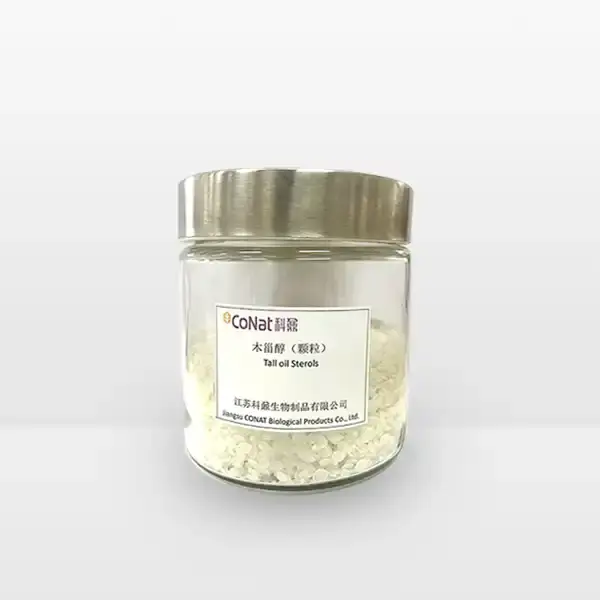
Industry Uses of Phytosterols Powder in Food Fortification
Food technologists like phytosterol powder because it does two things well: it gives you measurable health benefits and keeps the integrity of the product while it's being processed and stored. Because the element is so flexible, it can be used in new ways across many areas.
Dairy Alternatives and Plant-Based Beverages
Phytosterol powder is being added to more and more almond milk, oat drinks, and soy-based products. These apps are for people who can't digest lactose and flexitarians who want to find ways to lower their cholesterol. Fortification levels are usually between 0.8 and 1.5 grams per serving so that cost and effectiveness are both taken into account. Emulsification technology makes sure that the mixture spreads evenly, stopping it from settling or splitting into different phases during distribution.
Margarine and Spreads
Margarines were the first foods to contain phytosterol powder, and people in European markets have been eating them for decades. Modern versions mix phytosterol powder with other useful fats, making heart-health profiles that work better together. Lipophilic sterols easily fit into the fat structure, which makes technical problems in water-based systems easier to solve.
Nutritional Bars and Functional Snacks
People who value convenience like portable cholesterol control options. Protein bars, granola clusters, and fortified crackers all have phytosterol powder, fiber, omega-3s, and antioxidants in them. Manufacturers use "clean-label" marketing to stress that their products come from natural plants instead of manmade additives. People in the millennial and Gen Z generations who value honesty will really like this approach.
Formulation Considerations and Technical Solutions
Problems with being water-soluble make watery uses difficult, so microencapsulation or ester formation is needed. Spray-drying methods make powder blends that are stable and work with beverage systems. The mouthfeel is affected by the distribution of particle sizes. Smaller particles blend in better, but they may be harder to handle when they are being processed in bulk. Because baking is sensitive to temperature, certain grades are needed to keep their activity through thermal exposure. Experienced providers give advice based on the application and match the product's features to the needs of the manufacturing process.
Market data shows that demand for functional foods in North America is growing quickly, with yearly growth rates of over 7% through 2028. Heart health organizations' efforts to raise knowledge among consumers open up more business possibilities for fortified goods with solid scientific support.
Comparison and Selection of Phytosterol Powder for B2B Procurement
Procurement professionals have to look at a lot of different factors when looking for ingredients for large-scale manufacturing operations. Quality control, following the rules, and the dependability of the supply chain all play a role in choosing a supplier of phytosterol powder.
Phytosterols Versus Alternative Heart-Health Ingredients
Plant stanols work in a similar way, but you have to use more of them for the same effect. There are different ways that fish oil is good for your heart. It works on triglycerides instead of cholesterol absorption. Red yeast rice naturally has statins in it, which can make regulations more difficult in some places. The established safety profile and regulatory acceptance of phytosterol powder give brands that want to sell in mainstream stores a competitive edge.
Source Material and Processing Methods
The main sources of phytosterol powder are leftovers of making pine oil and refining soybean oil. Clean-label manufacturers like supercritical CO₂ extraction because it produces high-purity fractions with no solvent residues. For uses that can handle small amounts of chemicals, conventional solvent extraction is still the most cost-effective method. Organic approval comes with higher prices but opens up new niche markets, especially in stores that sell natural foods.
Quality Parameters for Supplier Assessment
Commercial grades have purity ranges between 90% and 98% total sterols. Higher purity means less dosing is needed, which makes up for the higher costs by making the formula more efficient. The handling properties and bioavailability are affected by the particle size. Typical particle sizes are between 100 and 500 microns. Manufacturing controls are confirmed by tests by a third party for heavy metals, herbicide residues, and microbial pollution. GMP approval shows that quality management is being done in a planned way, which lowers variation between batches that can mess up production plans.
ISO 22000 certification for food safety means that strong rules are in place to keep food from getting contaminated. Each package should come with a Certificate of Analysis document, which will make it possible to track it and check the quality. Suppliers who give expert support can help with formulation optimization, which cuts down on the cost of reformulation and speeds up the product creation process.
Procurement Guide for Phytosterols Powder in Bulk
To do strategic sourcing, you need to know about the strengths and weaknesses of regional manufacturing, logistics, and the total cost of ownership of phytosterol powder, which goes beyond unit pricing.
Global Supply Landscape
Asian manufacturers make most of the commodity-grade goods because they use integrated supply chains from refining vegetable oil. European providers focus on providing specialized grades that can be used in medicinal and high-end nutritional uses. North American distributors often work with makers abroad to get supplies made in the United States and make the process of importing easier. Private label options let brands stand out by using special blends that combine phytosterol powder with other active ingredients that work well together.
Pricing Dynamics and Cost Factors
There is a strong link between bulk pricing, purity requirements, and certification needs. Standard 95% phytosterol powder is sold for a lot less than 98% material that is used in pharmaceuticals. Organic certification adds 30–50% premiums because of restrictions on where food can come from in agriculture. Order amounts affect per-kilogram costs; container-load sizes open up the best price levels. Long-term supply deals keep prices stable, protecting producers from changes in the commodity market that could affect the raw materials they use.
Logistics and Regulatory Compliance
Because it is sensitive to moisture, it needs to be packed in the right way, usually in multi-layer paper bags with plastic liners or fiber drums. By reducing oxidative breakdown, nitrogen cleaning increases the shelf life of food. Each country that an import is going to has different rules about what paperwork is needed. These rules include customs classification codes, certificates of origin, and hygiene certificates. Freight forwarders with a lot of experience and knowledge of the rules about food ingredients make it easier to do business across borders. Extreme weather means that temperature-controlled shipping is needed to keep the quality of the goods while they're in transit.
When talking to potential suppliers about custom formulations or proprietary processing methods, intellectual property issues come up. During the quotation process, non-disclosure agreements keep secret information about the products safe.
Future Trends and Opportunities in Phytosterol Powder Fortification
Next-generation phytosterol powder products will be driven by expanding applications and better delivery systems, which will create opportunities for manufacturers who are willing to think ahead.
Advanced Delivery Technologies
Bioavailability is greatly increased by nanoencapsulation methods, which reduce particle sizes to below the micron range. Liposomal delivery systems work like the body's own ways of moving fat, which could mean that lower doses are needed to get the same clinical results. These technologies cost a lot, but they allow for different product claims, which is why they have higher selling prices. Water-dispersible phytosterol powder complexes get rid of formulation problems in beverage uses, which opens up new market segments to be targeted.
Regulatory Evolution and Health Claims
Ongoing clinical research may back up health claims about more than just heart health. The FDA's efforts to bring nutrition labels up to date have an effect on tactics for adding nutrients and marketing messages. Harmonization of European regulations makes it easier to launch products in more than one country, which lowers the costs of compliance for global brands. Manufacturers will be in a better situation as standards change if they stay involved with governmental changes.
Strategic Recommendations for B2B Stakeholders
Working together with suppliers makes it easier to get new technologies and advice on how to use them. Joint development projects match new ideas for raw materials with the needs of finished products, which speeds up the time it takes to get products on the market. Sustainability factors are becoming more important in purchasing decisions. Suppliers who keep records of their ethical and environmentally friendly sourcing practices gain a competitive edge. Long-term relationships allow both parties to invest in improving quality and increasing capacity. This ensures that supply stays steady as market demand rises.
Diversified buying methods for phytosterol powder keep quality standards high while lowering risks in the supply chain. Getting critical ingredients from more than one approved supplier protects against problems without changing the consistency of the formula. Regular checks of suppliers make sure that quality standards and manufacturing procedures are still being followed.
Conclusion
In order to position fortified foods and supplements for long-term market growth, phytosterol powder provides scientifically proven health benefits that are in line with modern consumer priorities. To make implementation work, you need to pay close attention to quality standards, the supplier's skills, and follow the rules during the whole purchase process. Because the ingredient can be used in a lot of different ways, it opens up a lot of possibilities for new products and market differentiation. When manufacturers work with experienced suppliers, they get technical help, a quality guarantee, and a reliable supply chain, all of which are important for building trust and brand loyalty in the wellness market, which is very competitive.
FAQ
1. How does phytosterol powder affect product shelf life?
When stored in the right way, phytosterol powder that has been properly made becomes more stable. The ingredient itself is better at resisting oxidative breakdown than many unsaturated lipids, but natural vitamin E and other antioxidants work together to make it more stable over time. Accelerated shelf-life tests should be done by manufacturers for certain formulas because matrix interactions affect how quickly they break down. When packaged correctly, most foods have a shelf life of more than 24 months.
2. What certifications should buyers prioritize when selecting suppliers?
GMP certification shows basic quality rules in the industry. The ISO 9001 and ISO 22000 certifications show that quality management and food safety are done in a planned way. Kosher and Halal licenses make markets bigger and easier to get into. Natural products channels are interested in organic certification. Independent laboratories' third-party testing confirms the accuracy of the analysis, which gives buyers more faith in what the supplier says about their products beyond what they say themselves.
3. Can phytosterol powder replace synthetic cholesterol-lowering ingredients?
Phytosterol powders that come from plants are better for clean labels than manufactured ones because they are more like the ingredients that people want. Efficacy profiles allow substitution in many situations, but the choice of ingredient may be affected by the needs of the formulation. Clinical proof for phytosterol powder makes it easier to communicate health claims, which could lead to marketing benefits that support spending money on reformulation.
Partner with CONAT for Premium Phytosterol Powder Supply
A company called Jiangsu CONAT Biological Products Co., Ltd. makes high-purity phytosterol powder. They have been doing this for decades and have strict quality control systems in place. Our factories are GMP-certified and make phytosterol powder that is safe for food and medicine. They meet international certification standards like ISO, Kosher, and Halal. We make sure that each batch is exactly the same by using advanced testing methods and quality controls. This gives supplement makers, functional food developers, and pharmaceutical businesses a reliable supply.
Our expert team can help you make formulations that work best for your purpose by helping you improve bioavailability and product stability. We have affordable bulk prices for container loads, and our minimums are flexible for product creation stages. You can talk to our sales team about your phytosterols powder needs, ask for samples, and get full technical information to help you make your buying choices by emailing sales@conat.cn.
References
1. Ostlund R.E. (2004). Phytosterols and Cholesterol Metabolism. Current Opinion in Lipidology, 15(1), 37-41.
2. Demonty I., Ras R.T., van der Knaap H.C., et al. (2009). Continuous Dose-Response Relationship of the LDL-Cholesterol-Lowering Effect of Phytosterol Intake. Journal of Nutrition, 139(2), 271-284.
3. Trautwein E.A., McKay S. (2010). The Role of Specific Components of a Plant-Based Diet in Management of Dyslipidemia and the Impact on Cardiovascular Risk. Nutrients, 2(12), 1133-1146.
4. Calpe-Berdiel L., Escolà-Gil J.C., Blanco-Vaca F. (2009). New Insights into the Molecular Actions of Plant Sterols and Stanols in Cholesterol Metabolism. Atherosclerosis, 203(1), 18-31.
5. Marangoni F., Poli A. (2010). Phytosterols and Cardiovascular Health. Pharmacological Research, 61(3), 193-199.
6. Jones P.J., AbuMweis S.S. (2009). Phytosterols as Functional Food Ingredients: Linkages to Cardiovascular Disease and Cancer. Current Opinion in Clinical Nutrition and Metabolic Care, 12(2), 147-151.
YOU MAY LIKE