
Phytosterols vs Statins: Which Is Better for Heart Health?
Each of these drugs, phytosterols and statins, can help your heart health by cutting cholesterol. Phytosterols, which are structurally similar to cholesterol and can help naturally by stopping the absorption of cholesterol in the gut, are a good way to do this. Statins are medicines that stop the liver from making cholesterol. The right choice depends on the person's health, their risk factors, and the product's goals. Neither choice is always better. You can make smart choices that fit your health goals and personal tastes by learning about how they work, how often they work, and any safety issues.
Understanding Heart Health and Cholesterol Management
Finding out about heart health and how to control cholesterol. People all over the world are still very worried about their heart and blood system health. Plaque builds up more easily in the arteries when there is a lot of LDL cholesterol. This makes heart disease and stroke more likely. You need to know how these chemicals work in the body in order to handle cholesterol well.
What Are Phytosterols?
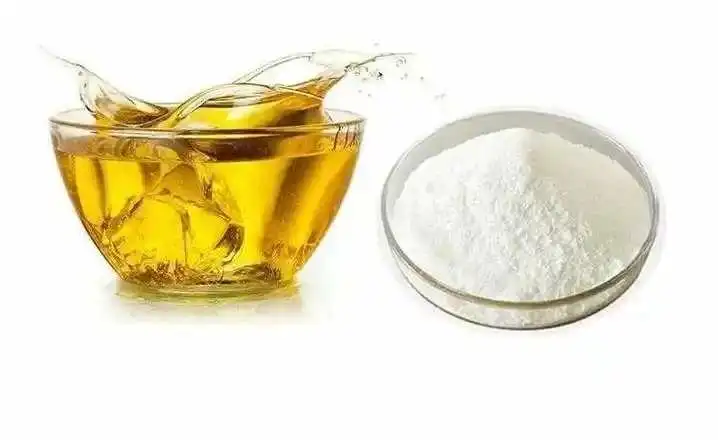
Isoprenoids called phytosterols are made by plants and can be found in large amounts in plant cells, especially in oilseeds like soybeans, wheat, and rapeseed. The structures of these chemicals, mostly β-sitosterol, campesterol, and stigmasterol, are the same as those of cholesterol molecules. Most soybean seeds have between 0.2% and 0.3% phytosterols by weight, with the most in the germ. A study that looked at 510 kinds of soybeans from all over the world found that they all had the same makeup: β-sitosterol makes up about 65% of the total, campesterol makes up 30%, and stigmasterol makes up about 3%.
Plant-based foods like nuts, seeds, grains, beans, and vegetable oils can all give you 200 to 300 mg of phytosterols every day. If you eat only plants, you can get more than 700 mg a day. This stuff can be found in two different states: free and bound. When you eat, enzymes in your pancreas break down the bound forms into free forms.
How Do Statins Work Differently?
Statins are a type of medicine that works by targeting HMG-CoA reductase. This is the enzyme that stops the liver from making cholesterol as quickly. Statins stop this enzyme route from working, which stops the body from making cholesterol. Activating this makes liver cells make more LDL receptors, which helps cholesterol leave the body more easily. Large clinical studies have shown that this process lowers the chance of heart disease and causes LDL levels to drop sharply.
Phytosterols prevent uptake in the digestive system, while statins disrupt metabolic production routes in liver tissue. This is the main difference between the two drugs. If they are different, it changes how well they work, how safe they are, and when they can be used.
Comparing Phytosterols and Statins: Effectiveness and Safety
In order to compare these two ways of controlling cholesterol, we need clinical data that shows how they work and what the risks and benefits are.
Cholesterol-Lowering Efficacy
As early as 1953, research began to show that phytosterols can lower cholesterol. They were sold as a drug under the name Cytellin from 1954 to 1982. A new study shows that phytosterols lower LDL cholesterol by competing with cholesterol molecules in the gut to be absorbed. When these phytosterols are used regularly, they can cut LDL cholesterol by 9–17%.
Statins lower LDL levels more than other drugs, sometimes by 30 to 50 percent. However, this varies depending on the amount and preparation of the drug. By getting in the way of production directly, they have strong benefits that can be measured by lower heart disease risk in the right patient groups. There is still a lot of proof that statins can help people avoid heart disease and death in certain medical scenarios.
These methods work well together when used together. When taken with statins, phytosterols help lower cholesterol even more, so the type of drug or the amount that needs to be taken doesn't change. But more study needs to be done on how this combination medicine works in the real world.
Safety and Tolerability Profiles
When it comes to safety, these options are very different from one another. If you take phytosterols as a food supplement, they have been shown to be safe and have few side effects in many different groups. We know that people have eaten them for thousands of years because they are naturally found in plant-based foods. This makes us confident that they should be used.
Statins can have side effects like muscle pain, higher blood enzymes, and a higher risk of getting diabetes. This is why doctors need to closely watch people who take them. Some people have trouble with having to keep an eye on them and deal with their prescriptions, even though big issues are still pretty rare.
There are also big differences in how people follow the rules. Phytosterols are easy to get every day in the form of pills, fortified foods, and spreads. You don't need a prescription to take them. Statins work better in theory, but they don't always work well in real life because people have to follow their doctors' orders, get regular lab tests, and work together with their doctors.
Procurement Perspectives: Choosing Between Phytosterols and Statins for Business Needs
When it comes to business, it can be hard to choose between phytosterols and statins. It's important to know how to source these active ingredients, follow the rules, and figure out prices before making product lines with them.
Supplier Reliability and Quality Considerations
If you want to get phytosterols that are very pure, you need to find companies that make them and have the right certifications. Suppliers with a good name keep licenses for ISO9001, ISO22000, GMP, Kosher, and Halal. These prove that their goods are always made the same way and meet all international rules.
It's very important that each batch is the same. Changes in the percentages of different particle sizes, water content, and sterols in useful foods, dietary supplements, and medicine recipes can affect how well the product works. Manufacturers use advanced methods for extraction, cleaning, and standardization to make sure the quality is good enough for business use.
Statins are closely watched by the government because they are medicinal drugs. Supply chains have to work with restricted systems that need a lot of paperwork and limit what can be brought in. Statins are harder to get because they have to follow strict rules and fill out a lot of paperwork, which limits their flexibility compared to phytosterols.
Cost Analysis for Bulk Procurement
Because phytosterols come from plants like soybeans, buying them in bulk can save you money. It is possible to offer competitive prices because it is easy to get raw materials and the methods used to remove them are well known. This is especially true when you buy from makers who make specific items. When you buy a lot of phytosterols at once, you generally save more money. Because of this, it's smart to use them in many things.
There are a few economic things to think about when you buy pharmaceutical statins. These include patent protection, the cost of following the rules, and controlled distribution markups. Because of generics, statins are now cheaper, but the supply chain for drugs has higher unit costs than the supply chain for useful ingredients that come from plants.
Phytosterols are increasingly preferred by product makers who want to sell to customers who want clean labels. Goods with pure, plant-based active ingredients will be very appealing to people who care about their health. The prices of these goods might need to go up to meet the costs of the ingredients.
Regulatory and Compliance Frameworks
Foods and drugs that are high in phytosterols must follow different rules in each foreign market. EU law lets products make health claims about cutting cholesterol as long as they give you the right amount of medicine every day. Like this, the US Food and Drug Administration (FDA) rules let foods with phytosterols that meet certain conditions make some health claims.
To safely go into a market, you need to know the rules about labels, health claims, and the products that can be used in your area. It takes less time to get a product on the market, and the approval process goes faster when you work with sellers who know a lot about the law and provide full paperwork packages.
Practical Applications: When to Choose Phytosterols or Statins?
You have to pick the right parts for a smart product based on the rules, the needs of your target customers, and your place in the market.
Ideal Scenarios for Phytosterol Integration
Phytosterols from plants are typically added to drinks and foods that are good for you. It is not a drug for which phytosterols are used to lower cholesterol. They are found in foods like heart-healthy margarines, yogurts with extra nutrients, and nutritional drinks. There are many types of people who are good for businesses. People who care about their health or like green products are especially welcome.
It will also be used to make food supplements that are meant to raise cholesterol levels. High-potency pills and tablets with standardized phytosterol extracts are easy for people who want concentrated amounts in a form they can use. Particle size tuning helps absorption and makes sure particles can flow and be compressed easily during the tabletting process.
Phytosterols are useful in makeup in addition to their use in blood products. They help form shields because their structure is like that of skin lipids. This stops water loss through the skin's surface and makes it more pliable. Phytosterols are active ingredients in anti-aging creams and skin care items that benefit the face in many ways.
When Statin Therapy Becomes Necessary
Statins are strong medicines that can help people who are at a high risk for heart disease and have high cholesterol, known artery disease, or genetic lipid problems. People who qualify may be able to get statins through fitness programs and other health efforts at work. This fits with treatment plans that are based on proof for secondary protection.
Medical nutrition companies that make special recipes for patients may be able to get around the rules that govern pharmaceuticals to add ingredients that work as statins. Still, this doesn't happen as often as getting medications.
Synergistic Combination Approaches
There's more and more proof that taking phytosterols with statins can help lower cholesterol even more. In order to help people deal with their cholesterol in more than one way, supplement companies can sell useful foods that are high in phytosterols along with plain pills.
To keep your arteries healthy, this way of thinking suggests that you need to change what you eat, take natural supplements, and sometimes take drugs. A bigger range of customers can get unique solutions from businesses that plan to buy both types of ingredients.
Future Outlook and Trends in Heart Health Management Products
New ideas keep making it easier to find heart-healthy foods, which is good for companies that are planning for the future.
Advances in Phytosterol Technology
A big area of study is how to make absorption better. There are techniques for micronization that make diffusion and absorption better by reducing particle sizes to submicron levels. It is now possible to add phytosterols to materials that were hard to do so before because esterification changes the way they dissolve.
Nanoemulsions, liposomal encapsulation, and complexation with solubility boosts are some of the new ways that formulation experts are looking into to get drugs to people. Because phytosterols naturally don't like water, these technologies work around that. This means they can be used in more settings and may need fewer of them to work.
Market Dynamics and Consumer Preferences
What people want and how the market works. People who care about their health and want to use clean labels want plant-based products that work well. These foods work well with phytosterols, which help sell products that stress their natural roots and health benefits that have been proven by science.
Around the world, more and more people are going vegetarian or vegan. This means that phytosterols can fit these lifestyles. There are more people who can buy products that are kosher or halal certified, which means they meet different health needs.
The most important thing to people about functional foods is still heart health, and the world market for them is still growing very quickly. When there are a lot of competitors in a market, new phytosterol-rich products that meet the wants of certain groups of people will have an advantage.
Conclusion
If someone needs to choose between phytosterols and statins, it depends on a lot of factors, like their health, the level of risk, legal problems, and the product positioning goals. Natural phytosterols are well known for their health benefits and can be used to lower cholesterol and make foods healthier. Statins are medicines that are made for people with a high risk who need extra care. A procurement worker should know the differences between the two options so they can make smart buying choices that meet the needs of target markets and design goals. In every part of the world, heart health is still important. Using goods like high-purity phytosterols that have been shown to work will give you an edge over your competitors and meet the real health needs of buyers.
FAQ
1. Can phytosterols completely replace statin medications?
Should phytosterols be used instead of statins? You should talk to your doctor before taking phytosterols instead of statins. They might be able to lower cholesterol a little, but not as well as statins. Stronger drug treatments are typically required for people who already have a disease or are at high risk for heart disease than phytosterols alone can offer. They work best when taken together or by people who want to naturally lower their cholesterol or who already have slightly high cholesterol.
2. What daily phytosterol dose produces optimal cholesterol-lowering effects?
Researchers have found that taking about 2 grams of phytosterols or stanols every day can lower LDL cholesterol in a useful way. Most of the time, you can find this much of a supplement in enriched foods or strong pill types. When you eat foods that are high in fat, the phytosterols work better because they compete with cholesterol for absorption in lipid micelles during digestion.
3. Are there any populations that should avoid phytosterol supplementation?
Are there people who really shouldn't take phytosterol medicines? Supplements should not be taken by people with sitosterolemia, a rare genetic disease that makes the body take in too many phytosterols. If a woman is pregnant or nursing, she should talk to her doctor before using strong phytosterol products. Also, phytosterols are safe for most people as long as they are eaten in the right amounts or taken as supplements.
Partner with CONAT for Premium Phytosterol Supply
We are very good at what we do here at Jiangsu CONAT Biological Products Co., Ltd. We have been making high-purity phytosterols and natural vitamin E products for many years. Our ISO, GMP, Kosher, and Halal certifications are always up to date because we have thorough quality processes in place. This makes sure that every batch is the same and that we follow all the rules for every market in the world. Our technical team works closely with R&D directors and formulation managers to come up with custom solutions. This is true whether you're making new cosmetics, functional foods that need food-grade phytosterol powder, or dietary supplements that need pharmaceutical-grade active ingredients. We know how important it is for people from other countries to buy ingredients that are clean, stable, and come with the right papers. Get in touch with our sales team at sales@conat.cn to talk about your phytosterol needs and learn how working with a well-known phytosterol company can help your product work better and bring you more market share.
References
1. Jones PJ, MacDougall DE, Ntanios F, Vanstone CA. Dietary phytosterols as cholesterol-lowering agents in humans. Canadian Journal of Physiology and Pharmacology. 1997;75(3):217-227.
2. Ostlund RE. Phytosterols in human nutrition. Annual Review of Nutrition. 2002;22:533-549.
3. Borin-Crivellenti S, Crivellenti LZ, Tinucci-Costa M. Nutritional management of hyperlipidemia in dogs: effects of phytosterol supplementation. Journal of Veterinary Internal Medicine. 2021;35(2):891-898.
4. Berges RR, Windeler J, Trampisch HJ, Senge T. Randomised, placebo-controlled, double-blind clinical trial of β-sitosterol in patients with benign prostatic hyperplasia. Lancet. 1995;345(8964):1529-1532.
5. Ikeda I, Sugano M. Comparison of absorption and metabolism of β-sitosterol and β-sitostanol in rats. Atherosclerosis. 1983;48(1):57-65.
6. Kajimoto G, Yoshida H, Shibahara A. Phytosterol content and composition in soybean seeds. Journal of the American Oil Chemists Society. 1982;59(4):172-175.
YOU MAY LIKE