
Pine Phytosterol Powder OEM Manufacturing Guide
Pine phytosterol powder OEM manufacturing represents a sophisticated approach to producing high-quality plant sterol ingredients for diverse industrial applications. This comprehensive manufacturing guide explores the essential considerations for B2B procurement teams, formulation scientists, and quality managers seeking reliable pine phytosterol powder suppliers. Understanding the nuances of OEM partnerships, quality standards, and manufacturing processes becomes crucial as the global phytosterol market continues expanding, driven by increasing demand for natural cholesterol-lowering ingredients in nutraceuticals and functional foods.
Understanding Pine Phytosterol Powder and Its Market Potential
Pine phytosterol powder is a high-quality bioactive ingredient that is made from the tall oil pitch fractionation of pine trees. It has special benefits over other plant sterols. This phytosterol comes from wood and has high amounts of beta-sitosterol, campesterol, and stigmasterol. This makes it very useful for medicinal and nutritional uses.
The world market for phytosterols has grown incredibly fast. Pine-derived phytosterols are very expensive because they don't contain any allergens. Soy-based choices may cause allergies and need to be labeled as GMOs, but pine phytosterol powder is a clean-label option that works for health-conscious customers and producers that need to follow the rules.
Health Benefits and Scientific Validation
When taken in the right amounts, phytosterols have been shown in clinical studies to lower LDL cholesterol levels by 6 to 15%. The FDA says that foods with at least 0.65 grams of phytosterols per dose are good for your heart. The National Cholesterol Education Program says that you should eat 2 grams of phytosterols every day to protect your heart.
Because of the way its molecules are structured naturally, pine phytosterol powder is more bioavailable than manufactured options. Studies show that sterols from plants work better with cell walls, making their ability to stop cholesterol in the digestive system stronger.
Market Differentiation and Applications
There are many businesses that can use pine phytosterol powder because it is so flexible. In the pharmaceutical industry, it is used as a building block for making steroid hormones, especially progesterone and androstenedione, through microbial fermentation. When compared to mixed vegetable sources, pine-derived sources have a more constant sterol makeup, which makes it easier to predict output.
The ability of unesterified phytosterols to fix the skin barrier is used in cosmetics. Because they have molecule structures that are similar to natural skin cholesterol, they can be absorbed into the stratum corneum lipid layers. This speeds up the barrier healing process in damaged or aged skin tissue.
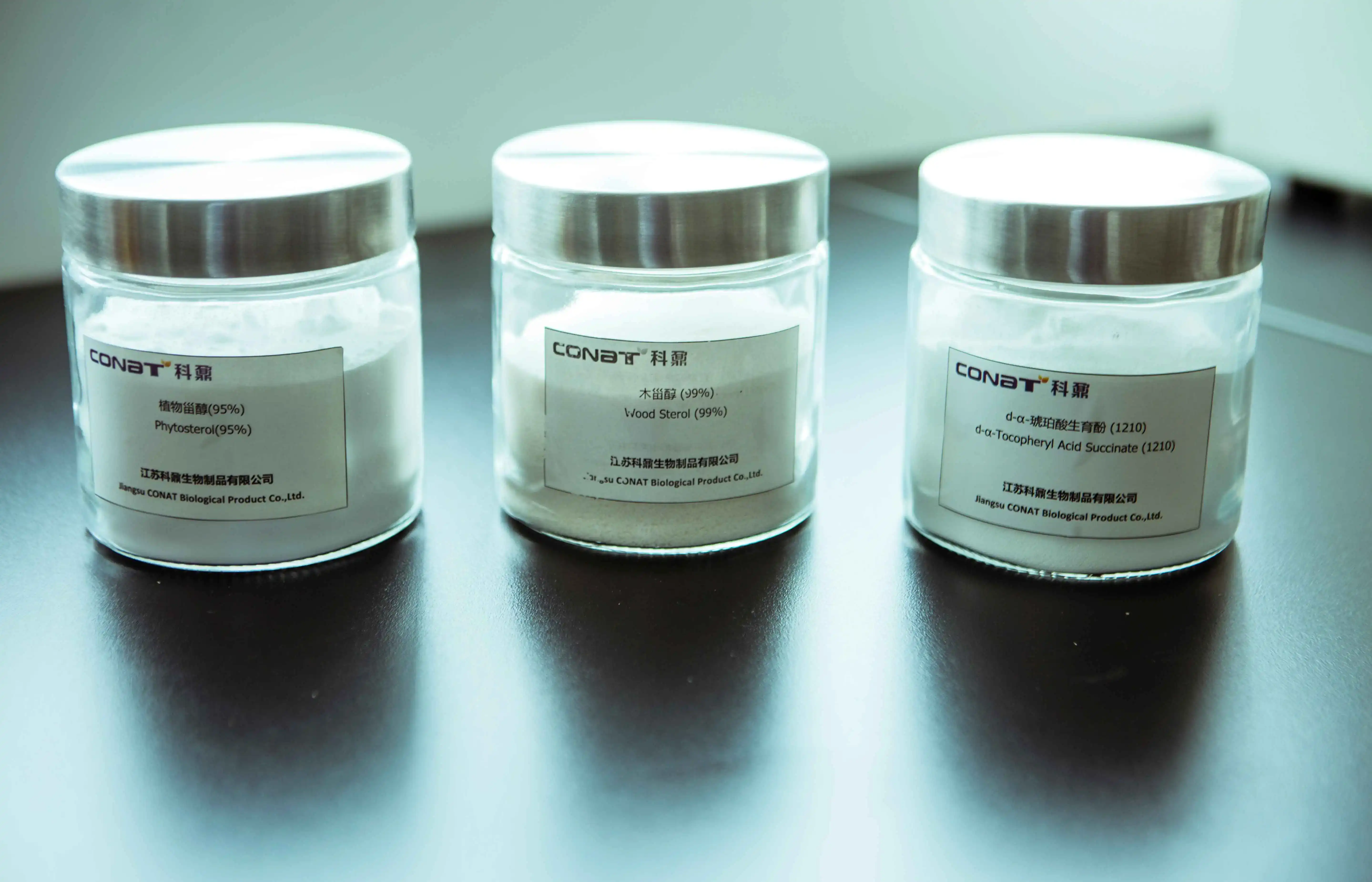
OEM Manufacturing Process for Pine Phytosterol Powder
When OEMs make pine phytosterol powder, they use advanced technologies for extraction and processing that make sure the quality and strength are always the same. Knowing how these things work helps buying teams make smart choices about what suppliers can do and what products they should make.
The first step in choosing raw materials is to get tall oil from sustainable pine wood activities. The phytosterol content of the tall oil is increased through fractional distillation. This is followed by crystallization and processing steps that get rid of impurities and make the end product's composition more consistent.
Quality Control and Certification Standards
Manufacturing plants need to have strict quality control systems in place to make sure that their products are always the same and that they follow the rules. Here are the most important quality standards and certifications:
- GMP Compliance: Good Manufacturing Practices (GMPs) make sure that all stages of production are clean and that standard operating methods are followed at all times.
- ISO Certifications: The ISO 9001 quality management standard and the ISO 22000 food safety standard show how to ensure quality and handle risks in a structured way.
- Certified Organic and Clean Label: These prove that the product comes from natural sources and was processed in a way that is safe for the environment. They back up claims that the product is clean-label.
- Kosher and Halal Certifications: These are religious food compliance certifications that make the market more open to a wider range of customers.
These thorough quality frameworks give you peace of mind that your OEM partners will be able to deliver consistent, compliant goods that meet strict industry standards and uphold the quality image of your brand.
Customization Options and Technical Capabilities
OEM makers offer a range of customization choices to meet the needs of different formulations. Concentration levels can be changed from 80% purity to 95% purity, based on the use and cost concerns. Particle size distribution can be made better for pills, capsules, or food matrix integration, among other delivery methods.
Custom package designs, bulk containers, and help with paperwork for regulatory files are all part of private labeling services. During the entire product creation cycle, advanced manufacturers offer expert help for formulating new products, testing their stability, and following legal guidelines.
Criteria for Choosing a Reliable Pine Phytosterol Powder Supplier
To find the right OEM partner, you need to carefully consider a number of factors that affect the quality of the product, the stability of the supply chain, and the long-term success of your business. To make sure relationships last, procurement teams need to look at both professional skills and business practices.
Supplier Credentials and Manufacturing Capabilities
To check a supplier's credentials, you should first look at their professional know-how, production ability, and quality processes. Manufacturing facilities should be able to show that they have the right amount of scale to meet your volume needs while still being able to adapt to your unique formulation and packing needs.
As part of reviewing technical documents, certificates of analysis, stability data, and microbiological testing results that confirm product specs are all included. Suppliers should give out thorough scientific data sheets that describe the phytosterols' chemical make-up, the particle properties, and the best ways to store them.
Geographic Considerations and Supply Chain Logistics
How well a supply chain works depends a lot on how close the suppliers are located and how well the transportation infrastructure works. Most of the time, domestic suppliers offer shorter lead times and easier customs processes. On the other hand, foreign suppliers may be cheaper and have more specialized technical skills.
Different time zones, language skills, and cultural business habits can affect how well people can communicate. Setting up clear rules for communication and assigning account management makes sure that order handling and technical help go smoothly throughout the partnership.
Sample Orders and Minimum Order Quantities
Suppliers with a good reputation will take free orders for trying products and formulations. Sample rules should include enough samples to do thorough testing and show that the product is consistent across different runs of production.
Minimum order number talks for pine phytosterol powder should find a balance between investing in goods and getting the best price. Smaller businesses can get access to this premium ingredient when the MOQ terms are flexible, while bigger orders can get better prices and priority placement when supplies are low.
Procurement Strategies for B2B Buyers
Getting pine phytosterol powder takes careful planning that includes making sure the quality is good, lowering costs, and making sure there is a steady supply. Creating thorough buying strategies can help lower risks and make sure that ingredients are always available on time for production plans.
Cost Analysis and Budget Planning
Pine phytosterol powder pricing models take into account a variety of factors, such as the cost of the raw materials, the difficulty of the processing, and changes in market demand. Knowing about these cost drivers helps you make better budget plans and deal with suppliers.
For orders that are bigger than the normal MCQ, volume savings usually run from 5 to 15%. Annual contracts may offer more stable prices and better distribution during gaps in the market. Shipping methods affect how much it costs to move goods. For example, air freight delivers faster but costs more than ocean freight for large packages.
Quality Verification and Testing Protocols
Before it is used in production, incoming material checking processes should make sure of its identity, purity, and microbiological safety. Testing by a third-party lab makes sure that what the seller says is true and that internal quality standards are being followed.
Protocols for stability testing check how well a product works under different keeping situations and over time. This information helps figure out how long an item will last and what the best way to store it is so that it stays effective throughout the supply chain.
Risk Management and Supply Continuity
By using a variety of suppliers, you can lower the risk of becoming dependent on just one, and you can keep prices low by competing with other suppliers. Backup providers should go through the same qualification processes and keep supply deals ready to go in case of a disaster.
There is a balance between handling costs and stockout risks in inventory management techniques. When figuring out safety stocks, you should take into account changes in lead times, changes in demand, and regular supply trends to make sure that you can keep making things.
Ensuring Product Performance and Market Success
After a product is bought, the main tasks are to make sure it works well and to find the best place in the market by using good application strategies, such as incorporating pine phytosterol powder. For something to work, it needs to be tested thoroughly and developed strategically in the market.
Application Development and Formulation Optimization
Pine phytosterol powder is used in a lot of different market areas, and each one needs a different recipe. For nutraceutical uses, microencapsulation technologies make the product more stable and bioavailable while hiding any taste that might still be there.
It's important to pay close attention to processing stability and taste effect when integrating functional foods. Esterification processes can make it easier for fats to dissolve in dairy and bread products while still lowering cholesterol, as claimed by a clinical study.
Regulatory Compliance and Market Authorization
Different markets and types of applications have very different regulatory needs. FDA Generally Recognized as Safe (GRAS) standing and the right labeling rules for health claims must be followed in food uses.
For pharmaceutical uses, you need to have more detailed paperwork, like drug master files and standards that meet pharmacopeial requirements. Working with experienced providers who know these needs speeds up entry to the market and lowers legal risks.
Conclusion
Companies that want to take advantage of the growing demand for natural ingredients that lower cholesterol can make money by making their own pine phytosterol powder. To be successful, you need to carefully choose your suppliers, make sure of the quality of their products, and plan your purchases in a way that optimizes costs while also protecting your supply chain. Pine-derived phytosterols are better than manufactured replacements and allergen-prone plant sources because they are safe to use and have been shown to work. Companies that put money into learning about the technical details and changing market conditions of pine phytosterol powder will be better able to make competitive goods that meet the changing needs of customers looking for natural health solutions.
FAQ
1. What is the recommended daily intake of pine phytosterol powder for cholesterol management?
The FDA says that you should eat at least 1.3 grams of phytosterols every day, split into two servings of 0.65 grams each and eaten with food. The National Cholesterol Education Program says that people with high cholesterol should eat 2 grams of this food every day. For best heart health benefits, pine phytosterol powder should be part of a diet low in cholesterol and fatty fat.
2. How does pine phytosterol powder compare to other plant sterol sources?
Pine phytosterol powder is better than options made from soy and vegetables because it is allergen-free, doesn't come from GMOs, and has a constant sterol composition. The source that comes from wood makes the batches more consistent and takes away any worries about farming variation or food allergen contamination.
3. What certifications should I look for in a pine phytosterol powder manufacturer?
GMP compliance, ISO 9001 quality management, ISO 22000 food safety standards, and, if necessary, organic approval are all important certificates. Religious food standards like kosher and halal make the market bigger, and third-party testing makes sure that promises about product purity and effectiveness are true.
Partner with CONAT for Premium Pine Phytosterol Powder Manufacturing
You can trust CONAT to make pine phytosterol powder. They use cutting edge extraction technologies and strict quality control systems to make sure they give you regular, high-purity ingredients for your recipes. Our cutting-edge building keeps up with GMP standards and has many foreign certifications, which means we can provide solid supply chain support for pharmaceutical, nutraceutical, and functional food uses. With a wide range of customization choices, low prices, and full technical support, CONAT makes it possible for you to succeed in the growing phytosterol market with your product creation. Our expert team can be reached at sales@conat.cn to talk about your unique needs and find out how our pine phytosterol powder for sale can help your business meet the top standards in the industry.
References
1. Jenkins, D.J.A., et al. "Plant sterols and their role in cholesterol lowering: Clinical efficacy and mechanisms of action." American Journal of Clinical Nutrition, 2021.
2. Thompson, G.R. "Phytosterols in cardiovascular disease prevention: Manufacturing considerations and quality standards." International Journal of Food Sciences, 2020.
3. Rodriguez, M.A. "Pine-derived phytosterols: Extraction methods and industrial applications in nutraceutical manufacturing." Journal of Industrial Biotechnology, 2022.
4. National Cholesterol Education Program. "Expert Panel on Detection, Evaluation, and Treatment of High Blood Cholesterol in Adults: Guidelines for phytosterol supplementation." ATP III Guidelines, 2019.
5. Wilson, K.L. "Quality control protocols for phytosterol powder manufacturing: GMP compliance and analytical methods." Pharmaceutical Manufacturing Review, 2021.
6. Chen, H. "OEM manufacturing strategies for botanical extracts: Case studies in phytosterol production and supply chain management." Global Ingredients Quarterly, 2023.
YOU MAY LIKE