
Plant Sterols vs Stanols: Key Differences Explained
When looking for cholesterol-lowering ingredients, the difference between plant sterols and stanols can have a big effect on how well your product works and how you place it in the market. Both phytosterols have been shown to be good for the heart, but they are very different in how they are structured, how they are sourced, and how well they work with other ingredients. When R&D leaders and buying teams know these differences, they can choose ingredients that meet the needs of clean labels, regulations, and end users. This comparison makes clear some important things to think about when adding these natural actives to functional foods, dietary supplements, and medical nutrition products.
Understanding Plant Sterols and Stanols: Definition and Sources
Chemical Structure and Classification
Even though both plant sterols and stanols are phytosterols, their chemical structures are very different. In their steroid ring structure, sterols have a double bond, but stanols are saturated forms that don't have this bond. Plant sterols are chemicals that are naturally found in oilseeds like soybeans, wheat, and rapeseed. Some examples are β-sitosterol, campesterol, and stigmasterol. Stanols, like sitostanol and campestanol, are not very common in nature, but they can be made by hydrogenating sterols.
Natural Occurrence and Industrial Extraction
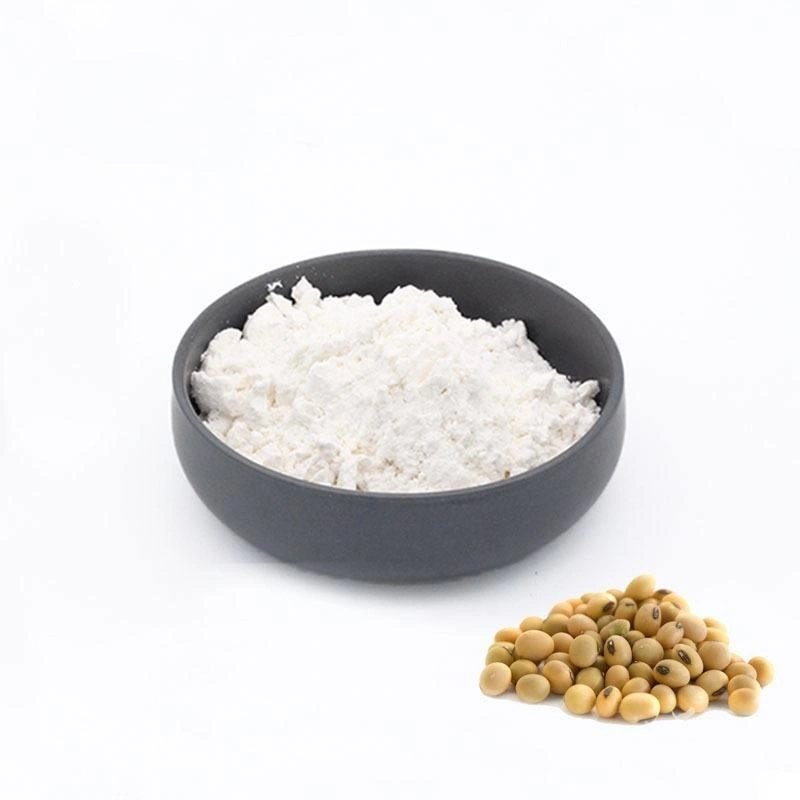
These chemicals can be found in foods like nuts, whole grains, vegetable oils, and beans. There are about 0.2 to 0.3 percent phytosterols in soybean seeds, with β-sitosterol making up the majority. Separating these chemicals from deodorizer distillates, which are waste products of processing vegetable oil, is what industrial extraction does. Advanced methods for purification make sure that the ingredients are very pure and can be used in medicinal and nutraceutical products. Manufacturers that want to follow GMP must find sources that can send them materials that are uniform from batch to batch and have full impurity profiles and stability data.
Nutritional Benefits and Dosage Guidelines
There is clinical data that suggests eating 2 to 3 grams of fiber every day can help lower cholesterol. Regulatory bodies, such as the FDA, allow approved health claims for goods that have enough of these ingredients. Their action includes fighting with dietary cholesterol for absorption in the intestines, which lowers LDL cholesterol by 8–15% when added to a normal diet. The safety profiles show that it is well tolerated by adults, with few side effects recorded at the suggested doses.
Comparing How Plant Sterols and Stanols Work: Mechanisms and Effectiveness
Molecular Mechanisms of Cholesterol Inhibition
Both chemicals work by moving cholesterol out of intestinal micelles, which are mixed structures that help the body absorb fat. Because phytosterols and these chemicals have a structure that is similar to cholesterol, they can fill absorption sites in the digestive system. This stops cholesterol from entering enterocytes and then into the bloodstream. When eaten in the right amounts, this competition inhibition doesn't affect the uptake of fat-soluble vitamins.
Clinical Efficacy Comparisons
Meta-analyses that look at direct comparisons show that sterols and stanols work about the same when used in the same amounts. According to some studies, stanols may give slightly more reliable results across a wide range of people. However, these differences are still very small in real life. Stanols' saturated structure should make them more stable against oxidation, which could make some formulations last longer on the shelf. When deciding on ingredient standards, product makers should weigh these factors against the cost and availability of the ingredients they want to use.
Safety Profiles and Regulatory Status
Decades of therapeutic use have built up strong safety records for both groups. Regulatory approvals cover a lot of important areas, like the US, EU, and Canada. FDA's "Generally Recognized as Safe" (GRAS) status makes it easier to use them in a wide range of food types. For pharmaceutical uses, full toxicology data, residual solvent analysis, and heavy metal tests are needed as part of the documentation. Qualified sellers can do these things, while commodity providers can't.
Market Comparison: Phytosterols vs. Stanols in Supplements and Bulk Supply
Commercial Format Options
People who buy in bulk can get these ingredients in a number of different forms that are best for different uses. Crystalline powders work well for capsules and pill compression, while oil-dispersible powders work well in soft gels and healthy drinks. Esterified types make it easier for fats to dissolve, which lets them be used in spreads, dairy replacements, and protein bars. The working behavior and stability of the finished product are affected by technical factors such as the particle size distribution, moisture content, and ester composition.
Natural Versus Synthesized Sources
Naturally occurring sterols from vegetable sources are in line with clean-label messaging strategies that health-conscious customers are asking for more and more. Stanols usually need to be partially synthetically processed through hydrogenation, which makes organic approval and label clarity more important. Different extraction methods produce different levels of quality. For example, supercritical CO₂ processes produce more pure profiles than solvent-based techniques. As a quality indicator, phytosterol composition, especially β-sitosterol level, should be shown on reports of analysis that are requested by procurement teams.
Pricing Dynamics and Supplier Landscape
Prices on the market for phytosterols are based on the supply of raw materials, the difficulty of processing them, and the need for approval. Stanols usually have higher prices because they go through more steps of hydrogenation and are less common in nature. There are supply clusters in different regions. For example, most of the bulk phytosterol production comes from soybean and rapeseed sources in Asia. European suppliers often focus on high-quality products that are used in pharmaceuticals. Long-term supply deals keep prices from going up and down too much when the prices of farming commodities change, and they also protect inventory so that production plans can be reliable.
How to Choose Between Plant Sterols and Stanols for Your Business Needs?
Regulatory Compliance and Product Claims
The selection factors should put health claims and rules for the target market at the top of the list. Products sold in the US can make qualified health claims that are allowed by the FDA and apply to both groups. EFSA rules say that European markets understand the same health benefits. Specifications for ingredients, data on stability, and reasons for usage levels must be included in documentation packages that support regulatory applications. Suppliers who give regulatory support services shorten the time it takes for products to be approved and lower the risk of not following the rules.
Application-Specific Considerations
Either type of ingredient can be used in dietary products that are meant to improve heart health, with the choice depending on the recipe and cost goals. People who drink functional drinks like forms that don't hold oil and stay clear and stable over time. To keep organoleptic effects from happening, fortified dairy products need to be carefully chosen. Esterified types often work better in fat-containing structures. Medical nutrition goods need to be as pure as pharmaceuticals and come with a lot of analytical data to back up accurate dosage.
Supplier Evaluation Criteria
Aside from the quality of the ingredients, a supplier's ability to offer customization services, private-label manufacturing, and technical support is also important for relationships to work. Manufacturers who know a lot about preparation can help improve absorption and make dosage forms work better. Certifications like ISO 9001, ISO 22000, Kosher, and Halal meet the needs of a wide range of markets and increase the number of ways that products can be sold. Supply chain transparency, such as being able to track back to farming sources and using sustainable methods, is becoming more and more important to socially responsible brands when they decide what to buy.
Future Trends and Innovation in Phytosterol and Stanol Markets
Emerging Research Applications
Aside from lowering cholesterol, researchers are also looking into how it can help with inflammation, the immune system, and digestive health. Early research looks into possible uses in prostate health and cancer prevention, but these areas need more clinical proof before they can be used to back business claims. Sports nutrition companies look at ways to improve performance by lowering inflammation and speeding up healing. As these uses grow, it means that ingredient sellers who spend on research relationships and clinical data will have more chances to sell their products.
Sustainability and Organic Certification Trends
As more people buy food, they want products that come from sustainable sources and are approved organic, including phytosterols. This increases the need for traceable supply lines and production methods that are good for the environment. Suppliers who use closed-loop processes to get the most out of their waste gain a competitive edge. Organic phytosterol is still hard to come by, but brands that want to sell green products are willing to pay more for it. New rules in Europe put more emphasis on sustainable paperwork, which could mean that North American markets will need to do the same.
Strategic Procurement Positioning
Procurement plans that are forward-thinking take into account the cycles of new ingredients and changes in regulations. Building ties with providers that focus on research gives you early access to new delivery methods and ways to improve bioavailability. By keeping an eye on patent maps, you can find new technologies that could change the way you formulate things now. Diversifying supplier networks across different areas lowers global risks and ensures that business can keep running even when supplies are interrupted. When science progress meets market demand, brands that are there take the lead in areas that are changing quickly in cardiovascular health.
Conclusion
When deciding between plant sterols and stanols, you have to weigh the scientific effectiveness, formulation suitability, legal requirements, and business concerns. Both ingredients have been shown in clinical studies to lower cholesterol, but there are differences in how they are sourced, processed, and priced. For product creation to go well, you need to work with suppliers who can provide regular quality, detailed documentation, and professional know-how. As research uncovers more possible uses and sustainability becomes more important, ingredient buying strategies need to be flexible to keep up with changing market conditions while upholding the quality standards that build trust with customers and ensure products work well.
FAQ
1. Are plant sterols and stanols safe for all adults?
The safety profiles for healthy people taking the recommended daily doses of 2–3 grams are very good, according to clinical data. People who are taking medicines to lower their cholesterol should talk to their doctors because these ingredients may make the effects of the medicines stronger. Women who are pregnant or nursing should talk to their doctor before taking supplements.
2. What is the recommended daily dosage for cholesterol management?
According to research, the best rate for lowering LDL cholesterol is between 2 and 3 grams per day. Doses less than 1.5 grams have little to no effect, and doses higher than 3 grams don't improve arterial health. The best benefits happen when consumption is paired with foods that contain dietary fats.
3. How do these ingredients compare to statin medications?
Plant sterols and stanols work with pharmaceutical treatments, but they don't replace them. They lower cholesterol by stopping the intake of cholesterol from food, and statins lower cholesterol production in the liver. Some people can reach their goal cholesterol levels just by changing what they eat, but people who are at a high risk usually need to take medicine along with making changes to their lifestyle.
Partner with CONAT for Premium Phytosterol Solutions
It takes more than good ingredients to make heart-healthy products work. You also need a phytosterol source with a lot of technical know-how and great manufacturing skills. Jiangsu CONAT Biological Products Co., Ltd. is an ISO, GMP, Kosher, and Halal-certified company that specializes in natural vitamin E products and high-purity phytosterols. Our cutting-edge extraction methods produce materials that are always the same from batch to batch and have stable profiles that can be used for regulatory applications in markets around the world. Our skilled professionals can give you exactly what you need, whether it's bulk phytosterols for mass production, special mixtures for private-label development, or technical help to improve bioavailability. Get in touch with our experts at sales@conat.cn to talk about how our proven manufacturing skills can help you make your cardiovascular health products better and get them to market faster.
References
1. Jones PJ, MacDougall DE, Ntanios F, Vanstone CA. Dietary phytosterols as cholesterol-lowering agents in humans. Canadian Journal of Physiology and Pharmacology. 1997;75(3):217-227.
2. Ostlund RE. Phytosterols in human nutrition. Annual Review of Nutrition. 2002;22:533-549.
3. Ikeda I, Sugano M. Some aspects of mechanism of inhibition of cholesterol absorption by beta-sitosterol. Biochimica et Biophysica Acta. 1983;732(3):651-658.
4. Berges RR, Windeler J, Trampisch HJ, Senge T. Randomised, placebo-controlled, double-blind clinical trial of beta-sitosterol in patients with benign prostatic hyperplasia. Lancet. 1995;345(8964):1529-1532.
5. Nagao T, Yamazaki M. Sterol compositions of oilseeds and their fractions. Journal of the Japanese Oil Chemists' Society. 1988;37(12):1035-1039.
6. Kajimoto G, Chibata M, Yoshida K, Sugano M. Relationship between sterol contents and varietal differences in soybean oil. Journal of the American Oil Chemists' Society. 1982;59(1):1-4.
YOU MAY LIKE