
Recommended Dosage of D-Alpha Tocopherol Acetate in Dietary Supplements
Many people use dietary supplements to fill in nutritional gaps in order to be as healthy as possible. D--alpha-Tocopherol Acetate Food Grade, a kind of vitamin E, is one supplement that has gotten a lot of attention. This strong antioxidant is very important for keeping our cells safe from oxidative stress and for our overall health. But it can be hard to figure out the proper dose. In this whole guide, we'll talk about how much d-alpha tocopherol acetate you should take in dietary supplements and why it's good for your health.
Understanding D-Alpha Tocopherol Acetate and Its Benefits
The term "d-alpha tocopherol acetate" refers to a synthetic form of vitamin E that is often used in the production of nutritional supplements. It is also possible to refer to this particular kind of vitamin E as d-alpha-Tocopherol Acetate Food Grade. A wide range of biological functions, including the ones listed below, require this particular nutrient in order to function properly.
- Safeguarding cells against the oxidative damage that might be caused by oxidation
- Enhancing the functioning of the immune system, promoting healthy hair and skin, and maintaining overall health
- Ensuring that the cardiovascular system is functioning properly
- Increasing the efficiency with which the brain operates
It is more effective and bioavailable than its synthetic equivalent, dl-alpha tocopherol acetate, which is obtained from natural sources. It is also more bioavailable. The fact that d-alpha tocopherol acetate is found in natural sources is indicated by the prefix "d" in the name of the compound. tablets that contain the d-alpha form are preferred by a sizeable percentage of individuals who are concerned about their health as a result of this.
Factors Influencing the Recommended Dosage
Determining the appropriate quantity of d-alpha-Tocopherol Acetate Food Grade to incorporate into dietary supplements is contingent upon a variety of factors, including the following:
Both age and gender
When it comes to vitamin E, the recommended dietary allowance (RDA) varies from person to person based on factors such as age and gender. Take, for example:
- 15 milligrams (22.4 international units) per day for male adults
- Women who are at least 18 years old: 15 mg (22.4 IU) on a daily basis
Women who are pregnant should take 15 milligrams (22.4 international units) per day, and women who breastfeed should take 19 milligrams (28.4 IU) per day.
Concerns Relating to Health
There are certain health conditions that may call for higher doses of vitamin E. Those who suffer from liver diseases or problems with malabsorption, for instance, would require a greater quantity of vitamins. It is of the utmost importance to consult with a medical professional or a nurse regarding the appropriate dosage for your situation.
Consumption of Food
When you take vitamin E supplements, the dosage that is recommended for you may differ depending on how much vitamin E you consume via your food. Foods that are high in vitamin E include the following:
- Sunflower seeds and almonds are two examples of seeds and nuts.
- Examples of vegetable oils include oils derived from sunflowers and safflowers.
- Green leafy vegetables, such as spinach and kale, among other examples
- Products, including cereals and beverages, that have been fortified
If you consume a lot of these foods, you might find that you do not require as many supplements.
Things that have an impact on your way of life
Some of the things that you do on a daily basis can cause your body to require more vitamin E, such as the following:
- Contamination of the natural environment
- By smoking
- A great deal of alcoholic beverages
Extremely strenuous physical labor Individuals who are coping with these issues may find that increasing their consumption of d-alpha tocopherol acetate is beneficial.
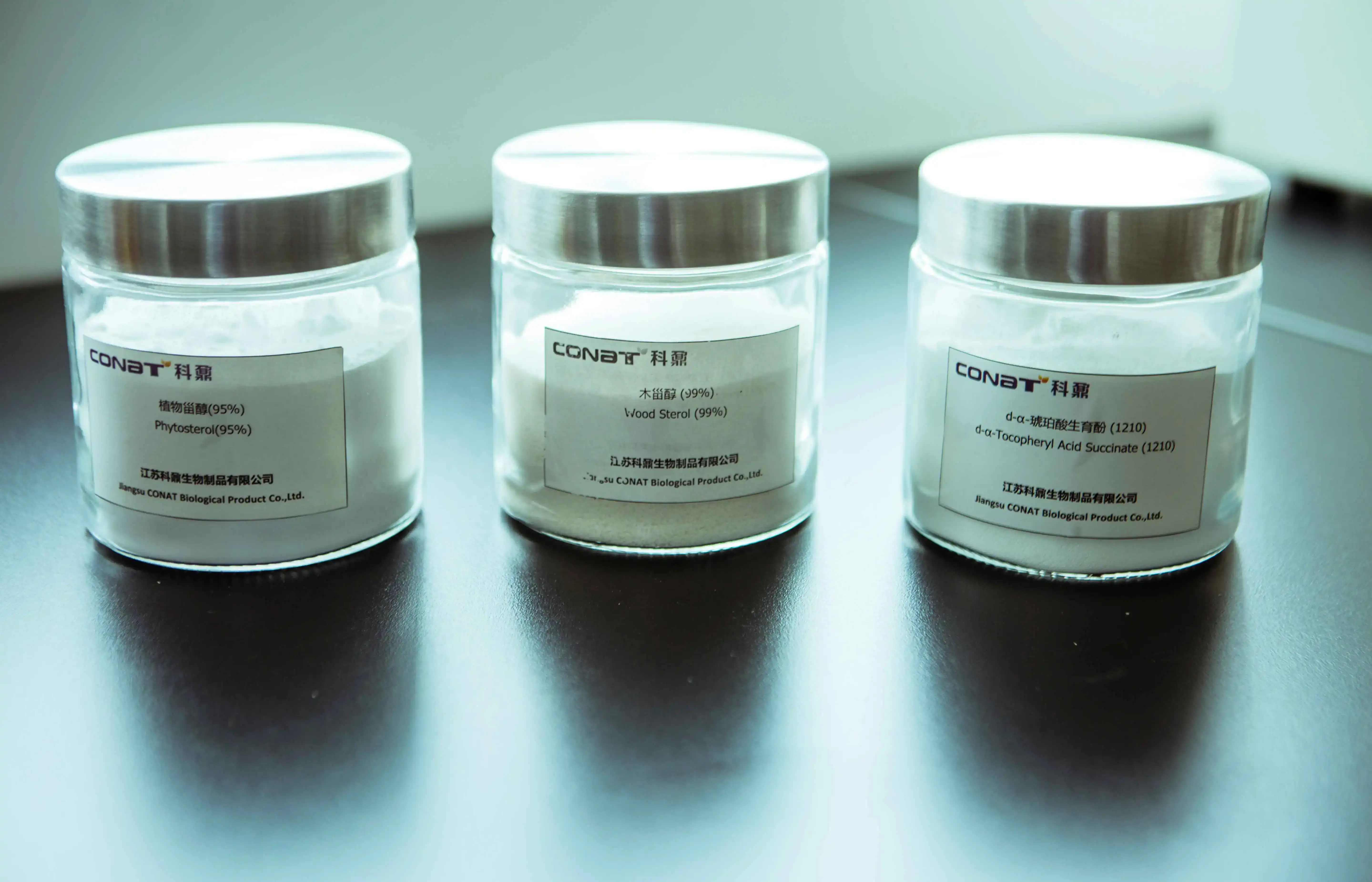
Recommended Dosage Guidelines for D-Alpha Tocopherol Acetate
Although the requirements of each individual are unique, the following are some general guidelines to follow when taking d-alpha tocopherol acetate:
Dosage for Periodic Maintenance
A daily dose of d-alpha-Tocopherol Acetate Food Grade that ranges from 100 to 400 international units (67 to 268 mg) is typically recommended for maintaining overall health. The majority of people are able to use this range without risk, and it can be beneficial to their overall health.
A dosage for the treatment
When treating a variety of health conditions, physicians may prescribe higher doses. On a daily basis, therapeutic doses could range anywhere from 400 to 1,600 international units (268 to 1,072 milligrams). In spite of this, it is essential to keep in mind that you should only take excessive doses under the supervision of a medical professional because they have the potential to interact with other medications or produce adverse effects.
The pinnacle of triumph
For individuals, the maximum amount of vitamin E that can be consumed in a single day is 1,000 milligrams (1,500 international units). It is possible that exceeding this limit will increase the likelihood that you will experience adverse effects, such as an increased risk of bleeding or a reduction in the ability of your blood to coagulate.
Possible Dosage Forms
You can obtain supplements containing D-alpha tocopherol acetate in a variety of various forms, including but not limited to:
- Gel-filled capsules with a velvety texture tablets that can be chewed Tablets that contain liquid
- The powders
In order to ensure that you are taking the correct dosage, it is essential to either consult a medical professional or follow the instructions that are printed on the supplement's packaging.
When it absorbs and how successfully it does so
Consuming d-alpha tocopherol acetate tablets in conjunction with a meal that has a certain amount of fat is the most effective method for maximizing their effectiveness. This is due to the fact that vitamin E is a chemical that dissolves in fat, and the practice of consuming fats makes it simpler for the body to absorb vitamin E.
Combined with Other Nutrients Combining
According to the findings of certain research, consuming vitamin E in conjunction with other antioxidants such as vitamin C and selenium may result in improved efficacy. However, before using more than one supplement at the same time, it is essential to consult with a medical professional.
It is of the utmost importance to select a d-alpha-Tocopherol Acetate Food Grade supplement that is of superior quality and produced by a reputable business. In order to get the most out of your supplements, you should opt for ones that have been tested by an independent organization to ensure that they are both pure and powerful.
It is important to keep in mind that although taking d-alpha tocopherol acetate can be beneficial, it should not be used in place of a healthy diet and lifestyle approach. Consuming a variety of foods that are rich in vitamin E, in conjunction with taking the appropriate supplements, might assist you in obtaining the appropriate quantity of this beneficial mineral.
In conclusion, the recommended dosage of d-alpha tocopherol acetate in dietary supplements varies depending on individual factors such as age, gender, health status, and lifestyle. Most individuals should take 100 to 400 IU of vitamin D per day as a maintenance dose, but it's important to go to a doctor to find out what dose is best for you. You can use d-alpha tocopherol acetate to improve your health and well-being by knowing what affects your vitamin E needs and following the right dosage instructions.
FAQs
1. What's the difference between d-alpha tocopherol acetate and other forms of vitamin E?
D-alpha tocopherol acetate is a naturally derived form of vitamin E that is more bioavailable than synthetic versions. It offers superior antioxidant properties and is the preferred choice for many health-conscious individuals and supplement manufacturers.
2. Can I take d-alpha tocopherol acetate with other medications?
While generally safe, d-alpha tocopherol acetate can interact with certain medications, including blood thinners and cholesterol-lowering drugs. Always consult with your healthcare provider before starting any new supplement regimen.
3. How long does it take to see the benefits of d-alpha tocopherol acetate supplementation?
The timeframe for experiencing benefits can vary depending on individual factors and the specific health concerns being addressed. Some people may notice improvements in skin health or energy levels within a few weeks, while other benefits may take longer to manifest. Consistent supplementation and a healthy lifestyle are key to maximizing the potential benefits.
Premium D-Alpha Tocopherol Acetate Food Grade | CONAT
Looking for high-quality d-alpha tocopherol acetate for your dietary supplements or food products? Look no further than Jiangsu CONAT Biological Products Co., Ltd. As a leading manufacturer and supplier of natural vitamin E products, we offer premium d-alpha-Tocopherol Acetate Food Grade that meets the highest standards of purity and efficacy. Our state-of-the-art facilities and rigorous quality control processes ensure that you receive nothing but the best for your formulations. Whether you're a supplement manufacturer, food producer, or health product developer, we have the expertise and products to meet your needs. Don't compromise on quality – choose CONAT for your d-alpha tocopherol acetate requirements. Contact us today at sales@conat.cn to discuss your specific needs and discover how we can support your business with our exceptional products and service.
References
1. Institute of Medicine. "Dietary Reference Intakes for Vitamin C, Vitamin E, Selenium, and Carotenoids." National Academies Press, 2000.
2. Rizvi, S., et al. "The Role of Vitamin E in Human Health and Some Diseases." Sultan Qaboos University Medical Journal, vol. 14, no. 2, 2014, pp. e157-e165.
3. Traber, M.G. "Vitamin E Regulatory Mechanisms." Annual Review of Nutrition, vol. 27, 2007, pp. 347-362.
4. Jiang, Q. "Natural Forms of Vitamin E: Metabolism, Antioxidant, and Anti-inflammatory Activities and Their Role in Disease Prevention and Therapy." Free Radical Biology and Medicine, vol. 72, 2014, pp. 76-90.
YOU MAY LIKE