
Shelf Life and Storage Tips for Natural Vitamin E Powder Used in Animal Feed
To keep its strength and usefulness throughout its shelf life, Natural Vitamin E Powder for Feed needs to be stored with care. If you store vitamin E powder properly, its protective qualities will last for 24 to 36 months. If you don't, they will lose their effectiveness within months. By knowing these important storage factors, companies that make animal feed can keep the quality of their products high, improve the health of their animals, and protect the money they spend on good nutritional ingredients for better feed recipes.
Understanding the Shelf Life of Natural Vitamin E Powder for Animal Feed
Vitamin E powder has a long shelf life as long as it stays chemically stable and doesn't break down when exposed to oxygen. When kept properly, natural d-alpha-tocopherol powder usually stays effective for 24 to 36 months. This is a lot longer than synthetic options, which may lose their effectiveness more quickly in high-stress situations. Natural vitamin E is about twice as bioavailable as manmade vitamin E, according to the FDA. This makes it even more important to store it properly to keep these health benefits.
Chemical Stability and Degradation Factors
Environmental stresses speed up the breakdown of vitamin E by breaking down tocopherol molecules through oxidation. Temperature changes above 77°F (25°C) can weaken the substance by 15 to 20 percent per year, and being exposed to moisture levels higher than 8 percent relative humidity makes it break down quickly. Oxygen is the main thing that can damage vitamin E. In normal conditions, powder that isn't covered can lose up to half of its protective power in just six months.
Vitamin E powder meets high stability standards during the making and packaging processes because it has quality certifications from ISO 9001 and GMP-compliant facilities. For these certificates, stability testing has to be done on a regular basis. This checks that the shelf life claims are true and makes sure that the amounts of potency stay the same so that animal nutritionists can plan their formulations correctly.
Impact of Expired Vitamin E on Animal Health
Animals with degraded vitamin E powder have weaker immune systems, which makes them more likely to get oxidative stress and lowers the efficiency of feed conversion. Researchers have found that animals that get old or damaged vitamin E have slower muscle growth, less success reproducing, and a higher death rate than animals that get new, properly kept supplements. Feed companies that use vitamin E that has been tampered with risk big financial losses because their animals won't do as well and they might have trouble following the rules.
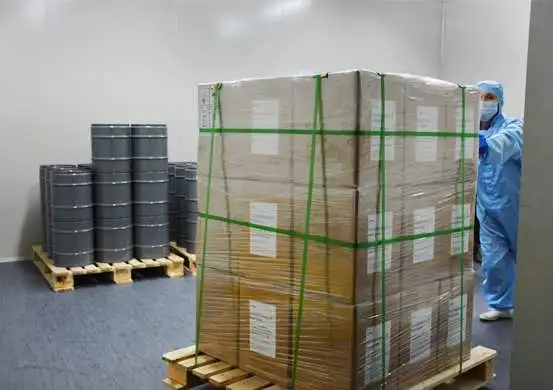
Key Factors Affecting the Stability and Storage of Natural Vitamin E Powder
Managing vitamin E storage well starts with keeping the environment under control. Maintaining a stable temperature between 59°F and 77°F (15°C to 25°C) and keeping the relative humidity below 60% stops molecules in Natural Vitamin E Powder for Feed from absorbing water, which speeds up breakdown processes. Photodegradation, which can lower vitamin E's effectiveness by 30% or more over long periods of time, can't happen when dark packing materials block light.
Optimal Storage Conditions
To handle temperatures, they need to be constantly checked and kept at a level that stops them from rotating. Temperature spikes can make oxidation rates go up by a factor of ten, so warehouses that store vitamin E powder should keep the temperature below 77°F with little change. Humidity control systems must keep levels below 60% relative humidity to keep products from sticking and breaking down chemically, which lowers the quality of the product.
By blocking oxygen with nitrogen cleaning or vacuum packing, you can create an inert atmosphere that makes food last a lot longer. The materials used for packaging must act as a barrier against air leaking through. Containers lined with metal are better at this than regular plastic packing. These safety steps can make food last 12 to 18 months longer than it would with normal packaging.
Advanced Packaging Solutions
Desiccant systems and oxygen absorbers are part of modern packing technologies that take moisture and oxygen out of sealed cases. Multi-layer barrier films stop the flow of gases while still being flexible enough to be used for moving and handling. When you think about how much money large-scale feed operations could lose because vitamin E powder breaks down, these new packing options are a small investment.
When you fill with nitrogen during packing, you create an inert atmosphere that stops oxidative breakdown while the goods are being stored and shipped. By lowering the oxygen level to below 2%, this process makes conditions that keep vitamin E stable for a long time. Professional packing facilities that can flush with nitrogen show that they care about the quality of their products and making sure their customers are happy.
Best Practices for Storing Natural Vitamin E Powder in Feed Manufacturing & Distribution
The layout of the warehouse needs to be able to handle the unique storage needs of vitamin E powder while also making it easy to keep track of supplies and check for quality. When air systems are set up correctly, they keep the environment stable and stop pollution from outside sources. Putting storage areas away from heat sources, strong sunlight, and places with a lot of foot traffic is a smart way to keep them from being damaged.
Inventory Management Strategies
Using first-expiration-first-out (FEFO) rotation methods makes sure that older stock is used up first, before it goes bad. Digital systems for keeping track of inventory can handle rotation plans and send alerts when items are about to go bad. These management techniques keep the quality of the product uniform throughout the supply chain and stop waste.
Samples are taken regularly and tested in the lab to make sure that storage is working properly and to find any quality problems before they affect production plans. Potency testing, moisture content testing, and rust marker testing should all be part of the testing procedure. The information from these tests helps with making decisions about what to keep in stock and how to best store things based on how they actually work instead of following general rules.
Quality Control Monitoring
Setting up regular review times lets you find storage problems like changes in temperature, damaged packing, or environmental contamination early on. Visual checks can show signs of decline, such as clumping, color changes, or the growth of smells. Keeping records of these checks makes people responsible and helps quality control systems that government agencies require.
Lab tests give us precise information about how much Natural Vitamin E Powder for Feed is effective and how stable it is over time. High-performance liquid chromatography (HPLC) testing correctly finds the amount of tocopherol in a substance and finds degradation products that show bad keeping. To make sure that formulation estimates are correct, testing should be done at regular times that match production plans.
Comparing Natural Vitamin E Powder Shelf Life and Stability with Synthetic Variants
When it comes to chemical stability, natural vitamin E is better than synthetic options, especially when stored in difficult circumstances. D-alpha-tocopherol's chemical structure makes it more resistant to oxidative stress, so it stays active longer than manufactured dl-alpha-tocopherol when stored in the same way. This edge in steadiness means less waste, more accurate formulation, and better health results for animals.
Bioavailability and Absorption Differences
According to research, natural vitamin E is about twice as bioavailable as manufactured vitamin E. This means that smaller amounts have the same health effects. During storage, this bioavailability benefit stays the same, with natural forms keeping their absorption properties better than synthetic options. Studies on animals show that pure vitamin E is better at staying in tissues and being used, even after being stored for a long time.
Natural vitamin E is better at being absorbed, which leads to more stable health benefits for animals and better feed conversion efficiency. Animals that get natural vitamin E have stronger immune systems, better sexual health, and a better ability to handle stress than animals that get manufactured vitamin E. For feed makers who care about quality, these performance benefits make the higher price of pure vitamin E worth it.
Cost-Benefit Analysis
Even though pure vitamin E costs more at first, feed makers often get more value for their money because it lasts longer and works better. A good return on investment is caused by things like less waste from degradation, lower inclusion rates because the material is more bioavailable, and better animal performance. The stable benefits of natural vitamin E powder are especially helpful for large-scale activities.
Good sources of natural vitamin E offer full technical help and stability promises that lower the risks of buying. These agreements give people useful tools for improving storage methods and fixing problems with quality. Suppliers that have been around for a while keep quality standards and records that are reliable and meet legal requirements.
How to Choose and Source High-Quality Natural Vitamin E Powder for Animal Feed?
To find trusted suppliers of Natural Vitamin E Powder for Feed, you need to look at their production skills, quality certifications, and expert support services. GMP certification makes sure that good manufacturing practices are followed, and ISO certification shows that a company is dedicated to quality management systems. Approvals for organic and feed-grade use show that the product is suitable for certain uses and meets government standards.
Supplier Evaluation Criteria
During supplier checks, factories, quality control methods, and store space should all be looked at along the supply chain. Stability testing records, analysis procedures, and tracking systems show that professional work is being done. Long-term relationships with well-known providers offer consistency and technical help that makes operations run more smoothly.
Clear pricing and frameworks for bulk discounts help with budget planning and getting the best deals on goods. Cost stability and supply security can be achieved by understanding how prices change in the market and signing long-term contracts. Reliable providers offer flexible price plans that work with production dates and strategies for keeping track of inventory.
Quality Assurance and Traceability
Product traceability from where the raw materials come from to where they are packaged at the end makes sure that everyone is responsible and helps with quality investigations when problems happen. Throughout the supply chain, documentation tools should keep track of the times of manufacture, lot numbers, and storage conditions. This level of tracking is necessary to follow the rules and give customers faith in feed safety programs.
Authentication testing makes sure that a product is who it says it is and that it is pure. It also looks for signs of adulteration or replacement. Modern analysis techniques can tell the difference between natural and artificial vitamin E and find impurities that make the vitamin less stable or unsafe. Working with providers who provide full authentication paperwork lowers quality risks and helps your brand stand out in the market.
Conclusion
If you store and handle Natural Vitamin E Powder for Feed the right way, it will last as long as possible and keep its potency, which is important for animal feeding plans that work. By knowing the most important factors that affect stability, feed makers can improve how they store their products and get the most out of their investments. In the competitive animal nutrition business, long-term relationships that work need suppliers with the technical know-how and consistent products that quality suppliers provide.
FAQ
1. How long does Natural Vitamin E Powder for Feed maintain its potency under proper storage conditions?
Natural vitamin E powder of good quality usually stays 95% effective for 24 to 36 months if kept at temperatures below 77°F, humidity levels below 60%, and away from light and air.
2. What are the best packaging materials for preserving vitamin E stability?
Containers sealed with aluminum and flushed with nitrogen offer the best protection against air and moisture. Multi-layer barrier films with desiccant systems are very stable and can be used for mass storing.
3. Can improperly stored vitamin E powder pose safety risks to animals?
Vitamin E that has been broken down is usually safe, but it doesn't have as many health benefits or antioxidant defenses. Animals that get weakened vitamin E may have weaker immune systems and perform worse, but there aren't any immediate safety issues.
4. What temperature range is best for storing vitamin E powder?
Keep the temperature of the holding area between 59°F and 77°F (15°C and 25°C) with little change. Temperatures above 85°F speed up the breakdown process and should be avoided for long amounts of time.
5. How can feed manufacturers verify vitamin E potency during storage?
Accurate measurements of strength can be made by testing with HPLC every 6 to 12 months. If you look for clumping, color changes, or strange smells, that could mean that the product is breaking down between formal testing times.
Partner with CONAT for Premium Natural Vitamin E Powder for Feed Solutions
You can trust CONAT Bio to make natural vitamin E powder for feed. They use cutting edge processing technology and strict quality controls to make sure their ingredients are the best for animals. Our specialized production sites keep strict environmental controls in place during the entire process of making and packaging your recipes. This gives them the most stability and the longest shelf life possible. With a wide range of certifications, such as GMP, ISO, and feed-grade approvals, we give you the quality assurance and expert help you need to be successful in animal nutrition. Get in touch with our team at sales@conat.cn to talk about your needs and find out how our quality vitamin E powder options can improve the way you make feed.
References
1. McDowell, L.R., Williams, S.N., Hidiroglou, N., Njeru, C.A., Hill, G.M., Ochoa, L. and Wilkinson, N.S. (1996). "Vitamin E supplementation for the ruminant." Animal Feed Science and Technology, 60(3-4), 273-296.
2. National Research Council. (2001). "Nutrient Requirements of Dairy Cattle: Seventh Revised Edition." The National Academies Press, Washington, DC.
3. Surai, P.F. (2002). "Natural Antioxidants in Avian Nutrition and Reproduction." Nottingham University Press, Nottingham, UK.
4. Weiss, W.P. (1998). "Requirements of fat-soluble vitamins for dairy cows: A review." Journal of Dairy Science, 81(9), 2493-2501.
5. Yang, A., Lanari, M.C., Brewster, M. and Tume, R.K. (2002). "Lipid stability and meat colour of beef from pasture- and grain-fed cattle with or without vitamin E supplement." Meat Science, 60(1), 41-50.
6. Zinpro Corporation. (2019). "Vitamin E Stability in Animal Feed: Storage and Handling Guidelines." Technical Bulletin Series, Minneapolis, MN.
YOU MAY LIKE