
Tall Oil Fatty Acid Applications in Resins and Coatings
Tall oil fatty acid is a new bio-based answer that is changing the resins and paints business through environmentally friendly chemistry. This flexible fatty acid comes from natural pine resources and improves the stability of coatings, the flexibility of resins, and the adhesion qualities of materials while also helping to protect the environment. More and more, industrial makers depend on TOFA to improve the performance of formulations, lower production costs, and meet strict regulatory requirements in protective and artistic coating uses.
Understanding Tall Oil Fatty Acid and Its Core Properties
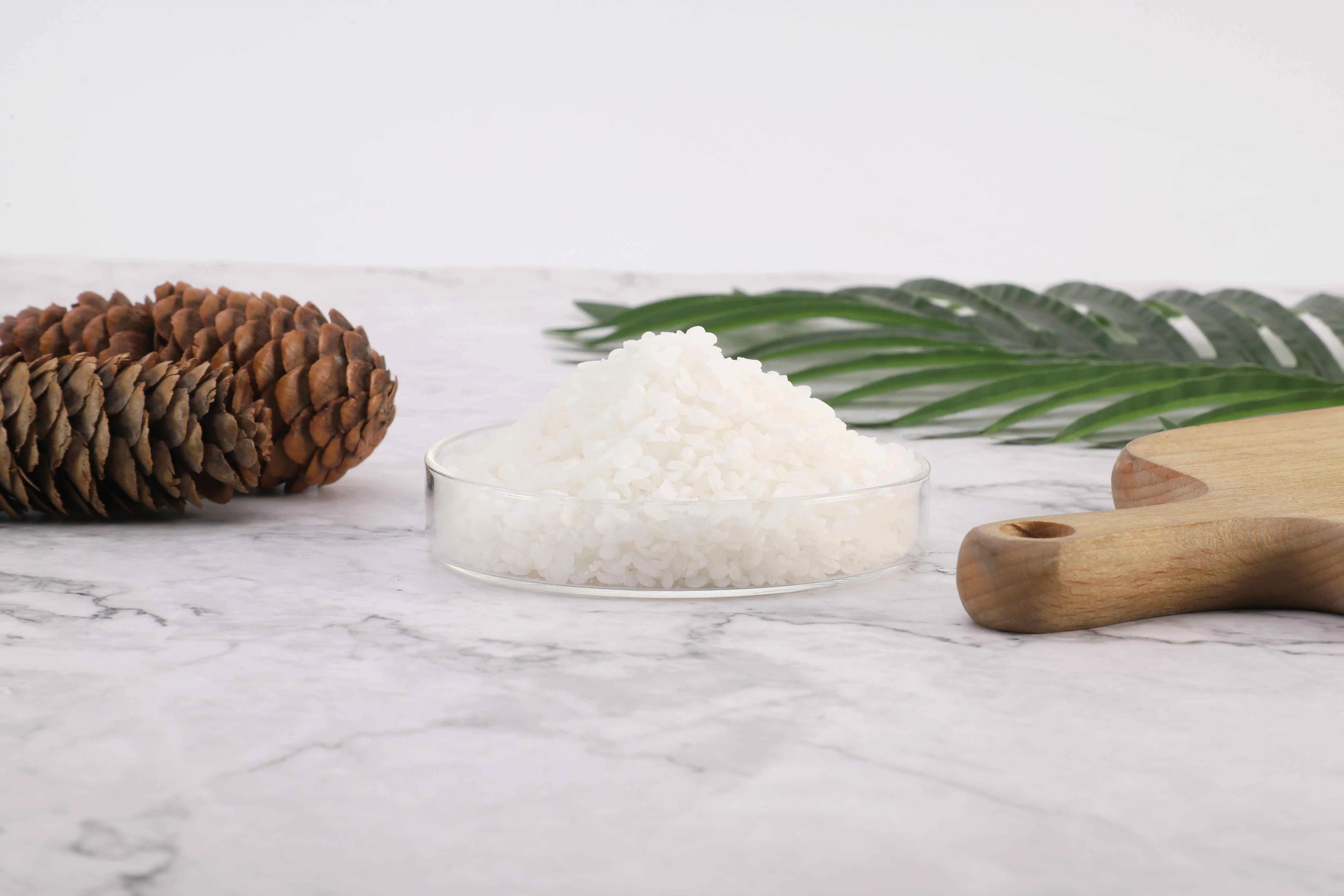
To get tall oil fatty acid from crude tall oil, complex fractional distillation methods are used to concentrate the oleic and linoleic acid content while lowering the rosin content to 1% to 10%. This resource can be used over and over again. It comes from processing pine wood in pulp and paper factories, where tall oil soap collection and acidulation make the basic raw material.
Chemical Composition and Characteristics
The chemical makeup of TOFA changes a lot depending on the type of wood used and how it is processed. Materials made from pine usually have acid numbers between 160 and 165, while materials made from a mix of softwood and hardwood have acid numbers between 125 and 135. This difference has a direct effect on how well the coating works and what kinds of applications it can be used for.
The main parts are oleic acid (40–60%), linoleic acid (20–30%), and palmitic acid (5–15%). There are also small amounts of unsaponifiable sterols and alkyl hydrocarbon products. When these fatty acid mixtures come together, they make molecular qualities that make resin bonding and coating film formation better.
Physical Properties Impacting Performance
Viscosity properties allow for great flow properties during application and keep the structure's integrity after hardening. The amounts of unsaturation in TOFA molecules make crosslinking processes easier, which makes coatings last longer and be more resistant to weather. Acid value readings show how good something is by showing how well it works with different resin systems and hardening processes.
Applications of Tall Oil Fatty Acid in Resins and Coatings
TOFA is very flexible when it comes to protective and decorative coating formulas, as shown by industrial uses. The bio-based fatty acid improves the qualities of the resin by integrating molecules in a way that makes it more flexible, strong at sticking to things, and resistant to water than options made from petroleum.
Resin Enhancement Applications
Adding TOFA to alkyd resins makes better film-forming qualities that make coatings last longer while still looking good. The fatty acid chains make the material more flexible, which makes it less likely to break when the temperature changes. TOFA's ability to boost chemical protection and mechanical strength is good for polyamide resin formulas.
When tall oil fatty acid is added to epoxy resin, it makes it more flexible without lowering its strength or longevity. This balance is especially useful for industrial maintenance coatings that have to work well in harsh conditions with a lot of mechanical stress and chemical contact.
Coating Performance Optimization
Protective coatings use TOFA's ability to prevent corrosion to protect substrates for longer periods of time in naval and industrial settings. The hydrophobic properties of the fatty acid make good moisture walls while still letting the substrate breathe through controlled permeability.
To get better gloss retention and color stability under UV exposure, decorative paint formulas use TOFA. Pine-derived fatty acids naturally bond with cellulose substrates, making long-lasting, protected films that improve the look of wood grain. This is especially helpful for wood finishing uses.
Production Process and Quality Control of Tall Oil Fatty Acid
To make high-quality products, you start by refining crude tall oil in several steps that are meant to get exact fatty acid profiles. Controlling the temperature and creating a vacuum improve the efficiency of separation while protecting the molecular structure that is necessary for the covering to work.
Refining and Purification Methods
The atmosphere inside fractional distillation columns is controlled so that rosin acids can be separated from fatty acid components. For making tall oil rosin, the first distillation lowers the rosin content to 10–35%. Further processing brings the rosin level down to 1–10%, which is typical of high-quality TOFA.
Gas chromatography analysis is used in quality control methods to check the composition of fatty acids and find impurity amounts that could affect how well the coating works. Acid value measurement lets you check in real time how consistent your product is across production runs.
Analytical Testing and Certification
To make sure that specifications are met, thorough testing routines check the amounts of unsaponifiable matter, moisture content, and color stability. These analytical methods ensure stable product quality, which is important for industrial coating uses where buyers want to know how the coating will work before they buy it.
International approval standards, such as ISO 9001 and environmental management guidelines, ensure that sustainable and high-quality production methods are used. Documentation packages help make sure that regulations are followed in all global markets and make the buying process run smoothly.
Procurement Guide for Tall Oil Fatty Acid: How to Choose and Buy?
When you do strategic sourcing, you have to carefully look at the skills of the supplier, the product specs, and the logistical issues that affect the total cost of ownership. A good buying process strikes a balance between the need for quality and the need to save money, all while making sure that the supply chain works reliably.
Supplier Selection Criteria
The production capacity review checks to see if the provider can meet the volume needs while keeping quality standards high. Where you live affects both the cost of transportation and the reliability of delivery, especially for large packages that need special tools to handle them.
Sustainability licenses back up claims about environmentally friendly business practices and green resource use that help companies meet their social responsibility goals. Technical support allows formulation help and troubleshooting services that add value to the product beyond the sale of raw materials.
Quality Assessment Parameters
To make sure that tall oil fatty acid standards work with the coatings that are being used, acid value ranges, fatty acid patterns, and impurity levels must be carefully looked at. Measurements of color show how stable an item is against rust and how long it will last, which affects how inventory is managed.
Minimum order amounts and the types of packaging you can choose from affect your ability to buy things and your need for operating capital. Being able to store a lot of items at once and coordinate arrival times makes the supply chain work better while keeping handling costs low.
Documentation and Compliance Requirements
International shipping rules say that fatty acids must be properly classified and accompanied by the right paperwork. Material safety data sheets tell you how to handle things safely, and proof of analysis papers make sure that each shipment meets quality standards.
Different countries have different rules about what paperwork and licenses are needed for customs and imports, so you need to plan ahead to avoid delays. When a supplier has experience with foreign trade, it makes deals go more smoothly and makes administration easier.
Case Studies and Future Trends in TOFA Usage for Resins and Coatings
TOFA's proven performance across a wide range of coating problems is shown by real-world uses, which also reveal new ways to expand its use. Market trends show that usage is growing, which is being driven by goals to be more environmentally friendly and improve efficiency.
Industrial Success Stories
Manufacturers of automotive coatings say that adding TOFA to paint mixtures makes them more scratch-resistant and weatherproof. The bio-based fatty acid makes it easier for things to stick to metal surfaces and protects against rust, which makes the car last longer.
Marine coating uses show how well TOFA works in tough saltwater conditions where other chemicals made from gasoline break down. Sustainable boating practices are supported by yacht makers who value the mix of durability and environmental friendliness.
Emerging Market Opportunities
As regulations push for green materials over petroleum products, bio-based resin technologies keep growing. By marketing tall oil fatty acid as a sustainable option, sellers can get a bigger part of the market in businesses that care about the environment.
New developments in liquid coating formulas open up new uses for TOFA's ability to emulsify and its low volatile organic compound content. These changes support rules about air quality while keeping performance standards for coatings.
Conclusion
Using tall oil fatty acids in resins and coatings is a great way to improve performance and be environmentally friendly at the same time. The bio-based fatty acid makes coatings last longer, stick better, and be more resistant to weather while also helping to meet green goals by coming from reusable sources. The cost-effectiveness and dependability of TOFA's supply chain help procurement pros make the best formulations that meet strict industry requirements. As rules continue to favor bio-based materials and performance standards for coatings keep rising, TOFA is seen as an important part of future coating development projects.
FAQ
1. What makes tall oil fatty acids suitable for coating applications?
TOFA has great qualities for making films, being more flexible, and sticking to surfaces better, all of which improve the performance of coatings. The chemical structure of the fatty acid makes bonding with different resin systems possible, which also makes the material last longer and be more resistant to weather.
2. How does TOFA quality vary between suppliers?
Quality differences mostly have to do with the types of fatty acids, the stability of the acid value, and the amounts of impurities. Suppliers with a good reputation follow strict quality control rules and give thorough analytical data to make sure that the products meet standards and are consistent from batch to batch.
3. What sustainability benefits does TOFA offer?
Tall oil fatty acid comes from natural wood resources and waste products from the pulp industry, which makes the world less reliant on materials made from oil. Because it is bio-based, it helps lower carbon emissions while still meeting performance standards for coatings.
Partner with CONAT for Premium Tall Oil Fatty Acid Solutions
CONAT has decades of experience working with bio-based chemicals and advanced production skills to make high-quality tall oil fatty acid products for tough finishing jobs. We have specialized production sites that meet strict quality standards and offer a range of volume choices to meet the needs of all buyers. Technical support services help with formulating and optimizing applications, so that every package gets the most value possible.
We know how important it is for industrial coating processes to have reliable supply lines. Our complete quality control systems and knowledge of foreign shipping make the buying process go smoothly and keep products consistent across all markets. Please email our knowledgeable staff at sales@conat.cn to talk about your unique TOFA needs and find out how our services as a tall oil fatty acid provider can improve your coating formulations.
References
1. Johnson, M.R., and Peterson, K.L. "Bio-Based Fatty Acids in Industrial Coating Formulations." Journal of Coating Technology and Research, 2023.
2. Anderson, S.P. "Sustainable Resin Technologies: Tall Oil Derivatives in Modern Applications." Industrial Chemistry Review, 2022.
3. Chen, H., and Williams, D.A. "Performance Optimization of Renewable Fatty Acids in Protective Coatings." Coating Science International, 2023.
4. Thompson, R.J. "Procurement Strategies for Bio-Based Chemical Raw Materials." Chemical Purchasing Quarterly, 2022.
5. Martinez, L.C., and Brown, P.K. "Environmental Impact Assessment of Pine-Derived Industrial Chemicals." Green Chemistry Today, 2023.
6. Davis, A.M. "Quality Control Methods for Tall Oil Fatty Acid Production and Application." Analytical Chemistry in Industry, 2022.
YOU MAY LIKE