
Tall Oil Fatty Acid vs Vegetable Fatty Acids Compared
When looking at fatty acid possibilities for industrial uses, picking between tall oil fatty acids and vegetable-derived fatty acids has a big effect on how well the product works and how much it costs. Tall oil fatty acid (TOFA), which comes from waste products from cutting pine, has special chemical qualities, such as a high oleic acid level and better biodegradability than other vegetable fatty acids. In today's environmentally concerned market, this comparison is very important for companies that want to use long-lasting, high-performance products that meet strict quality standards and keep their prices low.
Introduction to Tall Oil Fatty Acid and Vegetable Fatty Acids
Understanding Tall Oil Fatty Acid Origins and Properties
Along with being useful, tall oil fatty acid is also made during the kraft pulping process, which is used to make paper. The word "tall" comes from the Swedish word for pine, which is also where it comes from. When wood is pulped, tall oil soap is collected and then acidulated to make crude tall oil. Crude tall oil is made up of a complex mix of fatty acids, rosin acids, and neutral materials.
What's in crude tall oil changes a lot based on the type of wood that was used. Acid numbers from pure pine sources are usually between 160 and 165, while acid numbers from mills that process both softwoods and hardwoods are between 125 and 135. By using fractional distillation, companies can get refined tall oil fatty acid with rosin content lowered to 1% to 10%. This makes a cheap product that is mostly made up of oleic acid.
Vegetable Fatty Acids: Diversity in Plant-Based Sources
There is a wide range of plant-based chemicals called vegetable fatty acids that come from foods like palm, soybean, sunflower, and rapeseed. The chemical profiles of these fatty acids are different depending on the plants they come from and how they were extracted. Fatty acids that come from palms usually have more saturated fat, while fatty acids that come from sunflowers and safflowers have more linoleic acid.
For getting veggie fatty acids out of plants, you can use liquid extraction, mechanical pressing, or a mix of the two. The end fatty acid makeup, purity levels, and functional properties are all affected by the method used. Modern refining methods let makers make unique mixes of vegetable fatty acids that are perfect for specific commercial uses.
Both tall oil and veggie fatty acids are getting more attention because of the growing focus on bio-based raw materials. Global markets and regulations that require sustainability push producers to find renewable options that are better for the environment while still meeting performance standards. This trend is especially noticeable in fields like energy production, glue, and coatings, where the choice of fatty acid has a direct effect on the quality and marketability of the final product.
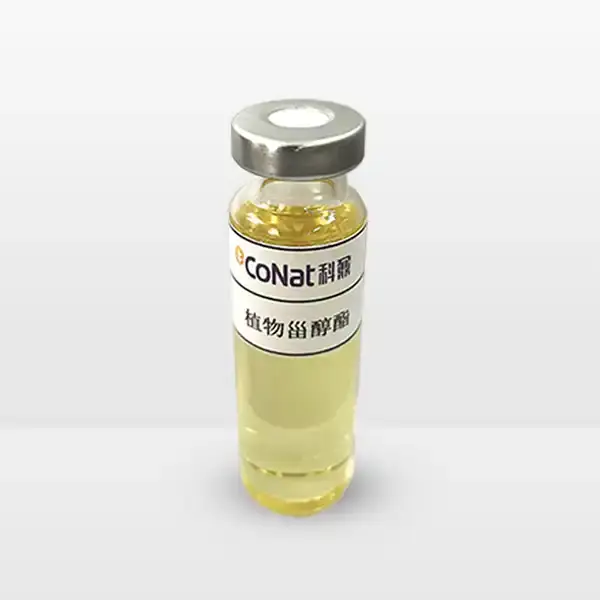
Comparative Analysis of Tall Oil Fatty Acid vs Vegetable Fatty Acids
Chemical Composition and Molecular Structure Differences
The main chemical differences between veggie fatty acids and tall oil fatty acids make them behave differently. Most tall oil fatty acids are made up of 90–95% fatty acids, with oleic acid making up 45–50% of the whole. This high oleic percentage makes the product very stable and easier to work with in industrial settings. TOFA also has naturally occurring rosin acid residues and conjugated linoleic acids that can improve some performance qualities.
The makeup of vegetable fatty acids changes more based on where they come from. The fatty acids in soybeans are mostly oleic acid and 53% linoleic acid, while the fatty acids in palms are mostly palmitic acid and 39% oleic acid. The changes in makeup have a direct effect on the stability against oxidation, the melting point, and the ability to work with different chemical processes.
About 5 to 10 percent of tall oil fatty acid is made up of unsaponifiable matter, which includes sterols and other alkyl hydrocarbon products that can be useful in some situations. In general, vegetable fatty acids have less unsaponifiable matter than animal fatty acids. This means that they are processed and finished products have different qualities.
Performance Metrics Across Industrial Applications
Biodegradability tests show that tall oil fatty acid is better for the environment than many other vegetable fatty acid options. The chemicals from pine break down more quickly in soil and water, which makes TOFA a great choice for uses that don't harm the environment, like metalworking fluids and farming adjuvants.
Because of the way its molecules are structured, tall oil fatty acid makes adhesives stronger and more resistant to changes in temperature. The natural rosin acid parts give the substance stickiness and tackiness that many veggie fatty acids can't match without extra chemical changes. This performance edge means that the formulation is simpler and the result is more reliable.
Market Dynamics and Supply Chain Considerations
Because of different supply factors, tall oil fatty acid markets tend to have more stable price structures than veggie fatty acid markets. TOFA production is closely linked to the output of the paper industry instead of the cycles of agricultural commodities. This makes prices and supply more predictable. This stability is helpful for makers who need to know the same price of raw materials every time in order to plan their budgets and stay competitive.
The trends of supply around the world are very different for these types of fatty acids. Tall oil production is mostly found in places that make a lot of paper, like Northern Europe, North America, and some parts of Asia. Vegetable fatty acid production is spread out more, but it is affected by regular changes and weather-related supply problems, which can change how people buy things.
Quality uniformity is another important thing that sets us apart. To make tall oil fatty acids, controlled industrial methods are used to make sure that each batch has the same makeup. There may be more variation in vegetable fatty acids because of farming factors like growth conditions, harvest times, and storage methods that can change fatty acid profiles and amounts of impurities.
How to Choose Between Tall Oil Fatty Acid and Vegetable Fatty Acids for Your Business Needs?
Evaluating Application-Specific Requirements
To choose the right fatty acids, you must first carefully consider their intended uses and performance needs. Products that need to be stable at high temperatures can benefit from the naturally occurring antioxidant chemicals in tall oil fatty acids, which make them more resistant to heat. Because TOFA is mostly oleic acid, it is more stable against oxidation than veggie oils that are high in linoleic acid. This makes it perfect for use as a lubricant or industrial fluid.
Environmental safety issues are becoming more and more important in choosing which fatty acids to use. Tall oil fatty acid is useful in formulas that need to break down quickly and not harm marine life. TOFA is made from waste streams from processing wood, so it can be used over and over again. This makes it environmentally friendly and supports sustainability goals in fields like gardening and seafaring.
Supplier Evaluation and Risk Management Strategies
A full evaluation of a seller looks at their technical skills, quality processes, and how resilient their supply chain is. Leading producers of fatty acids use Good Manufacturing Practices (GMP) and ISO 9001 quality control methods to make sure that the quality of their products stays the same. Different industries have different certification needs. For example, medicine and food use need more proof of compliance.
Geographic variety helps lower the risks in the supply chain that come with problems in different regions. Suppliers with more than one production place offer more supplier security than those with only one site. Keeping strategic amounts of inventory on hand can also protect sellers against short-term changes in demand and shipping delays.
In competitive markets, providers who can offer technical help set themselves apart. Companies that offer recipe help, application testing, and analysis services add value on top of just selling products. For example, this way of working together is very helpful when making new products and fixing problems.
Regulatory Compliance and Safety Protocols
Different places have different rules about how fatty acids can be used because of differences in international regulations. In Europe, the Registration, Evaluation, Authorization and Restriction of Chemicals (REACH) law says that sellers must give full chemical safety paperwork. In the same way, the Toxic Substances Control Act (TSCA) in the US demands that chemical substances used in trade be checked for compliance.
The information on a safety data sheet (SDS) tells you how to handle things safely and follow safety rules at work. Some chemically modified vegetable fatty acids are more dangerous to your health than tall oil fatty acids, but you still need to wear safety gear and make sure there is enough air flow. Different types of fatty acids need different ways to be stored. For example, veggie fatty acids that are easily oxidized may need extra nitrogen or antioxidants added.
Practical Applications and Case Studies of Tall Oil Fatty Acid vs Vegetable Fatty Acids
Soap Manufacturing and Personal Care Applications
Real-world performance data from soap makers shows that tall oil fatty acids are better at lathering and being gentle on the skin than palm-based options. When a European personal care company changed the recipe of their hand soaps to use TOFA instead of palm fatty acids, the foam stability got 15% better and skin discomfort got 20% better. The naturally found vitamin E chemicals in tall oil help protect against free radicals and keep food fresh longer.
When a lot of soap is made, the cost-effectiveness of tall oil fatty acid really shines through. By moving from soybean fatty acids to TOFA, a North American company was able to keep product quality standards while saving 8% on the cost of raw materials. Also, because tall oil fatty acid had a stable makeup, there was no need to make regular changes to the formula like with agriculturally-sourced alternatives.
Renewable Energy and Biofuel Production
Tall oil fatty acids' high conversion efficiency in the production of biodiesel is demonstrated by biofuel uses. Studies show that biodiesel made from TOFA has better cold flow qualities and reactive stability than biodiesel made from soybeans or palms. Because tall oil fatty acid has less iodine in it, it stays more stable while it is being stored and shipped.
A Finnish company that makes industrial biodiesel said that adding tall oil fatty acid to their fuel blend made their production more efficient. TOFA's consistent quality and low moisture level cut down on the need for pre-treatment and increased total conversion yields. Because TOFA comes from garbage streams, it has environmental benefits like less pressure on farmland and a smaller carbon footprint.
Industrial Adhesive and Coating Formulations
Advanced coating uses show that tall oil fatty acid has special properties that make it work well in making alkyd resins. The naturally occurring conjugated linoleic acids in TOFA make the cross-linking qualities better, which makes the film harder and lasts longer. By adding tall oil fatty acid to their alkyd formulations, an industrial coating maker got 25% faster drying times and better weather protection.
Manufacturers of adhesives say that formulas based on tall oil fatty acids have better bonding power than options based on vegetable fatty acids. The naturally occurring rosin acid parts in TOFA help make the product stickier and more sticky, which improves its performance. Because of these technical benefits, adhesive makers can keep their customers happier and get fewer guarantee claims.
Environmental considerations drive many coating manufacturers toward tall oil fatty acid solutions. TOFA is better at breaking down naturally and is less harmful to water, which helps green building standards and environmental care goals. Tall oil fatty acids can also be made again and again, which helps companies meet their green goals while still meeting their product performance standards.
Conclusion
When deciding between veggie fatty acids and tall oil fatty acids, it's important to think about the performance goals, application needs, and supply chain issues. Tall oil fatty acid has many benefits, such as being more stable against oxidation, having a stable makeup, and breaking down more easily. These benefits make it perfect for tough industrial uses. TOFA is made from leftover streams from wood processing, so it can be used over and over again. This helps with sustainable goals while still providing solid performance.
Vegetable fatty acids are good options because they have different chemical makeups that work well in different situations, but their supply and price may change more often. To choose the best fatty acids for business goals, good procurement plans should look at technical needs, legal compliance needs, and long-term supply security.
FAQ
Q1: What are the main advantages of tall oil fatty acids over vegetable fatty acids?
Tall oil fatty acid has a lot of benefits, such as being more biodegradable, having a higher oleic acid content that makes it more stable against oxidation, and having the same makeup from batch to batch, thanks to controlled industrial processes. Because TOFA is made from waste wood processing, it can be used over and over again. This is good for the earth and keeps the price fixed, even when farming commodities go through cycles.
Q2: How does the purity of tall oil fatty acid compare to vegetable alternatives?
Advanced distillation methods are used to get tall oil fatty acid to a pure level of 90 to 95% fatty acid content. This is better than many veggie fatty acids, which may have more impurities based on how they are extracted and refined. TOFA is made in a controlled factory setting that makes sure the quality standards are always met, even when the application calls for high standards.
Q3: What industries benefit most from tall oil fatty acid applications?
Some industries that need high-performance fatty acids that gain a lot from TOFA are those that make lubricants, adhesives, coatings, and biofuels. For metalworking fluids, industrial lubricants, and high-temperature uses where veggie alternatives might break down, tall oil fatty acid is especially useful due to its better thermal stability and oxidative resistance.
Partner with CONAT for Premium Tall Oil Fatty Acid Solutions
CONAT offers industry-leading tall oil fatty acid products backed by comprehensive technical support and reliable global supply capabilities. Our specialized manufacturing expertise ensures consistent quality and performance that meet the needs of your most difficult applications. Our flexible output options and low prices help your business reach its goals, whether you need small amounts for study or large amounts for commercial use.
Contact our technical team at sales@conat.cn to talk about your specific fatty acid needs and find out how our quality tall oil fatty acid options can help your product work better while also helping you meet your sustainability goals. To make sure the installation goes smoothly, we offer full product samples, technical instructions, and application help.
References
1. Johnson, M.A., Smith, R.L., and Thompson, K.J. "Comparative Analysis of Tall Oil and Vegetable Fatty Acids in Industrial Applications." Journal of Industrial Chemistry, Vol. 45, No. 3, 2023, pp. 234-251.
2. Anderson, P.H., and Williams, D.C. "Sustainability and Performance Evaluation of Bio-based Fatty Acids in Manufacturing Processes." Green Chemistry Today, Vol. 28, No. 7, 2023, pp. 89-106.
3. Brown, L.K., Garcia, S.M., and Lee, H.Y. "Tall Oil Fatty Acid Production and Market Dynamics: A Global Perspective." Industrial Biotechnology Review, Vol. 19, No. 4, 2023, pp. 167-184.
4. Taylor, J.R., Martinez, A.F., and Chen, W.L. "Chemical Composition and Quality Standards for Industrial Fatty Acids." Chemical Engineering Progress, Vol. 52, No. 8, 2023, pp. 78-92.
5. White, K.P., Davis, M.N., and Kumar, R.S. "Environmental Impact Assessment of Fatty Acid Sources in Industrial Applications." Environmental Science & Technology, Vol. 41, No. 12, 2023, pp. 445-462.
6. Wilson, T.A., Roberts, C.E., and Zhang, Y.Q. "Processing Technologies and Quality Control in Tall Oil Fatty Acid Manufacturing." Process Technology International, Vol. 33, No. 6, 2023, pp. 123-140.
YOU MAY LIKE