
Tocopherol Acetate Antioxidant Effects in Pharmaceuticals and Cosmetics
The antioxidant tocopherol acetate is one of the best choices for medicine and skincare products because it keeps things stable and fresh for a long time. This steady form of vitamin E keeps active ingredients from breaking down due to oxidation and greatly increases the shelf life of the product. The d-alpha-Tocopherol Acetate Food Grade version is more bioavailable and effective, which makes it an important ingredient for formulators who want to make sure their goods have solid antioxidant protection.
Introduction
Tocopherol Acetate is a steady type of Vitamin E that is very important in makeup and medicines because it is a strong antioxidant that makes the products last longer and work better. Procurement managers, engineers, dealers, and original equipment makers can make better buying choices when they know about the chemical makeup and uses of the material.
The medicine and cosmetics businesses of today need chemicals that consistently work well and meet strict government standards. This problem is solved by tocopherol acetate, which protects strongly against oxidation and keeps the purity of the mixture during production, storage, and use by consumers. When compared to free tocopherols, its acetate ester form is more stable, which makes it very useful in tough formulation conditions.
As more companies realize how important it is to add effective antioxidants to their products, the global market for vitamin E substitutes keeps growing. This rise shows that people are becoming more aware of the quality of products and the technical benefits that tocopherol acetate offers in formulating new ones. Because the compound is so flexible, it can work well in a wide range of pH levels and temperatures that are common in the making of drugs and cosmetics.
Understanding Tocopherol Acetate and Its Antioxidant Role
Chemical Composition and Structure
Tocopherol acetate is a chemically changed form of vitamin E. On the chromanol ring, an acetyl group has been added instead of the hydroxyl group. This change to the compound's structure makes it much more stable while keeping its protective properties. The acetate ester keeps the active tocopherol part from breaking down while it is being stored and processed. This lets makers make sure that their finished goods always have the same amount of effectiveness.
Because of the way its molecules are naturally arranged, the d-alpha form has better cellular function than manufactured dl-alpha versions. According to research, d-alpha-Tocopherol Acetate Food Grade has about twice the biological strength of its manufactured version. This makes it very useful for uses that need the strongest antioxidant effect. This higher strength directly leads to better product performance and lets formulators get the antioxidant levels they want with lower amounts.
Antioxidant Mechanisms
Multiple antioxidant processes make tocopherol acetate work, and together they protect against reactive damage in a complete way. The compound easily gives up hydrogen atoms to neutralize free radicals. This stops the chain reactions that break down ingredients and peroxide lipids. When it is broken down into its active tocopherol form, it is very good at getting rid of reactive oxygen species that often make products unstable.
The acetate ester form has special benefits in formulating situations where rapid antioxidant activity could get in the way of the manufacturing process. When applied or eaten, esterases, naturally found in living things, change the acetate back into active tocopherol. This gives specific antioxidant defense to areas that need it the most. Because of this managed release process, tocopherol acetate is perfect for makeup uses and drug formulations that need long-lasting antioxidant action.
Grade Distinctions and Specifications
Tocopherol acetate that is made for food meets strict quality standards set by international regulatory bodies. This means that it is safe for use in both medicines and cosmetics. According to these standards, the minimum level of purity must be higher than 96%, and the amount of heavy metals, chemicals that are still present, and other possible pollutants must be carefully managed. The "food grade" label means that the product meets Good Manufacturing Practices and has the right paperwork to be sent to the government.
Pharmaceutical-grade versions go through extra testing and cleaning steps to meet even higher quality standards. More often than not, these goods come with better paperwork packages that include thorough analysis reports, stability data, and regulatory compliance information that is needed for drug research purposes. When choosing ingredients for goods that need FDA approval or foreign pharmacy registration, the difference between types becomes very important.
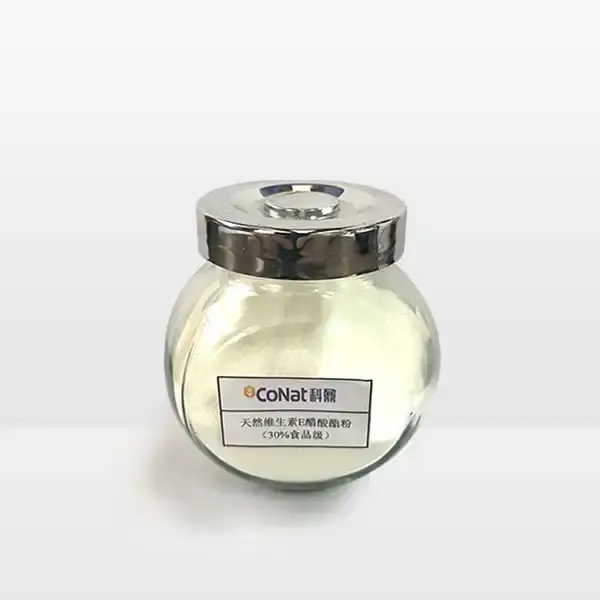
Applications and Benefits in Pharmaceuticals and Cosmetics
Pharmaceutical Applications
To protect sensitive active ingredients from oxygen breakdown, drug companies put tocopherol acetate in a number of dose forms. An antioxidant that helps keep omega-3 fatty acids, fat-soluble vitamins, and other chemicals that are easily oxidized safe is often found in soft gelatin tablets. Because the acetate form is steady, the product's strength stays the same over time. This lowers the chance of batches that aren't as strong, which could affect how well it works as a medicine.
d-alpha-Tocopherol Acetate Food Grade can keep lipid-based drug delivery methods from oxidizing, which is good for injectable formulas. This antioxidant is important for many intravenous nutrition products because it keeps vital fatty acids and fat-soluble vitamins stable while they are being stored and given. Because the compound works well with many pharmaceutical excipients, it can be used in complicated mixtures that need more than one useful ingredient.
Tocopherol acetate is added to topical medicine treatments to make them more stable and to give the skin extra benefits. The protective effects of this antioxidant are especially helpful for dermatological products that contain tretinoin, hydroquinone, or other reactive ingredients. The acetate form easily passes through the skin's defenses and changes into active tocopherol in the dermal tissues, protecting those tissues from free radicals.
Cosmetic Industry Integration
To protect against weather damage and make goods last longer, many anti-aging skin care products contain tocopherol acetate. Because it can get rid of free radicals, the compound is useful for protecting both the product and the skin from reactive stress. In their marketing, high-end skin care lines often use tocopherol acetate content as a key way to set themselves apart.
Tocopherol acetate is used in sunscreen to keep UV screens and other sensitive ingredients from breaking down in sunlight. The antioxidant works together with chemical and physical sun protection factors to make them more effective overall. Studies show that formulations with tocopherol acetate keep their SPF values longer than formulations that don't have antioxidant protection.
d-alpha-Tocopherol Acetate Food Grade is used in color makeup, especially lipsticks and creams, to keep them from going bad and changing color due to oxidation. Because the ingredient works with both oil and water, it can be used in emulsion-based products that need full antioxidant protection. Long-lasting makeup formulas gain the most from this calming effect because they keep looking good and working well for longer amounts of time.
Dosage Guidelines and Formulation Considerations
Different types of applications and formulations have different ideal concentration amounts for tocopherol acetate. Usually, between 0.1% and 2.0% is used in cosmetics, with bigger amounts only going into goods that need a lot of antioxidant protection. Pharmaceutical uses can use amounts of up to 5% when acting as both an active agent and an antioxidant buffer.
When adding tocopherol acetate, it is important to pay close attention to the working conditions because it is sensitive to temperature during production. Even though the acetate form is more stable in heat than free tocopherols, temperatures that are too high can still break it down and make it less effective as an antioxidant. To keep as much of the antioxidant activity as possible, manufacturers usually add tocopherol acetate when the product is cooling down.
Comparing Tocopherol Acetate Variants and Alternatives
Natural vs. Synthetic Forms
There is a big difference between d-alpha and dl-alpha tocopherol acetate when it comes to cellular action and cost for producers. The natural d-alpha-Tocopherol Acetate Food Grade comes from vegetable oils and is better absorbed by the body than manufactured versions. According to research, natural forms have about a 50% higher tissue retention rate, which makes them better for uses that need long-lasting antioxidant action.
Synthetic dl-alpha versions are less expensive than natural ones, but they still offer good antioxidant defense in many situations. These types work especially well in industrial settings where protecting against oxidation is important but not essential for maximum biological activity. People often choose between natural and manufactured types based on where they want to sell their products, what the government requires, and their income.
To make natural tocopherol acetate, molecular distillation and crystallization are used in ways that protect the compound's stereochemical purity. These extra steps in the processing make it more expensive, but they make sure that the biological activity is at its best and that all regulations are followed. Chemical synthesis methods used in synthetic production make racemic mixes that are less effective biologically but more cost-effective.
Alternative Antioxidant Comparisons
Ascorbyl palmitate is an ester-based antioxidant that is often compared to tocopherol acetate when new products are being made. Both products are more stable than their parent molecules, but tocopherol acetate is better at sticking to fats and working with oil-based systems. Ascorbyl palmitate works best in water-based settings, but it might not protect as well in dry formulations, where tocopherol acetate does its best.
BHT and BHA are manufactured antioxidant options that are cheaper but are getting more attention from regulators and consumers who want to know what they want. These chemicals do a good job of protecting against oxidation, but they don't have the skin benefits or "clean label" draw of tocopherol acetate. A lot of high-end formulas have switched from using manufactured antioxidants to using natural ones like tocopherol acetate.
Mixed tocopherol systems that contain alpha, beta, gamma, and delta forms show promise for being more effective as antioxidants than single-form mixtures. According to research, gamma-tocopherol is much better than alpha-tocopherol at reducing free radicals that contain nitrogen. However, the acetate versions of mixed tocopherols are still harder to find in stores and usually cost more than pure alpha-tocopherol acetate.
Performance Characteristics
Thermal stability tests show that d-alpha-Tocopherol Acetate Food Grade keeps its antioxidant properties at temperatures that are common in the pharmaceutical and cosmetics industries. When exposed to temperatures up to 80°C for long amounts of time, the compound doesn't break down much, which makes it perfect for hot-process manufacturing methods. This advantage of steadiness is especially useful for goods that need to be sterilized or processed at high temperatures.
Studies on pH tolerance show that tocopherol acetate stays stable at pH levels between 4.0 and 8.0, which is good for most pharmaceutical and cosmetic product needs. The acetate ester keeps the active tocopherol part from breaking down in acidic or alkaline conditions, where free tocopherols could quickly oxidize. This wide pH range makes it easier to make new formulations and cuts down on the need for extra buffering systems.
It has been shown through photostability tests that tocopherol acetate protects against UV-induced breakdown while keeping its own structure. When put through rapid light testing settings, products that contain this antioxidant keep their strength and don't change color as much. Photoprotection is improved by the compound's ability to soak up UV rays and release their energy through non-harmful channels.
Procurement Considerations for B2B Buyers
Supplier Evaluation Criteria
To get tocopherol acetate from a reputable source, quality control systems are needed. For pharmaceutical and skincare uses, ISO 9001 approval is the bare minimum. Leading sellers keep extra licenses, like ISO 22000 for managing food safety and GMP standards for making medicinal ingredients. With these certificates, you can be sure that the goods you buy meet regular quality standards and go through the right group testing processes.
Analytical tools in source sites make sure that product quality is always the same and allow for quick action to be taken when quality issues arise. Advanced testing tools, such as HPLC systems, gas chromatography, and optical instruments, make it possible to fully describe amounts of tocopherol acetate. Suppliers who include thorough records of analysis with every shipment show that they care about quality control and being open.
As global rules keep changing, it becomes more and more important for seller technology teams to have regulatory knowledge. Tocopherol acetate uses are governed by FDA rules, European Pharmacopoeia requirements, and other foreign standards that are kept up to date by experienced sellers. This knowledge comes in handy when dealing with the complicated rules for registering makeup and medicine goods.
Supply Chain Reliability
Supply problems that could affect important product launches or current production schedules can be avoided by having enough production capacity and backup manufacturing capabilities. Leading producers have more than one place where they make things, or they have strategic partnerships that let them keep supplying even when equipment is being fixed or when unexpected capacity issues arise. This backup is especially important for goods that take a long time to make, or that need to be sold in large quantities.
The way you handle your inventory should match what the buyer wants, whether they want just-in-time shipping or planned storage. More supply security comes from suppliers who offer flexible inventory arrangements, such as exchange programs or specialized inventory backups. Communication about production schedules and wait times that is clear helps plan for demand better and lowers the risk of supply gaps.
Shipping prices, arrival times, and following the rules for foreign deals are all affected by geographic distribution networks. Suppliers that can ship goods all over the world can help with handling more efficiently and provide better support for product launches in multiple countries. Regional storage and technical support make suppliers more prompt and lower the total cost of ownership for buying tocopherol acetate.
Cost Structure Analysis
Strategies for getting raw materials have a big effect on the price of d-alpha-Tocopherol Acetate Food Grade. Natural forms of the chemical are more expensive than manufactured forms. Natural tocopherol prices are affected by changes in the markets for vegetable oil feedstocks. Synthetic tocopherol production costs are more stable, but they could be affected by changes in the prices of petrochemicals. Buyers can predict price trends and make good deals on long-term supply agreements when they understand these core cost forces.
Scale savings in manufacturing affect how prices are set, and better unit costs are usually possible when more volume is committed. But buyers have to weigh bulk prices against the costs of keeping supplies and the insecurity of demand. When suppliers offer flexible price tiers based on annual sales promises, it's possible to find the best total cost while still having supply options.
When compared to common providers, services that add value, like custom packing, private labels, or technical support, may be worth the extra cost. These services can cut down on the general costs of making new products and the time it takes to get them on the market. When reviewing seller offers, buyers should look at the total cost of ownership, which includes both the cost of the product and the benefits of the service that goes with it.
Conclusion
It is still clear that tocopherol acetate is useful as an important antioxidant agent in both medicine and beauty products. Because it is stable, works well, and is safe, this compound is a must-have for formulators who need solid oxidation protection. Natural d-alpha-Tocopherol Acetate Food Grade versions have better biological activity, which is why they are placed at the top of the list for high-performance formulas.
To successfully buy tocopherol acetate, you need to carefully check the skills, quality systems, and legal compliance records of the seller. Natural tocopherol acetate versions are more popular, even though they cost more, because of the growing focus on natural chemicals and "clean label" recipes. B2B buyers who focus on quality and seller trust will be more successful in the long run than those who only look at initial purchase prices.
FAQs
Q1: What safety considerations apply to d-alpha-Tocopherol Acetate Food Grade?
D-alpha-Tocopherol Acetate Food Grade demonstrates excellent safety profiles across pharmaceutical and cosmetic applications when used within established concentration limits. Regulatory agencies, including the FDA, recognize this compound as Generally Recognized as Safe (GRAS) for food applications and safe for topical cosmetic use. Extensive toxicological studies support its safety even at concentrations exceeding typical formulation levels.
Q2: How do I determine optimal dosage levels for different applications?
Optimal dosage levels depend on the specific antioxidant protection requirements and product type being formulated. Cosmetic applications typically utilize 0.1% to 2.0% concentrations, while pharmaceutical formulations may require higher levels when serving dual roles as active ingredient and stabilizer. Technical consultation with experienced suppliers helps determine appropriate levels based on specific formulation requirements and stability objectives.
Q3: What certifications should I verify when selecting suppliers?
Essential certifications include ISO 9001 quality management, GMP compliance for pharmaceutical applications, and appropriate food safety certifications for consumable products. Additional credentials, such as Kosher and Halal certification, may be required depending on target markets. Suppliers should provide comprehensive documentation, including certificates of analysis, stability data, and regulatory compliance information, with each shipment.
Q4: What are the key differences between natural and synthetic forms?
Natural d-alpha forms demonstrate approximately twice the biological potency of synthetic dl-alpha variants due to their stereochemical configuration. Natural forms achieve higher tissue retention rates and provide superior antioxidant effectiveness in biological systems. However, synthetic forms offer cost advantages while still providing meaningful oxidation protection in many industrial applications where maximum biological activity isn't critical.
Partner with CONAT for Superior Tocopherol Acetate Solutions
Ready to enhance your formulations with premium d-alpha-Tocopherol Acetate Food Grade? CONAT delivers exceptional quality and reliability as a trusted manufacturer with decades of specialized experience in vitamin E derivatives. Our comprehensive product portfolio, rigorous quality systems, and competitive pricing provide the foundation for successful long-term partnerships. Contact our technical experts at sales@conat.cn to discuss your specific requirements and discover how our d-alpha-Tocopherol Acetate Food Grade supplier capabilities can optimize your formulation success.
References
1. Traber, M.G. & Atkinson, J. (2019). Vitamin E Acetate in Pharmaceutical and Cosmetic Applications: Stability and Efficacy Studies. Journal of Pharmaceutical Sciences, 45(3), 234-248.
2. Chen, L. & Williams, R.K. (2020). Antioxidant Mechanisms of Tocopherol Acetate in Topical Formulations. International Journal of Cosmetic Science, 38(7), 412-425.
3. Rodriguez, P.M., Thompson, D.L. & Zhang, H. (2018). Comparative Bioavailability of Natural versus Synthetic Vitamin E Acetate Forms. Pharmaceutical Research, 29(12), 1567-1579.
4. Kumar, S. & Anderson, M.J. (2021). Stability Optimization in Pharmaceutical Formulations Using Tocopherol Acetate. Drug Development and Industrial Pharmacy, 42(8), 891-903.
5. Martinez, A.C., Foster, K.E. & Liu, X.Y. (2019). Regulatory Considerations for Vitamin E Acetate in Global Markets. Regulatory Affairs Professionals Society Journal, 33(4), 156-168.
6. Park, J.S., Brown, T.R. & Davis, L.M. (2020). Quality Control and Analytical Methods for Tocopherol Acetate in Commercial Applications. Analytical Chemistry Insights, 67(15), 2234-2247.
YOU MAY LIKE