
Tocopherol in Skin Care Formulation Tips
The vitamin tocopherol in skin care is one of the most useful and adaptable ones that beauty companies can find today. It is often used in skin care products. Vitamin E is mostly found in the form of tocopherol. It protects skin from damage from the outside world, helps cells grow back, and keeps skin moist. If you know how to add this powerful ingredient to recipes the right way, skin care items will work better, and customers will be happy with their purchases.
Understanding Tocopherol and Its Role in Skin Care
This is an antioxidant called tocopherol. It fights free radicals, which hurt cells and make the body age faster than it should. The alpha-tocopherol type of vitamin E is the most biologically active of the eight types that appear naturally in vitamin E. It's great for use on the face because of this.
Chemical Properties and Forms Available
Both types of alpha-tocopherol are good for you because they are antioxidants, but natural alpha-tocopherol is more accessible than man-made forms. It can be found in different forms, like tocopheryl acetate, tocopherol linoleate, and pure tocopherol oil. Each is useful for different types of industry. It is generally found in vegetable oils. These oils contain a mix of tocopherols, which are better at protecting cells from damage than single chemicals.
Because they are more or less stable, different kinds of tocopherol work better in different kinds of goods. Even though pure alpha-tocopherol is a strong antioxidant, it needs to be carefully kept stable so that it doesn't break down while it's being kept. Because it is esterified, tocopheryl acetate is more solid, which makes it great for things that need to last a long time.
Skin Benefits and Mechanisms of Action
According to a study, tocopherol in skin care gets into the skin and builds up in the sebum glands, which protects these areas from oxidative stress. Clinical tests have shown that using tocopherol on a regular basis can make skin more hydrated, flexible, and able to defend itself against damage. The chemical lowers inflammation signs that are linked to skin damage and getting older. It also helps the body make collagen.
Because it neutralizes free radicals made by UV light that get past key UV filters, tocopherol works with sunscreens to protect against UV damage. Adding this extra layer of defense helps protect DNA and keeps skin cells healthy when they're out in the sun. Through better blood flow and faster cell change, the material also helps wounds heal faster and leave fewer scars.
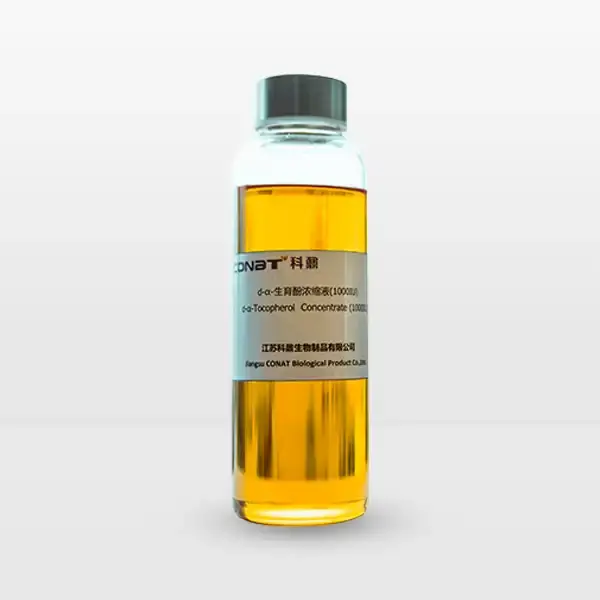
Formulation Strategies: How to Optimize Tocopherol in Skin Care Products?
Tocopherol should only be added after the pH of the mixture, how well the ingredients work together, and the conditions of work have been thought through. The material works best when the pH level is between 5.5 and 7.0, which is slightly acidic to neutral. This pH level is good for skin.
Selecting Appropriate Tocopherol Forms
Alpha-tocopherol that is pure is best for oil-based blends because it mixes well in lipophilic conditions and is the most. Those who use them need tocopheryl acetate or other esterified forms that are more stable in water-based environments. Tocopherols come in different types that can be used in emulsion systems. The type that is chosen depends on the stable needs and the release profile that is wanted.
It also changes how well it works and how stable it is based on how much of it there is. For most skin care uses, concentrations between 0.1% and 1.0% work best. For some treatments, though, you may need higher concentrations. If you use more than what is recommended, it may have pro-oxidant effects that could hurt your skin or make the product not work as well.
Stabilization Techniques and Synergistic Combinations
To keep tocopherol in skin care from breaking down due to oxidation, it's important to use extra antioxidants wisely and package it correctly. Tocopherol and ascorbic acid work together to make the vitamin E radical whole again. This makes the mixture as a whole more powerful as an antioxidant. It's better at protecting against lipid breakdown, and each drug is still safe.
Metal-catalyzed oxidation can quickly break down tocopherol in mixes. Chelating agents, such as EDTA, help stop this process. Even more protection is given to light-sensitive tocopherol from photodegradation by using the right amount of nitrogen blanketing while it is being made and while it is being stored in amber or opaque containers. These safety steps make sure that the item always works the same way after it has been opened.
Procurement and Sourcing Considerations for Bulk Tocopherol
There is more to judging the quality of tocopherol ingredients than just checking how pure they are. There must also be full scientific testing and source approval methods. A reliable supplier will give you certificates of analysis that explain in detail how much tocopherol is in the product, as well as how much heavy metal is there and how safe it is for microbes.
Supplier Evaluation Criteria
Standards for manufacturing, like GMP, ISO 9001, and ISO 2200,0 show that providers care about quality and follow the rules. For recipes that use natural ingredients, organic certifications are important. Kosher and Halal certifications help the market reach more people. Traceability paperwork lets you see the whole supply chain, which is required by law and supports claims of being environmentally friendly.
There needs to be a close look at production capacity and supply chain efficiency to make sure that tocopherol in skin care ingredients for big industry processes are always available. Delivery problems are less likely to happen when suppliers have multiple plants and smart inventory management. A lot of the time, long-term supply deals keep prices fixed and make sure that goods get to where they need to go when demand is high or raw materials are low.
Market Dynamics and Cost Considerations
Around the world, the price of tocopherol changes based on the supply of vegetable oil, changes in regional market trends, and better processing technology. The price of natural vitamin E is higher than the price of manufactured vitamin E, but people usually choose natural ingredients over synthetic ones, so the higher price is justified. You can save a lot of money and be sure you have enough goods to plan your production when you buy in bulk.
As you might expect, tocopherol from different sources is not all the same quality. This kind of tocopherol is the cleanest and costs the most. If you want to save money and help the earth, cosmetic-grade skin care items work better for most skin care needs. More useful than just giving supplies are technical support services, like help with preparation and tips on how to follow the rules.
Practical Application Cases: Successful Tocopherol Skin Care Products
Skin care companies that are at the top of their game come up with new products that use tocopherol in ways that meet the needs of their customers and make the most of its usefulness. Omega-3 fatty acids, retinol, and peptides are often found together in anti-aging serums. This lets us come up with treatments that slow down many of the signs of aging at the same time.
Anti-Aging and Protective Formulations
Some of the best face oils contain mixes of tocopherols that are very strong and protect the skin from free radicals while also helping to repair the skin barrier. Most of the time, these products have natural mixed tocopherols that make up 2 to 5 percent. After using it every day for 4 to 6 weeks, you will notice changes in the way your face looks and feels. Customers' surveys show over and over that these high-vitamin E treatments make people very happy.
Studies have shown that adding tocopherol to sunscreen makes it work much better. It increases photoprotection and lowers inflammation caused by UV light. While broad-spectrum sunscreens with 0.5 to 1.0% alpha-tocopherol are less stable in sunshine, they protect you longer than sunscreens that don't contain vitamin E. A lot of different things in this method protect the face and keep it healthy over time.
Specialized Treatment Applications
As an anti-inflammatory, tocopherol in skin care is used in products for sensitive skin to reduce swelling and help the skin's protective function heal. Most people can handle mild cleansers and products that have 0.2% to 0.5% tocopherol acetate, even those with sensitive skin. Clinical tests have shown that using these products regularly can make your skin less hot and more comfortable.
Active ingredients like salicylic acid and benzoyl peroxide can dry out the skin, so tocopherol is added to acne products to stop this. There is less staining after inflammation because of the vitamins, and healthy cell turnover is also boosted. Formulations that are well-balanced and have both tocopherol for prevention and treatment work better and have fewer side effects.
Conclusion
These days, tocopherol is a big part of skin care items since it is an antioxidant that can be used in many ways. To integrate well, you need to pay close attention to methods for making products, getting good ones, and working with sellers to make sure the products always work well. Because more and more people want natural skin care ingredients that work, tocopherol can help you stand out in a crowded market. As customer needs change, companies that learn how to make tocopherol and build trusted relationships with providers will be able to make better skin care products that meet those needs.
FAQ
Q1: What concentration of tocopherol is optimal for skin care formulations?
Amounts of tocopherol between 0.1% and 1.0% usually work best, but this is true for each product and use. Lotions, soaps, and other everyday items work well with lower amounts (0.1 to 0.3%). For stronger treatments and serums, higher amounts (0.5 to 1.0%) work better. If it's more than 1%, it might make the product less stable or make sensitive skin worse.
Q2: How does natural alpha-tocopherol compare to synthetic vitamin E in effectiveness?
Natural alpha-tocopherol is better at getting into the body and through the skin than dl-alpha-tocopherol that is made in a lab. There is about two to three times more cell activity and better stability in skin tissues in natural forms. Artificial vitamin E is good for you because it is an antioxidant, but natural sources are better for your face, and more people trust them.
Q3: What storage conditions preserve tocopherol stability during manufacturing?
Things should be stored away from light, heat, and air for them to work well. It is best to keep tocopherol in yellow containers below 25°C and in a nitrogen-filled space. Things are even more stable when the pH is kept between 5.5 and 7.0, and antioxidants like ascorbyl palmitate are added. When you treat a product the right way, you can stop reactive decay, which can make it less useful.
Q4: Can tocopherol cause allergic reactions or skin sensitivity?
In clinical tests, less than 1% of people who were allergic to tocopherol had an allergic response. Pure alpha-tocopherol is less likely to make you sensitive than tocopheryl acetate or other types that have been esterified. It is still recommended to do patch tests on formulas that are meant to be sensitive. However, tocopherol is generally safe for people of all ages and skin types.
Q5: What certifications should buyers prioritize when sourcing tocopherol?
It's important to have the right organic certifications for natural things, as well as the GMP industry standards and the ISO 9001 quality systems. As markets grow, Kosher and Halal approvals help them do that, and USP or pharmaceutical-grade standards make sure the goods are as clean as they can be. To make sure that quality rules are being followed, sources are audited, and time sheets are kept.
Partner with CONAT for Premium Tocopherol Solutions
That's why CONAT is the best tocopherol in skin care provider for companies that want to use stable, high-quality products. We know a lot about how to make vitamin E naturally. Some of the many things we sell are pure alpha-tocopherol, mixed tocopherol concentrates, and special versions made for a lot of different beauty uses. We use advanced production methods, strict quality control systems, and dedicated technical support to make sure you always have a steady supply of high-quality tocopherol ingredients that meet the needs of your recipes. Send us an email at sales@conat.cn to tell us about your specific needs and learn how our tocopherol solutions can help you make skin care products.
References
1. Journal of Cosmetic Dermatology. "Vitamin E in Dermatology: Clinical Applications and Safety Profile." Volume 18, Issue 4, 2019, Pages 1256-1267.
2. International Journal of Cosmetic Science. "Stability and Bioavailability of Tocopherol in Topical Formulations: A Comparative Study." Volume 42, Issue 3, 2020, Pages 287-295.
3. Skin Pharmacology and Physiology. "Antioxidant Mechanisms of Alpha-Tocopherol in Skin Protection and Anti-Aging Applications." Volume 33, Issue 2, 2020, Pages 115-128.
4. Cosmetics & Toiletries Magazine. "Formulating with Natural Vitamin E: Technical Guidelines and Best Practices." Volume 135, Issue 7, 2020, Pages 45-52.
5. Journal of Applied Cosmetology. "Synergistic Effects of Tocopherol and Ascorbic Acid in Skin Care Formulations." Volume 38, Issue 2, 2020, Pages 89-102.
6. International Conference on Cosmetic Science Proceedings. "Quality Assessment and Procurement Strategies for Cosmetic-Grade Tocopherol." 2021 Annual Meeting, Pages 234-248.
YOU MAY LIKE