
Tocopherol in Skincare: Anti-Inflammatory and UV Defense
As far as molecules go, tocopherol haut is one of the most scientifically proven skincare ingredients on the market right now. "Tocopherol" is a word that is being used more and more in the skincare business. It means putting natural vitamin E in skincare items to help fight damage from free radicals and redness. Formulation managers and purchasing professionals are always on the lookout for clean-label, science-based ingredients. Tocopherol is one of these. It protects against UV damage and reduces inflammation. This in-depth article talks about what tocopherol does at the molecular level, where to get it, and how it can be used in skincare items sold in stores.
Understanding Tocopherol and Its Role in Skincare
The Chemistry Behind Natural Tocopherol
In nature, there are eight substances in the tocopherol family: four tocopherols and four tocotrienols. Each one has its own effects on living things. In human tissues, RRR-alpha-tocopherol is the type of tocopherol that is most easily used by the body. Because of this, it is the best choice for use on the skin. Natural RRR-alpha-tocopherol is more likely to be held by skin cells than its man-made cousin, all-rac-alpha-tocopherol. This is because it works better with the proteins that move things inside cells. Based on what the Food and Nutrition Board says, natural forms are about twice as strong as synthetic forms. This is something that you should think about when picking ingredients for high-end goods.
Antioxidative Defense Mechanisms
The main job of tocopherol is to get rid of free radicals that come from environmental stressors. That's why this antioxidant is drawn to fats and blends right in with cell membranes, stopping reactive oxygen species before they damage lipid structures. Peroxyl radicals get hydrogen atoms from tocopherol when they come in touch with UV light. All of this helps the radicals stay fixed. Lipid peroxidation is stopped by this protective chain. This process is linked to aging too quickly and inflammatory reactions. Taking tocopherol vitamins greatly reduces redness after UV exposure, which backs up the idea that they can help with inflammation.
Versatility Across Skin Types and Formulations
Tocopherol is very useful at work because it can be used to treat many health issues. Tocopherol strengthens the barrier function, which is good for dry skin. It also reduces inflammation, which makes sensitive skin less sensitive. This is because tocopherol slows down the breakdown of collagen that is caused by reactive stress. This helps skin that is getting older. Another great thing about tocopherol is that it mixes easily with other things. It doesn't change how stable or successful it is when mixed with different emulsions, carrier oils, and active ingredient structures.
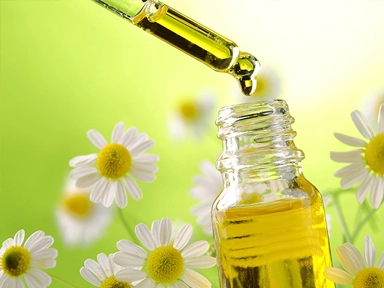
Key Benefits and Applications of Tocopherol in Skincare
Moisture Retention and Barrier Enhancement
By helping to make ceramides and keeping the membranes together, tocopherol is a big part of stopping water loss through the skin. When added in amounts between 0.1% and 1%, tocopherol helps skin stay hydrated without coating it in oil. This benefit is very helpful for people who want to make products for older skin or skin that is sensitive to the environment. Because of how its molecules are arranged, tocopherol can fill in gaps in lipid bilayers. This strengthens the skin's barrier against losing water.
Synergistic UV Protection Mechanisms
Tocopherol is not a sunscreen by itself, but tocopherol haut is a lot better when mixed with UV filters. The study says that tocopherol keeps the sunscreen's active ingredients stable and also works as an extra antioxidant to stop photodamage that gets past chemical and physical barriers. Vitamin C and tocopherol work together to make a system that is very strong. Vitamin C fixes tocopherol that has been oxidized, which makes it even stronger. When formulators use this mix, they can get better UV protection than when they only use one ingredient.
Formulation Concentration Guidelines
Tocopherol is often found in store-bought skincare items. The amount used varies by product type and purpose:
- Lightweight serums utilize 0.1% to 0.5% tocopherol to deliver antioxidant benefits without heaviness. These mixtures are made for people who want to shield themselves from things in their surroundings that can be harmful. The lower concentration range keeps the product's beauty while protecting it against oxidation in a way that can be found.
- Rich creams and treatment products often contain 0.5% to 1% tocopherol, delivering intensive barrier repair alongside antioxidation. When these bigger amounts are used at night, when healing effects are more important than sensory effects, they work well. So that systems work well, formulators have to find a balance between stability and quantity. If there is too much tocopherol, it can speed up oxidation.
- Body oils and specialized treatments may incorporate 1% to 5% tocopherol, particularly in natural and organic product lines. These concentrations serve dual purposes—active skincare benefits and preservation enhancement. Tocopherol is liked by product makers because it naturally makes shelf life longer while contributing functional benefits.
Understanding these concentration parameters helps procurement teams specify appropriate tocopherol grades and quantities, ensuring optimal cost-efficacy ratios while maintaining formulation integrity throughout product shelf life.
Comparing Tocopherol with Other Popular Skincare Ingredients
Tocopherol Versus Broader Vitamin E Compounds
The word "vitamin E" can mean more than one isomer, and they don't all have the same effects on the body. There are 1.49 IU in 1 milligram of RRR-alpha-tocopherol, but only 0.15 IU in 1 milligram of gamma-tocopherol. Extracts that are high in tocopherol mix different isomers, like the alpha, beta, gamma, and delta forms. Each of these is an antioxidant in its own way. It is best to use extracts that have more than 70% delta-tocopherol to keep oil-based mixes stable. Procurement staff need to be able to tell the difference between these versions so that they can match the needs of the ingredients with the product's goals.
Positioning Against Retinol and Hyaluronic Acid
Tocopherol doesn't work against retinol and hyaluronic acid; it works with them. Retinol makes cells turn over faster, but it also makes them more sensitive to light. This is where tocopherol comes in handy. By combining these ingredients, formulas can slow down the aging process while also lowering the risk of pain. Hyaluronic acid draws water into the skin, while tocopherol makes lipid walls stronger so that moisture doesn't leave. Companies can make full skincare systems that fight many signs of aging at the same time because these functions work well with each other.
Delivery Format Considerations
Tocopherol does different things based on how it gets to the body. Oil-based products help tocopherol cross the skin because they are lipophilic. This makes it more stable. When you use anhydrous formulations, the product doesn't have to worry about hydrolytic degradation, which naturally makes it last longer. Cream emulsions need to be carefully stabilized so that tocopherol doesn't break down where the oil and water meet. Tocopherol can get to deeper layers of skin without breaking down too quickly with the help of encapsulation technologies like liposomes, nanoemulsions, and solid lipid nanoparticles. Manufacturing teams must align delivery format selection with target price points and production capabilities.
Procurement Insights: Buying Tocopherol for Skincare Manufacturing
Quality Standards and Certification Requirements
To get tocopherol HAUT that is safe for use in medicines, you need to follow a lot of different approval levels. Good Manufacturing Practices (GMP) always follow the same steps when making cosmetics and food safety management systems that are approved by ISO 22000. The Kosher and Halal certifications help brands get into new areas where they want to reach certain types of people. For both allergy labels and marketing, it's important to be clear about whether the oil comes from soy, sunflower, or a mix of plants. Batch analysis certificates should show how much tocopherol is present, how the isomers are distributed, how much peroxide is present, and how much heavy metals are present.
Evaluating Supplier Reliability
If you want to work with tocopherol providers, you should look at more than just price. It is very important for the supply chain to be open. Knowing where the raw materials come from, how they are handled, and the rules for quality control all help lower the risk of pollution. For businesses that make skincare products, formulas must be able to be used again and again. Batch-to-batch uniformity makes sure of that. Having access to formulation guidelines, data from stability tests, and regulatory documentation speeds up the process of making a new product. This is what makes top suppliers different from commodity vendors.
Strategic Sourcing Considerations
Tocopherol's price changes based on feedstock availability and extraction method. Natural tocopherol that comes from non-GMO sources costs more, but it fits with ways of pushing "clean labels." Synthetic tocopherol offers cost advantages for budget-conscious formulations, but doses need to be changed because it changes strength. The price per unit goes down when you buy in bulk, but you need to make sure you have enough space to store everything so it doesn't go bad. When choosing a regional source, freight costs and lead times are taken into account. Domestic suppliers offer responsiveness while international sources may provide cost advantages for large-volume buyers.
Practical Tips for Incorporating Tocopherol into Skincare Products
Stability Optimization Strategies
No matter that tocopherol is an antioxidant, oxidation can still hurt it if it is not handled correctly. Covering tocopherol in nitrogen and working with it in a closed system keeps it from breaking down too quickly during production. Helpful metal ions are held together by chelating agents like EDTA. The tocopherol and the finished product are more stable because of this. It is very important to keep the storage temperature under control. For example, putting raw materials in the fridge for a long time makes them last a lot longer than leaving them out at room temperature.
Ingredient Combination Best Practices
Vitamin C and tocopherol work together to keep each other safe. The oxidation of tocopherol can be fixed by ascorbic acid, and tocopherol stops vitamin C from breaking down. Tocopherol and ferulic acid work better together to protect against UV rays, and you'll find this mix in more and more high-end anti-aging serums. Tocopherol and niacinamide work together to help the barrier do its job and lower inflammation. Formulations don't fail when they don't use ingredients that don't mix well. Because some preservatives can speed up the oxidation of tocopherol, they need to be carefully tested during the development stages to make sure they won't react badly with it.
Safety Profile and Regulatory Compliance
Researchers say that tocopherol haut is safe for all skin types as long as it is used in the right amounts. Still, bad effects are very rare and usually only happen to people who are already sensitive, like those who are allergic. Patch tests for new formulations should include tocopherol-containing samples to find rare sensitivities before they are sold. Tocopherol is safe according to the rules all over the world. The FDA puts it on the GRAS list, and EU regulations say that it can be used in makeup at any dosage. You need to keep specific ingredient lists and safety data sheets for foreign markets because of all the paperwork that comes with them.
Conclusion
Tocopherol represents a scientifically validated, commercially viable ingredient addressing multiple skincare concerns—from inflammation modulation to UV defense enhancement. It is safe, comes from nature, and has been shown to work, so it is great for use in clean-label formulation strategies. When you know the differences between natural RRR-alpha-tocopherol and synthetic variants, you can make informed procurement decisions that balance cost constraints with performance expectations. As consumer demand for transparent, effective ingredients continues rising, tocopherol's role in premium skincare formulations will expand correspondingly.
FAQ
1. Is tocopherol safe for all skin types, including sensitive skin?
It's easy for all skin types to handle tocopherol. Clinical evidence shows that it doesn't bother the skin too much, even at higher amounts, so it can be used in skincare products for sensitive people. The anti-inflammatory properties actually help reactive skin by making it less red and painful. Some people are allergic to it, but the incidence remains far lower than many conventional skincare actives.
2. How does natural tocopherol compare with synthetic versions?
The biological activity of natural RRR-alpha-tocopherol is about twice that of synthetic all-rac-alpha-tocopherol due to stereochemical compatibility with human cell systems. They work better because the body preferentially stores things in their natural forms. Given this difference, it can be said that 2 mg of all-rac-alpha-tocopherol is equal to 1 mg of RRR-alpha-tocopherol in functional terms.
3. What should I prioritize when selecting tocopherol suppliers?
Prioritize sellers who provide full quality records, such as batch analysis certificates, stability data, and records of following all regulations. Consistency between runs makes sure that the formula can be reproduced reliably. Strategic partners offer expert help and formulation guidance, which distinguishes them from transactional vendors. Clear sourcing methods and a list of certifications—GMP, ISO, Kosher, and Halal—indicate operational maturity and quality commitment.
Partner with CONAT for Premium Tocopherol Supply
Jiangsu CONAT Biological Products Co., Ltd. makes natural vitamin E and phytosterol products that are safe for use in medicines, skincare products, functional foods, and dietary supplements. The full profile of tocopherol is kept by our advanced extraction method, including the alpha, beta, gamma, and delta isomers. That way, you can be sure that the finished products have the most biological activity possible. We have ISO 9001, ISO 22000, GMP, Kosher, and Halal certificates, which show that we meet the high-quality standards needed by markets around the world.
You can get full formulation support from our expert team to get the most out of tocopherol applications, whether you're making anti-inflammatory serums, UV-protective creams, or treatments that fix skin barriers. As an established tocopherol HAUT supplier, we make sure every batch is of the same high quality through rigorous testing protocols and offer competitive pricing for bulk purchases. Our production capacity supports both emerging brands and established manufacturers requiring reliable long-term partnerships.
Reach our procurement specialists at sales@conat.cn to discuss your specific tocopherol requirements, request technical documentation, or arrange sample shipments.
References
1. Rizvi S, Raza ST, Ahmed F, Ahmad A, Abbas S, Mahdi F. "The Role of Vitamin E in Human Health and Some Diseases." Sultan Qaboos University Medical Journal, 2014.
2. Thiele JJ, Ekanayake-Mudiyanselage S. "Vitamin E in Human Skin: Organ-Specific Physiology and Considerations for its Use in Dermatology." Molecular Aspects of Medicine, 2007.
3. Lin FH, Lin JY, Gupta RD, Tournas JA, Burch JA, Selim MA, et al. "Ferulic Acid Stabilizes a Solution of Vitamins C and E and Doubles its Photoprotection of Skin." Journal of Investigative Dermatology, 2005.
4. Keen MA, Hassan I. "Vitamin E in Dermatology." Indian Dermatology Online Journal, 2016.
5. Traber MG, Atkinson J. "Vitamin E, Antioxidant and Nothing More." Free Radical Biology and Medicine, 2007.
6. European Food Safety Authority. "Safety and Efficacy of Vitamin E from Tocopherol-Rich Extracts of Natural Origin as Feed Additives for All Animal Species." EFSA Journal, 2017.
YOU MAY LIKE