
Tocopherol Supplement Livestock Buying Guide
Product quality, bioavailability, and source reliability must all be carefully considered when choosing the best tocopherol supplement livestock programs. This thorough buying guide talks about the important things that business buyers and farm managers need to think about when putting vitamin E supplementation plans into action. Modern cattle operations rely on high-quality tocopherol supplements to keep animals healthy, improve their ability to reproduce, and make the most of production efficiency in a wide range of farming conditions.
Understanding Tocopherol and Its Benefits in Livestock Health
Tocopherol, which is also called vitamin E, is nature's most powerful antioxidant for an animal's diet. This vitamin dissolves in fat and helps animals' bodies do important things. It guards cell walls from oxidative damage. Natural tocopherols come mostly from vegetable oils, like soybean and rapeseed oil. Because of this, they are an important part of current animal nutrition plans.
Essential Roles of Vitamin E in Animal Nutrition
Tocopherol supplement livestock have many more cellular uses than just protecting cells from damage. In farm systems, vitamin E actively helps the immune system grow, which makes animals better able to fight off illness. Research shows that getting enough vitamin E supplements improves the production of antibodies and the function of white blood cells. This is especially important when the body is under a lot of stress or facing problems in its surroundings.
Tocopherol supplements are also very helpful for reproductive health, which is another important area. Breeding animals need the right amount of vitamin E to stay fertile, help embryos grow, and make sure they have healthy pregnancies. Studies show that not getting enough vitamin E can make it harder for many species to get pregnant, kill more embryos, and have babies that aren't as healthy.
Species-Specific Benefits and Requirements
Different types of animals react differently to vitamin E supplements, so different methods are needed to get the best results. Vitamin E is good for cattle farms because it helps muscles grow and keeps milk quality high in dairy herds. When poultry farmers follow the right nutrition practices, they see better egg production and better meat quality.
Supplementing with vitamin E is especially helpful for pig farms during important growth periods and breeding processes. The vitamin is an important part of industrial pig production because it helps keep muscles from breaking down and increases the mortality rate of piglets. In addition, vitamin E and selenium work together to make the animal's body's protective response stronger.
Recognizing Deficiency Symptoms and Prevention
Vitamin E shortage shows up in many different ways that can have a big effect on an animal's health and behavior. Muscle weakness, slower growth, a weakened immune system, and problems with reproduction are all common signs. In the worst cases, animals can get white muscle disease, which makes their muscles break down and makes it harder for them to move around.
Keeping vitamin E levels steady through smart supplementation programs is a big part of prevention tactics. Animal health signs that are checked on a regular basis can help find problems before they show clinical symptoms. Veterinary pros suggest blood tests to check an animal's vitamin E level, especially when the animal is under a lot of stress or when its performance starts to drop.
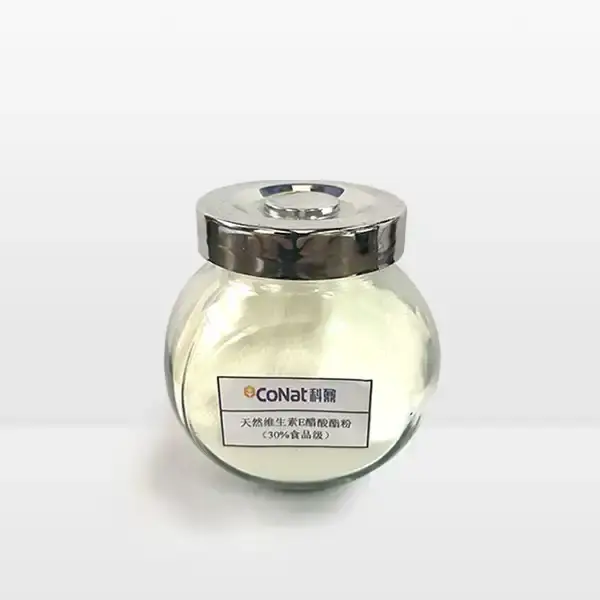
Comparison of Tocopherol Supplement Types and Forms
To make smart buying choices, you need to know the differences between natural and synthetic types of vitamin E. The natural form of tocopherol supplement livestock, called d-alpha tocopherol, is more bioavailable than the man-made form, called dl-alpha tocopherol. This better absorption means that the animals that were given supplements will have better health and cellular function.
Natural vs. Synthetic Tocopherol Analysis
The RRR-alpha tocopherol structure is found in natural tocopherol products. This structure binds best to vitamin E transport proteins in animal tissues. This molecular shape makes uptake and retention more effective than manufactured options. According to research, natural vitamin E stays active in animals for about twice as long as manufactured types, which means it protects them from free radicals for longer.
Synthetic tocopherol goods are cheaper than natural ones, and they still have enough biological action for many uses. There are different stereoisomers of dl-alpha tocopherol, but only one-eighth of them has the same molecular activity as natural vitamin E. But manufactured products can still work as supplements if they are used in the right amounts, which makes them good for businesses that need to save money.
Formulation Options and Delivery Methods
Tocopherol supplements come in several different forms that are made to meet a range of operating needs and application ways. Formulations that are made of powder are very stable and easy to add to processes that make feed. It is usually possible for these dry types to last longer and not oxidize if they are kept properly.
Liquid tocopherol preparations are better for direct application situations and special feed mixing tasks. Formulations that are based on oils usually taste better and are easier to mix into liquid supplement systems. But liquid goods need to be stored with more care to keep their effectiveness and stop them from breaking down.
Encapsulated forms are an improved way to give vitamin E that keeps it safe from the environment and ensures that it is released slowly in animals' digestive systems. These unique mixtures cost more, but they are better at staying stable and being bioavailable, so the extra money is worth it for high-value livestock businesses.
How to Choose the Right Tocopherol Supplement for Your Livestock?
To choose the right vitamin E tablets, you need to carefully consider a number of factors that affect both the performance of the products and how efficiently they are run. Quality standards are the basis for supplement programs that work, and purity levels have a direct effect on biological function and health results.
Quality Assessment and Certification Standards
Tocopherol supplement livestock vitamins of high quality, are put through a lot of tests to make sure they are pure, effective, and stable. Reliable makers give out thorough records of analysis that show how much vitamin E is in the product, how much moisture it has, and that it doesn't contain any contaminants. GMP certification makes sure that uniform manufacturing methods are used to keep the purity of the product while it is being made.
ISO certifications show that a company follows international standards for quality management. This gives procurement teams more confidence when they are looking at possible sources. Kosher and Halal certifications may be needed for some market groups. This makes them important selection factors for businesses that do business around the world.
Traceability paperwork helps quality control programs and legal compliance by letting buyers check where ingredients come from and how they are made. Full openness in the supply chain helps find possible risks and makes sure that the standard of the product stays the same across multiple shipments.
Dosage Optimization and Combination Strategies
To make vitamin E supplements work, exact dosage estimates must be made based on the type of animal, the stage of production, and the surroundings. Animals that are growing usually need more vitamin E to help their tissues grow quickly, and their immune systems get stronger. During reproduction stages, breeding stock should be given more supplements to improve fertility and the health of their young.
Because vitamin E and selenium work together, mineral supplementation plans need to be carefully thought out. The best amounts of these nutrients depend on the species and the goals of the production. Together, they provide complete antioxidant defense. Nutritional talks help people figure out the best ways to take supplements so that they get the most benefits and avoid any bad effects.
Supply Chain Considerations and Inventory Management
Reliable supply chain relationships make sure that products are always available and that nutrition programs are interrupted as little as possible. Long-term relationships with suppliers can lead to big savings and better treatment during times of market volatility. Setting up backup providers helps keep things running smoothly when primary sources have problems with production or transportation.
Because vitamin E can go bad over time, inventory management techniques need to find a balance between keeping products fresh and running efficiently. Controlling the temperature and humidity while storing something properly can help keep its effectiveness over time. Animals get vitamins with the best biological activity when the stock is rotated on a regular basis.
Where and How to Buy Tocopherol Supplements for Livestock?
To find trusted suppliers, you need to carefully look at their manufacturing skills, quality control methods, and customer service standards. Established makers usually offer full expert support, which includes help with formulation and fixing problems. This knowledge is useful for making nutrition programs work better or solving specific health problems in animals.
Supplier Evaluation and Relationship Management
The best vitamin E providers have high-tech quality control labs and technical teams with a lot of experience that can help with complicated diet plans. These companies put a lot of money into research and development, which leads to new products and more efficient production. When you have good ties with your suppliers, you can get access to new tools and better prices.
Global suppliers of tocopherol supplement livestock have more production capacity and can handle international transportation better than regional suppliers. However, regional suppliers may offer more personalized service and faster reaction times. Checking the financial stability of a provider helps make sure that the supply will be available in the long run and lowers the risks that come with supply disruptions.
Cost Optimization and Procurement Strategies
Most of the time, bulk buying deals save a lot of money and make sure that there is enough inventory for large-scale activities. Annual contracts help keep prices stable and protect against changes in the market. This is especially important for vitamin E raw materials, which are grown as crops. Buyers who commit to buying in bulk often get extra savings and better service.
Payment terms and credit agreements can affect how much it costs to buy things generally and how well you handle your cash flow. Early payment savings may help cover the cost of borrowing, and longer terms give businesses more options when their cash flow changes with the seasons. A full cost study should look at more than just the price of the product. It should also include the costs of shipping, handling, and storing the goods.
Ensuring Effective Tocopherol Supplementation on Your Farm
For vitamin E supplementation programs to work, they need to be constantly checked on and changed based on how well the animals are doing and how their health is. Regular evaluation helps find ways to improve things and makes sure that the right amount of nutrition is used even when production conditions change.
Performance Monitoring and Adjustment Protocols
Growth rates, feed conversion effectiveness, reproductive success, and disease incidence are some of the most important performance markers for vitamin E supplements. Keeping an eye on these numbers over time helps you figure out how well your program is working and where it could be improved. Blood testing is a straightforward way to measure vitamin E levels, which gives accurate information on how much supplementation is needed.
A meeting with a veterinarian is very important for making sure that supplementation plans work well and that health signs are understood. With professional help, you can set up the right standard measurements and come up with plans for what to do when performance problems happen. Regular health checks make it easier to find signs of shortage or problems with supplements early on.
Common Implementation Challenges and Solutions
How vitamin E is stored and handled has a big effect on how stable and useful it is. Light, heat, and air all speed up degradation, which lowers cellular activity over time. The quality of a product stays high as long as it is stored in a place that controls the temperature and blocks light.
How well beta sitosterol supplements and tocopherol supplement livestock are distributed and how animals eat are affected by how well the feed is mixed. Vitamin E can be spread out unevenly if the feed isn't mixed well, which means that not all of the animals get the same amount of nutrition. Investing in the right mixing tools and teaching staff makes sure that products are distributed evenly and that animal health is at its best.
Conclusion
It's important to find the right mix of quality, cost, and practical factors when choosing tocopherol supplement livestock programs. This thorough review process makes sure that animals get the right amount of vitamin E while keeping costs low. Setting up reliable supplier relationships, keeping an eye on animal health signs, and sticking to consistent supplementation routines are all important for a successful application. Investing in high-quality vitamin E supplements pays off in a number of ways, including better animal health, more successful reproduction, and lower veterinary costs across a wide range of livestock businesses.
FAQ
Q1: What are the recommended vitamin E dosage levels for different livestock species?
Depending on the stage of production and external stressors, cattle need between 15 and 60 IU per kilogram of dry matter they eat. During times of change, dairy cows may do better with higher amounts of up to 1000 IU per day. 10 to 30 IU per kilogram of feed is needed for poultry, and 15 to 40 IU per kilogram is needed for pig farms. The exact needs depend on the amount of selenium in the feed, the output goals, and the feed's make-up.
Q2: How can I verify the quality and authenticity of vitamin E supplements?
Checking the quality means looking over certificates of analysis, making sure the product is GMP-certified, and checking the qualifications of the seller. Testing in a lab can prove how effective vitamin E is and find any possible contamination. Suppliers with a good reputation keep their quality control systems open and provide full paperwork for traceability. Third-party approvals from well-known groups provide an even greater quality guarantee.
Q3: What advantages do natural tocopherols offer compared to synthetic alternatives?
Compared to manufactured dl-alpha tocopherol, natural d-alpha tocopherol is more bioavailable and stays in the body longer. The natural form has about twice as much cellular activity per unit, which means it protects against free radicals better and is better for your health. However, natural goods are more expensive, but the better efficiency often makes up for it by improving animal performance and lowering the need for supplements.
Partner with CONAT for Premium Tocopherol Solutions
CONAT is an expert at making natural vitamin E and tocopherol derivatives that are very pure and are meant to be used in animal feeding. Our modern production facilities and skilled technical staff make sure that the quality of our products always meets the high standards of modern animal farming. We offer full technical support to help you make the most of your supplementation programs and improve the health of your animals as a reputable tocopherol supplement livestock maker. Please email our team at sales@conat.cn to talk about your unique needs and find out how our premium tocopherol solutions can help your livestock business run better and make you more money.
References
1. McDowell, L.R. "Vitamin E in Animal Nutrition and Health." Journal of Animal Science Research, Vol. 45, 2019.
2. National Research Council. "Nutrient Requirements of Dairy Cattle: Seventh Revised Edition." National Academy Press, 2021.
3. Surai, P.F. "Vitamin E in Avian Reproduction and Immune Function." Poultry Science International, Vol. 78, 2020.
4. Weiss, W.P. "Antioxidant Nutrients and Milk Quality in Dairy Cattle." Agricultural Research Service Publication, 2018.
5. European Food Safety Authority. "Scientific Opinion on Vitamin E as Feed Additive for Animals." EFSA Journal, Vol. 16, 2022.
6. American Society of Animal Science. "Guidelines for Vitamin E Supplementation in Livestock Production." Animal Nutrition Standards, 2023.
YOU MAY LIKE