
Tocopheryl Acetate vs Tocopherol Buyer’s Guide
Tocopheryl acetate vs tocopherol is a crucial buying choice for companies in the dietary supplements, functional foods, and pharmaceutical industries. Both types of vitamin E have their own benefits when it comes to stability in formulations, absorption, and uses in production. By knowing about the chemicals' chemical properties, how they work, and how they affect regulations, buying teams can choose ingredients that help meet product goals while also being as cost-effective and high-quality as possible.
Understanding Tocopheryl Acetate and Tocopherol
Chemical Nature and Vitamin E Variants
Tocopherol, which is often called "natural vitamin E," is an antioxidant that is soluble in fat and mostly comes from crop oils like sunflower, rapeseed, and soybean. This molecule keeps its phenolic hydroxyl group whole, which helps it start working biologically right away when used or eaten.
During esterification, natural d-alpha tocopherol joins with acetic acid to make tocopheryl acetate. This stable form stops the phenolic hydroxyl group from working. This change makes the product less acidic and more stable on the shelf, which makes it useful for makeup and medicinal uses that need to store things for longer periods of time.
For buying teams, the difference between naturally derived (d-alpha) and synthetic (dl-alpha) forms is very important. Natural sources cost more, but they have better solubility and a "clean label" image that appeals to people who care about their health.
Key Benefits Across Industries
Antioxidant qualities are still the main benefit that drives demand in many areas. Natural tocopherol can fight free radicals right away, but tocopheryl acetate needs to be changed by enzymes inside skin cells before it can start protecting cells.
There are clear benefits for each form in manufacturing uses. As a result, tocopheryl acetate is very stable when heated, which makes it perfect for functional food manufacturing that needs to happen at high temperatures. Tocopherol works really well in supplement forms where it needs to be bioavailable right away to meet therapeutic dosing needs.
Antioxidants protect cells, but preservation functions in more ways than one. Both chemicals help natural preservation systems work better, which means we don't have to use as many artificial stabilizers. They also help clean-label campaigns, which make people want to buy more and follow the rules.
Safety Profiles and Classification Differences
Different types are regulated in different ways, which affects marketing rules and market placement. Tocopheryl acetate vs tocopherol may need more paperwork, based on the processing tools used during esterification, while natural tocopherol is organically certified and vegan-friendly.
The safety data for both substances show that they are well tolerated. The only cases of contact dermatitis were linked to high concentrations used on the skin. For versions that are good for sensitive skin, patch testing is still suggested, but the frequency is still low, even though the product is widely used in business.
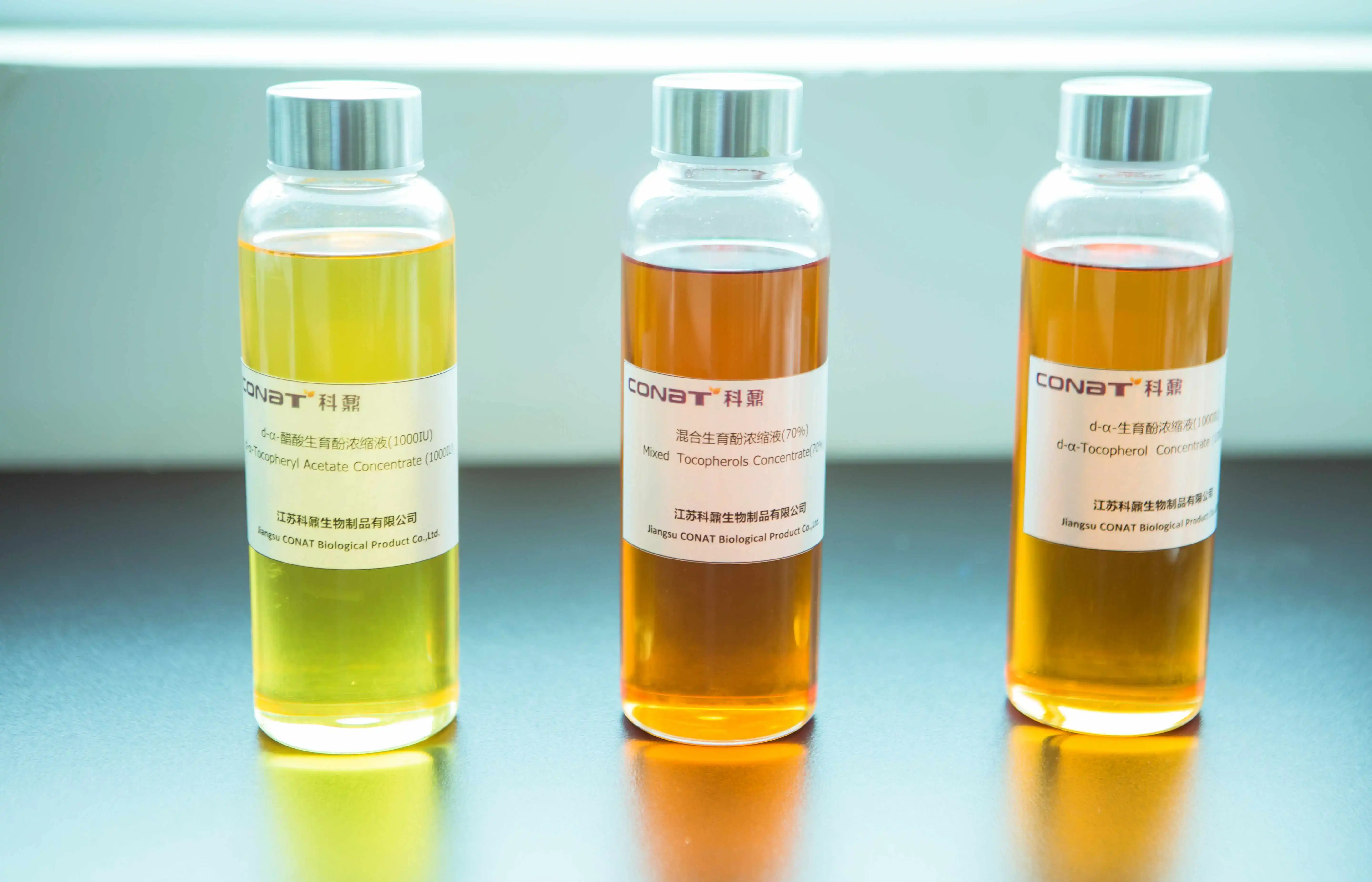
Key Differences Between Tocopheryl Acetate and Tocopherol
Chemical Stability and Processing Considerations
The main thing that sets these vitamin E types apart in industrial settings is how stable they are. Tocopheryl acetate is much better at withstanding reactive stress and high temperatures than free tocopherol. It keeps its effectiveness through processing steps that would break down exposed forms.
When it comes to processing compatibility and pH sensitivity, tocopheryl acetate acts neutrally across a wider pH range. This stability lets formulators be more creative when making acidic drinks, alkaline vitamins, and neutral makeup bases, all without affecting the quality of the ingredients.
Because of these differences in security, storage needs to match them. Tocopherol needs to be stored in a controlled atmosphere with nitrogen cleaning and packing, but tocopheryl acetate can be stored at room temperature with normal moisture protection, which lowers the cost of shipping and makes storage easier.
Absorption Rates and Bioavailability
Bioavailability patterns show different uptake rates that affect how well a product works. Tocopherol goes into the body's blood as soon as it is consumed, protecting quickly against free radicals but needing to be carefully made to keep it from breaking down.
Tocopheryl acetate is broken down by enzymes in target tissues, turning about 5% of it into active tocopherol for use on the skin. This way of changing things gives longer-lasting effects that are good for topical formulas but might make them less useful in therapeutic uses that need to work quickly.
Tocopheryl acetate vs tocopherol is better at penetrating the skin than free tocopherol, according to scientific studies. It also builds up more quickly in live cell layers, which is where antioxidant defense is most useful for cosmetic uses.
Market Pricing and Availability Trends
Purchase choices are heavily influenced by cost, with natural tocopherol having a higher price because it requires complex extraction and purification processes. Changes in the market for vegetable oil feedstocks have a direct effect on the price of tocopherol, which makes it hard to get for uses that need to keep costs low.
Tocopheryl acetate prices are steadier because it can be made synthetically, but quality differences between sources need to be carefully looked at. When buying in bulk, tocopheryl acetate is usually the better choice because it is more stable in storage and easier to handle.
Different types of tocopherol have different levels of supply chain dependability. For example, the quantity of agricultural feedstock changes with the seasons for tocopherol. Making tocopheryl acetate is more consistent, which helps with long-term supply deals that are important for large-scale businesses.
How to Choose Between Tocopheryl Acetate and Tocopherol for Your Business Needs?
Application-Specific Selection Criteria
Based on practical performance needs, product category standards help choose between vitamin E forms. Dietary vitamins like natural tocopherol are bioavailable right away and have a clean label. On the other hand, functional foods often need tocopheryl acetate because it is stable during preparation.
Here are the main application factors that affect decisions about who gets chosen:
- Making supplements: Natural tocopherol is better absorbed and works as a medicine in pills, tablets, and liquids that are aimed at health-conscious people who want the most bioavailable form.
- Functional Beverages: Tocopheryl acetate can handle high temperatures for processing and acidic pH levels while staying stable over long periods of time, which are needed for store distribution.
- Cosmetic Formulations: Tocopheryl acetate is great for anti-aging creams, serums, and protective skin care products because it helps the product penetrate the skin better and keep working for a longer time.
- In pharmaceutical applications, the choice relies on how the drug is delivered. For example, immediate-release formulations tend to use tocopherol, while extended-release methods use tocopheryl acetate's controlled conversion properties.
These specific needs for each application have a direct effect on how well the recipe works and how happy the customers are. This is why careful selection is so important for improving product performance.
Quality Standards and Regulatory Certifications
Pure levels must be included in procurement specs. For example, pharmaceutical-grade requirements call for 99%+ pure and full impurity profiles. Food-grade standards usually allow purity levels of 95% or higher while still following the rules for food additives.
Different uses have very different documentation needs. For example, pharmaceutical uses need a lot of stable data, toxicology studies, and proof of the manufacturing process. When used in cosmetics, the focus is on safety tests and suitability checks. When used in food, the focus is on safety and functional performance checks.
Some of the things that are needed to get certified for tocopheryl acetate vs tocopherol are ISO 9001 quality management, GMP compliance for pharmaceutical uses, and organic approval for natural product marketing. Kosher and Halal approvals make the market bigger, especially for food and supplements that are aimed at specific groups of people.
Supplier Evaluation and Quality Control
Analytical skills should be a big part of how vendors are evaluated, and the COA should include specific information about the supplier's name, purity, and contaminant testing results. Documentation called MSDS makes sure that safe working methods are followed and that regulations are followed throughout the supply chain.
Different providers offer different levels of technical support. Formulation knowledge, application advice, and troubleshooting help add a lot of value above and beyond the price of a commodity. A review of a supplier's stability includes a look at their manufacturing capacity, their financial health, and their potential for a long-term relationship.
Quality control systems need methods for inspecting goods as they come in, keeping an eye on their storage conditions, and being able to keep track of batches so that they can be tracked throughout the manufacturing process. Supplier checks make sure that the licenses and manufacturing standards that were given are being followed.
Trusted Suppliers and Brands for Tocopheryl Acetate and Tocopherol
Global Manufacturing Landscape
Leading producers tend to locate in areas that already have a chemical infrastructure and regulatory knowledge. European providers often stress organic certification and quality that meets pharmaceutical standards. Asian producers, on the other hand, focus on making production more cost-effective while also raising quality standards.
To figure out how trustworthy a supplier is, you have to look at their track record, customer references, and history of following the rules. Established companies that have been making vitamin E for decades usually offer better technology, help, and more consistent quality than newer companies that are just getting into the market.
Value-added services, like formulation advice, custom blending, and help with technical paperwork, set top providers apart. These services are especially helpful for businesses that are coming up with new goods or joining new markets that need specialized knowledge.
Building Strategic Supplier Partnerships
In order for a relationship to last, the buyer's needs and the supplier's skills must be in sync. Partnerships that work well focus on how they can help each other by making promises about numbers, working together technically, and starting projects to grow the market that are good for everyone.
Diversification strategies, backup supplier qualification, and inventory management practices for tocopheryl acetate vs tocopherol that keep business going during outages are all ways to lower supply chain risk. Monitoring supplier performance through quality measures, shipping reliability, and responsiveness data keeps them accountable and encourages them to keep getting better.
When you negotiate a contract, you should talk about how prices work, quality standards, shipping terms, and protecting your intellectual property. As market conditions change, flexible deals can adapt to protect both parties' interests and allow for long-term business growth.
Procurement Process and Market Insights
Strategic Sourcing Channels
Direct relationships with manufacturers offer the best prices and technical help, but they also require big volume promises and a lot of money to build relationships. Distribution partnerships give you more freedom and lower minimum orders, but you can still get good items from well-known brands.
Cost optimization and supply security must be balanced in sourcing strategies, especially for important uses where the abundance of ingredients has a direct effect on production schedules. Collecting market information through trade publications, industry groups, and contacts with suppliers makes it possible to plan for buying.
When buying from other countries, you need to think about things like customs rules, the paperwork you need to bring in goods, and how to handle price fluctuations. Planning cuts down on delays and unexpected costs and makes sure that trade rules are followed.
Quality Assurance and Logistics
Packaging standards for tocopheryl acetate vs tocopherol have a big effect on how stable a product is while it's being shipped and stored. Nitrogen-purged containers keep food from oxidizing, and moisture-barrier packaging keeps food fresh in damp places. Choosing the right package increases the shelf life of goods and lowers waste along the supply chain.
Transportation rules include keeping sensitive goods at the right temperature, treating them correctly, and following strict paperwork rules to make sure they can be tracked. Maintaining the cold chain is especially important for packages of natural tocopherol that need to be kept cold.
During the buying process, quality control checks include testing before shipping, inspecting when the goods arrive, and checking on the stability from time to time. These rules make sure that the quality is always the same and find problems before they affect production.
Conclusion
Tocopheryl acetate vs. tocopherol selection takes careful consideration of application needs, handling conditions, and quality standards. Tocopheryl acetate is better for processed foods and goods that need to last longer, while natural tocopherol is best for uses that need instant bioavailability and clean label positioning. To buy right, you need to carefully evaluate suppliers, follow strict quality standards, and build smart partnerships. By knowing these differences, you can make smart choices that improve product performance while keeping costs low and following rules in a variety of manufacturing situations.
FAQ
Q1: Which form provides better antioxidant activity in supplement formulations?
Due to its free phenolic hydroxyl group, natural tocopherol acts as an antioxidant as soon as it is eaten. Tocopheryl acetate needs to be changed by enzymes before it can be biologically active. This could make fast-acting vitamin formulations less effective. Studies show that natural tocopherol is better absorbed by the body when taken as a vitamin.
Q2: Can tocopheryl acetate and tocopherol be used interchangeably in cosmetic formulations?
Both substances are antioxidants, but they are not stable in the same way and do not penetrate the skin in the same way. Tocopheryl acetate is more stable during production and has a longer shelf life. Tocopherol, on the other hand, works right away but needs to be carefully mixed to keep it from oxidizing. To make sure the product works after substitution, it needs to be reformulated and tested.
Q3: What certifications should buyers require from vitamin E suppliers?
Some important certifications are ISO 9001 for managing quality, GMP compliance for medicinal uses, and food-grade approvals for goods that people eat. Organic certification is for products that come from natural sources, and Kosher and Halal approvals make more goods available in more markets. All of a supplier's goods should come with full COA paperwork and MSDS safety data.
Partner with CONAT for Superior Vitamin E Sourcing Solutions
Picking the best tocopheryl acetate vs tocopherol provider can affect the quality of your products, how quickly and easily they are made, and how well they do in the market. CONAT is the best company to work with for long-term manufacturing because we know how to make natural vitamin E and can offer full quality certification and technical support.
You can talk to our expert team at sales@conat.cn about your unique needs, get full product specs, and find out how our premium vitamin E solutions can make your formulations better. Our dedication to quality, dependability, and customer satisfaction gives you the CONAT edge.
References
1. Brigelius-Flohé, R., & Traber, M. G. "Vitamin E: Function and metabolism." The FASEB Journal, 13(10), 1145-1155.
2. Packer, L., Weber, S. U., & Rimbach, G. "Molecular aspects of α-tocotrienol antioxidant action and cell signalling." Journal of Nutrition, 131(2), 369S-373S.
3. Thiele, J. J., Hsieh, S. N., & Ekanayake-Mudiyanselage, S. "Vitamin E: Critical review of its current use in cosmetic and clinical dermatology." Dermatologic Surgery, 31(7), 805-813.
4. Traber, M. G., & Atkinson, J. "Vitamin E, antioxidant and nothing more." Free Radical Biology and Medicine, 43(1), 4-15.
5. Vitamin E Research and Information Service. "Industrial applications and stability characteristics of tocopherol derivatives." Food and Chemical Toxicology, 40(5), 671-678.
6. Weber, C., Podda, M., Rallis, M., Thiele, J. J., Traber, M. G., & Packer, L. "Efficacy of topically applied tocopherols and tocotrienols in protection of murine skin." Free Radical Biology and Medicine, 22(1-2), 761-769.
YOU MAY LIKE