
Tocopheryl Succinate vs Tocopherol: Which Is Better
The type of tocopherol or Tocopheryl Succinate used in vitamin E replacements for good foods and pills makes a big difference in how well they work and how long they last. Tocopheryl Succinate is a stable ester form of vitamin E that stays stable longer than pure tocopherol when it is being processed and stored. This is helpful for manufacturers who want to make sure that every batch is good and that the goods last longer. As an antioxidant, tocopherol starts to work right away. However, Tocopheryl Succinate is better because it doesn't oxidise because of its unique chemical structure.
Understanding Tocopheryl Succinate and Tocopherol
Chemical Structure and Stability Differences
The structure of these two vitamin E substances determines how they work in recipes. Natural tocopherol has a free hydroxyl group that makes it easy for oxidation processes to happen. It works as an antioxidant right away, but it's also easy to break down. This unstable hydroxyl group is changed into a succinate ester during the esterification process that makes Tocopheryl Succinate. This makes it much more stable.
Due to this change in structure, Tocopheryl Succinate can be broken down in the same ways that pure tocopherol would be. When made, heat, UV light, and air in the packaging are less likely to hurt the ester form than the other forms. A study says that when kept in the same way, Tocopheryl Succinate stays active for a lot longer than tocopherol. This is especially true for things that have water or other things in them that make burning happen faster.
Antioxidant Mechanisms and Bioavailability
There are two different ways that these two items work as antioxidants. With its reactive hydroxyl group, tocopherol gets to work right away by getting rid of free radicals. It works very well to keep things from getting damaged while they are being made or in the first few weeks after being kept because it goes straight to the cell.
A chemical process is what Tocopheryl Succinate does. Once the succinate ester is eaten, digestive enzymes break it down. This makes active tocopherol, which then works as an antioxidant. It is safer to use Tocopheryl Succinate because it doesn't start working right away. It stays safe until an enzyme in the body changes it. The two kinds of vitamin E work in different ways once they are taken, but they still work the same way.
Safety Profiles and Quality Standards
Both forms of vitamin E are very safe to use in the amounts that are recommended. Tocopherol rarely makes people sick when taken in standard vitamin doses. But taking in too much—especially more than 400 IU per day for a long time—may make sensitive people tired or give them minor stomach problems.
Similar to Tocopheryl Succinate in terms of safety, though some study shows that very rarely, applying large amounts to the skin can cause a skin response. When it comes to foods and supplements, where straight eating is the main way, this is not as important. For both forms, quality marks like GMP, ISO9001, and ISO22000 are the same. Procurement teams put a lot of weight on makers meeting strict standards for cleanliness and steadiness. This makes sure that makers meet those standards.
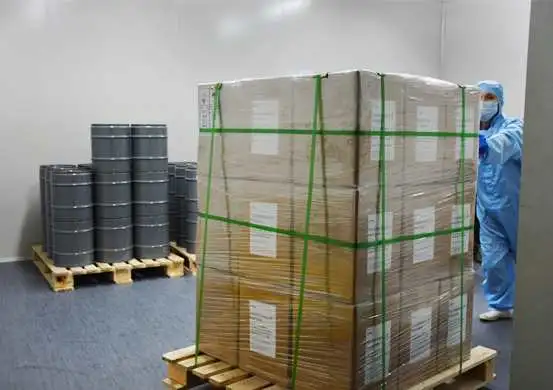
Comparing Applications in Supplement and Food Formulations
Stability in Processing and Storage
In industry settings, ingredients are tested to see how strong they are. The high temperatures used to process foods, like when drinks are pasteurised or boosted, can break down nutrients that aren't stable. The structure of Tocopheryl Succinate stays the same even when cooked, which would usually break down the natural tocopherol content. We know that blends with the ester form of vitamin E keep 15–20% more of its vitamin E activity after normal pasteurisation than blends with natural tocopherol because we've worked with beverage makers.
Another important thing is how long the store lasts. Dietary pills should be kept for 24 to 36 months, and the ingredient's strength should stay within the amounts written on the box during that time. Tocopheryl Succinate doesn't oxidise quickly, so the vitamin E in it stays the same during this time. This means there is less need for overage, which is when extra nutrients are added to make up for nutrients that have been lost. This means that prices will go down and food labels will be more accurate.
Formulation Compatibility Across Product Types
Different kinds of goods need ingredients that have certain qualities. For tablet and pill recipes, the powder form of Tocopheryl Succinate works better because it doesn't clump together like some tocopherol oils do when mixed with other dry ingredients. The crystalline structure of Tocopheryl Succinate makes sure that the particle sizes stay the same. This makes it easier for filling tools to work and makes sure that doses are given evenly.
Different things need to be thought about by people who make drinks and vitamins that you can drink. It might seem like tocopherol's ability to dissolve in oil is a good thing for items that use oil, but its instability in water means it can't be used for many things. Also, Tocopheryl Succinate is lipophilic, but when it is made right, it spreads out more in mixed systems. This stability is very helpful for sports nutrition drinks and drinks with added vitamins because it keeps the vitamin E activity high while the drinks are being shipped and while people are keeping them.
Clean Label and Natural Positioning
Consumers are liking claims about "natural" ingredients more and more. This style makes it harder to choose the best vitamin E items. Because it comes from plants, natural tocopherol, which is usually made from sunflower or soybean oil, looks good on the label. This kind of natural sourcing is often used by marketing teams to put vitamins and other goods aimed at health-conscious people.
This is about Tocopheryl Succinate in the heart. Different chemicals are changed during the esterification process, but the natural d-alpha tocopherol that is used as a starting point comes from plants. This part is made from succinic acid, which is naturally found in many foods. Many businesses are able to sell Tocopheryl Succinate-containing products with "natural" or "clean" names by emphasising the natural source of the base materials and the benefits of dependability that reduce waste and enhance sustainability.
Procurement Insights: How to Choose the Right Vitamin E Derivative for Your Business
Grade Specifications and Purity Requirements
The differences between pharmaceutical-grade and food-grade are very important for businesses that buy things in bulk. In drug uses, Tocopheryl Succinate that meets USP or EP standard specs, has strict heavy metal limits, and known impurity profiles is needed. These lessons cost more, but they give you the proof you need to show regulatory bodies that you make medical nutrition products.
The price range for food-grade specs is wider, but the quality standards stay the same. They also meet the standards set by the FDA and the EU for food additives and added nutrients. Most of the time, both goods are between 95% and 98% pure, but for some uses, you can get higher purity grades. You should look at Certificates of Analysis from more than one production lot when judging a provider. This is to make sure that the quality is the same between batches, which is very important when making foods that need to have exact nutritional labels.
Certification and Documentation Essentials
When you share food with other countries, you need a lot of papers. When a company gets the ISO9001 certification, it means it has a quality management system. The ISO22000 certification goes into more information about how to improve food safety management. Both are very important for businesses that sell food and supplement products. If you follow FDA or WHO rules when asking for GMP approval, people will have more faith in the quality of the manufacturing process. It is easier to get into new markets when you have a food or religion license. With a Kosher or Halal license, you can only sell to certain types of people and in certain places. Labels that say "vegetarian" or "vegan" are important for vitamin E goods because the chemicals in them come from plants, not animals. Regulatory status records (FDA GRAS status, EU Novel Food compliance) and Material Safety Data Sheets (MSDS) are some of the important papers that buying teams should ask for. It makes a big difference which of Tocopheryl Succinate and tocopherol is used to make vitamin E replacements that are used in supplements and healthy foods stable, bioavailable, and long-lasting. It is easier to store and work with Tocopheryl Succinate than pure tocopherol because it is an esterified form of vitamin E that dissolves in water. This is very helpful for businesses that make functional foods and dietary supplements that want to make sure that the ingredients stay strong over the course of the product's life. This way, the companies can meet clean label standards and give their customers the best antioxidant protection possible.
Making the Right Choice: Strategic Considerations
Comparative Advantages and Limitations
Different types of vitamin E have different affects that change based on the situation. Many people know what "natural" tocopherol is and that it works right away in the body. This supports marketing claims about "natural" chemicals. One of its flaws is that it is sensitive to processing and the finished things may not be stable. It's easier to work with, lasts longer, and is more solid than Tocopheryl Succinate. However, it costs more to make and enzymes are needed to change it before the body can receive it.
Application-Specific Recommendations
The best materials to use depend on the type of product and the people you want to sell it to. Natural tocopherol is often used in sports nutrition because it is more solid and can be quickly absorbed. It can help with antioxidants right away. Because Tocopheryl Succinate is safe for handling, it generally helps functional beverage makers do better when they have to work with rough conditions. Because Tocopheryl Succinate doesn't break down easily, it's useful for medicinal uses that need to keep the same amount of strength for a long time.
Market Trends and Innovation Directions
The market for vitamin E ingredients is always changing to make them better absorbed and last longer. More and more people are choosing to use tocopheryl polythene glycol succinate (TPGS) and other water-soluble goods for specific tasks that need better stability. These days, more and more people want tocopherol that comes from non-GMO veggie oils, like sunflower and rapeseed oils. For brands to keep up with customers' growing worry for the environment, they are using more and more eco-friendly production methods and clear supply chains.
Conclusion
Thoughts on Tocopheryl Succinate vs. pure tocopherol: How stable the product needs to be, how accessible it needs to be, how it can be made, and how much it costs are all important. Tocopheryl Succinate is best for stable formulations that need to last a long time and be easy to process. Natural tocopherol, on the other hand, is best for uses that need quick biological action and natural ingredient positioning. When you pick the right ingredients, you can be sure that the technical performance meets your goals for the product, the needs of your target market, and your production abilities. We recommend that you do stability studies with possible versions in real production and store settings before deciding on the exact needs for large-scale production.
Frequently Asked Questions
1. Can tocopheryl succinate and tocopherol be used interchangeably in formulations?
Both of the vitamin E derivatives work, but straight replacement needs careful thought about how stable they are and how bioavailable they are. Tocopheryl Succinate is more stable while being processed and stored. This makes it better for use in tough conditions or for making things that need to last longer. There is no need for enzymes to change natural tocopherol before it can change the metabolism. When going from one version to another, the formula might need to be changed to keep the same amount of strength and steadiness. These changes should be made to the amount of overage and the ingredients that protect the body.
2. What shelf life differences exist between these two vitamin E forms?
Natural tocopherol is 90% useful for 18 to 24 months if it is kept in finished vitamin formulas at controlled temperatures (below 25°C and out of the way of light and moisture). Tocopheryl Succinate makes this stability window last at least 36 months under the same conditions. This is because it is esterified and doesn't break down quickly. A lot of things affect the shelf life, like the formulation matrix, the type of packaging, and the storage area. This is why rapid stability testing is needed to get the right date.
3. Are allergic reactions more common with tocopheryl succinate?
Both derivatives are very safe when used in the amounts that are recommended. They are not likely to cause allergies. It doesn't matter what form the vitamin E pills take, very few people are allergic to them. Most of the time, reactions are blamed on other parts of the product or carrier oils, not the vitamin E compound itself. Some tocopherol comes from plants, like soy or rapeseed, so people who are allergic to those foods should check the source of the tocopherol.
Partner with CONAT for Premium Tocopheryl Succinate Supply
Jiangsu CONAT Biological goods Co., Ltd. makes pure Tocopheryl Succinate and natural vitamin E goods. They have a lot of expert know-how and check their work for quality. Our modern factories follow good manufacturing practices (GMP) to the letter and are certified by ISO9001 and ISO22000. If a company makes drugs, health supplements, or useful foods, this makes sure that each batch has the same quality. We know a lot about Tocopheryl Succinate and can give you all the information you need for regulatory applications, like MSDS, Certificates of Analysis, and stability data. Send an email to sales@conat.cn to get free samples of our products, low bulk prices, and full specs that are tailored to your specific recipe needs. You can see all of our goods at conatbio.com and learn how our natural forms of vitamin E can make your products work better and give you an edge in the market.
References
1. Traber, M. G., & Atkinson, J. (2007). Vitamin E, antioxidant and nothing more. Free Radical Biology and Medicine, 43(1), 4-15.
2. Mukai, K., Morimoto, H., & Kikuchi, S. (1993). Stopped-flow kinetic study of vitamin E regeneration reaction with biological hydroquinones in solution. Biochemical and Biophysical Research Communications, 197(2), 1573-1579.
3. Brigelius-Flohé, R., & Traber, M. G. (1999). Vitamin E: function and metabolism. FASEB Journal, 13(10), 1145-1155.
4. Packer, L., Weber, S. U., & Rimbach, G. (2001). Molecular aspects of alpha-tocotrienol antioxidant action and cell signaling. Journal of Nutrition, 131(2), 369S-373S.
5. Azzi, A., & Stocker, A. (2000). Vitamin E: non-antioxidant roles. Progress in Lipid Research, 39(3), 231-255.
6. Weber, C., Podda, M., & Rallis, M. (1997). Efficacy of topically applied tocopherols and tocotrienols in protection of murine skin from oxidative damage induced by UV-irradiation. Free Radical Biology and Medicine, 22(5), 761-769.
YOU MAY LIKE