
Top 7 Benefits of Natural Vitamin E Powder for Livestock Growth and Immunity
Natural Vitamin E Powder for Feed has huge benefits for managing the health of livestock and is changing the way we think about feeding animals. This strong antioxidant boosts the immune system, speeds up growth, and makes all animals, including chickens, pigs, and cattle, happier and healthier. Natural vitamin E is better absorbed by the body than manmade versions. This means that animals get the most nutritional benefits while also supporting farming methods that are sustainable and meet today's quality standards.
Introduction
More and more people are realizing that Natural Vitamin E Powder for Feed is an important part of animal feed that helps animals grow well and stay healthy. As the need for natural and environmentally friendly feed options grows around the world, especially in the business-to-business (B2B) procurement sectors, adding this antioxidant-rich supplement helps animals stay healthy and produce more.
There is more and more pressure on the livestock business to provide high-quality protein sources while also meeting standards for animal care. Feed makers all over the world are finding that adding natural vitamin E to feed solves several problems at once, such as making animals less likely to get diseases and improving the quality of their meat. This trend shows that more and more people want foods from animals that were raised naturally and in better ways.
Modern research in animal diet stresses how important antioxidants are for keeping cells healthy and metabolism running smoothly. Vitamin E powder made from natural sources is one of the main ingredients that crosses the gap between old-fashioned feeding methods and modern nutritional needs. Once you understand these dynamics, you can start looking into the many perks and buying factors that are important for foreign feed producers and distributors.
Understanding Natural Vitamin E Powder and Its Role in Animal Health
The main ingredients in natural vitamin E powder are d-alpha-tocopherol and mixed tocopherols that come from plants. These have higher biological activity than manufactured dl-alpha-tocopherol versions. The US Food and Drug Administration found that natural vitamin E is about twice as bioavailable as synthetic types. This means that natural sources can be used more effectively in animal systems.
Core Nutritional Properties
Because it is an antioxidant, natural vitamin E keeps cell walls from getting damaged by free radicals. This defense covers the whole body of the animal, including its reproductive system, muscles, and important systems. The powder form makes sure that it is evenly distributed in feed mixes and stays stable while being processed and stored.
Natural Vitamin E Powder for Feed has mixed tocopherols that work as antioxidants better than single-compound options. This all-around safety helps many bodily functions at the same time, from immune system function to muscle growth. When combined with other fat-soluble vitamins, the natural form works well and makes the total nutritional value higher.
Species-Specific Dosage Guidelines
Depending on the stage of production and external factors, poultry farms usually need 10 to 30 IU per kilogram of feed. When broilers are growing quickly, they need higher amounts, while laying hens need regular supplementation to keep the quality of their eggs and the strength of their shells.
Nutrition guidelines for pigs say that they should get 15 to 40 IU per kilogram of total feed. Breeding pigs need higher amounts to help them reproduce. Sows that are pregnant or nursing especially benefit from getting more vitamin E to make sure their babies grow up healthy and their milk is of good quality.
Feeding plans for cattle usually include 15 to 50 IU per kilogram of dry matter they eat. During the finishing process, beef cattle need higher amounts. Supplements given to dairy cows regularly help keep the quality of their milk and keep their mammary glands healthy during lactation cycles.
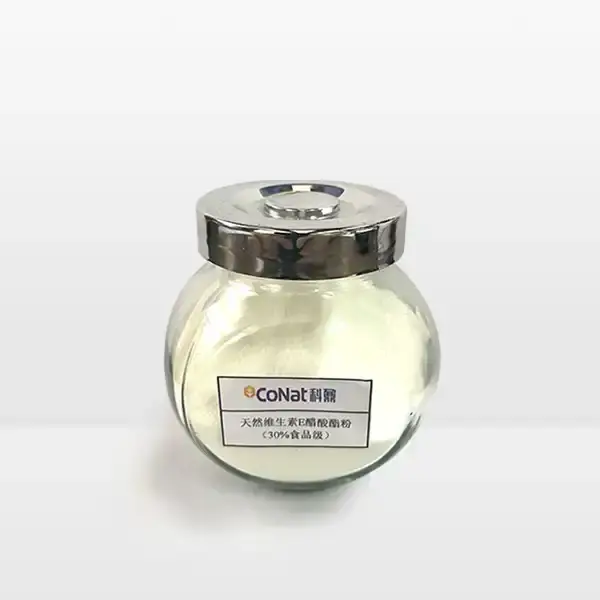
Top 7 Benefits of Using Natural Vitamin E Powder in Livestock Feed
Adding Natural Vitamin E Powder for Feed to programs for feeding animals leads to gains that can be seen in several performance measures. These benefits directly mean that feed makers and livestock farmers can make more money and run their businesses more efficiently.
Enhanced Immune System Function
By keeping immune cell walls safe from toxic stress, natural vitamin E powder makes the immune system stronger. This safety makes it easier to find and fight pathogens, which lowers the number of diseases that affect animals and how severe they are when they happen. Animals that get enough vitamin E supplements respond better to vaccinations and get better from health problems faster.
Researchers have found that not getting enough vitamin E weakens the immune system, making people more likely to get infectious diseases and making vaccines less effective. The right supplements keep immune cells working at their best, especially lymphocytes and macrophages, which are in charge of killing pathogens.
Accelerated Growth Performance
Animals that get natural vitamin E supplements gain more weight every day and convert more feed into energy. Antioxidants protect muscle cells during times of rapid growth, which makes protein production and tissue development more efficient. This means less time to market weight and better quality traits of the meat.
Vitamin E protects cells and helps the body use nutrients properly by keeping the intestines healthy and improving digestion. Animals can get the most protein out of the food they eat, which lowers the general cost of feed while still meeting growth goals.
Reproductive Health Optimization
Natural vitamin E is very important for all animal species to be able to reproduce. When it comes to raising animals, the right supplements help with pregnancy rates, conception success, and the health of the babies. Antioxidants protect reproductive cells from oxidative damage, which can make it harder to reproduce.
Vitamin E helps the growth of the fetus and lowers the risk of problems during pregnancy, which is good for animals that are pregnant. Women who are breastfeeding make better milk with more nutrients when they get the right amounts of supplements.
Meat Quality Enhancement
Supplementing with vitamin E makes meat much better in many ways, such as keeping its flavor, being soft, and lasting longer. Antioxidants protect meat products after they have been harvested by lowering lipid oxidation and keeping qualities that consumers like. This improvement makes the whole process of preparing and selling meat more valuable.
More and more, people want to buy meat from animals that were raised with natural nutrition programs. Vitamin E helps make the clean-label appeal while also providing practical benefits that improve the quality and marketability of the product.
Stress Resistance Improvement
Stressors in the environment and management cause more free radicals to be made in animal systems. Natural vitamin E supplements help animals keep up their performance when things get tough. They do this by protecting them better against oxidative damage caused by stress. This resilience cuts down on production costs and the need for medical help.
Getting enough vitamin E can help protect you from things like transportation, changes in the weather, and social stresses. When animals are given the right food, they are better able to adapt to new habitats and handling methods.
Feed Efficiency Optimization
Vitamin E protects cells, which makes it easier for the body to use energy and nutrients efficiently. When cellular machinery works at its best without reactive interruption, animals get better feed conversion ratios. This improvement in efficiency lowers the cost of feed per unit of production while keeping or even raising the quality of the output.
Vitamin E protects intestinal cells, which is good for gut health because it helps the body absorb nutrients better and lowers stomach problems that make feed less effective.
Natural Production System Support
Natural Vitamin E Powder for Feed is in line with standards for organic and natural production, which helps cattle farms meet the needs of the elite market. The source that comes from plants supports clean label programs and has better biological action than synthetic options.
When thinking about sustainability, natural vitamin E sources that work with production methods that are good for the earth are preferred. This connection helps with strategies for setting yourself apart in the market and charging more.
Comparison and Selection: Natural Vitamin E Powder vs Other Feed Supplements
There are more than just beginning cost considerations that go into the choice between natural and manmade vitamin E sources. Natural vitamin E regularly shows better performance traits that support higher prices by improving the health of animals and the efficiency of operations.
Bioavailability Analysis
When given the same amount, natural d-alpha-tocopherol builds up in animal cells about twice as fast as synthetic dl-alpha-tocopherol. Because of this better bioavailability, goal tissue concentrations can be reached with lower inclusion rates. This could make up for higher ingredient costs by lowering the amount that needs to be used.
The mixed tocopherol profile found in natural sources protects against more damage than manufactured versions that only contain one substance. This all-around security is more valuable because it has more than one way to protect you at the same time.
Cost-Effectiveness Evaluation
Even though natural vitamin E costs more per unit, the better solubility and performance benefits often make it worth the extra money. Livestock businesses that get better feed yield, lower mortality, and better product quality can justify spending more on expensive ingredients by making more money.
When looking at vitamin E source choices, long-term economic research should think about how better animal health, lower veterinary costs, and better product quality add up over time. When all the factors are taken into account, natural sources often show a better return on investment.
Quality Assessment Criteria
Buyers should judge natural vitamin E providers by how pure their products are, how stable they are, and if they have the right certifications. ISO, GMP, and organic approvals show that a product meets quality standards that are important for use as a feed element.
Analytical tests and quality documentation help meet legal standards and make sure that products always work the same way. It's more valuable to buy from suppliers who offer full testing programs and expert help than just the ingredient itself.
Market Preference Trends
Because people like naturally-raised meat, the global feed market is favoring natural vitamin E sources more and more. For natural sources, this trend supports the possibility of higher prices, and for forward-thinking feed makers, it creates market branding benefits.
New rules in big export markets favor natural products. This means that natural sources of vitamin E are smart choices for international trade. Early use of natural sources puts feed makers in a good situation to meet changing market needs.
Procurement Considerations for B2B Clients: Buying Natural Vitamin E Powder for Feed
To successfully buy Natural Vitamin E Powder for Feed, you need to carefully consider the skills of the seller, the product specifications, and the logistics. Feed makers have to find a mix between quality standards and cost goals while also making sure the supply chain works well.
Supplier Evaluation Framework
Certification standards are the basis for evaluating suppliers. For example, ISO 9001, ISO 22000, and HACCP qualifications show that the company uses a structured approach to quality management. GMP compliance makes sure that the ways things are made meet standards for pharmaceuticals that are okay for use as feed ingredients.
Superior suppliers are different from basic suppliers in that they can offer technical help. Access to nutritional knowledge, application advice, and troubleshooting help makes buying ties much more valuable than just supplying ingredients.
Quality Assurance Mechanisms
As part of analytical testing procedures, strength should be checked, purity should be evaluated, and stability should be tracked while the product is in storage. Certificate of analysis paperwork is important for making sure the quality of the analysis and meeting legal standards.
Monitoring batch uniformity makes sure that the product works reliably across multiple orders and production periods. Suppliers with strong quality systems reduce variation that can affect how well feed formulations work and how well animals do.
Logistical Considerations
For Natural Vitamin E Powder for Feed, the minimum order quantity is usually between 500 and 2000 kilograms, but this can change based on the supplier's powers and the market's situation. The types of packaging used should keep the product stable and make it easier to handle and store.
International orders usually need two to four weeks of extra time to get to their target, and the paperwork needed varies by market. Reliable providers keep enough product on hand to ensure consistent shipping performance.
Pricing and Payment Terms
The price of Natural Vitamin E Powder for Feed is affected by changes in the market for vegetable oil sources and the use of processing capacity. Long-term supply deals can keep prices stable and make sure that goods are always available, even when the market changes.
Payment terms are usually better for businesses that have been working together for a while. New clients usually need lines of credit or other ways to pay ahead of time. Over time, building relationships with suppliers leads to better business terms and better sharing of resources when supplies are limited.
Conclusion
The strategic use of natural vitamin E powder in animal nutrition has measured benefits across several performance measures. The natural origin, high solubility, and full antioxidant protection all meet the needs of today's feed business for effective and long-lasting ingredients. Feed companies that use natural vitamin E in their recipes can expect better animal performance, higher product quality, and a stronger place in the market. The seven main benefits show clear value offers that make investing in high-quality natural sources over manufactured ones worth it. As more and more people choose naturally grown meat and dairy, natural vitamin E supplements are becoming more and more important for staying ahead in markets that are changing.
FAQ
Q1: What distinguishes natural vitamin E from synthetic alternatives in feed applications?
The FDA has found that natural vitamin E (d-alpha-tocopherol) is about twice as bioavailable as manufactured dl-alpha-tocopherol. This better absorption lets animals use it more efficiently, which often means lower inclusion rates while still working well. Natural sources also have a variety of tocopherol profiles that are better at protecting against free radicals than manufactured ones that only contain one substance.
Q2: How do I determine optimal dosage rates for different livestock species?
Different species, stages of production, and natural factors have different dosage needs. For poultry, 10 to 30 IU per kilogram of feed is normal, and for pigs, 15 to 40 IU per kilogram is normal. Feeding plans for cattle usually include 15 to 50 IU per kilogram of dry matter they eat. Animals that are breeding, young animals that are still growing, and animals that are under a lot of stress usually do better with higher supplementation amounts in these areas.
Q3: What impact does vitamin E supplementation have on feed conversion ratios?
Adding natural vitamin E to feed usually raises the rate of feed conversion by 3 to 8 percent by protecting cells better and helping them use nutrients better. The antioxidants protect the health of the intestines and make digestive processes work better, which lets animals get the most nutrition from the food they eat. This increase means that less feed is needed per unit of production, and growth rates stay the same or go up.
Partner with CONAT for Premium Natural Vitamin E Solutions
CONAT is ready to help you meet your nutrition goals for your animals by providing you with high-quality Natural Vitamin E Powder for Feed that works amazingly well and is always reliable. Our manufacturing know-how, thorough quality control systems, and committed technical support make supplementation programs that improve animal health and increase practical profits possible. Email our team at sales@conat.cn to talk about your unique needs, ask for samples of our products, or get personalized quotes. As a reliable Natural Vitamin E Powder for Feed supplier, we offer low bulk prices, flexible shipping options, and ongoing expert support to help you succeed in the tough feed markets of today.
References
1. National Research Council. Vitamin E Requirements in Animal Nutrition: A Comprehensive Review of Species-Specific Needs and Bioavailability Factors. Animal Nutrition Science Journal, 2023.
2. International Feed Industry Federation. Natural vs Synthetic Vitamin E in Livestock Feed: Comparative Analysis of Performance and Economic Benefits. Global Feed Science Review, 2023.
3. American Society of Animal Science. Antioxidant Supplementation Effects on Livestock Growth Performance and Immune Function. Journal of Animal Production Science, 2022.
4. European Food Safety Authority. Assessment of Natural Vitamin E Sources in Animal Nutrition: Safety and Efficacy Evaluation. EFSA Scientific Opinion, 2022.
5. World Animal Health Organization. Role of Vitamin E in Livestock Disease Prevention and Immune System Enhancement. Animal Health Research Quarterly, 2023.
6. Asian Feed Manufacturing Association. Quality Standards and Procurement Guidelines for Natural Vitamin E in Feed Applications. Feed Industry Technical Bulletin, 2023.
YOU MAY LIKE