
To understand the purity standards of vitamin E acetate powder, one must have a deep knowledge of quality parameters, regulatory requirements, and analytical testing methods that are used in industry. This stabilized form of tocopherol leads to better performance in the pharmaceutical, nutraceutical, and food manufacturing industries. Vitamin E acetate powder is an important ingredient for makers who want their final products to have consistent quality and a long shelf life. This is because the powder keeps its antioxidant properties and is more stable than natural tocopherol oils.
Introduction to Vitamin E Acetate Powder and Its Industrial Importance
Vitamin E acetate powder is a form of vitamin E that has been esterified and stabilized. It has become an important part of many different industries because it has great antioxidant properties and can be used in many different ways. Unlike regular tocopherol or vitamin E oil, this powder form is more stable, easier to work with, and always as pure as strict industrial standards require.
Key Industries Utilizing Vitamin E Acetate Powder
This chemical is very important to the drug-making industry, especially when exact dosing and stability are very important. Cosmetics manufacturers put it in skincare products and makeup that fight aging, and nutraceuticals manufacturers use it as a main antioxidant in their products. If this substance can stop oxidative rancidity in processed foods, it can be useful for things that are related to food additives.
Advantages Over Liquid Forms
In manufacturing settings, the powder formulation has a lot of different benefits. Getting rid of temperature-sensitive requirements makes storage easier, and the lower weight and volume mean lower transportation costs. It is much easier to get consistent batches, which means that there are fewer formulation variables that can affect the quality of the final product.
Key Purity Parameters and Testing Methods for Vitamin E Acetate Powder
Vitamin E acetate powder purity standards vary a lot depending on what the intended use is. Most of the time, pharmaceutical-grade materials need to be more than 98% pure. These strict rules make sure that the product is safe and works well. They also make sure that it meets the rules set by different markets.
Critical Purity Parameters
A set of important factors can be used to set quality standards for materials that are used in industry. Heavy metals must be kept below the specified levels to avoid pollution. To keep the stability, the moisture level needs to be carefully controlled during storage. Keeping an eye on the amount of residual solvent is important to make sure that safety standards are met.
Advanced Analytical Testing Methods
Quality control laboratories use very advanced ways of looking at things to make sure that the purity levels are correct. High-performance liquid chromatography (HPLC) can be used to get an accurate count of the active ingredients in a substance and find any impurities that may be in it. Gas chromatography (GC) analysis can be used to find volatile organic compounds and solvents that are left over. Spectroscopic methods can be used to identify both the molecular structure and the products of degradation.
Documentation and Certification Requirements
A Certificate of Analysis (CoA) tells you a lot about each batch, including its test results, how pure it is, and what impurities it has. MSDS, or material safety data sheets, are very important for knowing how to safely handle and store a material. Procurement specialists can make smart choices about where to get supplies and make sure they are following the rules at the same time by using these papers.
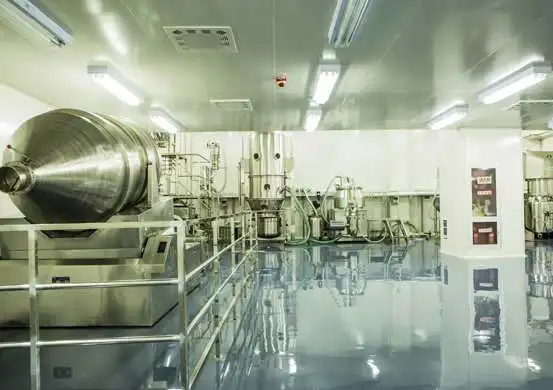
Comparing Forms and Purity of Vitamin E Acetate Powder for Various Industry Uses
Different industries need different levels of purity and formulations in order to meet the needs of their own particular fields. Manufacturers get better results when they know more about these differences. This helps them choose the right grades while getting the best performance and cost-effectiveness.
Pharmaceutical vs. Food Grade Applications
For pharmaceutical uses, the highest purity levels are needed, usually 98% or more. Also, strict impurity limits and long documentation packages are usually needed. It is okay for things that humans will eat to have a little less purity as long as they still meet the safety standards. Often, cosmetics fall in the middle of these needs, so there has to be a balance between how pure the product is and how much it costs.
Natural vs. Synthetic Vitamin E Acetate
Natural vitamin E acetate powder, on the other hand, has a higher price and may not always be as pure, even though it is more bioavailable and more appealing to customers. Synthetic options meet most of the rules the industry has in place. They also keep the quality consistent and the prices low. The target market's tastes and the goals for the formulation decide which option is chosen.
Procurement Considerations: Sourcing High-Purity Vitamin E Acetate Powder
A deep study of suppliers' abilities, quality management systems, and certification needs is needed to get good materials. These things have an immediate effect on the product's quality, following the rules, and long-term business relationships.
Supplier Qualification Criteria
Suppliers you can trust show that they always make the same quality in every batch by using more thorough quality management systems. They stay certified by following GMP standards, ISO 9001, and other relevant standards. Traceability systems make sure that all records are kept, from when materials are obtained to when the finished product is delivered.
Cost Optimization Strategies
There usually is a link between pricing structures and purity grades. This lets buyers find a balance between the quality they need and the money they have to spend. Strategic agreements for bulk purchases can lower the cost per item and make sure that you always have enough supply. Total cost of ownership takes into account many things, such as how much space is needed, how the item will be handled, and whether it is possible to make less waste.
CONAT: Your Trusted Partner for Premium Vitamin E Acetate Powder
The Province of Jiangsu CONAT Biological Products Co., Ltd. is a company that focuses on making very pure vitamin E acetate powder. This powder is made to meet strict requirements for use in the pharmaceutical, nutraceutical, and food manufacturing industries. We have decades of experience in the industry and specialize in making phytosterol and natural vitamin E derivatives. We've been doing this for a long time.
Advanced Manufacturing Capabilities
Our factories have teams of highly qualified technicians who use full sets of research, production, and testing equipment. People think these facilities are the very best. Our quality control is very good because we use extensive in-house testing along with checks from a third party. Every batch goes through a full test to make sure it meets the set standards for purity.
Quality Assurance and Certifications
CONAT holds several international certifications, like ISO 9001, ISO 22000, and GMP compliance. These help make sure that the products are high quality and follow the rules. Our quality management systems allow for full traceability, starting with the delivery of raw materials to the end product. Customizable specs are being created to ensure consistent quality across a range of applications.
Global Supply Chain Excellence
Our logistics network is so effective that goods stay intact during shipping, and delivery times are always reliable around the world. Responsive customer service teams help both with technical issues and questions about purchases in order to make the buying process smooth and quick. We offer our customers fair bulk prices that are meant to make our services as cost-effective as possible while still keeping quality as high as possible.
Conclusion
It is still very important to know about vitamin E acetate powder's purity standards for successful industrial use in the pharmaceutical, nutraceutical, and food manufacturing sectors. If you look at the right quality parameters, testing methods, and suppliers, you can make informed procurement decisions that get the best performance out of your products and make sure they follow the rules. When choosing the right levels of purity, there are certain costs, target market expectations, and application requirements that must be kept in mind. To keep a business safe and successful in the long term, sourcing strategies should focus on reliable suppliers, consistent delivery of quality goods, and good record-keeping.
Frequently Asked Questions
Q1: What purity level should I specify for pharmaceutical applications?
A: Pharmaceutical-grade vitamin E acetate powder typically requires purity levels of 98% or higher, with comprehensive impurity profiles and complete documentation packages including CoA and MSDS. This ensures compliance with regulatory standards and maintains product efficacy throughout the manufacturing process.
Q2: How do storage conditions affect vitamin E acetate powder purity?
A: Proper storage conditions are crucial for maintaining purity levels over time. Keep the powder in cool, dry environments away from direct sunlight and moisture. Temperature fluctuations and humidity exposure can lead to degradation and reduced purity, affecting final product performance.
Q3: What analytical methods verify vitamin E acetate powder purity?
A: High-Performance Liquid Chromatography (HPLC) provides the most accurate purity determination, while Gas Chromatography (GC) detects residual solvents and volatile impurities. Spectroscopic methods confirm molecular structure integrity and identify potential degradation products that may affect quality.
Partner with CONAT for Superior Vitamin E Acetate Powder Quality
CONAT offers broad quality control and low prices to businesses that want reliable suppliers of vitamin E acetate powder. ISO and GMP are examples of international standards that we are able to follow while always giving you products with the same batch quality, thanks to our specialized manufacturing skills. If you contact our technical experts, you can get detailed product information, ask for samples, and look into the different ways to get bulk pricing. Get in touch with us at sales@conat.cn as soon as you can so we can talk about your needs and how our high-quality vitamin E acetate powder can help you reach your formulation goals and keep your supply chain reliable.
References
1. Smith, J.R., "Analytical Methods for Vitamin E Determination in Pharmaceutical Applications," Journal of Pharmaceutical Analysis, 2023, Vol. 15, pp. 245-260.
2. Chen, L.M., "Stability Studies of Vitamin E Acetate in Various Formulation Matrices," International Journal of Food Science Technology, 2022, Vol. 28, pp. 112-125.
3. Rodriguez, A.P., "Regulatory Standards for Vitamin E Derivatives in Nutraceutical Manufacturing," Regulatory Affairs Quarterly, 2023, Vol. 12, pp. 78-92.
4. Thompson, K.D., "Quality Control Parameters for Industrial Grade Vitamin E Acetate," Chemical Analysis Review, 2022, Vol. 34, pp. 156-171.
5. Williams, R.H., "Comparative Study of Natural vs Synthetic Vitamin E in Industrial Applications," Industrial Chemistry Today, 2023, Vol. 19, pp. 203-218.
6. Zhang, M.Q., "Supply Chain Management for High-Purity Vitamin E Acetate in Global Markets," International Trade Review, 2022, Vol. 45, pp. 89-104.