
Understanding the Vitamin E Content in Natural Feed Additives and Its Impact
Understanding how much vitamin E is in natural feed additives is very important for people who work with animal feeding and purchasing. Natural vitamin E powder for feed applications demonstrates superior bioavailability compared to synthetic alternatives, and the FDA says that natural types are about twice as useful biologically. This better bioavailability immediately leads to better antioxidant protection, better immune function, and better general animal health results across a wide range of livestock species.
Overview of Natural Vitamin E Powder in Animal Feed
Vitamin E powder made from natural sources is an important part of current animal nutrition plans because it is a strong antioxidant that protects cells and helps animals do their best. Through special extraction methods, this important mineral is mostly obtained from wheat germ oil, soybean oil, and sunflower oil. It has many health benefits that go beyond basic nutritional needs.
Plant-Based Sources and Extraction Methods
To make natural vitamin E powder of good quality, plants that are high in tocopherols and tocotrienols must be carefully chosen. There are a lot of d-alpha-tocopherol molecules in wheat germ oil. This is the biologically active form of vitamin E. Molecular distillation methods that are very advanced keep the natural stereoisomer configuration. This keeps the better bioactivity that makes natural vitamin E different from synthesized versions.
Regulatory Compliance and Feed-Grade Standards
In North America and Europe, strict quality standards are set for feed-grade vitamin E products by the governments. The Association of American Feed Control Officials (AAFCO) sets specific purity standards, and EU rules require full recording of all manufacturing methods and quality control measures. These rules make sure that Natural Vitamin E Powder for Feed uses meet the highest standards for safety and effectiveness.
Manufacturers of feed have to deal with a lot of complicated certification rules, such as following Good Manufacturing Practice (GMP) guidelines, ISO 9001 quality management systems, and Hazard Analysis Critical Control Points (HACCP) processes. With these certificates, procurement workers can be sure that the products they are buying are reliable and follow all the rules.
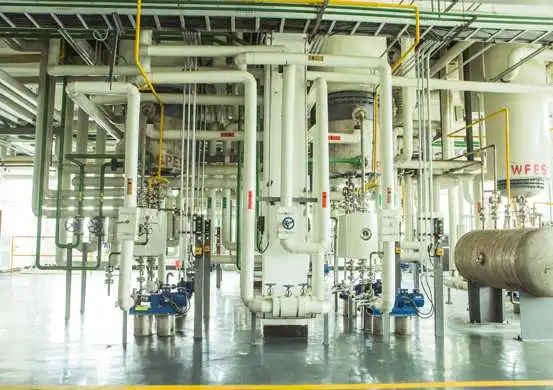
Comparative Insights: Natural Vitamin E Powder vs. Synthetic Alternatives
There are more differences between natural and manufactured vitamin E than just changes in name. There are also big differences in molecular structure, biological action, and how natural vitamin E powder for feed can be used in animal feeding.
Chemical Composition and Bioavailability
Vitamin E is found naturally as d-alpha-tocopherol, which has a single stereoisomer structure that is easy for mammals to identify and use. The name for synthetic vitamin E is dl-alpha-tocopherol, and it has eight different stereoisomers, but only one of them is the same as the natural form. This change in structure explains why natural vitamin E is much more bioavailable and stays in animal cells longer.
Natural vitamin E builds up much more quickly in animal cells than manufactured versions, according to research from the National Academy of Sciences. This better retention means that antioxidants are better protected and supplements aren't needed as much, which is good for both cost and nutrition for feed formulators.
Cost-Effectiveness and Storage Considerations
Natural vitamin E usually costs more than manufactured versions, but the higher bioavailability often makes up for the extra cost by lowering the amount that needs to be added and improving animal performance. Instead of just looking at the prices of the ingredients, procurement pros should look at the total cost-effectiveness.
Stability in storage is another important thing to think about for large-scale feed businesses. When kept properly, natural vitamin E powder has a very long shelf life and keeps its strength for a long time without losing much of its effectiveness. Using the right containers that are filled with nitrogen and keeping the temperature stable helps keep the quality of the product throughout the supply chain.
Selecting the Best Natural Vitamin E Powder for Livestock Feed: Criteria and Market Offerings
When you buy natural vitamin E powder, you need to think about a number of quality factors, as well as the seller's reputation and the company's position in the market. These all have an impact on the supply chain's long-term success.
Essential Quality Parameters
Natural vitamin E powder for feed providers should be pure. This is the most important thing to look for. A lot of high-end products have at least 50% d-alpha-tocopherol, and the best ones have amounts above 70%. When writing an analysis paper, tocopherol levels like alpha, beta, gamma, and delta fractions should be included. This would completely clear up the product's makeup.
The size range of the particles affects how bioavailable they are and how well they mix in finished food. Particles with a size between 100 and 300 mesh work best because they stay stable during processing and are spread out evenly in the feed matrix. There should be less than 3% moisture in things so they don't go bad and their shelf life stays the same.
Certification and Compliance Documentation
Full permission files help you tell the difference between sellers you can trust and those you shouldn't. Getting certified organic for high-end markets, non-GMO Project proof for clean-label uses, and kosher or halal approval for certain market groups are all important.
You show that you care about food safety and providing uniform quality by getting qualified in quality management systems like ISO 9001 and ISO 22000. These licenses give procurement workers faith in how well sellers handle risks and how reliable they are.
Procurement and Supply Chain Considerations for Natural Vitamin E Powder
Effective strategies for getting natural vitamin E powder for feed include evaluating suppliers, making the most of transportation, and following risk management rules that make sure the product is always available at a price that is competitive.
Supplier Network Evaluation
To build strong relationships with suppliers, you need to carefully look at their manufacturing skills, quality systems, and financial security. Leading suppliers keep separate research and development sites, which lets them keep improving their products and giving customers expert help.
Geographic diversity among source networks lowers the risks in the supply chain that come from problems in one area or changes to regulations. Building ties with suppliers in different countries gives you options and makes sure you don't lose your way when problems arise.
Logistics and Storage Optimization
Specifications for packaging have a big effect on how stable the product is and how easy it is to handle. Multi-layer packing methods with nitrogen flushing and metal foil barriers keep the quality of the product while it is being shipped and stored. For large-scale activities, bulk packing choices like 25 kg drums and 200 kg containers cut down on the cost of handling.
Keeping an eye on the temperature along the whole supply chain protects the quality of the product and makes it last longer. It is best to store things between 15 and 25°C and keep the relative humidity below 60% to keep them from absorbing water and possibly going bad.
Maximizing the Impact of Natural Vitamin E Powder in Animal Feed: Best Practices
To strategically use natural vitamin E supplements, you need to know what each species needs, the best way to give them, and how they will work with other parts of the feed.
Species-Specific Dosage Recommendations
Animals need different amounts of vitamin E depending on their physiological needs, the stage of production, and external stresses. Depending on the stage of production, poultry farms add 25 to 50 IU per kilogram to their feed, while pig farms use 15 to 30 IU per kilogram.
Ruminant nutrition plans take into account ruminal breakdown, which means they need special coating technologies to keep vitamin E safe while it's being digested. Protected forms make sure that the body can absorb them properly in the small intestine, which increases their biological usefulness.
Synergistic Combinations and Feed Interactions
Natural vitamin E works better when mixed with selenium, making powerful antioxidant combinations that are stronger than the benefits of either component alone. The best amounts of selenium to vitamin E are between 0.1 mg and 0.3 mg of selenium for every 30 IU of vitamin E. This gives cells full protection against oxidative stress.
Combining it with other antioxidants, like vitamin C and carotenoids, boosts its total antioxidant power and helps the defence system work better. Natural Vitamin E Powder for Feed recipes has antioxidant systems that are carefully tuned and work on a number of oxidative pathways.
Performance Monitoring and Quality Assurance
By using thorough monitoring methods, feed makers can keep track of how well supplements are working and change formulations based on how well they work. Tissue vitamin E levels can be checked regularly to get objective information about how well supplements are working and how bioavailable they are.
To keep the vitamin E level stable throughout the production process, quality assurance programs should regularly check suppliers, test new materials, and analyze final feed. These rules make sure that theoretical models actually work to give animals better nutrition.
Conclusion
Natural vitamin E powder is an important part of current animal feeding programs because it is more bioavailable and protects against free radicals than synthetic versions. To make sure regular product delivery, choosing the right suppliers takes a close look at quality standards, certifications, and the supply chain's abilities. Effective execution strategies include dosage guidelines that are specific to each species, mixtures of nutrients that work well together, and full tracking methods that improve animal health. If people who work in procurement understand these important factors, they can make decisions that improve the quality of feed while keeping costs low.
FAQ
1. What distinguishes natural vitamin E from synthetic forms in feed applications?
Synthetic vitamin E has eight different stereoisomers, but natural vitamin E only has the d-alpha-tocopherol stereoisomer. Because of this change in structure, natural forms are about twice as bioavailable. This means that animals can better keep and use natural vitamin E. The increased bodily activity means that antioxidants work better, and you don't need as many supplements.
2. How can procurement managers verify supplier authenticity and product quality?
Reliable sellers give full analytical reports that show how much tocopherol is in the product, how pure it is, and how many contaminants were found. GMP compliance, ISO quality control systems, and feed-grade approvals from the right regulatory authorities are all important qualifications. Regular third-party testing and source facility checks give extra proof that the product is real and that it was made according to the standards.
3. What are the recommended dosage ranges for different livestock species?
Depending on the stage of production, pig farms use 15 to 30 IU per kilogram of feed, while poultry farms use 25 to 50 IU per kilogram of feed. Because ruminants' rumen breaks down nutrients, they may need higher doses and often need safe forms to make sure they absorb them properly. The exact needs change depending on external factors, production needs, and the amount of complementary nutrients in the food.
4. How does storage affect Natural Vitamin E Powder for feed quality?
Keeping vitamin E in the right conditions will keep it active and increase its shelf life. The best temperatures for holding are between 15 and 25°C, and the relative humidity should be less than 60%. Oxidation can be stopped by packing that is filled with nitrogen and keeping the product away from light. Natural vitamin E powder stays effective for 24 to 36 months after it is made, as long as it is stored properly.
Partner with CONAT for Premium Natural Vitamin E Feed Additives
CONAT specializes in manufacturing high-purity Natural Vitamin E Powder for Feed applications, combining advanced extraction technologies with rigorous quality control systems. Our comprehensive product portfolio includes standardized tocopherol concentrates and customized formulations designed to meet specific livestock nutrition requirements. As an experienced natural vitamin E powder for feed manufacturer, we maintain ISO certification and GMP compliance, ensuring consistent product quality and regulatory compliance for global markets. Contact our technical team at sales@conat.cn to discuss your specific requirements and request product samples that demonstrate our commitment to excellence.
References
1. National Research Council. "Nutrient Requirements of Swine: Eleventh Revised Edition." The National Academies Press, Washington, DC, 2012.
2. Traber, M.G. "Vitamin E Regulatory Mechanisms." Annual Review of Nutrition, vol. 27, 2007, pp. 347-362.
3. Association of American Feed Control Officials. "Official Publication 2023." AAFCO Incorporated, Champaign, Illinois, 2023.
4. European Food Safety Authority. "Scientific Opinion on the Safety and Efficacy of Vitamin E as Feed Additive for All Animal Species." EFSA Journal, vol. 8, no. 10, 2010.
5. Surai, P.F. "Natural Antioxidants in Avian Nutrition and Reproduction." Nottingham University Press, Nottingham, United Kingdom, 2002.
6. Brigelius-Floh茅, R. and Traber, M.G. "Vitamin E: Function and Metabolism." The FASEB Journal, vol. 13, no. 10, 1999, pp. 1145-1155.
YOU MAY LIKE