
Using Tocopheryl Succinate in Immune Support Supplements
It is very important to choose the right vitamin E substance when making advanced immune support pills. This affects both how well the pills work and how well the customers do. There is a type of vitamin E called tocopheryl succinate that is esterified and dissolves in water. A strong antioxidant that helps maintain cell comfort and supports immune cells at the molecular level. Because of the way its molecules are structured, it stays more solid while it is being made and while it is being stored. Because of this, companies that make dietary supplements, nutraceuticals, and functional foods that want to make their goods stand out with scientifically proven, clean-label ingredients like this one use it more.
What is Tocopheryl Succinate and How Does It Support Immune Health?
Understanding the Molecular Structure
A certain kind of alpha-tocopherol has been changed and mixed with succinic acid in a certain way. Tocopherol turns into a solid molecule when an ester is added to it. This molecule helps protect cells from damage better than tocopherol alone. Still, it does a lot of work for living things. It helps vitamin E keep its shape while it's being made, stored, or broken down. This makes sure that defense cells always have what they need.
Mechanism of Immune System Support
This vitamin E product can help your body's protection in a number of ways. Lymphocytes and other immunity cells are protected from free radical damage when the immune system is strong. The best way for defense cells to do their job is when they have enough antioxidants to help them. The membranes on them are still in good shape, so they can still send emails. A lot of research in immunology journals has shown that vitamin E-rich foods can help the immune system work well without making it too active.
Differentiation from Other Vitamin E Forms
If you let air and light hit d-alpha tocopherol, it quickly changes from its original form. On the other hand, the succinate form stays the same no matter what the composition is. Acrylated tocopherol is another form of vitamin E that is made when you mix tocopherol with acetic acid. It is better to use tocopheryl succinate. Different from the acetate groups, the succinate group changes the defense system in a different way. In addition, it helps cells take in more of the stuff. The difference between these two is even more important when you are making immune-boosting foods.
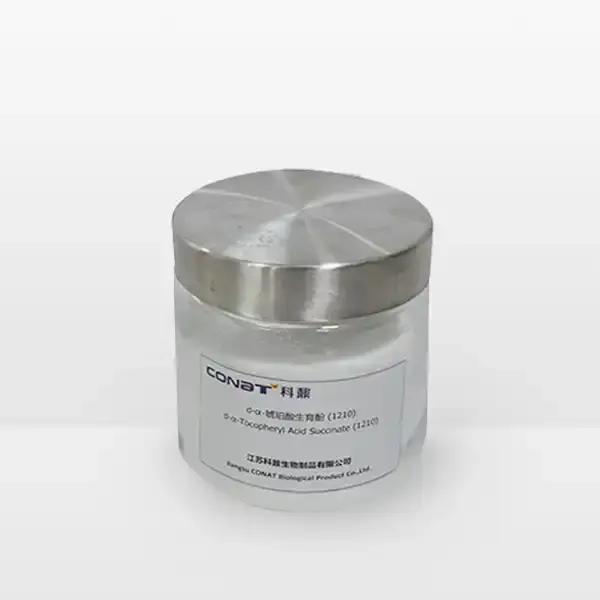
Key Benefits of Tocopheryl Succinate in Immune Supplements for B2B Buyers
Superior Stability and Extended Shelf Life
Manufacturers always face the task of ensuring that ingredients stay useful for as long as a product is on the market. This problem is directly addressed by the esterified structure of this form of vitamin E, which guards against oxidative breakdown that can affect regular tocopherol. Formulas that are esterified maintain effectiveness better than formulas that aren't esterified during accelerated stability tests. This stability makes it easier to predict how the product will perform, lowers the cost of reformulating, and supports customer satisfaction. All of these things have a direct impact on how people feel about the brand and how often they choose the same product again.
With the longer stable profile, it's also easier to handle transport and storage. Products retain the strength they claim even when kept in different conditions. That reduces loss of aged stock and makes it easier for goods to reach many places. Brands that do business in a lot of different areas will really appreciate this ingredient because of its useful properties.
Multi-Functional Product Development Opportunities
This vitamin E product (as tocopheryl succinate) does more than just support the defense system. It also has other advantages that allow supplement makers to create products that serve multiple purposes. It helps maintain skin cell comfort from oxidative stress, which supports the protective function of the skin. It can be used for beauty-from-within items because of this. As an antioxidant, sports nutrition brands use it to address oxidative stress from exercise while also supporting the immune system. Active individuals appreciate this combination.
Because of this, R&D teams can develop complete wellness recipes that meet a wide range of customer needs in a single product. Brands can market these mixtures as all-around wellness options instead of selling single-ingredient supplements. This allows them to offer greater value and meet the needs of a broader customer group.
Regulatory Compliance and Safety Profile
Regulatory acceptance is very important for product companies that want to enter new areas. Many governing bodies, such as the FDA's regulations on dietary supplements and the EU's rules on food additives, recognize this form of vitamin E. It is suitable for use at the recommended amounts, which for adults are generally between 100 and 400 IU per day. This is backed by substantial scientific evidence.
When the ingredient comes from appropriate sources, it is generally recognized as safe (GRAS). This facilitates regulatory applications and speeds up market entry. It's easier for manufacturers to establish their own safety profiles when they have accepted daily intake amounts and clear safety documentation. This clear regulatory status is especially helpful when making products for medical nutrition lines or pharmaceutical-grade uses that require strict documentation.
Formulating Immune Support Supplements with Tocopheryl Succinate
Optimal Dosage Considerations
Finding the right dose amounts means balancing cost, effectiveness, and suitability. Many studies have shown that people can support their immune system by getting between 200 and 400 IU of vitamin E every day as an antioxidant. It is important for formulation teams to know the molecular weight of the esterified form in order to calculate its equivalence to natural tocopherol. Because the succinate group adds about 20% to the molecular weight, the amount needs to be adjusted for vitamin E to function similarly.
Based on the individual's age, the dose should be carefully considered. For children over two years old, the dose typically starts at 50 to 100 IU. For medical nutrition purposes, different amounts may be used with professional guidance. This is especially relevant for individuals with absorption considerations that affect how they process fat-soluble vitamins.
Delivery Format Selection
Because this vitamin E product disperses in water, it can be used in more ways than just oil-based delivery methods. Manufacturers can use it in:
- Capsule formulations remain a reliable way to deliver nutrients. These can be filled with either powder or liquid. Vegetable or gelatin capsule shells that are firm keep the ingredient safe from external factors and ensure accurate dosing. Good manufacturing practices for pharmaceutical-grade products require batch-to-batch consistency. Proper encapsulation equipment makes this possible.
- Powder formulations are popular because consumers who enjoy flexible supplement options like powder forms that are easy to mix into foods or drinks. Water-dispersible vitamin E does not have the oily feel that comes with fat-soluble vitamin E. This enables smooth blends. Powder blends need careful moisture control during making and packing to prevent clumping and maintain flow.
- Liquid delivery systems disperse and absorb quickly, making them a good choice for sports nutrition where fast nutrient availability is important. Liquids need appropriate preservation and pH management to maintain quality over time. Containers made of sturdy plastic or amber glass protect light-sensitive items while also meeting sustainability standards.
These diverse delivery options empower brands to match product formats with target consumer preferences, whether convenience-focused millennials seeking on-the-go solutions or traditional supplement users preferring familiar capsule presentations.
Addressing Formulation Challenges
You need to be aware of any possible compatibility considerations with this item before adding it to a complex mixture. Native tocopherol and the succinate ester group behave differently, which influences mixing requirements and buffer selection. Formulators often use specific techniques to enhance stability and availability.
When phospholipids or modified starches are used for encapsulation, the active ingredient is supported with tocopheryl succinate, and the digestive system can process it effectively. These carrier systems create uniformly sized particles so they mix properly in powder formulations. The powder will not settle or separate during storage this way. Modern encapsulation also helps manage any natural flavors, which is important for liquids or foods that people eat or drink because taste influences acceptance.
Ascorbyl palmitate and rosemary extract are antioxidants that work together to protect the active ingredients in a recipe by addressing free radicals that could affect vitamin E. When these antioxidants work together, they help preserve the product and maintain freshness longer than if stabilized by just one ingredient. Once the formulation is ready, quality control labs use accelerated aging studies to monitor oxidation indicators.
Tocopheryl Succinate Procurement Guide for B2B Clients
Quality Standards and Certifications
The quality of your goods and regulatory compliance depend on sourcing choices. Reputable suppliers maintain various certifications that demonstrate adherence to global quality standards. ISO 9001 certification ensures robust quality management systems are in place at every stage of production, from raw material sourcing to final product release. ISO 22000 certification covers food safety management comprehensively, which is very important for items that will be used in functional foods or supplements.
When a facility obtains appropriate GMP certification for the application, such as FDA-compliant GMP for supplements or pharmaceutical GMP for medicinal products, they follow strict guidelines about cleanliness, documentation, and quality control. Kosher and Halal certifications make the market more accessible for buyers who follow religious food guidelines. These certifications are valued by customers across North America and global markets.
Pharmaceutical-grade specifications require tighter purity standards, for example, limits on heavy metals, residual solvents, and microbial counts. Meeting these higher standards requires advanced analytical tools and strict process controls. The associated costs reflect this, but such standards are important for premium applications.
Evaluating Supplier Reliability
Procurement teams should look beyond certifications to operational capabilities that ensure consistent quality and supply. Reliable suppliers provide a full Certificate of Analysis for every batch of your product. This includes test results for identity, purity, potency, and contaminants. This batch documentation meets traceability requirements and enables prompt action if quality questions arise.
The difference between good and excellent manufacturers is transparency. Third-party audits or site visits confirm that written procedures match actual practices. Suppliers that conduct their own research and development (R&D) can assist customers with formulation optimization and stability questions by offering helpful guidance.
Given current global supply considerations, supply chain resilience is very important. Suppliers that maintain adequate finished goods inventory and multiple raw material sources reduce the risk of disruptions that could halt production or force costly recipe changes. Long-term supply agreements that guarantee certain quantities often secure better pricing and ensure product availability during market tightness.
Pricing Dynamics and MOQ Structures
The prices of vitamin E products in the market vary based on raw material costs, production capacity, and demand levels. Because the price of natural-source tocopherol relates to vegetable oil markets, the prices of these products are not fixed. Synthetic options tend to have more stable prices, but they may not align with marketing strategies that focus on natural positioning and clean labels.
Minimum order quantities for Tocopheryl Succinate vary among suppliers. These can range from as little as 25 kg drums for newer brands up to multiple tons for better bulk pricing. Mid-size supplement companies typically trade in standard quantities, weighing per-unit cost against inventory-carrying costs. Total cost of ownership includes more than just the price per kilogram; it also includes payment terms, shipping arrangements, and technical support services.
Conclusion
The type of vitamin E you choose has a significant impact on product performance, stability, and market positioning. Tocopheryl Succinate offers many advantages, including enhanced antioxidant protection, versatile applications, and strong regulatory acceptance across global markets. Its unique chemical structure helps maintain immune cell comfort from oxidative stress and supports balanced immune function. B2B buyers benefit from longer product shelf life, easier regulatory compliance, and the opportunity to develop premium formulations that deliver greater value. As consumer demand grows for scientifically supported, clean-label ingredients, manufacturers can create innovative immune support products by understanding sourcing, formulation, and appropriate dosing.
FAQ
1. Can Tocopheryl Succinate cause unwanted responses in sensitive individuals?
The suitability profile for this vitamin E product is very high when used in appropriate amounts. Regulatory bodies, including the FDA, recognize it as suitable for use in food supplements. Potential unwanted responses are very rare and typically only occur when very high amounts (over 400 IU per day for a long time) are taken daily. Some people may experience mild digestive adjustments at first, such as feeling different or having loose stools. This can happen when they start taking more vitamins. Noticeable responses like rashes, itching, or swelling are very uncommon. People who take medicines to support blood fluidity should consult their doctors before starting vitamin E supplements, because large amounts of vitamin E may influence blood clotting. Standard amounts intended to support the immune system are well within recognized suitable limits, based on decades of research and real-world use.
2. How should manufacturers store bulk Tocopheryl succinate to maintain quality?
Proper storage will maintain potency. In a nitrogen or argon atmosphere, it is best to store bulk items in containers with tight lids that limit oxygen exposure. Keeping items in cool, dry places that stay between 15°C and 25°C helps minimize degradation. To protect containers from direct light, use dark boxes or amber containers. If you keep the ingredient this way, it should retain at least 98% of its potency 24 to 36 months after manufacturing. Always double-check the supplier's storage instructions and expiration dates, because formulation-specific factors may influence stability.
3. Does this ingredient work synergistically with other immune-supporting compounds?
It is well recognized that goods with vitamin E perform better when combined with other antioxidants and immune-supporting nutrients. Vitamin C helps maintain vitamin E molecules. This improves overall performance and supports antioxidant protection. It works alongside vitamin E's protective systems in different ways, and selenium supports its role. Zinc helps immune cell development and function when combined with antioxidant support. This gives the immune system comprehensive support. Beta-glucans and other ingredients that influence immune function work well with vitamin E products. Products that support the immune system can be developed with these combinations for broader benefits.
Partner with CONAT for Premium Tocopheryl Succinate Supply
You can trust the company that makes Tocopheryl Succinate, Jiangsu CONAT Biological Products Co., Ltd. They have been making natural vitamin E goods for a long time and have strict quality control systems in place. Our state-of-the-art companies keep their GMP, Kosher, Halal, ISO 9001, and ISO 22000 certifications up to date. This makes certain that each batch is as clean as it needs to be for advanced immunity support formulas. We give full academic papers to back up regulatory applications in every market in the world. Our skilled R&D team can also help you with recipe and provide quick customer service. Our low prices make it possible for a wide range of order sizes, from small amounts to make a product to full-scale production to sell. Get in touch with our buying agents at sales@conat.cn to talk about your needs, request samples, and learn how our high-quality vitamin E products can help your line of immune supplements meet the high quality standards of today's health-conscious customers.
References
1. Traber, M.G. and Atkinson, J. (2007). "Vitamin E, antioxidant and nothing more." Free Radical Biology and Medicine, 43(1), 4-15.
2. Lewis, E.D., Meydani, S.N., and Wu, D. (2019). "Regulatory role of vitamin E in the immune system and inflammation." IUBMB Life, 71(4), 487-494.
3. Jiang, Q. (2014). "Natural forms of vitamin E: metabolism, antioxidant, and anti-inflammatory activities and their role in disease prevention and therapy." Free Radical Biology and Medicine, 72, 76-90.
4. Wu, D. and Meydani, S.N. (2014). "Vitamin E, immune function, and protection against infection in older adults." Nutrition and Immunity, Humana Press, 205-224.
5. Constantinou, C., Papas, A., and Constantinou, A.I. (2008). "Vitamin E and cancer: An insight into the anticancer activities of vitamin E isomers and analogs." International Journal of Cancer, 123(4), 739-752.
6. Zingg, J.M. (2015). "Vitamin E: A Role in Signal Transduction." Annual Review of Nutrition, 35, 135-173.
YOU MAY LIKE