
Vitamin E Acetate Powder Antioxidant Properties: Benefits for Skin and Health
A stable type of vitamin E called vitamin E acetate powder is very good at protecting against free radicals and can be used on the skin or inside the body. This fat-soluble molecule neutralizes free radicals well, protecting cell structures from oxidative damage and supporting good skin function, immune response, and heart health. Vitamin E acetate powder is a popular ingredient in both pharmaceutical formulations and nutritional goods. It is more stable and bioavailable than other vitamin E forms, which makes it an important ingredient for both health-conscious customers and formulation scientists.
Introduction
The current health and fitness business is becoming more and more aware of how important antioxidants are for staying healthy. Out of all of these strong substances, vitamin E acetate powder stands out as one of the most useful and flexible ingredients that can help with both skin care and overall health.
The skincare, pharmaceutical, and nutrition industries have all become big fans of this steady, oil-soluble form of vitamin E because it protects cells from oxidative stress and keeps formulations stable very well. As people learn more about the health benefits of antioxidants, there is a big demand for high-quality vitamin E molecules that work consistently in a wide range of situations.
Vitamin E acetate powder is strategically important for more than just its health benefits; it also has big business benefits for people who buy things from other businesses. More and more, makers and formulators around the world are looking for trusted, high-purity ingredients that make products work better while also meeting strict legal requirements. This substance meets these goals by being very consistent from batch to batch, having a long shelf life, and working well with a wide range of manufacturing methods in many different businesses.
Understanding Vitamin E Acetate Powder and Its Antioxidant Properties
Chemical Structure and Stability Advantages
Vitamin E acetate powder is different from other types of vitamin E because it has a different chemical structure and is more stable. Natural forms of tocopherol break down quickly when they come into contact with air and light, but the acetate ester formation keeps the active vitamin E molecule from breaking down. This change to the chemicals makes a stable molecule that keeps its effectiveness while being stored and processed. When the body absorbs it, it changes back into active vitamin E.
The powder form is better for mixing than the liquid form of vitamin E oil, especially when exact doses and a long shelf life are needed. The resistance to rancidity of the powder and its suitability with heat-sensitive production methods widely used in pharmaceutical and nutritional manufacturing make the manufacturing process easier.
Antioxidant Mechanism and Free Radical Protection
When vitamin E acetate powder is used as an antioxidant, it works through a complex cellular defense system to stop dangerous free radicals from damaging DNA and cell walls. When vitamin E acetate enters the body, enzymes change it into alpha-tocopherol, which is the most biologically active form of vitamin E and goes straight into cell membranes.
This combination lets the substance stop fatty peroxyl radicals from starting a chain reaction of oxidative damage that leads to early aging, inflammatory responses, and many degenerative conditions. Research shows that having enough vitamin E lowers oxidative stress signs by a large amount and supports good inflammation reactions all over the body.
Industrial Safety Standards and Regulatory Compliance
Today, strict quality standards are used to make vitamin E acetate powder. These include Good Manufacturing Practices (GMP), ISO certifications, and FDA rules. These standards make sure that the levels of purity stay the same, that heavy metals aren't added too much, and that there aren't any dangerous solvents or processing leftovers left over that could make the product less safe or less effective.
Doses should be different depending on the purpose and the people who will be taking the supplement. For general health care, most supplements have between 15 and 30 IU per dose. Topical formulas usually have amounts between 0.1 and 1% to get the best antioxidant protection without irritating the skin or making the mixture unstable.
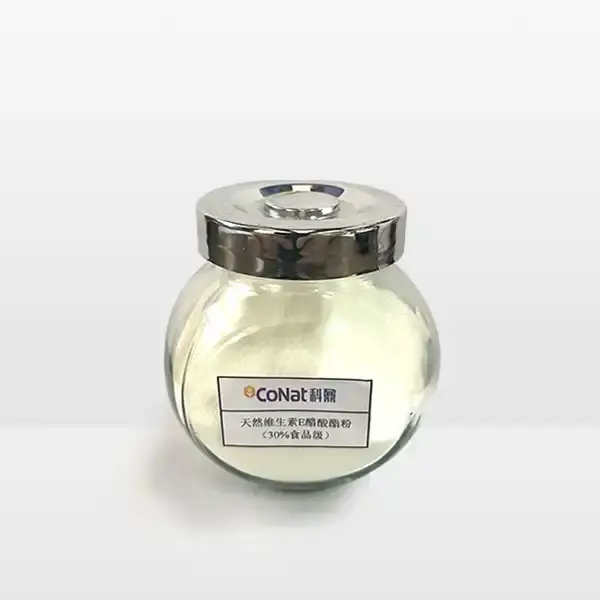
Benefits of Vitamin E Acetate Powder for Skin, Hair, and Nails
Anti-Aging and Skin Repair Properties
Clinical studies regularly show that vitamin E acetate powder has important anti-aging benefits. It does this in a number of ways that address both the obvious signs of aging and the damage that cells are experiencing. The compound's ability to protect collagen fibers from oxidative damage helps keep the skin flexible and tight while also making fine lines and age spots look less noticeable.
Vitamin E helps cells turn over and wounds heal, which is good for skin repair. Studies have shown that putting vitamin E on the skin speeds up the healing process after small skin damage and lowers inflammatory signs that are linked to aging too quickly. The chemical also improves the skin's natural barrier function, which keeps wetness in and protects against harmful external factors.
Hydration Enhancement and Moisture Retention
Being able to improve the skin's lipid layer and stop transepidermal water loss is what makes vitamin E acetate powder hydrating. Individuals with dry or sensitive skin who have problems naturally keeping moisture in can benefit a lot from this process.
Formulation makers often mix vitamin E acetate with other hydrating ingredients to make them work better together and make the skin more hydrated overall. The results of these mixes are usually better than those of the individual chemicals. This makes vitamin E acetate an important part of high-end skin care products for older or damaged skin.
Hair Growth and Scalp Health Support
New study shows that vitamin E acetate powder helps hair grow in a healthy way by increasing blood flow to the head and lowering oxidative stress in hair cells. Antioxidants also protect the environment on the head, making it the best place for healthy hair growth and keeping current hair strands safe from damage.
Fewer inflammations, better blood flow, and better supply of nutrients to hair cells are all good for scalp health. These benefits help hair grow faster and stronger, and they may also make the growth part of the hair cycle last longer. Vitamin E acetate is being used more and more in professional hair care products to help with problems like thinning hair and sensitive scalps.
Nail Strengthening and Cuticle Care
Vitamin E acetate powder is good for your nails because it protects the structure of your nails and the tissues around them. Regular use or addition helps nails grow stronger and stops them from breaking and cracking, which can happen because of environmental damage or not getting enough nutrients.
Vitamin E's healing and soothing qualities are especially good for cuticle health. These properties help keep the protective seal around the nail base and keep painful hangnails and infections at bay. Vitamin E acetate is a key ingredient in many professional nail care products that help nails grow and look healthy.
Comparison and Selection: Vitamin E Acetate Powder vs Alternatives
Stability and Formulation Compatibility Analysis
When you look at vitamin E acetate powder next to other options like tocopherol powder and vitamin E oil, stability is the main thing that sets it apart. This is what affects how well the recipe works and how long the product lasts. Vitamin E acetate stays active for a long time when stored normally, but natural tocopherols may lose their power after being exposed to light and air for a few months.
Another important thing to think about is formulation compatibility, especially for companies that use heat-sensitive processes or water-based systems. When compared to oil-based options, which may need special emulsification methods, the powder form is easier to mix into solid tablet forms and has better dispersion properties.
Processing benefits include a lower chance of rancidity developing, better flow qualities during production, and higher stability in finished goods that are stored in a variety of conditions. Because of these things, production prices go down, and quality is more consistent across large-scale manufacturing processes.
Natural vs Synthetic Sourcing Considerations
When choosing between natural and manufactured sources of vitamin E acetate, you have to think about cost, consumer tastes, and government rules. Natural vitamin E acetate, which comes from vegetable oils, usually costs more, but it has benefits in goods aimed at health-conscious people who value natural chemicals.
Synthetic vitamin E acetate has the same biological effects as natural vitamin E, but it costs less. This makes it appealing for big production companies that prioritize cost-effectiveness when making purchasing decisions. Both types are pure enough to be used in pharmaceuticals and have the same safety rating when made with the right quality controls.
Consumer opinion studies show that claims of natural sourcing can help a product sell better, especially in high-end supplement categories where the source of an ingredient affects buying choices. Bioavailability studies, on the other hand, show that there aren't many changes between high-quality natural and manufactured types when they are made and given correctly.
Quality Certifications and Performance Optimization
To choose the right vitamin E acetate powder, you need to carefully look at the quality certifications that make sure the powder is always pure and works well. Some important certificates are ISO 9001 for quality management systems, GMP compliance for medicinal uses, and specialized certifications like Kosher and Halal approval for goods that are aimed at certain groups of people.
Optimizing performance depends on matching the powder's properties to the needs of the application. These properties include the particle size distribution, moisture content, and flowability, all of which affect how efficiently the powder is made. It's common for premium types to have better solubility or special coats that make them more bioavailable or stable in tough manufacturing conditions.
Procurement Guide: Sourcing High-Quality Vitamin E Acetate Powder
Manufacturer Evaluation and Quality Assurance
To get high-quality vitamin E acetate powder, you should first carefully look at the skills, certifications, and quality control methods of possible producers. Leading providers keep detailed records of their production methods, where they get their raw materials, and how they test finished products. These records show that they always give high-quality goods.
FDA approval and GMP compliance are basic requirements for pharmaceutical and nutritional uses. They make sure that production sites meet strict standards for cleanliness, paperwork, and quality control. These licenses give customers peace of mind that the goods they buy will meet the rules in all of their markets while still having the same high quality.
As part of quality assurance processes, each batch should have a certificate of analysis that lists the purity levels, heavy metal content, microbial testing results, and stable data. Manufacturers with a good reputation will instantly provide this information, and they welcome independent lab tests to back up their quality promises.
Pricing Factors and Bulk Order Considerations
The price of vitamin E acetate powder depends on many things, such as the cost of the raw materials, the amount that is made, the quality grade, and the approval standards. When you know about these things, you can negotiate and plan your budget for long-term buying tactics more effectively.
Some of the benefits of placing a bulk order are lower prices per unit, priority handling during supply gaps, and better technical help from the manufacturer's sales teams. A lot of providers have tiered pricing systems that give better prices and service to customers who make bigger purchases.
Price changes in the market are often linked to the supply of raw materials and changes in global demand patterns. This is why managing relationships with suppliers is so important for keeping costs stable. Building ties with multiple qualified providers is a common part of successful buying strategies. This helps ensure low prices and supply security.
Logistics and International Shipping Solutions
When sending vitamin E acetate powder internationally, you need to pay close attention to regulations, paperwork needs, and storage conditions that keep the product's stability during travel. Experienced providers offer full transportation support, which includes the right packing, tracking of temperatures, and customs paperwork that speeds up delivery while keeping product quality high.
Storage and handling rules make sure that goods keep the quality traits that were agreed upon throughout the supply chain. These rules usually include limits on temperature, humidity, and light exposure that keep things from breaking down during long shipping times.
Sampling and OEM Service Availability
Sample evaluation is an important part of qualifying suppliers because it lets purchasing teams check the quality and performance of products before committing to bigger orders. Professional providers give full paperwork and example samples, which allow for thorough testing in real-life use situations.
OEM services are useful for businesses that need specific formulas, packing, or the ability to put their own labels on products. These services help brands stand out while using the manufacturer's knowledge of how to make formulations work better and follow regulations in various market groups.
Conclusion
Vitamin E acetate powder is an important ingredient for businesses that want to improve the recipes of their products by adding antioxidants that work well and make them more stable. The substance can be used in skin care, health supplements, and pharmaceuticals. It also works well with many other ingredients and lasts a long time, which makes it an important part of many modern health and fitness goods.
There is strong evidence that vitamin E acetate powder is good for your face, can help with anti-aging, and is good for your general health. It also meets the high-quality standards that today's health-conscious customers expect. For buying to go smoothly, suppliers must have the right skills, quality certifications, and expert help to make sure that their work is always up to par with regulations and meets the needs of a wide range of market uses.
FAQ
Q1: What distinguishes vitamin E acetate powder from vitamin E oil in formulations?
Vitamin E acetate powder offers superior stability and easier handling compared to vitamin E oil, particularly in solid dosage forms and heat-sensitive manufacturing processes. The powder form resists oxidation and rancidity while providing more precise dosing control and longer shelf life in finished products.
Q2: How can buyers ensure ingredient purity and safety when sourcing vitamin E acetate powder?
Buyers should verify supplier certifications, including GMP compliance and ISO quality standards, request certificates of analysis for each batch, and consider third-party testing verification. Reputable suppliers provide comprehensive documentation of purity levels, heavy metal content, and microbiological testing results.
Q3: What are typical shelf life considerations for bulk vitamin E acetate powder storage?
Properly stored vitamin E acetate powder typically maintains potency for 24-36 months when kept in cool, dry conditions away from direct light. Bulk storage should include moisture control, temperature monitoring, and proper container sealing to prevent degradation and maintain specified quality parameters.
Q4: How does vitamin E acetate powder interact with other supplement ingredients?
Vitamin E acetate demonstrates excellent compatibility with most supplement ingredients, though it may enhance the absorption of fat-soluble vitamins and should be considered when formulating complete nutritional products. Professional formulation guidance helps optimize ingredient combinations for maximum efficacy and stability.
Partner with CONAT for Premium Vitamin E Acetate Powder Solutions
CONAT's expertise as a trusted vitamin E acetate powder manufacturer enables us to deliver exceptional quality ingredients that enhance your product formulations and market competitiveness. Our pharmaceutical-grade manufacturing processes, comprehensive quality certifications, and extensive technical support ensure that your procurement needs receive the professional attention they deserve.
We invite you to experience the CONAT advantage through our complimentary sampling program, detailed quotations, and personalized formulation consultations tailored to your specific product requirements. Our team stands ready to provide customized ingredient solutions that support your innovation goals while meeting the most demanding quality and regulatory standards.
Contact our experienced sales team at sales@conat.cn to discuss your vitamin E acetate powder requirements and discover how our proven manufacturing excellence and customer-focused service approach can contribute to your product success.
References
1. Traber, M. G. (2007). Vitamin E regulatory mechanisms. Annual Review of Nutrition, 27, 347-362.
2. Thiele, J. J., Hsieh, S. N., & Ekanayake-Mudiyanselage, S. (2005). Vitamin E: critical review of its current use in cosmetic and clinical dermatology. Dermatologic Surgery, 31(7), 805-813.
3. Brigelius-Flohé, R., & Traber, M. G. (1999). Vitamin E: function and metabolism. The FASEB Journal, 13(10), 1145-1155.
4. Keen, M. A., & Hassan, I. (2016). Vitamin E in dermatology. Indian Dermatology Online Journal, 7(4), 311-315.
5. Institute of Medicine (2000). Dietary Reference Intakes for Vitamin C, Vitamin E, Selenium, and Carotenoids. Washington, DC: The National Academies Press.
6. Packer, L. (1991). Protective role of vitamin E in biological systems. The American Journal of Clinical Nutrition, 53(4), 1050S-1055S.
YOU MAY LIKE