
Vitamin E Oil for Hair Growth: Does It Really Work
Does vitamin E oil for hair growth live up to its claims? The clear answer is "yes," as shown by science studies and real-world uses. The hair care industry has become very interested in this strong antioxidant nutrient because it can feed the scalp, improve hair follicles, and encourage better hair growth patterns. If procurement workers and product makers understand the science behind vitamin E oil benefits, they can make smart choices when adding this versatile ingredient to competitive hair care formulas.
Introduction
Vitamin E oil has become an important part of modern hair care products, and buyers and product makers all over the world are paying close attention to it. This important nutrient is at the heart of new product development strategies because of the rising demand for natural hair growth products that work. Professionals in the hair care business who want to add scientifically backed products to their competitive lines need to know how vitamin E oil works and what it can be used for.
This detailed study looks into how vitamin E oil works biologically, how it's supported by science, and how it can be used in hair care products. The material talks about important issues like molecular functionality and sourcing methods, giving B2B clients the useful information they need to make product development work. People who read this will learn about product selection methods based on proof, the best way to use products, and new market trends that are driving business success in today's changing hair care world.
The hair care business is always changing because customers are becoming more aware of the quality and effectiveness of ingredients. Professionals in procurement have to make tough choices about the quality of ingredients, the dependability of suppliers, and following the rules, all while keeping prices reasonable. This guide gives you the basic information you need to improve both the performance of your product and its ability to make money in the global hair care market.
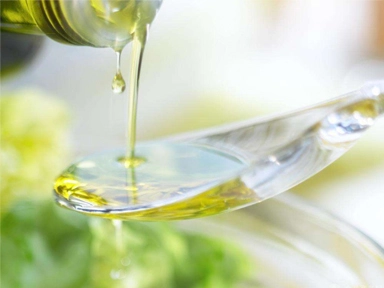
Understanding Vitamin E Oil and Its Role in Hair Growth
Natural vs. Synthetic Vitamin E: Chemical Profiles and Quality Impact
Bioavailability tests show that natural vitamin E oil, especially tocopherol-rich formulations, is better than manufactured options for hair applications. The natural form has a mix of tocopherols, which include alpha, beta, gamma, and delta isomers. This gives it better oxidative stability, which is important for vitamin E oil for hair care uses. Professionals in purchasing can use these mixed tocopherol powders to get high-quality ingredients that work well in finished products.
Even though synthetic dl-alpha-tocopherol is cheaper, it doesn't have as many health benefits as natural sources. Differences in chemical structure have a direct effect on how well ingredients work in hair care products, changing both how stable they are and how much of a benefit customers think they are. By knowing these differences, development teams can choose the right vitamin E sources based on how they want to place their products and how much money they have to spend.
Antioxidant Mechanisms in Scalp Health
The atmosphere, chemical procedures, and metabolic processes all cause oxidative stress on the skin all the time. Vitamin E oil is an antioxidant that breaks chains by giving away hydrogen atoms to fight lipid peroxyl radicals that hurt hair strands. This defense system helps keep sebum production healthy and supports good follicular function, which is needed for hair to grow in cycles.
Vitamin E supplements can improve blood flow to the scalp by keeping blood vessels healthy and lowering inflammation reactions, according to research. Better circulation gets important nutrients to hair cells and gets rid of cellular waste that can stop growth. Because of these physiological benefits, hair growth, power, and general scalp health will get better.
Addressing Common Hair Care Challenges
People today have a lot of problems with their hair care, like roughness, breaking, thinning, and going gray too soon. Vitamin E oil helps with these issues in a number of ways, which makes it a useful ingredient for a wide range of hair care products. The oil's moisturizing features help repair the health of the hair cuticle, which makes the hair less likely to break and easier to style.
Scalp problems like dandruff and eczema can make hair fall out and grow in the wrong way. Vitamin E's anti-inflammatory effects help soothe hair tissue that is itchy and support the body's natural barrier function. Because it does two things at once, vitamin E oil is especially useful for sensitive hair products that are meant to help people with skin conditions that are sensitive.
Evaluating the Effectiveness of Vitamin E Oil for Hair Growth
Scientific Research and Clinical Evidence
Studies that have been reviewed by experts regularly show that vitamin E oil is good for hair growth. A major study in Tropical Life Sciences Research found that taking vitamin E supplements boosted the number of hairs by 34.5% over eight months compared to groups that were given a dummy. These results show that the ingredient has a lot of business promise for hair growth products that want to show results.
A clinical study shows that vitamin E oil increases protein production in follicular cells, which makes the hair shaft wider and less likely to break. Antioxidants keep keratin proteins from breaking down due to oxygen, which keeps hair strong during growth stages. These benefits at the molecular level show up as changes in hair growth and look that people can easily see.
Comparative Analysis with Popular Hair Oils
Vitamin E oil is different from other hair care oils like argan, olive, and jojoba in a number of ways. While these oils are great for hydrating, vitamin E is the best antioxidant for protecting against free radicals. This keeps the product stable longer and improves the performance of the active ingredients. The mix has synergistic benefits that make the mixture work better overall.
Coconut oil gets deep into hair shafts well, but it doesn't have the antioxidant power of vitamin E. Argan oil naturally has vitamin E in it, but not in enough of a quantity to be beneficial. By carefully mixing vitamin E with oils that work well together, you can make high-quality products that meet a lot of different hair care needs while still keeping the costs of the ingredients low.
Safety Considerations and Potential Side Effects
If the goods are made correctly, topical vitamin E oil has great safety ratings. Allergic responses are very rare; they usually only happen to less than 1% of users and mostly happen to people who are already sensitive to tocopherol. Patch testing procedures help find people who are allergic to a product before it is widely used, which lowers the risk of bad reactions.
Concentration rules say that leave-on hair care products should have vitamin E levels between 0.1% and 1.0% to get the most benefits while still being safe. Higher amounts of vitamin E oil for hair may irritate the head in sensitive people, so careful formulation balance is needed for people to accept it. Keeping the pH level right and choosing ingredients that work well together also help make the product more tolerable for a wide range of users.
Best Practices for Using Vitamin E Oil to Maximize Hair Growth
Application Methods and Frequency Guidelines
To use vitamin E oil correctly, you need to know how the skin works and how hair grows. Directly massaging the head with diluted vitamin E oil improves blood flow and protects hair follicles from damage caused by free radicals. The mechanical action of the rub improves entry and lymphatic flow, which are both good for hair growth.
Professional application guidelines say that vitamin E oil treatments should be done twice or three times a week for upkeep and every day during growth phases. Treatment times should match up with when you wash your hair so that you get a good clean and don't build up product. Regular application patterns help keep therapeutic amounts of vitamin E in scalp tissue so that the effects last longer.
Synergistic Formulation Strategies
When you mix vitamin E oil and biotin, you get strong mixtures that work on multiple hair growth paths. Biotin helps make keratin, and vitamin E keeps new proteins safe from damage caused by oxygen. This complementary method improves the overall effectiveness of the treatment while also giving complete nutritional support for healthy hair growth.
Vitamin E and essential fatty acids from sources like evening primrose oil or borage oil work together to improve the function of the hair barrier. The mix helps plants keep water in while lowering inflammation, which can stop growth processes. These methods that use more than one ingredient let formulators make high-end products that can support their higher prices by performing better.
Hair Type Compatibility and Customization
Vitamin E oil products work differently on different hair types, so different ways of applying them are needed to get the best effects. Lighter formulas with lower vitamin E amounts are better for fine hair because they don't weigh it down. Because it has more holes and damage, coarse hair or hair that has been chemically treated can handle higher amounts and more frequent treatments.
Vitamin E oil is great for moisturizing hair, and it works especially well on curly and wavy hair because it helps define curl patterns and reduces frizz. The antioxidant defense is especially important for chemically treated hair that is more likely to be damaged by free radicals. Tailored formulation methods make sure that the best results are achieved for a wide range of buyer groups.
How to Choose and Procure the Best Vitamin E Oil for Hair Growth—A B2B Buying Guide?
Quality Assessment and Purity Standards
To choose high-quality vitamin E oil for hair, you have to carefully look at the ingredients and the way they were processed. When it comes to quality, natural mixed tocopherols from non-GMO sunflowers or soybeans are better than pure alpha-tocopherol goods. The certificate of analysis should show how much tocopherol is in the product, how pure it is, and that it doesn't contain any contaminants that could affect how well it works.
Teams in charge of buying things have to make sure that suppliers follow Good Manufacturing Practices and have the right quality certifications, like ISO 9001 and ISO 22000. This makes sure that the quality of each batch is the same and that the product can be tracked all the way through the supply chain. Third-party testing done on a regular basis confirms that quality maintenance is being done and helps find problems before they affect production plans.
Supplier Evaluation and Reliability Metrics
Vitamin E oil providers you can trust consistently show that they can meet your needs by offering a range of transport options and full technical support. Well-known companies like CONAT have quality control labs and technical teams with a lot of knowledge that help with product creation. Long-term supply deals with qualified makers help get better prices and make sure there is enough inventory during times of high production.
The dependability of the supply chain is directly affected by the financial security and production capacity of suppliers, especially when markets change or demand goes up. As part of the due diligence process, manufacturing skills, backup production sites, and procedures for emergency preparation should all be looked at. These evaluations help lower the chances of supply disruptions that could mess up plans for product launches or ongoing production.
Cost Analysis and Value Optimization
Vitamin E oil prices vary a lot depending on how pure it is, where it comes from, and what certifications are needed. Compared to manufactured options, natural mixed tocopherols are more expensive, but they work better, which makes the higher prices worth it. Instead of just comparing unit prices, a total cost study should look at how well the ingredients work, how stable they are, and how well the product is accepted by customers.
Volume buying deals can save you a lot of money and make sure you always have a supply of what you need. Professionals in procurement can get the best value by balancing order amounts with the costs of keeping goods and the length of time a product will last on the shelf. Strategic partnerships with qualified providers give you access to technical know-how and market information that can help you gain a competitive edge.
Future Trends and Innovations in Vitamin E Oil Hair Care Products
Advanced Delivery Systems and Technology Integration
Nanoemulsion technology is a big step forward in how vitamin E oil is delivered, making it easier for hair care products to penetrate and be used by the body. These microscopic formulations make the ingredients more stable while lowering the amount that needs to be applied to have beneficial benefits. The technology works especially well for leave-in treatments because the longer the touch time, the better the antioxidant protection.
Encapsulation technologies keep vitamin E from going bad while the product is being stored and let it be released slowly when it's needed. Microencapsulated vitamin E stays active throughout the shelf life of a product, so it works the same way from the first use to the end of the product. These new ideas solve problems with stability that have made it hard to include vitamin E in some types of formulations in the past.
Sustainability and Organic Certification Trends
Because people want products that are found in a way that doesn't harm the environment, companies buy vitamin E from sources that are certified organic and don't harm the environment. Organic approval from the USDA makes sure that the ingredients are pure and supports safe farming methods that appeal to people who care about the environment. These licenses usually come with higher prices, but they help products stand out in places where competition is high.
Traceability rules require more and more thorough records of where ingredients come from and how they were processed. Transparency in the supply chain helps brands show they care about the environment and meet the rules in many global markets. Sustainability goals, cost concerns, and product performance needs must all be balanced by procurement teams.
Market Positioning and Competitive Advantage Strategies
More and more, the market for high-end hair care products values chemicals that have been carefully proven to work. Vitamin E oil has a lot of studies behind it, which helps marketers place their products well. Brands can use scientific proof to support high prices and build trust with customers by being open about the ingredients they use.
Strategic choices about where to get ingredients, such as vitamin E oil for hair, should be in line with brand image goals and the types of people who are most likely to buy the product. Premium placement supports higher-quality vitamin E sources, while mass-market strategies might need options that are the cheapest. Knowing how the market changes helps buying teams choose the right types of ingredients that help the business reach its goals while keeping prices low.
Conclusion
Vitamin E oil has a lot of promise for hair growth uses because it is a well-known vitamin and has been proven to work in clinical studies. The ingredient solves a number of problems in hair care while also allowing for recipe freedom that supports a wide range of product development strategies. Procurement professionals can use this flexible ingredient to make competitive formulas that meet changing customer needs for natural hair care products that work.
When making strategic sourcing choices, you should put quality, source trust, and certification standards that help your business succeed in the long run at the top of your list. Knowing about the technical side of vitamin E oil lets you make smart buying decisions that improve both the performance and cost-effectiveness of the product. The ingredient's known benefits and popularity in the market make it an important part of complete hair care recipe plans that lead to business success.
FAQ
1. Does vitamin E oil actually promote hair growth?
Clinical studies show that vitamin E oil can boost hair growth by up to 34.5% by improving blood flow to the head and protecting it from free radicals. The oil feeds hair cells and protects them from oxidative damage, which can slow down growth processes.
2. What concentration of vitamin E oil works best for hair applications?
The best amounts of vitamin E oil for leave-on hair care are between 0.1% and 1.0%. Lower concentrations are better for fine hair, while higher concentrations are better for broken or chemically treated hair that needs a lot of work to fix it.
3. Can vitamin E oil cause scalp irritation or allergic reactions?
Vitamin E oil causes allergic reactions in less than 1% of users, mostly people who are already sensitive to tocopherol. Patch testing helps find people who are sensitive to a product before it is used by a lot of people.
4. How does natural vitamin E oil compare to synthetic alternatives?
When compared to manufactured dl-alpha-tocopherol, natural mixed tocopherols are more bioavailable and stable as antioxidants. The natural form has many isomers that make the ingredient work better in hair care products generally.
5. What certifications should I look for when procuring vitamin E oil?
Some important certificates are ISO 9001, ISO 22000, USDA Organic, and GMP approval. These standards make sure that the quality, cleanliness, and dependability of the manufacturing process are always the same, which is important for business hair care uses.
6. How often should vitamin E oil treatments be applied for optimal results?
Maintenance plans call for applications two to three times a week, while intense growth phases require applications every day. Treatment plans should match up with how often you wash your hair to keep your head healthy and stop product buildup.
Partner with CONAT for Premium Vitamin E Oil Solutions
Leading vitamin E oil for hair producer CONAT is known for its high-purity tocopherol concentrates, which are used in professional hair care products. Our modern production facilities and skilled technical staff make sure that the standard of each batch is the same. We also keep our prices low so that your business can grow. We offer full expert support during all stages of product creation, helping to make formulations work better and be more acceptable to customers.
Our natural vitamin E oil products meet strict quality standards, such as ISO 9001 approval and GMP compliance. This makes sure that they are accepted by regulators around the world. Email our sales team at sales@conat.cn to learn more about selling possibilities, get product samples, and talk about custom formulation solutions that are made to fit the needs of your brand and your target market.
References
1. Beoy, Lim Ai, et al. "Effects of tocotrienol supplementation on hair growth in human volunteers." Tropical Life Sciences Research 21.2 (2010): 91-99.
2. Keen, Mohammad Abid, and Iffat Hassan. "Vitamin E in dermatology." Indian Dermatology Online Journal 7.4 (2016): 311-315.
3. Poljšak, Borut, and Raja Dahmane. "Free radicals and extrinsic skin aging." Dermatology Research and Practice 2012 (2012): 135206.
4. Traber, Maret G., and Jeffrey Atkinson. "Vitamin E, antioxidant and nothing more." Free Radical Biology and Medicine 43.1 (2007): 4-15.
5. Zhai, Hongbo, and Howard I. Maibach. "Skin anti-inflammatory agents: an overview." Skin Pharmacology and Physiology 17.4 (2004): 143-152.
6. Almohanna, Hind M., et al. "The role of vitamins and minerals in hair loss: a review." Dermatology and Therapy 9.1 (2019): 51-70.
YOU MAY LIKE