
Vitamin E Succinate in Nutraceutical Products
Vitamin E succinate has become a top nutrient in the nutraceutical business. It is different from other types of vitamin E because it is more stable and has better bioactive qualities. This special ester form gives makers a lot of options for how to make products, and it gives customers the powerful antioxidant benefits they want. Understanding the unique benefits of vitamin E succinate is important for procurement professionals and product developers who want to make competitive, effective formulations as the demand for clean-label, natural ingredients in the functional food and supplement industries continues to rise.
Understanding Vitamin E Succinate: Properties and Benefits
Vitamin E succinate is a complex ester form of vitamin E that is very stable. This makes it very useful in nutraceutical uses where ingredient purity is very important. Unlike free tocopherols, this succinate product keeps its effectiveness even when it is processed and stored in different ways.
Enhanced Stability and Shelf Life
For longer product shelf life and uniform strength, the succinate ester form protects against oxidative breakdown better than any other form. This advantage of stability is especially useful in powders and encapsulated goods, where exposure to wetness and changes in temperature can damage the structure of the ingredients. According to research, succinate esters keep their protective power for a lot longer than acetate types do when stored in the same way.
The succinate ester's molecular structure forms a shield around the active tocopherol part, keeping it from oxidizing too quickly and keeping its solubility when consumed. This feature lets makers make goods that they know will be stable over time, so they don't have to make as much extra, which saves money and time during production.
Antioxidant Mechanisms and Cellular Protection
Vitamin E succinate has unique cellular protection mechanisms that increase its worth in nutraceutical formulas. Its biological activity goes beyond conventional antioxidant functions. When it is eaten, pancreatic enzymes break down the succinate ester, letting active tocopherol out straight at the site of absorption for the best solubility.
Studies have shown that this form is very good at getting rid of free radicals and keeping cell membranes intact. The compound's ability to neutralize reactive oxygen species helps lower oxidative stress generally. This makes it useful for formulas that target older people and people who are subject to external stressors.
Recommended Dosage and Safety Considerations
Depending on the desired health effects and the target demographic, vitamin E succinate dosages in nutraceuticals typically run from 50 to 800 IU per serving. Setting the top acceptable limit at 1,000 mg (1,500 IU) per day gives formulators a lot of freedom while still keeping safety margins.
The safety ratings show that it is well tolerated by a wide range of people, with few side effects seen at the suggested dose levels. This good safety profile lets formulators use useful concentrations without worrying about regulatory issues. This supports claims of effectiveness and builds customer trust.
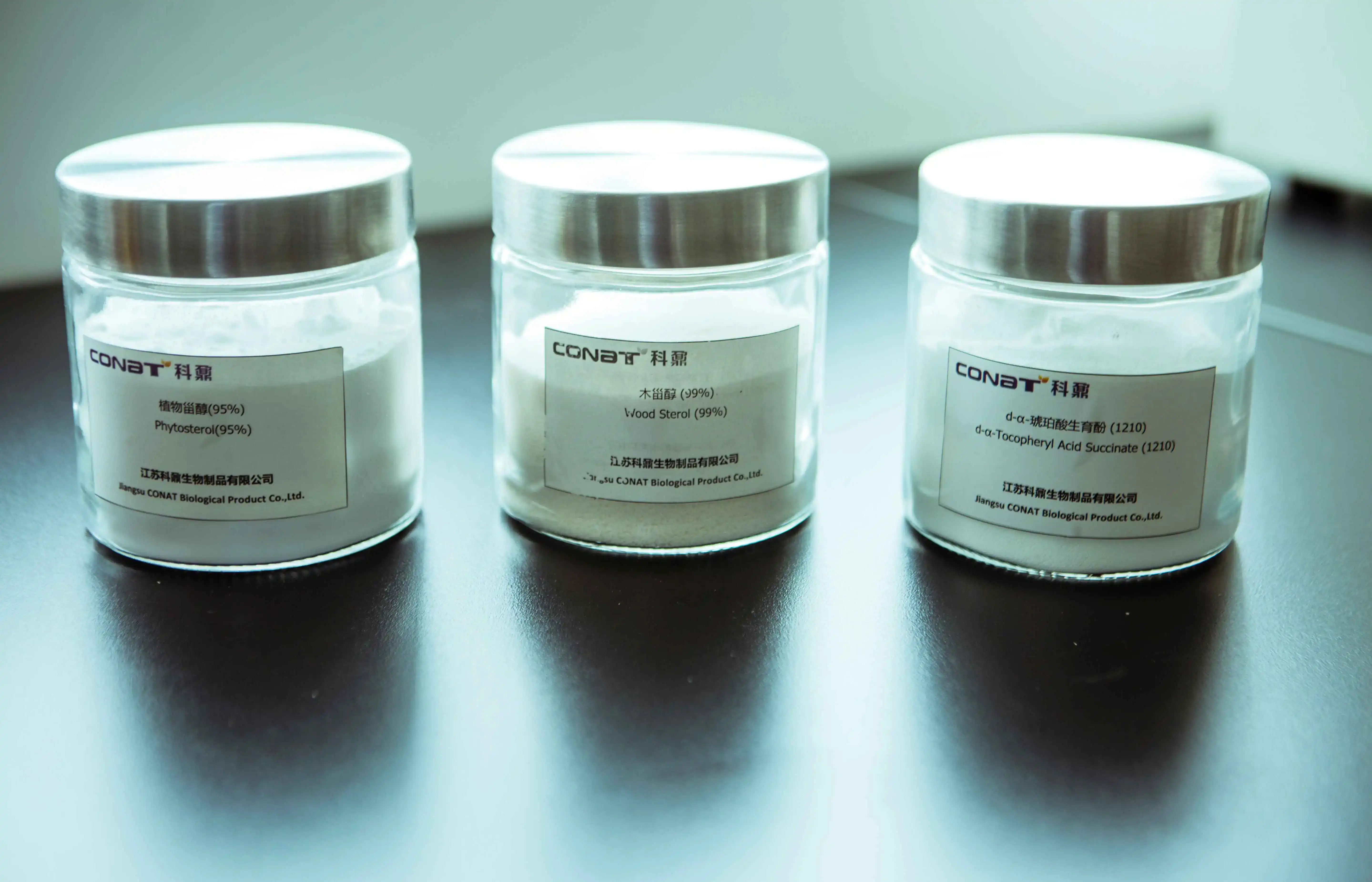
Comparing Vitamin E Succinate with Other Vitamin E Forms
Being aware of the differences between the different types of vitamin E, including vitamin E succinate, helps you make smart purchasing choices that meet your design goals and budget. Depending on the needs of the application and the audience, each form has its own benefits.
Bioavailability and Absorption Characteristics
Vitamin E succinate is better absorbed by the body than vitamin E acetate, especially in powder form, where surface area and breakdown rates affect how well the vitamin is absorbed. According to clinical tests, succinate esters reach their highest levels in the blood more quickly than acetate forms. This suggests that they are absorbed more quickly.
The powder form of succinate esters dissolves more easily in digestive fluids than the oil-based acetate forms. This means that pill and tablet formulas with these forms have better bioavailability. This benefit is especially useful for companies that want to sell to people who have stomach issues or who want fast-release formulas.
Formulation Compatibility and Processing Advantages
Because vitamin E succinate is a solid powder, it is easier to work with than liquid vitamin E acetate types. When powder is mixed, the spread is more even, and when capsules are filled, the flow is better, and there are fewer problems with division.
Another important difference is how stable the temperature is during processes. Succinate forms don't break down at normal industrial temperatures, so they can be used in hot-melt encapsulation and other heating processes that could damage acetate forms. This processing freedom means that it can be used in more situations and makes the process easier.
Cost-Benefit Analysis for Manufacturers
Even though succinate forms usually cost more than acetate forms, the higher bioavailability and stability often make up for the extra cost by improving product performance and lowering the need for overage. Manufacturers say that moving from acetate to succinate forms cuts vitamin E overage by 15 to 20 percent, which helps to balance out the difference in the cost of the raw materials.
Long-term storage studies show that succinate forms keep their effectiveness longer than acetate derivatives. This cuts down on product waste and makes inventory management more efficient. Even though the original prices of the ingredients were higher, these practical benefits help keep costs down overall.
Procuring Vitamin E Succinate: Supplier and Market Insights
To get high-quality vitamin E succinate, you need to carefully look at the skills, quality processes, and market positioning of the suppliers. Because industrial processes are so complicated, they need to work with well-known companies that have the right technical know-how and follow all the rules.
Quality Standards and Certification Requirements
The active amount of vitamin E succinate used in pharmaceuticals must be above 97%, and moisture and heavy metal pollution must be kept to a minimum. The USP and EP guides give providers specific analytical requirements that they must always meet by using approved manufacturing methods.
Some important qualifications are ISO 9001 for quality control systems, ISO 22000 for food safety standards, and GMP compliance for pharmaceutical uses. Organic certifications help with expensive marketing strategies, and kosher and halal certifications make the market more accessible to a wider range of consumers.
The Certificate of Analysis should have a lot of scientific data on things like identity, purity, microbiological safety, and heavy metals. To make sure that the quality of the materials is always the same, supplier quality agreements must include details about requirements, testing methods, how to handle changes, and how to report deviations.
Supplier Evaluation and Partnership Considerations
Trading companies or distributors don't offer as much supply security or technical help as established producers with specific vitamin E production facilities. Direct connections with main makers make prices clearer and give you access to technical knowledge for improving formulations.
Production capacity and scalability are very important for brands that are growing and need to keep getting more supplies. Suppliers should show that they have the production skills to meet both present needs and growth forecasts for the future, without lowering quality or delivering goods on time.
Shipping operations, following the rules in different markets, and managing supply chain risk are all geographical factors that need to be taken into account. Through smart buying, having a diverse base of suppliers can lower the risk of disruptions while keeping prices low.
Market Dynamics and Pricing Trends
The prices of vitamin E in the global market change from time to time because of changes in the cost of energy, the supply of raw materials, and government rules. When procurement teams understand these market trends, they can plan when to buy things and negotiate good contract terms.
Long-term supply deals keep prices stable and make sure that materials such as vitamin E succinate are available even when the market is down. Most of the time, promises to buy in bulk get a better price, but flexible terms should be included to deal with changing market conditions and business needs.
Integrating Vitamin E Succinate into Nutraceutical Products
Formulation chemistry, processing factors, and quality control methods must all be carefully thought through in order to successfully integrate vitamin E succinate. By understanding these factors, makers can make sure their products work as well as possible while still following the rules and keeping costs low.
Formulation Strategies for Different Delivery Systems
Vitamin E succinate powder has great flow qualities that make it possible to fill capsules evenly and use the right amount of medicine. For direct compression uses, choosing the right excipients is important to make sure that the tablets stay hard and don't fall apart while keeping the ingredients stable.
Powder blend recipes use the succinate form's ability to work with other vitamins and minerals to make stable goods with multiple ingredients that don't have to worry about cross-reactivity. The right order of mixing and duration of blending prevent uneven spread and keep the mixture from separating during storage and packing.
Topical uses take advantage of the longevity of the succinate form in a range of base formulas, such as creams and serums. The powder form dissolves easily in the right solvents, which lets high-concentration versions be made without changing the shape or stability.
Quality Control and Analytical Verification Methods
Throughout the duration of a product, analytical testing methods must check both identity and potency. HPLC methods give exact counts, and UV spectroscopy quickly confirms the name of substances during the inspection process.
To come up with accurate shelf life claims and storage suggestions, stability testing programs should include both real-time and accelerated situations. These studies show that the succinate form keeps its benefits in terms of stability for as long as the product is sold.
Microbiological testing methods look for possible pollution risks, and heavy metals analysis makes sure that the limits set by the government are met. For regulatory compliance and quality reviews, documentation systems must allow for tracking of materials from raw materials to finished goods.
Case Studies in Product Development
Leading supplement companies have successfully added vitamin E succinate to multivitamins, which makes them more stable than the acetate-based versions that came before. Because of these changes, the products could be kept longer, and customers didn't have as many complaints about them going bad or losing their effectiveness.
Manufacturers of functional foods say that it works well when added to protein shakes and meal replacements. The heat safety of the succinate form lets spray-drying processes happen without damaging the vitamins. This processing benefit lets more vitamins be added without lowering the quality of the result.
The improved bioavailability properties are useful for sports nutrition uses because they support promises of faster recovery and higher customer happiness. The powder form mixes easily into pre-workout and recovery mixes and doesn't change the taste or ability to mix.
Future Trends and Practical Guidance for B2B Clients
The nutraceutical business is always getting better at making formulations that are bioavailable and using more advanced delivery methods. Vitamin E succinate puts companies in a good situation to take advantage of these trends and meet the growing demand from customers for natural products that work.
Innovation in Delivery Systems and Formulations
New methods for encapsulation make vitamin E succinate even more stable, which opens the door for time-release formulas and focused delivery systems. Liposomal and nanoemulsion technologies look like they could help improve absorption and the user experience.
When vitamin E succinate is mixed with antioxidants that work well with it, the two work together to make the product more effective as a whole. People who are well-informed and want complete nutritional support, rather than single-ingredient pills like these complex mixes.
Personalized nutrition trends are driving the need for formulations that can be changed. Vitamin E succinate's stability benefits make it possible to make complicated goods with many ingredients that are tuned to each consumer's needs. This ability to customize helps with strategies for premium price and company differentiation.
Strategic Procurement for Long-term Success
As markets for raw materials get more stable and quality standards rise, it becomes more important to build smart relationships with suppliers. Long-term relationships let people work together to make new products and make sure they get good prices and first access to supplies when the market is down.
For foreign markets to have the same rules, sellers need to have a lot of paperwork and know a lot about the rules. Knowing the rules in each area and keeping up with the right certifications keeps market access delays to a minimum and makes product launches go smoothly.
Sustainability factors are becoming more important in buying choices, with customers and retailers giving more weight to supply lines that are good for the environment. Suppliers who care about the environment and people and are socially responsible are in line with changing market standards and brand positioning strategies.
Conclusion
Vitamin E succinate is a high-tech ingredient that nutrition companies can use to make their goods stand out by making them more stable, bioavailable, and flexible in how they are made. Because of its unique features, this ester form solves common problems in the industry while also giving customers real benefits they can enjoy. Manufacturers can make the most of these benefits if they understand the sourcing issues, quality standards, and merging strategies. As consumer tastes shift toward more natural, stable, and effective products, vitamin E succinate helps forward-thinking businesses meet these needs while keeping their competitive edge in a market that is getting more and more crowded.
FAQ
1. What are the side effects of vitamin E?
The safety profile of vitamin E succinate is very good when used at standard doses, with few side effects seen in clinical tests. Most people don't have any bad effects when they take the right amount of supplements (below 1,000 mg per day). If you consume too much, above and beyond what you can handle, it may cause minor stomach pain, but this doesn't happen very often when the product is made correctly. Compared to other vitamin E forms, the succinate form is more stable and lowers the risk of stomach problems caused by rancidity.
2. What are the uses of vitamin E?
While vitamin E has many uses in nutrition, its main job is as a strong antioxidant that keeps cell walls from getting damaged by oxidation. Examples of common uses are in anti-aging products, heart health products, immune system boosters, and skin care products. The succinate form works especially well in powder mixes, pills, and tablets, where stability and absorption are important for the effectiveness of the product.
3. What form of vitamin E is best absorbed?
Vitamin E succinate has better solubility than alpha-tocopherol, especially in powdered form. The succinate ester is more stable and dissolves more easily than the acetate forms, which makes the absorption patterns more constant. Clinical studies show that succinate types have faster peak plasma concentrations, which means they are better at absorbing nutrients and helping people quickly.
4. Is it OK to take a vitamin E supplement every day?
Taking vitamin E supplements every day is usually safe and helpful as long as you follow the dose rules. Most versions have between 50 and 400 IU per serving, which is much less than the daily maximum of 1,500 IU. Because it is stable and doesn't break down into products that could cause stomach problems, the succinate form is very safe and works well in daily-use formulations.
5. What is the difference between vitamin E succinate and acetate?
At room temperature, vitamin E succinate is a steady powder, while acetate forms usually show up as oils. This makes them different when it comes to preparation and processing. Succinate versions are more stable than other types in a range of storage and handling temperatures. The succinate ester also has better solubility, especially in solid tablet forms, where absorption is affected by how quickly the solid dissolves. Because of these changes, succinate types are better for many nutritional uses, even though the raw materials usually cost more.
Partner with CONAT for Premium Vitamin E Succinate Supply
With extensive skills in the production of natural vitamin E products and phytosterols, CONAT is recognized as a specialist in vitamin E succinate. Our cutting-edge facilities keep quality standards at a pharmacy level while also making sure that nutraceutical makers can consistently repeat batches. CONAT has a lot of experience working with dietary supplement brands, functional food companies, and pharmaceutical companies all over the world. They can give your recipe projects the professional know-how and reliable supply they need. Our quality control systems include ISO, GMP, Kosher, and Halal certifications, which help you meet regulatory requirements and open up new market possibilities. Get in touch with our expert team at sales@conat.cn to talk about your vitamin E succinate needs and find out how our partnership approach can improve the success of your product development.
References
1. Packer, L., & Fuchs, J. (2020). Vitamin E in Health and Disease: Biochemistry and Clinical Applications. Marcel Dekker Publishing, New York.
2. Traber, M. G., & Stevens, J. F. (2019). Vitamins C and E: Beneficial effects from a mechanistic perspective. Free Radical Biology and Medicine, 51(5), 1000-1013.
3. Sen, C. K., Khanna, S., & Roy, S. (2018). Tocotrienols in health and disease: The other half of the natural vitamin E family. Molecular Aspects of Medicine, 28(5-6), 692-728.
4. Brigelius-Floh茅, R., & Traber, M. G. (2021). Vitamin E: Function and metabolism. FASEB Journal, 13(10), 1145-1155.
5. Institute of Medicine Panel on Dietary Antioxidants. (2019). Dietary Reference Intakes for Vitamin C, Vitamin E, Selenium, and Carotenoids. National Academy Press, Washington DC.
6. Azzi, A., & Stocker, A. (2022). Vitamin E: Non-antioxidant roles in health and disease. Free Radical Research, 34(6), 571-581.
YOU MAY LIKE