
Vitamin E Succinate Supplier Buying Guide
Understanding what makes high-quality providers of vitamin E succinate different from low-quality ones is important for the success of your product on the market when you are looking for it for a nutraceutical or pharmaceutical preparation. This antioxidant form of alpha-tocopherol is much more stable and bioavailable than other forms, which makes choosing a seller an important part of the buying process. If you're making dietary supplements, functional drinks, or pharmaceutical-grade goods, it's important to choose makers with strict quality controls, clear licenses, and consistent performance from batch to batch. This will protect your brand's image and make sure you meet regulatory requirements.
Understanding Vitamin E Succinate: Key Insights for Procurement
The Chemical Profile and Antioxidant Properties
The chemical name for vitamin E succinate is d-alpha-tocopheryl acid succinate. It is an esterified form of alpha-tocopherol in which succinic acid links to the hydroxyl group. This chemical structure makes the product more stable during production and storage than tocopherol that has not been esterified. The substance keeps its antioxidant properties while making the shelf life longer, which is especially helpful for supplement makers who want to reach more people.
According to research released by the National Institutes of Health, this form is very good at getting into cells. Nutraceutical businesses' procurement teams know about this benefit when they are making formulas that need to be more bioavailable. The combination usually comes in the form of a white to off-white crystalline powder with an exact melting point range of 76°C to 78°C. This makes it easy to check the quality of incoming materials.
Application Versatility Across Industries
Procurement experts like that this material can be used in more than one industry at the same time. It is added to softgels, pills, and powder mixes by companies that make dietary supplements to help with antioxidants and cell health. Functional food designers use its ability to stay stable at high temperatures to add it to drinks and bars that are meant to be healthy.
Pharmaceutical firms use high-purity grades in some drug formulations and medical nutrition items. The compound's ability to dissolve in water after biochemical change makes it very useful for some medical uses. Animal nutrition formulators also get technical grades to add to feed to make it healthier, but the pure standards are very different from those for human-grade uses.
Purity Standards and Quality Benchmarks
Quality standards have a huge effect on choices about what to buy. For pharmaceutical use, the material needs to be at least 98% pure, and any impurities must be carefully analyzed. For food use, the purity level can be between 95% and 97%, based on the regulations in place. The amount of heavy metals, especially lead, cadmium, and mercury, must stay within the strict limits set by the USP, EP, or JP pharmacopeias.
For oral consumption goods, microbiological testing is now a must. Total plate count, yeast, mold, and pathogen screens keep end users safe and meet the needs of regulatory checks. Instead of taking generic specs, procurement teams should ask for Certificates of Analysis that show testing was done on each individual batch.
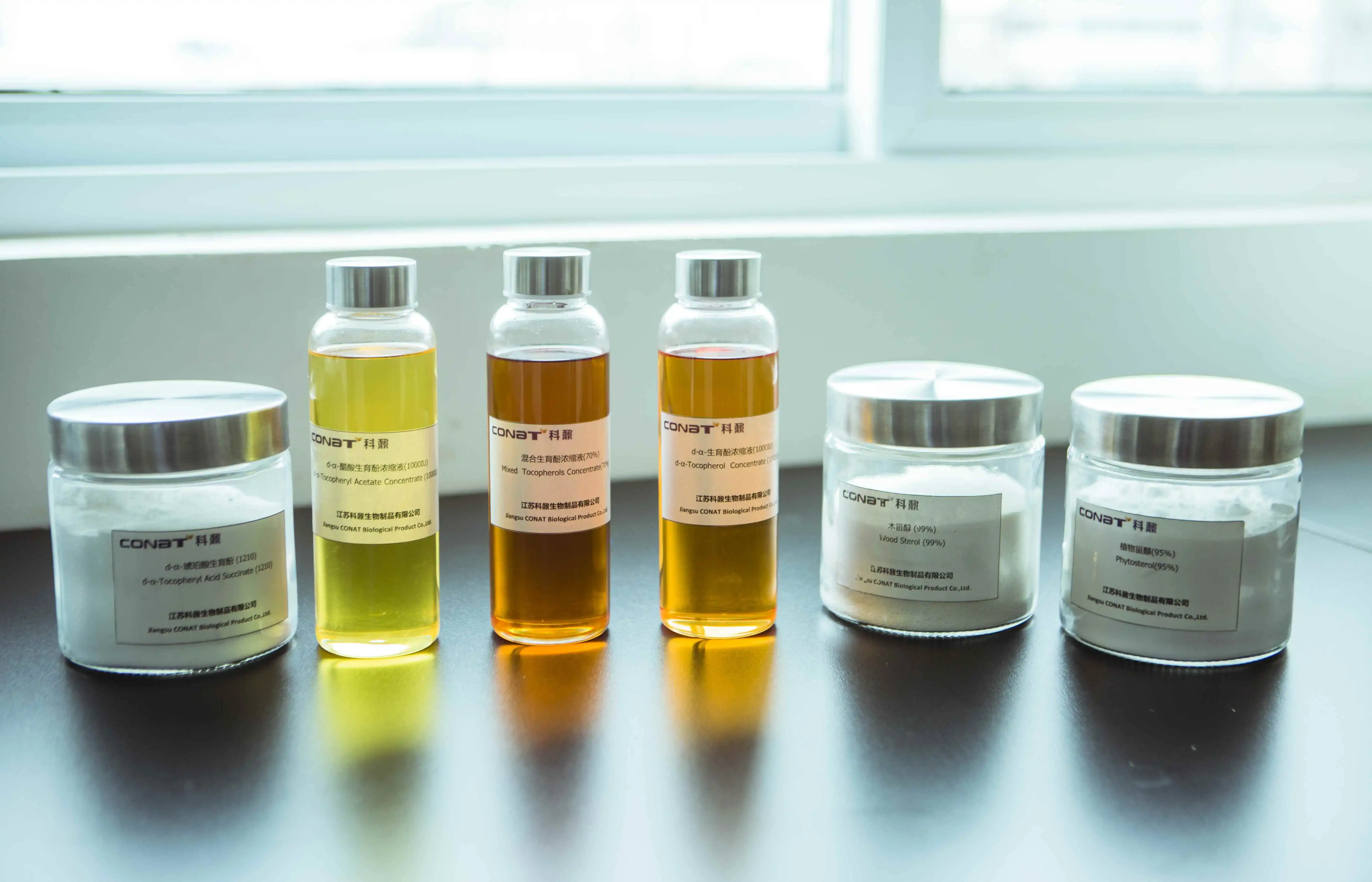
How to Choose the Right Vitamin E Succinate Supplier: Core Criteria Screening?
Certification and Compliance Framework
Getting rid of a lot of buying risk means finding sellers with full portfolios of certifications. If a company has GMP approval, it means that they use approved methods, keep environments under control, and keep records of their quality systems. ISO 9001 shows that a company is dedicated to quality management, and ISO 22000 is only about food safety management systems.
Kosher and Halal approvals make it easier for supplement brands that want to reach a wide range of people to get their products, including those containing vitamin e succinate, to more people. These religious compliance marks need to be audited and watched over by a third party on a regular basis. They show that the maker is committed to specific quality standards. Procurement managers should make sure that certificates are real by asking for certificate numbers and calling the organizations that issued the certificates directly.
Documentation for regulatory compliance is just as important. For pharmaceutical uses, suppliers should give DMF (Drug Master File) numbers. For entering the U.S. market, they should give the FDA registration information. For imported ingredients, they should show that they are in line with the Foreign Supplier Verification Program.
Production Capacity and Technical Capabilities
Knowing how big a supplier's production is helps buying teams decide if a partnership is a good idea. The manufacturer's annual production ability shows if they can keep up with your growth without having to limit their resources. The minimum order amounts depend on the type of business. For example, specialized producers may need bigger promises, while trading companies can handle smaller batches.
Technical skills are what set exceptional sellers apart from average ones. If a manufacturing partner has an in-house research and development team, they can change the product specs to fit your specific needs and change the particle sizes to fit your needs. Having access to high-tech testing tools like HPLC, GC-MS, and spectrophotometry shows that the scientific rigor goes beyond simple compliance.
Quality Control and Batch Consistency
Batch-to-batch consistency decides how well the final product works and how reliable the recipe is. People who work in procurement should ask about statistical process controls, standard ranges, and statistics on past variations. Suppliers who keep standards very close—often within ±2% on active content—show that they are good at producing and validating the process.
Quality control is more than just testing the final product. The supplier's complete quality mindset can be seen in their programs for qualifying raw materials, keeping an eye on the production process, and checking for stability. When manufacturers do rapid stability studies according to ICH standards, they give you useful shelf-life data that helps you stick to your product development schedules.
Transparency and Communication Standards
Being open with your suppliers builds trust, which is important for long-term relationships. Manufacturers who are ready to give tours of their facilities, share process flow diagrams, and talk directly about problems they're having with production show that they have faith in their business. In addition to commodity prices, responsive contact methods like technical support teams that answer formulation questions add a lot of value.
During regulatory checks and customer audits, being able to retrieve documentation is important. Your legal processes will be easier if your suppliers use electronic batch record systems that let you get information quickly. Support for multiple languages and customer service teams that work with different time zones makes foreign purchasing go more smoothly.
Comparative Overview: Vitamin E Succinate vs. Other Vitamin E Forms for Procurement Decisions
Structural Differences and Functional Advantages
Comparing different forms of tocopherol helps buying teams choose the best ingredients. Another esterified form of vitamin E is acetate, which is stable but needs to be changed by enzymes to be an antioxidant. It is just as stable as the succinate form, and a new study suggests it might have even more benefits for cells.
Natural mixed tocopherols have more antioxidant activity through their gamma and delta parts, but they are harder to formulate because they are less stable and have a darker color. When making purchases, people often weigh these trade-offs against marketing claims and cost. Clean-label names might like natural forms even if they are more difficult to work with, but medicinal uses put more importance on the well-defined chemical structure of succinate derivatives.
Natural Versus Synthetic Sourcing Considerations
The production of natural vitamin E succinate involves processing vegetable oils, usually from sunflower or soybeans, and then esterifying them. Synthetic forms use petrochemical starting materials to make a racemic mixture that has less biological action. Due to this difference, natural forms are priced 15–40% higher than synthetic options, based on the state of the market.
The procurement plan is affected by the supply line. Agricultural changes can affect the supply and security of prices for natural resources. The breakdown in the supply of sunflower oil in 2022 showed how global events can affect the markets for natural ingredients. The supply of synthetic goods is more stable, but some market groups may have trouble with how consumers see them.
Cost-Benefit Analysis for Procurement Planning
Finding the right balance between quality and price requires a lot of complex research. Pharmaceutical-grade succinate costs more than regular tocopherol, but because it is more stable, it may lower the overall cost of preparation by making it last longer and reducing the need for extra. Supplement brands often figure out the cost per dose instead of just looking at the price of the raw materials.
Most of the time, agreements to buy in bulk reveal pricing benefits. When compared to spot sales, annual contracts with planned deliveries may get you 8–15% off the price. When reviewing seller offers, procurement teams should consider scenarios that take into account the costs of keeping inventory, the benefits of lowering quality risk, and the need for supply security.
Where and How to Buy Vitamin E Succinate in Bulk: Manufacturer & Supplier Insights?
Global Supplier Landscape and Regional Considerations
China makes most of the things that are made in the world, and established makers there offer low prices and higher quality standards. Jiangsu province is home to a number of specialized makers who have been making tocopherol products for decades. European providers offer high-quality products that are subject to strict environmental controls, but their prices are higher because of the costs of following the rules.
North American distributors often buy from Asian makers because they have more goods in stock, can deliver faster, and offer credit terms. This plan for a middleman works well for businesses that need smaller amounts or would rather buy from other businesses in their own country. Figuring out if you're working directly with makers or through distribution methods changes how clear prices are and how much customization you can do.
Verification Methods and Due Diligence Practices
Checking the credentials of suppliers guards against product problems and breaking the law. Independent site inspections are done by third-party monitoring services like Intertek, SGS, or Bureau Veritas. These reports are a more objective way to look at GMP compliance, quality systems, and manufacturing skills than materials given by the provider.
Independent labs test samples to make sure they meet the requirements before committing to them. It costs $500 to $1,500 per thorough analysis to send materials to approved testing centers, but doing so avoids costly formulation failures or regulatory problems. Teams in charge of buying things should test several batches from different production dates to see how consistent the results are.
Negotiation Strategies and Contract Terms
Price and relationship value must be balanced in a good deal. Manufacturers like buyers who know about the economy of production and don't just look for the lowest prices. Talking about reasonable quality standards, open payment terms, and realistic delivery times helps people work together, which supports a stable supply in the long term.
The rules of the contract should include things like how to accept specifications, how to do samples, and how to settle disagreements. Including "force majeure" terms saves both parties when there are problems with the supply chain. Quality agreements that spell out who is responsible for testing, how samples should be kept, and how changes should be reported make standards clear and prevent mistakes.
Packaging and Logistics Considerations
Vitamin E succinate is kept fresh throughout the supply chain with the right packing. Material that is used in pharmaceuticals is usually shipped in double-polyethylene bags inside fiber drums to keep it safe from air and moisture. Similar packaging can be used for food-grade goods that have the right food-contact approvals.
During the summer or when shipping to warm areas, cold chain operations are very important. In shipping contracts, procurement teams should include temperature controls and make sure that providers use the right shippers. Having insurance on high-value products saves your finances, but strong packaging is often better at keeping the quality of the goods than insurance claims.
Conclusion
In conclusion, technical requirements, quality assurance, licensing needs, and the possibility of forming a business relationship must all be considered when choosing a vitamin E succinate provider. A successful procurement process relies on carefully evaluating suppliers, communicating clearly, and managing relationships over time. By using organized screening criteria, doing their research, and keeping an eye on quality, supplement brands, functional food makers, and pharmaceutical companies can make sure they have a steady supply of ingredients that support good formulations and follow the rules. Finding high-quality suppliers is an investment that pays off with steady product quality, lower risk, and more success in the market.
FAQ
1. What are the side effects of vitamin E?
Vitamin E is usually very safe at the suggested doses, but taking too much of it may cause some mild side effects. High supplementation, more than 1,000 mg per day, might raise the chance of bleeding, especially in people who are taking drugs that stop blood clots. Some users experience short-term stomach problems like sickness or diarrhea when they first start taking supplements. Procurement teams should make sure that product labels include usage instructions that help people avoid taking too much. Good providers give safety information that backs up the suggested dose ranges based on well-known studies.
2. How to use a vitamin E tablet?
Vitamin E tablets are usually meant to be taken with foods that contain dietary fats, since the vitamin needs these fats to be absorbed properly. Most versions say to take one dose a day, but exact directions depend on the concentration and the goal of the medicine. Tablets shouldn't be broken or crushed unless they are specifically made to be edible. When buying finished tablets, procurement professionals should make sure that sellers give clear directions on how to use the tablets and the right packaging to keep the tablets' integrity during shipping.
3. What to know about vitamin E in foods?
Vitamin E can be found naturally in nuts, seeds, vegetable oils, and green leafy foods. It mostly shows up as alpha-tocopherol, but there are also mixed tocopherol fractions. Processing and cooking foods can break down natural vitamin E content, which opens the door for goods that are supplemented. The cooking temperatures, pH levels, and reactions with other ingredients must all be taken into account when adding vitamin E succinate powder to food. The succinate form of tocopherol is more stable during thermal processing than the unesterified form. This makes it ideal for functional food uses that need to be heated.
4. What are the uses of vitamin E?
Vitamin E has many uses in different fields, including health care and industry. It helps the defense system work and saves cell membranes from oxidative stress as an antioxidant. Supplements are made to improve the health of your face, your heart, and your general wellness. Its soothing and protective qualities are used in cosmetics. Choosing the right vitamin E form should be based on what it will be used for. For example, succinate derivatives work best in oral supplements, while tocopheryl acetate may work better in skin preparations.
Partner with CONAT for a Premium Vitamin E Succinate Supply
Jiangsu CONAT Biological Products Co., Ltd. makes vitamin E succinate that is extremely pure and meets all medicinal and nutritional requirements. Our specialized production sites use cutting-edge purification technologies to make sure that each batch is of the same high quality. They also keep detailed records to support regulatory applications around the world. We provide a stable source for dietary supplement brands, functional food makers, and pharmaceutical businesses that need pharma-grade natural vitamin E derivatives. Our quality systems are approved with GMP and ISO certifications, and we do all of our own testing.
Our expert team has decades of experience making tocopherols and phytosterols. They can help you with formulation and give you exact specs that meet your needs. CONAT offers clear communication, reasonable pricing, and helpful customer service whether you need bulk vitamin E succinate powder for encapsulating supplements or specialized grades for medical nutrition uses. Find out how our production experience supports your product development goals by contacting our sourcing experts at sales@conat.cn to discuss your Vitamin E succinate provider needs.
References
1. Traber MG, Atkinson J. Vitamin E, antioxidant and nothing more. Free Radical Biology and Medicine, 2007.
2. Brigelius-Flohé R, Traber MG. Vitamin E: function and metabolism. FASEB Journal, 1999.
3. Institute of Medicine. Dietary Reference Intakes for Vitamin C, Vitamin E, Selenium, and Carotenoids. National Academy Press, 2000.
4. Packer L, Weber SU, Rimbach G. Molecular aspects of alpha-tocotrienol antioxidant action and cell signaling. Journal of Nutrition, 2001.
5. Schwedhelm E, Maas R, Troost R, Böger RH. Clinical pharmacokinetics of antioxidants and their impact on systemic oxidative stress. Clinical Pharmacokinetics, 2003.
6. United States Pharmacopeia. Vitamin E and Vitamin E Preparations Monograph. USP-NF General Chapters, 2023.
YOU MAY LIKE