
What Are the Antioxidant Properties of Vitamin E Carrier Oils?
Vitamin E carrier oils are special lipid systems made up of natural tocopherols mixed with vegetable oil to make the antioxidants work better and stay stable. Free radicals are neutralized by these oils by donating hydrogen to them. This stops the chain process of lipid breakdown. Antioxidants keep cell membranes and fatty acid structures from breaking down due to oxygen. This saves the shelf life of the product, the purity of the ingredients, and the performance of the formulation. Understanding these features helps research and development teams add Vitamin E carrier oil to nutraceutical, food, and medicine products in a way that makes them more stable and effective.
Understanding the Antioxidant Properties of Vitamin E Carrier Oils
Antioxidants in these oils break down in fat and help fight oxidative stress at the level of molecules. This is how they got their name. These oils move things around because they don't break down when mixed with other things.
How do tocopherols function as chain-breaking antioxidants?
Vitamin E comes from a mix of tocopherols, which are made up of alpha, beta, gamma, and delta isomers. Each isomer adds a different amount of antioxidant power depending on the fats around it. Gamma-tocopherol is better at getting rid of harmful nitrogen species, while alpha-tocopherol does a lot of work with molecules. Scientists who work on formulations can pick tocopherol levels that meet their goals for antioxidant stability since there are so many kinds. These radicals are turned into stable hydroperoxides when phenolic hydrogen atoms are added to them. This stops oxidation chain reactions that would otherwise break down the structure of the element.
The Role of Carrier Matrices in Antioxidant Efficacy
Base oils, such as those in sunflower, soybean, and rapeseed, break down carotenoids but keep them stable. People take them faster, and they are less likely to break down over time if they have the right kind of fatty acids. It is important for oils that have more unsaturated fatty acids to have more tocopherol to protect them. Sometimes the numbers are between 300 and 1000 ppm, but this can be different for each good. If the amount of tocopherols and how they move around are just right, things that are finished will probably have good antioxidant action.
Oxidative Stability and Shelf Life Extension
A lot less peroxide and aldehyde are made when vitamin E carrier oil is added to food while it is being made or kept. Mixed tocopherols have been shown to make foods last longer than foods that haven't been fortified. This means that the food will stay fresh longer and go bad less quickly while it's being served. Food stores that want to use clean labels will love this natural way to keep food fresh. You can use it instead of antioxidants made in a lab, like BHA and BHT, to keep or make a product more stable.
Key Carrier Oils Known for Superior Vitamin E Absorption and Antioxidant Effects
Different vitamin E carrier oils work with vitamin E in different ways, so choosing the right one is very important based on the purpose and needs of the target market. By knowing these things, buying teams can match the profiles of ingredients with the goals of creation.
Sunflower Oil as a Tocopherol-Rich Base
High amounts of alpha-tocopherol are naturally found in sunflower oil, which makes it a great way to add extra vitamin E. Its mild taste and light texture make it a good choice for functional foods and health products that care about how they taste. The oil's fatty acid makeup, mostly linoleic acid, lets it penetrate the skin well when used topically, but it needs the right amount of tocopherol to keep it from turning rancid. Manufacturers like how cheap it is and how easy it is to find. This makes it possible to scale production across multiple product lines.
Soybean Oil in Industrial-Scale Applications
Soybean oil is the main industrial source of vitamin E because it is cheap and easy to get. It is used as both a source for tocopherol extraction and a carrier in vitamin E carrier oil goods that are already made. It has a balanced fatty acid makeup with precursors of both omega-6 and omega-3 fatty acids, which gives it dietary value beyond antioxidant defense. When it comes to large production runs, procurement managers find that soybean-based vitamin E carrier oils perform consistently from batch to batch. They also have a reliable supply chain and a wide range of certification choices, such as Non-GMO, organic, and identity-preserved varieties.
Rapeseed and Canola Oil Matrices
Rapeseed-derived carriers have good fatty acid ratios, with less saturated fat and a good mix of omega-3 to omega-6. When properly treated with tocopherols, these oils show great oxidative stability. This makes them perfect for uses that need to store them at room temperature for a long time. It's easy to add to drinks and liquid supplements because it has a neutral taste and a low viscosity. Vitamin E carrier oils made from rapeseed are especially popular in Europe and North America because they have clean labels and are in line with dietary guidelines.
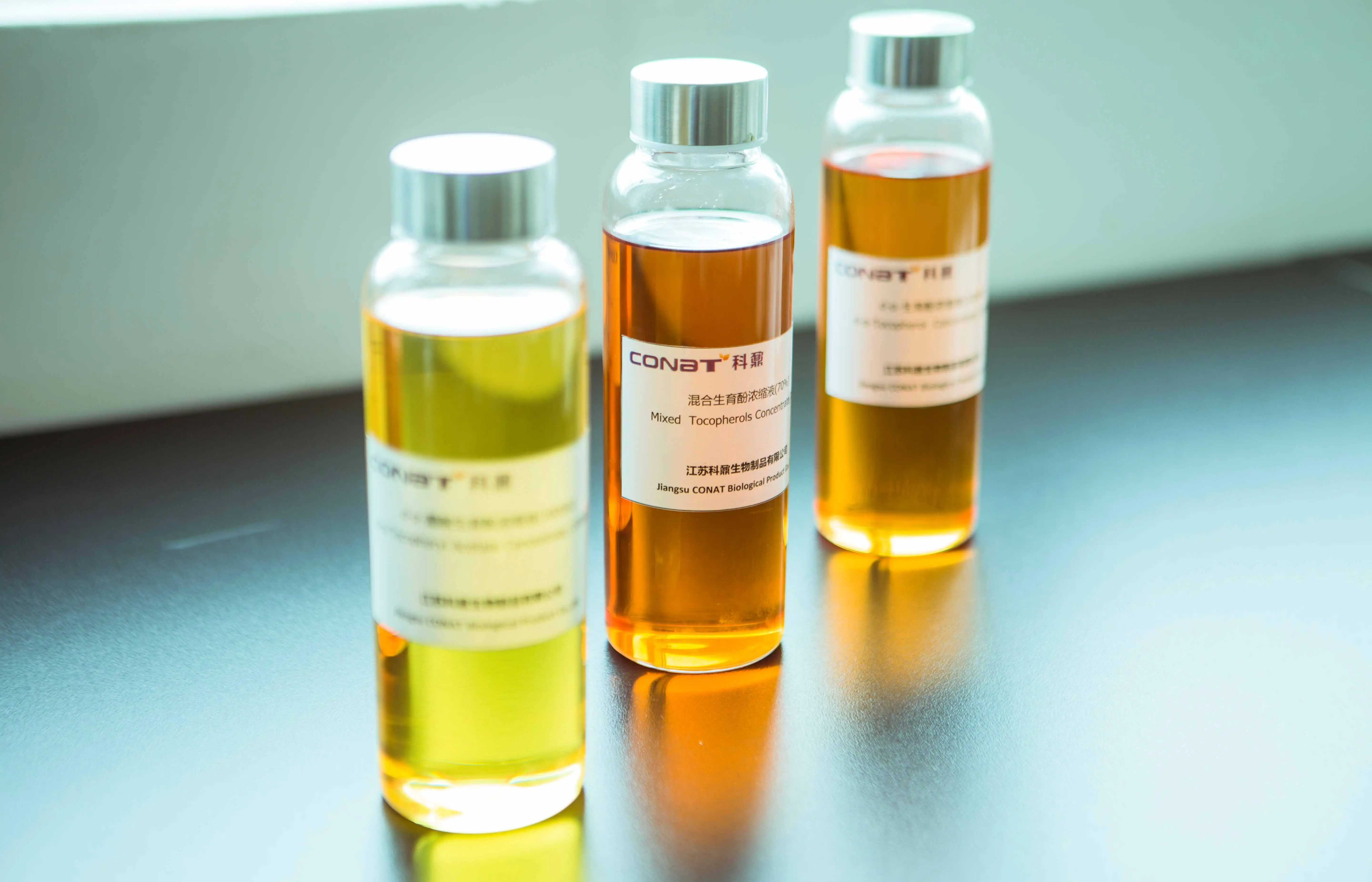
Procurement Guide for Vitamin E Carrier Oils: Choosing the Right Product for Your Business
To choose the right vitamin E carrier oil, you need to carefully consider a lot of technical and business factors. The things listed below can help buying teams make smart choices that balance the goals of quality, safety, and cost.
Defining Purity and Tocopherol Concentration Requirements
You can directly affect how well a design works and how well it follows the rules by specifying its purity. High-purity vitamin E carrier oils have few impurities left over from the extraction process. This means they are less likely to have off-flavors, coloring, or stability problems. The content of tocopherol is usually between 50% and 96%. Materials meant for pharmaceutical use need to meet stricter standards and have lower amounts of impurities. R&D leaders should set the lowest amount of tocopherol that is acceptable based on how much of the active ingredient is needed in the finished formulas. They should also take into account processing losses and stability margins that will be present throughout the lifespan of the product.
Certification and Quality Assurance Standards
To meet government rules and customer standards, the supplement and food sectors need strict certification. ISO 9001 for quality management systems, ISO 22000 for food safety management, and GMP compliance for pharmaceutical uses are all important qualifications. Kosher and Halal approvals make it easier for goods that are aimed at certain groups of people to reach more customers. Quality assurance should include more than just certificates. It should also include thorough testing methods, such as tracking the peroxide value, analyzing heavy metals, screening for pesticide residues, and testing for microbes. When suppliers give a Certificate of Analysis for every batch, it's easier to track and meet regulatory filing requirements.
Evaluating Supplier Reliability and Supply Chain Stability
For long-term supply relationships to work, manufacturers' abilities must be looked at beyond the product specs. Supply breakdown risks can be reduced by increasing production capacity, having multiple ways to get raw materials, and spreading out geographically. Manufacturers that have been around for a while and have facilities just for making tocopherol show that they are committed to the area and usually have better technical support resources. As a specialist in making natural vitamin E and phytosterol products, CONAT has a full production and testing system that ensures stable batch quality and compliance with regulations. Before signing a large-volume deal, procurement teams should look at the supplier's financial security, name in the industry, and customer references.
Comparison and Decision-Making: Vitamin E Carrier Oil vs. Other Popular Carrier Oils
Figuring out how Vitamin E carrier oil and regular carrier oils work differently helps with making smart decisions about formulation. This analysis brings out differences in functionality that are important for product development and market placement.
Antioxidant Capacity Across Different Oil Systems
While standard carrier oils like sweet almond, jojoba, and coconut do contain antioxidants, they are much less concentrated than vitamin E carrier oils that have been added to them. Even though jojoba oil has natural tocopherols and is stable against oxidation, it is still not strong enough to protect highly unsaturated fatty acids or active ingredients that are easily damaged. The high amount of saturated fat in coconut oil makes it naturally stable, but it doesn't have the ability to remove free radicals that is needed in mixtures with omega-3 fatty acids or other components that are likely to oxidize. Vitamin E carrier oil offers powerful antioxidant protection of 1,000 to 10,000 IU per gram, which is much higher than what you can get from carriers that aren't fortified.
Formulation Flexibility and Compatibility Considerations
It depends on the carrier oil whether it works well with emulsifiers, lubricants, and other ingredients in the mixture. Vitamin E carrier oil made from soybean or sunflower bases works well with systems that are made for regular vegetable oils and don't need many changes to the recipe. Because they are liquid at room temperature, they are easier to mix and dose in automatic production settings. When compared to pure tocopherol concentrates, which can be thick and hard to work with, vitamin E carrier oil types are easier to work with while still delivering enough antioxidants. This operating benefit makes production simpler and helps make sure that batches are always the same in large-scale manufacturing settings.
Cost-Benefit Analysis for B2B Applications
Although vitamin E carrier oils are more expensive than regular vegetable oils, the high level of antioxidant action makes the price worth it in a number of ways. Longer shelf lives help wider transport networks and cut down on waste from old stock. Positioning as a natural vitamin allows clean-label claims that get higher prices at stores and help brands stand out. The lack of manmade preservatives makes it easier to list ingredients and caters to customer tastes, which is driving market growth. When doing a total cost of ownership study, procurement managers should compare these benefits to differences in the prices of raw materials to get a better idea of the real economic effect.
Potential Side Effects and Safety Considerations of Vitamin E Carrier Oils
To get ingredients in a responsible way, you need to know about the risks and make sure that the right safety steps are taken throughout the supply chain and product development for vitamin E carrier oil.
Addressing Allergenic Potential and Sensitivity Concerns
Vitamin E carrier oil that comes from soy may be a problem for people who are allergic to soy, even though refined oils usually don't have much of the protein that causes allergic reactions. Sunflower and rapeseed oils can be used instead of soy in products that are meant to help sensitive groups. It is required by law for allergenic source materials to be listed on labels, even if the protein amount is below the measurement limit. When formulating goods for markets with strict allergy rules or for people who are known to be sensitive, formulation teams should do stability tests that include allergen testing procedures.
Optimizing Dosage for Maximum Efficacy Without Adverse Effects
Concerns have been raised in nutritional research about getting too much vitamin E. Some studies have shown that very high amounts may affect how vitamin K works or raise the risk of bleeding. These worries mostly have to do with taking vitamin E supplements rather than using them on the skin or adding them to food, but good formulation practice includes figuring out how much vitamin E comes from all sources. Manufacturers of dietary supplements should make sure that the daily dose sizes are in line with recommended higher intake levels. For adults, this is usually 1,000 mg of alpha-tocopherol equivalents. When adding supplements to functional foods, the people who make them need to think about how much exposure there is over time so that the goods don't go over the suggested limits.
Regulatory Compliance and Documentation Requirements
Vitamin E carrier oils that are used in dietary supplements, useful foods, or pharmaceuticals must follow rules that are special to their use, purity, and safety. In order to sell in the U.S., you have to follow FDA rules set out in the Dietary Supplement Health and Education Act for supplement uses and food ingredient rules for fortification uses. Materials meant for pharmaceutical use must meet the requirements set by the USP or EP standard and include full impurity profiling and stability data. Manufacturing records, analytical test results, stability studies, and safety reviews are all examples of proper paperwork that support regulatory compliance. When suppliers offer full legal support packages, they make things easier for purchasing organizations and speed up the time it takes for new products to hit the market.
Conclusion
Vitamin E carrier oil provides strong antioxidant defense by combining stable lipid structures with natural tocopherol systems. These special ingredients solve important manufacturing problems like keeping the product stable against oxidation, making it last longer, and putting it on the label without any contaminants in functional foods, nutraceuticals, and medicines. To make the best product and make the most money, purchasing choices should take into account the amount of tocopherol, the properties of the carrier oil, the need for certification, and the trustworthiness of the provider. Understanding how antioxidants work, their relative benefits, and safety concerns helps research and development (R&D) and purchasing teams carefully add vitamin E carrier oil to products, making them more effective and meeting the market's growing desire for natural, effective ingredients.
FAQ
1. What distinguishes vitamin E carrier oils from pure vitamin E supplements?
Vitamin E carrier oil is made up of natural tocopherols that are dissolved in vegetable oils. They work as antioxidants and are easy to work with in recipe settings. Pure vitamin E supplements usually have higher amounts of tocopherol, between 50 and 96%, and may come in thicker forms that need special tools to handle. Carrier oil types make it easier to blend, make it easier for the oil to flow during production, and save money for uses that only need mild antioxidant levels. Pure concentrates are best for uses that need the most power in the smallest amount of space, like high-dose supplements or pharmaceutical formulas. The decision is based on the needs of the formulation, the processing skills, and the amount of antioxidants that are wanted to be delivered in the final product.
2. How do vitamin E carrier oils impact finished product shelf life?
Adding the right amounts of vitamin E carrier oil greatly increases the shelf life by stopping lipid peroxidation, which is the main way that goods with mixed fats break down. Improvements in shelf life are usually between 30 and 100%, but they depend on how easily the mixture oxidizes, how it is stored, and how much tocopherol is added. Products that have omega-3 fatty acids in them, which are easily oxidized, show the biggest stable benefits. This protective effect can be measured by keeping an eye on the peroxide value during stability studies on a regular basis. This helps with shelf life claims and plans for distribution.
Partner With CONAT for Premium Vitamin E Carrier Oil Solutions
CONAT is an expert at making natural vitamin E and phytosterol ingredients that are very pure. They do this with the help of strong quality systems and technical know-how. With full legal paperwork and uniform batch quality, our Vitamin E carrier oil products can be used in a wide range of ways, including in dietary supplements, functional foods, and pharmaceutical formulations. We are a well-known seller of Vitamin E carrier oil, and we keep our ISO 9001, ISO 22000, GMP, Kosher, and Halal certifications current. Our expert team can help you with formulation, stability, and making sure that the tocopherol profiles you need for your application are exactly what you need. You can talk to our sourcing experts at sales@conat.cn about buying Vitamin E carrier oil in bulk, getting certificates of analysis, or setting up sample evaluations to help with your product development.
References
1. Wagner, K.H., and Elmadfa, I. "Biological Relevance of Terpenoids: Overview Focusing on Mono-, Di- and Tetraterpenes." Annals of Nutrition and Metabolism, 2003.
2. Jiang, Q. "Natural Forms of Vitamin E: Metabolism, Antioxidant, and Anti-inflammatory Activities and Their Role in Disease Prevention." Free Radical Biology and Medicine, 2014.
3. Kamal-Eldin, A., and Appelqvist, L.A. "The Chemistry and Antioxidant Properties of Tocopherols and Tocotrienols." Lipids, 1996.
4. Brigelius-Flohé, R., and Traber, M.G. "Vitamin E: Function and Metabolism." The FASEB Journal, 1999.
5. Frankel, E.N. "Lipid Oxidation: Mechanisms, Products and Biological Significance." Journal of the American Oil Chemists' Society, 1984.
6. Burton, G.W., and Ingold, K.U. "Vitamin E: Application of the Principles of Physical Organic Chemistry to the Exploration of Its Structure and Function." Accounts of Chemical Research, 1986.
YOU MAY LIKE