
What are the benefits of phytosterols powder?
By stopping the absorption of food cholesterol in the gut, phytosterol powder has amazing cholesterol-lowering effects. When taken regularly, it can lower LDL cholesterol levels by up to 15%. This ingredient comes from plants and protects the heart very well while also helping with anti-inflammatory reactions and digestive health. Besides being good for the heart, phytosterol powder boosts the immune system, encourages healthy aging, and gives supplement makers looking for natural, clinically proven active ingredients great recipe stability.
Introduction
Phytosterols powder is now a big part of businesses that deal with health and nutrition. It's especially interesting to businesses that use complex business-to-business buying strategies. The global functional ingredients market is realizing that plant sterols are important for making heart-healthy goods that meet customers' needs for natural health options.
Plant sterols are useful for more than just making food better. These chemicals have been shown by science to improve the health of your vascular system. They also let companies add ingredients that have been shown to work in clinical trials to make their goods stand out. Regulations keep stressing how important it is for health claims to be backed up by evidence. Formulas that are high in phytosterols give supplement markets that are already full of goods an edge.
An in-depth study was done to find out how phytosterol powder can be used by people who work in purchasing, formulation science, and business leadership. We study the element's molecular properties, how it should be made, quality standards, and smart ways to get it so that the functional food and nutritional businesses can make new goods that work.
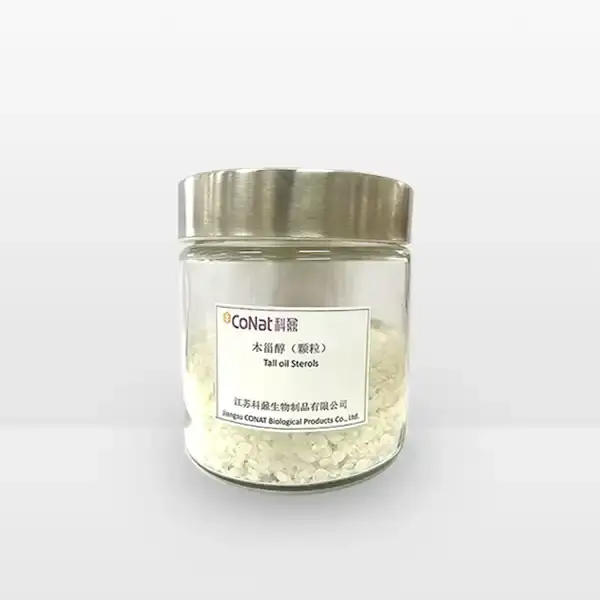
Understanding Phytosterols Powder: Definition and Core Benefits
Chemical Composition and Natural Sources
Plant sterols are a group of different bioactive chemicals that are physically similar to cholesterol but only come from plants. There are three main parts: β-sitosterol, campesterol, and stigmasterol. Each one has its own health benefits. These molecules can be found naturally in nuts, seeds, vegetable oils, and whole grains. However, concentrated powder forms provide the therapeutic doses needed for real health benefits.
With today's extraction technologies, companies can make uniform phytosterol powder that is more than 95% pure every time. Using advanced purification methods, useless plant materials are taken out while bioactive parts that help control cholesterol are kept. This improvement makes sure that the product works reliably in a wide range of preparation situations, from hard pills to functional drinks.
Cardiovascular Health Benefits
Large amounts of clinical studies show that eating plant sterols regularly lowers LDL cholesterol levels by competing with other cholesterol molecules. The European Food Safety Authority says that daily amounts of 1.5 to 3.0 grams are good for keeping cholesterol levels in a healthy range. This gives companies that make food clear dosage rules for making new products.
Meta-analyses of more than 40 controlled studies show that people who eat enough plant sterols have normal LDL cholesterol drops of 8 to 15%. With these changes, the risk of heart disease goes down significantly, especially for people who already have high cholesterol levels and can't take prescription drugs.
Anti-Inflammatory and Metabolic Support
A new study suggests that phytosterol powder has effects beyond just lowering cholesterol. These chemicals change inflammatory pathways by lowering the production of pro-inflammatory cytokines, especially interleukin-6 and tumor necrosis factor-alpha. These kinds of anti-inflammatory benefits may help improve digestive health and lower the risk of getting chronic diseases.
Plant sterols also seem to affect how insulin works and how glucose is used in the body, but these effects need more research. Early research suggests that it might be useful in weight loss products, which could lead to new ways of placing products in the metabolic health area.
How Phytosterols Powder Works: Mechanism and Effectiveness?
Cholesterol Absorption Inhibition
One of the main ways that plant sterols do good things is by stopping the small intestine from absorbing cholesterol. The shape of phytosterol molecules is a lot like that of cholesterol. So, they can fight to be added to mixed micelles, which are needed to take in lipids.
When phytosterol powder is mixed with food, the plant chemicals tend to use up the same uptake sites that cholesterol does. Because of this, cholesterol that hasn't been taken in leaves the body through feces instead of going into the system. It's a spontaneous process that doesn't get in the way of other ways of taking in nutrients.
Bioavailability and Dosage Optimization
How and when the drug is taken has a big effect on how well it works in the body. Researchers have found that taking plant sterols every day with several meals works better than taking them all at once to lower cholesterol. The supplement makers who are making dosing plans should pay close attention to this finding.
One study on absorption found that the body only absorbs and uses 2% to 5% of the phytosterol powder after it is eaten. They are safer because they are only partly absorbed. This is because the chemicals do most of their damage in the bowels before they leave the body.
Synergistic Effects with Other Nutrients
It has been shown that plant sterols work better when fed to animals that eat certain foods. Adding soluble fiber to your diet can help lower your cholesterol even more by stopping your body from absorbing cholesterol and getting rid of bile acid. This link works well with others, which means that whole heart health plans are possible.
Plant sterols and omega-3 fatty acids may also help the heart in different ways when they are mixed together. Olive oil has omega-3s that change the levels of triglycerides and how the body responds to inflammation. Plant sterols stop the absorption of cholesterol. These two things work together to make a full plan for heart health.
Comparing Phytosterols Powder Solutions for B2B Procurement
Natural versus Synthetic Sources
The distinction between plant sterols that come from nature and those that are made in a lab has big effects on how products are positioned and how well customers accept them. When plant oils are naturally extracted, they usually give higher amounts of β-sitosterol while keeping the full plant sterol profile found in whole foods.
Higher purity levels and more stable batch-to-batch uniformity can be achieved with synthetic production methods. This may make them appealing for pharmaceutical uses that need to meet strict quality standards. However, natural sources often command higher prices because of the clean-label movement and the fact that people want foods that have been treated as little as possible.
When looking at providers of phytosterols powder, purchasing teams have to balance the need for purity with cost and marketing positioning to find the best ingredients for their specific uses. For legal compliance and to back up marketing claims, it's important to keep records of the extraction methods and source materials.
Quality Benchmarks and Certification Standards
Heavy metals tests, microbiological safety proof, and pesticide residue analysis are just a few of the strict quality standards that superior plant sterol goods have to meet. GMP compliance makes sure that consistent production methods are used, and ISO 22000 certification shows that food safety management systems are being followed.
Kosher and halal licenses make it easier to sell goods around the world, especially in places where people have to follow certain food rules. These certificates need to be checked on a regular basis and make managing the supply chain more difficult, but they allow more products to reach a wider range of consumers.
Supplier Reliability and Partnership Considerations
When you have long-term relationships with suppliers, you need to look at their production ability, technical help, and how resilient their supply chain is. If you compare established manufacturers with dedicated phytosterols powder production facilities to commodity sellers, the manufacturers will usually offer more stable prices and more reliable delivery schedules.
In addition to providing raw materials, technical support services like formulation advice, help with stability tests, and support for regulatory paperwork add a lot of value. These services are especially helpful for businesses that are making new apps or moving into new markets with different rules and regulations.
Practical Considerations for Buying Phytosterols Powder in Bulk
Quality Control and Testing Protocols
Quality assurance programs that cover a lot of ground test many things, from the raw materials to the end product. Checking the amount of sterols, the amount of wetness, the spread of particle sizes, and microbe safety tests are all important. When a product is made, these rules make sure that every batch works the same way.
It is possible to exactly measure the amounts of different plant sterol components using gas chromatography-mass spectrometry and other advanced research methods. This level of scientific accuracy helps make sure that nutrition labels are right and helps people who make goods make them work better. It is best to ask services to agree to regular tests so that quality standards stay high over time.
Verification by a third party during testing adds to the quality guarantee and may be needed for some legal applications. Independent labs that focus on plant sterol analysis can help you decide what to buy and make sure that the test results you get from sellers are correct.
Supply Chain Logistics and Risk Management
Plan your supply chain well to get phytosterols powder in a way that works for you. This way, you can account for things like wait times, changes in yearly availability, and possible supply problems. Multiple seller approval lowers the risk of becoming too dependent on one provider. It also keeps prices low by letting other suppliers compete.
If the right conditions are met, like keeping the temperature, humidity, and light under control, stable goods will stay stable while they are being stored and shipped. The rules for packing should take these natural things into account. This will make it easy to move things around and keep track of them.
You need things like certificates of analysis, place of origin notices, and specific regulatory compliance statements in order to send money abroad. These papers need to be set up between transportation companies and buyers so that customs delays don't happen and rules are followed.
Contract Negotiation and Pricing Strategies
When people agree to buy a lot, prices tend to get better. But buying teams have to weigh the savings in costs against the costs of having stock and the fact that they don't know how much demand will be. Businesses can keep their ties with providers and get benefits from contracts that are flexible enough to adapt to changes in seasonal demand.
It should be clear what quality standards are in the buy deals. These should include guidelines for what is acceptable, how to test it, and how to fix things that don't meet the standards. These guidelines protect against problems with quality and make it clear to workers what amount of work is expected of them.
Potential Side Effects and Risk Management
Safety Profile and Contraindications
Phytosterol powder consumption within recommended dosage ranges has repeatedly shown good safety profiles in clinical studies. Adverse events are still very rare and usually mild, such as stomach pain when intake starts. As people get used to eating more plant sterols, these effects usually go away.
People who are taking medicines to lower their cholesterol should talk to their doctors before starting to take plant sterol supplements, because the joint effects may mean that the medicines need to be changed. This safety measure makes sure that the therapy works best while also stopping too much cholesterol loss.
If you have sitosterolemia or another rare genetic condition that affects plant sterol digestion, you shouldn't take phytosterol supplements. Even though these conditions are very rare, knowing about them helps companies make sure their products are labeled correctly and give customers information.
Regulatory Compliance and Documentation
Different foreign markets have very different rules about how to regulate plant sterol goods. The FDA allows certain health claims about plant sterols and lowering the chance of heart disease, while European rules allow certain health claims under certain situations.
Documentation needs to include scientific proof for health claims, safety reviews, and proof that the product meets quality standards for production. To make the clearance process easier, suppliers should provide full regulatory support, such as dossiers, safety reviews, and claim substantiation documents.
Regulatory tracking makes sure that compliance continues even as standards change. Suppliers that have been around for a while usually keep up with changes in legal issues and let customers know about new standards in different markets.
Conclusion
Phytosterols powder represents a scientifically validated, commercially viable ingredient for companies developing cardiovascular health products across nutraceutical and functional food categories. The compound's proven cholesterol-lowering efficacy, combined with emerging benefits including anti-inflammatory support and metabolic health promotion, positions plant sterols as essential components of comprehensive wellness formulations.
Successful procurement strategies balance quality requirements, regulatory compliance, and cost optimization through strategic supplier partnerships and comprehensive risk management approaches. The growing body of clinical evidence supporting plant sterol benefits continues expanding market opportunities while providing manufacturers with robust scientific foundations for product positioning and marketing claims.
FAQ
1. What makes phytosterol powder effective for cholesterol management?
Plant sterols work by competing with cholesterol from food in the small intestine to be absorbed. Because they have similar molecular structures, they can fill absorption sites that cholesterol usually uses. This makes the body get rid of extra cholesterol instead of absorbing it into the bloodstream.
2. How much phytosterol powder is needed for health benefits?
Clinical studies show that getting between 1.5 and 3.0 grams of plant sterols every day is the best way to lower cholesterol. Usually, strong powder forms are needed for this amount because natural food sources don't have enough to reach appropriate levels.
3. Can phytosterol powder be combined with other heart health ingredients?
Other heart-healthy nutrients, like omega-3 fatty acids, soluble fiber, and vitamins, work better with plant sterols. There are different ways that these combinations might improve heart health, which opens the door to more thorough formulation methods.
4. What quality certifications should buyers look for?
GMP compliance, ISO 22000 food safety management, and third-party purity proof are all important certificates. Depending on the market and customer tastes, more approvals like Kosher, Halal, and organic status may be needed.
5. Are there any interactions with medications?
People who are taking prescription drugs to lower their cholesterol should talk to their doctors before taking plant sterol products. Even though mixed effects are usually safe, you may need to change your medications to keep your cholesterol levels at a healthy level.
Partner with CONAT for Premium Phytosterols Powder Solutions
CONAT Biological Products stands as your trusted phytosterols powder manufacturer, delivering pharmaceutical-grade plant sterols backed by decades of extraction expertise and rigorous quality control. Our advanced processing facilities ensure consistent purity levels exceeding 95%, while a comprehensive certification portfolio, including ISO, GMP, and international standards, provides the regulatory foundation your products demand. Experience seamless procurement with competitive bulk pricing, reliable supply chain management, and dedicated technical support that transforms your formulation challenges into market advantages. Contact our expert team at sales@conat.cn to discover how CONAT's premium plant sterol solutions can elevate your cardiovascular health product portfolio.
References
1. Ras RT, Geleijnse JM, Trautwein EA. LDL-cholesterol-lowering effect of plant sterols and stanols across different dose ranges: a meta-analysis of randomised controlled studies. British Journal of Nutrition. 2014;112(2):214-219.
2. Demonty I, Ras RT, van der Knaap HC, Duchateau GS, Meijer L, Zock PL, Geleijnse JM, Trautwein EA. Continuous dose-response relationship of the LDL-cholesterol-lowering effect of phytosterol intake. Journal of Nutrition. 2009;139(2):271-284.
3. Marangoni F, Poli A. Phytosterols and cardiovascular health. Pharmacological Research. 2010;61(3):193-199.
4. Pollak OJ. Reduction of blood cholesterol in man by feeding sitosterol. Circulation. 1953;7(5):702-706.
5. Ostlund RE Jr. Phytosterols in human nutrition. Annual Review of Nutrition. 2002;22:533-549.
6. European Food Safety Authority. Scientific Opinion on the substantiation of health claims related to plant sterols and plant stanols and maintenance of normal blood cholesterol concentrations. EFSA Journal. 2010;8(10):1813.
YOU MAY LIKE