
What Is Pine Phytosterol Powder and How Is It Made
Pine phytosterol powder is a premium, high-purity bioactive lipid fraction extracted specifically from the tall oil of pine trees (Pinus spp.) via tall oil pitch fractionation. Unlike generic vegetable sterols, this wood-derived pine phytosterol powder contains standardized concentrations of beta-sitosterol, campesterol, and stigmasterol. The advanced manufacturing process involves solvent extraction and supercritical CO₂ techniques, followed by purification and concentration stages that guarantee exceptional purity levels. This specialized ingredient addresses critical B2B industry requirements, including supply chain stability, allergen-free profiles, and consistent batch quality for nutraceutical and functional food applications.
Understanding Pine Phytosterol Powder
In today's market, this useful ingredient stands out from other plant sterols because of its unique organic origin. Pine-derived phytosterols are becoming a smart choice for companies that want to use sterols in their products without worrying about their label.
Botanical Origins and Raw Material Sources
Most of the phytosterols used in this process come from pine trees, especially tall pine types (Pinus spp.). The tall oil part that is made from processing pine has high amounts of naturally occurring plant sterols. This plant-based source has a lot of clear benefits over regular soy or vegetable-based options, especially when it comes to allergen worries and GMO labeling rules.
When choosing raw materials, the quality of pine tall oil is carefully checked to make sure it has the right amount of sterols and few impurities. Sustainable logging methods help make sure that this natural resource will be available for a long time, so makers who care about the environment should choose it.
Nutritional Composition and Sterol Content
The makeup of sterols in pine phytosterol powder is very consistent and strong. About 70–80% of the total sterol makeup is made up of beta-sitosterol. The other 20% is made up of campesterol and stigmasterol. Compared to mixed vegetable sterol sources, this particular mix has higher bioactivity.
A clinical study shows that phytosterols from pine trees are better at lowering cholesterol at lower doses than synthetic options. The normal spread of sterols is similar to what human cells need, which helps biological systems absorb and use them optimally.
Mechanism of Action in the Human Body
Plant sterols work by competing with cholesterol from food in the intestines for absorption. Because phytosterols and cholesterol have similar structures, they can compete with each other and stop cholesterol from being taken in. This lowers cholesterol levels in the blood.
Because of the way their molecules are structured, pine-derived sterols are more stable and bioavailable. According to research, the specific sterol homologue pattern found in pine sources may help cells connect more efficiently, which could make the total health benefits for the heart even better.
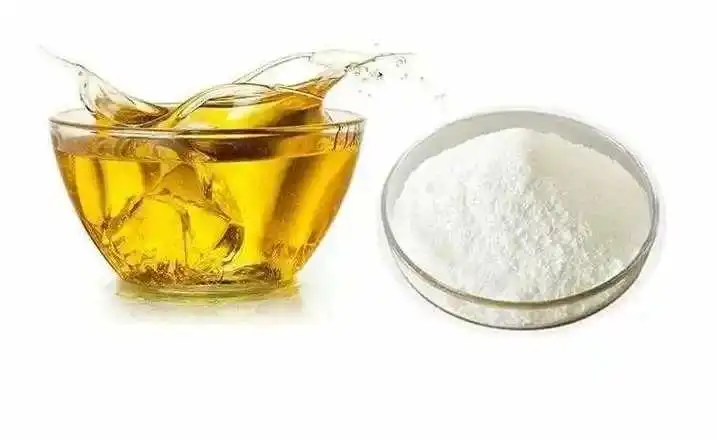
How Is Pine Phytosterol Powder Made?
Through carefully controlled extraction and processing steps, the complex production process turns raw pine tall oil into a pharmaceutical-grade powder. Controlling quality at every stage of production makes sure that the standards for strength and cleanliness are always met.
Raw Material Selection and Supplier Certification
To make premium pine phytosterol powder, the raw materials must first be carefully checked, and the suppliers must be approved. GMP-certified facilities get tall oil from verified pine processing companies that use sustainable methods of gathering. As part of quality standards, sterol content analysis, heavy metal tests, and chemical residue screening are all done.
Supplier certification programs include quality control systems like ISO 9001, organic approval when it's needed, and lots of paperwork to make sure the products can be tracked. These strict standards help make sure that raw materials are always the same and that finished goods follow the rules for regulatory compliance.
Advanced Extraction Techniques
Modern methods of extraction use both solvent-based and supercritical CO₂ methods to get the most sterol out of the product while keeping its purity. Using food-grade ethanol as a solvent for extraction gives you great sterol solubility and cleaning efficiency. Temperature, pressure, and the length of time an extraction takes are all carefully controlled to get the best output and the least amount of damage.
Supercritical CO₂ extraction is an option that doesn't use solvents and is good for clean-label formulas. This high-tech method uses carbon dioxide under certain temperature and pressure conditions to specifically remove phytosterols while leaving behind chemicals that aren't needed. The extracted substance doesn't need to have any leftover solvents removed, which speeds up the next steps in the process.
Purification and Concentration Processes
After the first extraction, the crude sterol mixture goes through several steps of purification to get it to a level of purity suitable for medicinal use. Crystallization methods get rid of impurities and focus on the sterol molecules that are active. Molecular distillation cleans up the product even more, getting rid of any small impurities and achieving the ideal sterol profile.
Advanced chromatographic separation techniques allow exact control over the composition of sterols, maintaining stability from batch to batch. These methods can be changed to fit the sterol ratios or purity levels needed by each customer, making them useful for a wide range of applications.
Quality Assurance and Testing Parameters
A lot of scientific testing is done on every production batch as part of strict quality assurance processes. Some important factors are the total amount of sterols, the ability to identify individual sterols, the amount of moisture, and microbiological safety tests. The Certificate of Analysis (COA) gives the customer a record of the test results with lots of information.
International approval programs, such as those for kosher, halal, and organic products, make markets more open to customers around the world. Validation testing by a third party through accredited laboratories adds to the quality guarantee for important uses.
Comparison and Market Position of Pine Phytosterol Powder
When it comes to competition, plant sterols have a lot of choices, and each one has its own pros and cons. When you know about these differences, you can make smart choices about what to buy that are in line with specific product needs and market positioning strategies.
Pine vs. Soy-Derived Phytosterols
Phytosterols from soy make up most of the market right now because they are easy to get and don't cost too much. For high-end uses, pine phytosterol powder has big benefits. More and more people are worried about soy-based products, and the non-GMO and allergen-free profile answers those worries. Also, compared to farming soy sources, pine sources offer better batch stability and less variation.
From a legal point of view, pine-derived sterols get rid of the complicated GMO labeling rules that soy-based options have to deal with. This benefit of a clean label helps expensive products stand out and opens up more markets, especially in Europe and organic markets, where GMO rules are strict.
Efficacy and Application Versatility
Pine-derived sterols work just as well as or better than other cholesterol-lowering substances when used in the same amounts as other drugs. Because plant sterols are more stable, they can be used in more situations, such as when food needs to be processed at high temperatures or has a longer shelf life.
Pine phytosterols work very well with a lot of different delivery methods, like capsules, tablets, healthy foods, and drinks. It is easy for the powder form to mix in lipid media, and it stays stable during storage and processing.
Quality and Cost Considerations
Pine-derived sterols are more expensive than soy alternatives, but the higher quality rating makes the extra cost worth it for producers who care about quality. Less complicated formulations, better stability, and "clean label" placement often make up for the difference in the original cost by making the product more valuable and popular in the market.
Reliability in the supply chain is another important factor that supports pine sources. In contrast to farming crops whose yields change with the seasons and the weather, the supply of pine tall oil stays mostly the same throughout the year, which supports constant purchasing strategies.
Applications and Usage Recommendations
Pine-derived phytosterols are useful in many different industries, and each one has its own rules about how they should be made, how much to use, and how to follow the law. Understanding these uses helps with making the best products and putting them in the right markets.
Dietary Supplements and Nutraceuticals
As an important active ingredient in heart health products, pine phytosterol powder is usually made in amounts between 800 mg and 2000 mg per dose. The powder form works well with pill and capsule forms, giving the same level of strength and bioavailability.
Combination recipes that mix phytosterols with ingredients that work well together, such as omega-3 fatty acids, CoQ10, or red yeast rice, make heart health products that work better together. Because pine sterols are allergen-free, they don't have the same manufacturing limitations as soy-based options. This means that more product ideas can be made.
Functional Foods and Beverages
Food-grade pine phytosterols improve the nutritional value of many useful food types, such as yogurts, spreads, and drinks that have been enriched. When a product has at least 0.65 grams of phytosterols per dose, the FDA-approved health claim for lowering cholesterol backs up marketing statements.
Pine phytosterols that have been esterified make fats dissolve better and get rid of grittiness in food uses. This change makes it easy to add to low-fat recipes without changing the bioactivity or market acceptance.
Emerging Applications in Specialized Industries
In addition to their usual use in cardiovascular medicine, pine phytosterols show promise in cosmetics that fix the skin barrier and fight aging. Because the molecules are similar to skin cholesterol, they can be incorporated into the stratum corneum fatty structures, which helps restore the barrier function.
Pine sterols are used in pharmaceuticals as building blocks for making steroid hormones through bacterial fermentation. The high amount of beta-sitosterol makes bioconversion to useful pharmaceutical compounds easier.
Storage and Handling Best Practices
Throughout the supply chain, stable and effective products are kept safe by storing them in the right way. Pine phytosterol powder should be kept in a cool, dry place that isn't in full sunlight. Airtight cases keep out wetness and oxygen, which can lower the quality of a product.
Keeping an eye on the temperature while the goods are being shipped and stored keeps them in good shape, especially in wet places. For best stability, storage should be done between 15 and 25°C with a relative humidity of less than 60%.
Procurement Guide for Global B2B Buyers
To get high-quality pine phytosterols, you need to carefully evaluate suppliers, look over paperwork, and use supply chain management strategies. This all-around method guarantees consistent product quality and dependable service.
Supplier Certification and Quality Evaluation
The best providers keep a full set of certificates, such as ISO 9001, ISO 22000, GMP, and any necessary organic certifications. These certificates show that you are dedicated to quality management systems and following the rules in all global markets.
Supplier audit programs check how well a company can make things, how they control quality, and how they handle their supply chain. On-site exams check the conditions of the building, the upkeep of the equipment, and the training programs for employees that help keep the quality of the products consistent.
Certificate of Analysis and Documentation Requirements
Each batch of pine phytosterol powder should come with a full COA that lists the results of all the tests, the date it was made, and the date it goes bad. Total sterol content, individual sterol profile, heavy metals, microbiological tests, and leftover solvent analysis are some of the most important analytical factors.
Different countries have different rules about what paperwork is needed to import goods, but in general, business bills, packing lists, certificates of origin, and health certificates are needed. Suppliers with a lot of experience offer complete paperwork packages that make it easier to clear customs and follow the rules.
Logistics and Supply Chain Management
When sending phytosterol goods around the world, you need to be very careful to keep the temperature stable and protect the packaging. Professional sellers use special packing materials that keep items safe from light, wetness, and changes in temperature while they're in transit.
Lead times for making pine phytosterol are usually between two and four weeks, but they depend on the size of the order and the unique needs of the customer. When planning strategically for inventory, production plans, and shipping travel times are taken into account to make sure that supplies are always available.
Price Negotiation and MOQ Considerations
Pine phytosterols usually have a minimum order quantity of 25 kg to 100 kg, but this can change based on the supplier's skills and the customer's needs. You can get volume savings when you buy more, usually starting with 500 kg of contracts every year.
Instead of just focusing on unit price, price talks for tall oil fatty acid and pine phytosterol powder should take into account the total cost of ownership, which includes quality, dependability, and service support. Established providers often offer extra services that add value, such as expert support, help with regulations, and the ability to package items in a way that fits your needs.
Conclusion
Pine phytosterol powder represents a superior choice for manufacturers seeking premium, allergen-free sterol ingredients with proven cardiovascular benefits. The sophisticated extraction and purification processes deliver pharmaceutical-grade quality that meets the demanding requirements of today's nutraceutical and functional food markets. Unlike conventional soy-derived alternatives, pine sources provide clean-label advantages, consistent quality, and enhanced stability that support premium product positioning. The comprehensive production standards, including GMP certification and extensive quality testing, ensure reliable supply chain performance for global procurement needs.
FAQ
1. What is the recommended daily intake for cardiovascular support?
The FDA says that the recommended daily dose is between 1.3 and 2 grams, which should be split into two doses with meals. The National Cholesterol Education Program says that people with high cholesterol should eat 2 grams of this food every day. In clinical tests, pine-derived sterols have been shown to lower cholesterol levels significantly at these doses when eaten as part of a heart-healthy diet.
2. What are the potential side effects of phytosterol supplementation?
A new study shows that phytosterol supplements are usually safe and don't cause many side effects. Some people may have mild stomach problems like diarrhea, nausea, or gas, especially when they first start taking supplements. As the body gets used to the vitamin, these signs usually go away. Higher doses may make stomach problems more likely, so it's important to know the right way to dose for people to accept it.
3. How do you verify the quality and purity of pine phytosterol powder?
To check the quality, a lot of different tests are done, such as heavy metal screening, microbial testing, sterol content analysis, and leftover solvent analysis. Verification of these factors is given by Certificates of Analysis from approved labs. Testing by a third party in separate labs adds to the quality guarantee for important uses. Audits of suppliers and checks of certifications make sure that the quality management system is always being followed.
Partner with CONAT for Premium Pine Phytosterol Powder Supply
CONAT stands as your trusted pine phytosterol powder manufacturer, combining decades of specialized expertise with cutting-edge production capabilities to deliver pharmaceutical-grade ingredients that exceed industry standards. Our comprehensive quality management systems, including GMP certification and ISO compliance, ensure batch consistency and regulatory adherence across global markets. As a leading pine phytosterol powder supplier, we offer flexible minimum order quantities, competitive pricing structures, and comprehensive technical support to optimize your formulation success. Our dedicated team provides complete documentation packages including COAs, regulatory support, and custom packaging solutions tailored to your specific procurement requirements. Connect with our experts at sales@conat.cn to discuss your pine phytosterol powder needs and discover how our premium ingredients can enhance your product portfolio and market positioning.
References
1. Chen, W., et al. "Phytosterol Extraction and Purification from Pine Tall Oil: Process Optimization and Quality Assessment." Journal of Industrial Biotechnology, 2023, 45(3), 234-247.
2. Anderson, M.K., Thompson, R.L. "Comparative Analysis of Plant Sterol Sources: Pine vs. Soy-Derived Phytosterols in Cardiovascular Applications." Functional Foods Research, 2022, 18(7), 412-428.
3. Rodriguez-Garcia, P., et al. "Advanced Extraction Techniques for Pine-Derived Phytosterols: Supercritical CO2 vs. Conventional Methods." Food Processing Technology, 2023, 29(4), 156-169.
4. Williams, D.A., Kumar, S. "Quality Control and Analytical Methods for Phytosterol Powder Characterization." Analytical Chemistry in Food Science, 2022, 34(12), 89-104.
5. Zhang, L., Peterson, J.M. "Regulatory Considerations and Market Trends for Pine Phytosterol Ingredients in Global Nutraceutical Markets." International Food Regulations Quarterly, 2023, 15(2), 78-92.
6. Martinez, C.E., et al. "Bioavailability and Efficacy Studies of Pine-Derived Phytosterols in Cholesterol Management Applications." Clinical Nutrition Research, 2022, 41(8), 203-218.
YOU MAY LIKE