
What Is the Recommended Beta Sitosterol Dosage per Day?
The correct beta sitosterol dosage must be known by formulation managers, R&D leaders, and sourcing specialists who are making effective dietary supplements and functional foods. Based on research, the recommended daily amount of beta-sitosterol is between 800 mg and 3,000 mg, spread out over several meals. This plant sterol ingredient works best when eaten with foods that have fats in them, which help the body absorb it. The correct amount is based on the health benefit, the product's goals, and the type of people who will buy it. This is why it's so important for brands to work with reliable suppliers that provide consistent, high-purity phytosterol products.
Understanding Beta Sitosterol and Its Health Benefits
Get to know beta-sitosterol and how it can help your health. It is one of the most common plant sterols found in nature. It's not like other plant sterols because it has a chemical structure that is a lot like cholesterol. Because these molecules are so similar, beta-sitosterol can compete with food cholesterol for absorption in the gut. This makes it so that less cholesterol gets into the bloodstream. Beta-sitosterol has been looked at more closely than other phytosterols and has been found to be more useful for health in a number of ways.
Chemical Structure and Bioactivity Profile
The hydroxyl group in beta-sitosterol is at point C-3, and the ethyl side chain is at C-24. This creates a three-dimensional shape that works well with the body's absorption pathways. Beta-sitosterol has a special structure that lets it move cholesterol molecules out of micelles while they are being broken down. This slows down the rate at which cholesterol is taken. A study in the American Journal of Clinical Nutrition found that eating the right amount of phytosterols can cut LDL cholesterol by 6 to 15%. About 2% to 5% of beta-sitosterol is still not available to the body. In a strange way, this makes it safer while keeping its effectiveness at the amounts that are recommended.
Strategic Health Applications for Product Development
It is good for your health in many ways, which is why beta-sitosterol is useful for companies that make healthy foods and nutrition supplements. Because it can help lower cholesterol and has been shown to do so in many clinical studies, it is used in goods for heart health. Studies have shown that beta-sitosterol helps with the flow of urine and comfort. This is why it is often found in goods for prostate health. Companies that make sports nutrition products want to use the substance in mending goods because it lowers inflammation. Formulation teams can use these different uses to make products that meet customers' specific health needs. If a brand uses beta-sitosterol, it can stand out in busy markets by focusing on its health benefits. This will appeal to people who care about their health and want to buy green products.
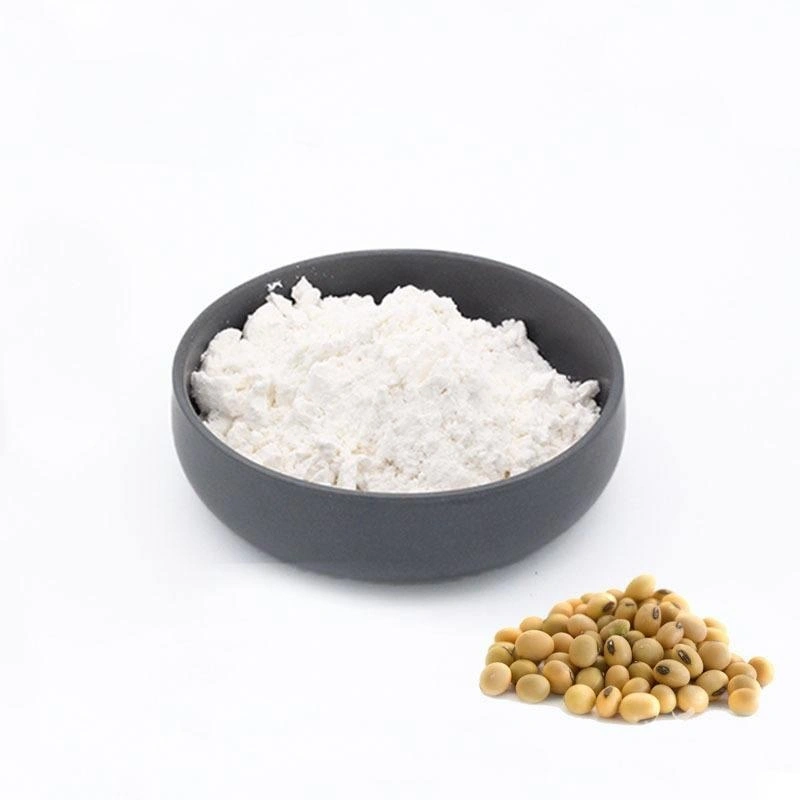
Recommended Beta Sitosterol Dosage per Day: Scientific Insights and Guidelines
To choose the right phytosterol intake levels, you should give careful thought to scientific proof, safety limits, and the health effects you want to see. There is clear information in the scientific journals about how to use dosing methods that work for a range of uses and user groups.
Evidence-Based Dosing for Cholesterol Management
There are research studies that look at how to lower cholesterol. People usually take between 1,600 mg and 3,000 mg of beta-sitosterol every day, spread out over two or three meals. To lower cholesterol, the National Cholesterol Education Program says that plant sterols can be helpful. They recommend getting about 2,000 mg of phytosterols every day from foods and items that are high in them. A lot of different study groups have seen drops in LDL cholesterol of 8–10% when these doses were used. They should use these scientifically proven rules to figure out how much of each item to use when making heart health supplements. When you take it, it makes a big difference in how well it works. It works best when taken with or right after a meal that has fats because it speeds up the formation of micelles and absorption.
Prostate Health Formulation Guidelines
Researchers have used amounts of 60 mg to 130 mg of beta-sitosterol per day to look into how to make the prostate feel better. But a lot of goods on the market use bigger amounts, anywhere from 180 mg to 500 mg per serve. Amounts as low as 60 mg taken three times a day worked well in clinical tests that looked at urine flow factors. It is said by the European Association of Urology that plant sterols are good for the prostate. Formulators who make products for this group of people need to find a balance between how much to dose, how much it costs, and the size of the capsules that can be used. To get better after taking supplements for 4 to 12 weeks, many studies have been done. This means that supplement packages should tell you how to keep taking the supplement to get the best benefits.
Safety Thresholds and Upper Limits
Based on safety studies, beta-sitosterol has been used in amounts up to 20 grams per day (beta sitosterol dosage) for up to three months. In long-term trials, 130 mg per day was administered for 18 months. For pediatric applications, up to 12 grams per day divided into three doses has been used over three months. Quality control teams should ensure that product packages correctly display dosage information and include directions for proper use.
Medication Interactions and Consultation Protocols
Some drugs, like statins and ezetimibe, that lower cholesterol might work better when mixed with beta-sitosterol. Supplements and prescription drugs shouldn't usually cause problems together, but people who take prescription drugs should talk to their doctors first. Fat-soluble vitamins might also be harder to receive because of the material. Products should either tell people how much vitamin to take or think about adding extra vitamins A, D, E, and K to their formulas. On brands that are meant for people who might be taking medicine, it should be clear that you should talk to a doctor. This careful approach keeps both customers and supplement makers safe, and it also promotes the use of supplements in a healthy way. Procurement teams should check the ingredient paperwork from sources to make sure it has information on how the ingredients work together so that marketing and labeling claims are acceptable.
Comparing Beta Sitosterol Dosage Forms and Supplement Options
How the drug is delivered has a big impact on bioavailability, customer behavior, and manufacturing problems. Because of this, media choice is a big deal for teams working on products.
Natural Food Sources Versus Concentrated Supplements
You can find beta-sitosterol naturally in whole grains, beans, nuts, seeds, vegetable oils, and other plant-based foods. One hundred grams of pistachios has about 214 mg of pistachios and 400 mg of wheat germ oil. Also, pumpkin seeds, sesame seeds, and bananas are all very good for you. And even though these come from plants, you would have to eat a lot to get the right amount of 1,500 to 3,000 mg a day from food alone. Most of the time, strong vitamins are what you need for health reasons. Functional food businesses that use phytosterols in their products can fill this gap by adding standardized beta-sitosterol ingredients to everyday foods like drinks, protein bars, and spreads. Instead of taking vitamins in the form of capsules, this way lets people get the right amounts of nutrients by eating the foods they already like. The market might be more interested in this because it might make people more likely to follow through with their goals.
Supplement Format Comparison and Bioavailability
There are several kinds of beta-sitosterol pills, and each one is good for you in its own way. Most of the time, capsules are used to send medicine because they are stable, easy to use, and give the correct amounts. Softgels can help the body receive more phytosterol because they soak it in lipid carriers first. This makes it easier for micelles to form when the body breaks it down. People who want to take their medicine in different ways, like powder types, can be mixed into drinks or shakes, and doses can be changed to fit their needs. Tablets let you take a bigger dose in a smaller amount of time, but the ingredients must stay whole while they are being crushed. A form of beta-sitosterol called "esterified" dissolves better in fats than free sterols do. This could make it two to three times more accessible. Heads of technology should think about how easy it is to make, what the customers want, how stable the system needs to be, and how much it will cost when they look at the different formats.
Plant Sterol Comparisons and Efficacy Differences
About 50 to 60% of all the phytosterols in most plant sterol mixes are beta-sitosterol. The rest is made up of stigmasterol and campesterol. All three of these chemicals can lower cholesterol, but beta-sitosterol has been looked into the most and has the strongest evidence to support it. Some research suggests that beta-sitosterol may be two to three times better at stopping the absorption of cholesterol than campesterol. But as the total amount of phytosterols in the body goes up, these differences become less clear. When companies sell plant sterol combinations, they usually make sure that their products have a certain amount of beta-sitosterol, usually between 40 and 90% purity. Regarding beta sitosterol dosage, products typically provide daily intakes ranging from 0.5 to 3 grams as part of cholesterol-lowering regimens. More pure beta-sitosterol isolates may be chosen by R&D teams when they are making high-end recipes so that they can get the highest concentration of active ingredients and keep the labels clean. When purchasing, professionals know these small details about the ingredients, they can better judge what sellers are offering and pick ingredients that fit with their goals for selling the product and making it work better.
Procurement Considerations for Beta Sitosterol Supplements
A service choice is an important part of having a business because it affects the quality of the products, following the law, and the success of the business.
Quality Assurance and Supplier Evaluation Criteria
When looking for reliable beta-sitosterol providers, you need to think about more than just price. One of the most important things is the quality of the products. Materials used in medicine usually have more than 95% beta-sitosterol. Materials used in food, on the other hand, can have anywhere from 40% to 90%, depending on the need. Making sure that the product works the way it's supposed to makes it easier to formulate, which cuts the cost of reformulation and quality difference. Good sources keep a lot of quality records, like reports on heavy metals, certificates of analysis, stable data, and the results of microbial tests. ISO 9001 is for quality control systems, ISO 22000 is for food safety, GMP compliance is for medicinal uses, and Kosher and Halal are for religious uses. It is easier to get into new areas and gain users' trust with these rules. Teams that buy things should get samples from more than one source and compare them side by side to make sure they meet standards and see how easy they are to work with while they are being made.
Bulk Purchasing Strategies and Cost Optimization
With volume-based pricing methods, costs can be kept as low as possible while still making sure there is enough product to meet planned output. Suppliers normally have different prices for different orders, and bigger orders save a lot of money. This means that monthly contracts or blanket purchase orders are a good way to save money on well-known goods. The choice of focus you make has an effect on the unit economics. Higher purity types cost more, but they need to be mixed in at a lower rate in the end recipe. To get the best overall product economics, you should try to find a balance between how much the items cost, how much you need to use them, and where you put the product. Cost-per-dose is a better way for technical teams to see how much the finished things will cost than cost-per-kilogram when they look at quotes from suppliers. When you work with the same seller for a long time, you may get extra benefits that are worth more than the price. For example, you may be able to pay over time, get priority placement during supply shortages, and work together to develop new apps.
Regulatory Compliance and Documentation Requirements
It's important to pay close attention to what you need to do to follow the rules in each market about phytosterol goods. The US Food and Drug Administration says that health claims can be true for products that have at least 400 mg of plant sterols per dose, including beta-sitosterol dosage. These foods should be eaten twice a day with meals if you want to follow a diet low in cholesterol and fatty foods. Under Regulation 432/2012, similar claims can be made in the European Union. This regulation says that a daily intake of 800 mg of plant sterols, such as beta-sitosterol, can help lower cholesterol. If a business sells to other countries, it should have proof from more than one country to back up what they say. Regulatory status emails, clinical study summaries, and stability standards are some examples of this. If you want to follow the rules for buying goods, you may need to show proof of where the goods came from, the right classification codes, and, depending on the places you're going to, certificates of free sale or pharmacy necessity. People who sell or bring in goods should make sure that the sources they use keep their papers up to date. It will be easy to get through borders and follow the rules after this.
Conclusion
To determine the appropriate beta sitosterol dosage, you must consider clinical evidence, safety issues, and the formulation's limits. The daily recommended amount ranges from 800 mg to 3,000 mg, depending on the health goal. Formulations that lower cholesterol need stronger amounts than those that improve male health. How the vitamin is packed, how clean the ingredients are, and when it is taken are all things that can change how well it works. All of these things are important to think about when you make something new. For businesses to make money, they need to build relationships with providers who offer regular quality, clear paperwork, and price systems that help them sell their goods. Beta-sitosterol is still useful for businesses that want to use safe goods that have been clinically proven to work. This is because more and more people are looking for natural ways to improve their health.
FAQ
1. What is the safest daily dose of beta sitosterol for adult formulations?
Scientists have found that most people can safely and effectively take up to 3,000 mg per day, spread out over several meals. Most standard ones give you between 1,600 and 2,400 mg every day. Stay away from beta-sitosterol if you have sitosterolemia, a rare genetic trait that changes how fat is burned. It makes your condition worse. You should talk to your doctor before taking vitamins if you are pregnant or nursing because not much is known about how safe they are.
2. How should the dosage be adjusted when combining with cholesterol medications?
Taking beta-sitosterol with statins or other cholesterol meds might make them work better, but this is typically a good thing and not a problem. People in charge of making prescription drugs should put warnings on the labels that say people should talk to a doctor before taking them. As much as 2,000 mg per day has been used safely with other drugs in clinical studies, but everyone reacts differently.
3. What are the most common side effects at recommended dosage levels?
For the most part, beta-sitosterol doesn't bother people when they take normal amounts of it. Mild gut effects like feeling sick, having gas, or changing the way you go to the bathroom can happen, especially when you first start taking vitamins. Some people feel better in a few days, and you don't have to stop taking it very often. If you add digestive enzymes or probiotics to recipes, stomach effects might not be as bad.
Partner with CONAT for High-Purity Beta Sitosterol Supply
Plant sterols made by Jiangsu CONAT Biological Products Co., Ltd. are safe for use in food and drugs. One thing they do really well is make pure beta-sitosterol, which works best in complicated mixtures. We make sure that every batch is the same by having strict quality controls in our modern factories. Brands of dietary supplements and useful foods need to know this so they can make sure their goods work as planned. We can help R&D teams find the best beta sitosterol dosage amounts for a variety of uses, such as making functional drinks, cholesterol-lowering pills, or recipes for prostate health. Being a trustworthy company that sells beta-sitosterol, CONAT has licenses for ISO 9001, ISO 22000, GMP, Kosher, and Halal. These make it easy to reach customers all over the world and follow the rules. You can make smart purchases without losing the quality of the goods, thanks to our low prices and easy-to-use bulk buying options. Send us an email at sales@conat.cn if you want to get product specs, proof of analysis, or test samples. We are excited to help you make great recipes by giving you stable, high-quality phytosterol ingredients that come from years of experience making them.
References
1. Berges R.R., Windeler J., Trampisch H.J., Senge T. Randomized, placebo-controlled, double-blind clinical trial of beta-sitosterol in patients with benign prostatic hyperplasia. The Lancet, 1995; 345(8964): 1529-1532.
2. Jones P.J., Ntanios F.Y., Raeini-Sarjaz M., Vanstone C.A. Cholesterol-lowering efficacy of a sitostanol-containing phytosterol mixture with a prudent diet in hyperlipidemic men. American Journal of Clinical Nutrition, 1999; 69(6): 1144-1150.
3. Kritchevsky D., Chen S.C. Phytosterols—health benefits and potential concerns: a review. Nutrition Research, 2005; 25(5): 413-428.
4. Ostlund R.E., Racette S.B., Stenson W.F. Inhibition of cholesterol absorption by phytosterol-replete wheat germ compared with phytosterol-depleted wheat germ. American Journal of Clinical Nutrition, 2003; 77(6): 1385-1389.
5. Piironen V., Lindsay D.G., Miettinen T.A., Toivo J., Lampi A.M. Plant sterols: biosynthesis, biological function and their importance to human nutrition. Journal of the Science of Food and Agriculture, 2000; 80(7): 939-966.
6. Wilt T., Ishani A., MacDonald R., Stark G., Mulrow C., Lau J. Beta-sitosterols for benign prostatic hyperplasia. Cochrane Database of Systematic Reviews, 2000; (2): CD001043.
YOU MAY LIKE