
Where to Buy Phytosterole Pine Sterols Supplements?
For trusted places to buy phytosterol pine sterols, business-to-business buyers should look for specialized producers who have a history of making pharmaceutical-grade plant sterols. It is a specialized manufacturer called Jiangsu CONAT Biological Products Co., Ltd. that makes phytosterols and can do a lot of study, testing, and quality control. Direct sourcing from well-known makers guarantees access to pure raw materials, uniform batch quality, and full paperwork for regulatory compliance. These are all very important things to keep in mind when making cholesterol-lowering supplements for competitive markets.
Understanding Phytosterole Pine Sterols and Their Benefits
What Are Phytosterole Pine Sterols?
How do you explain phytosterols and pine sterols? Plant sterols are naturally occurring chemicals that can be found in many plant species. However, sterols from pine trees are structurally different from sterols coming from soybean or vegetable oils. These chemicals have molecular structures that are similar enough to cholesterol's that they can compete for absorption sites in the intestines. When eaten regularly, they lower LDL cholesterol levels by stopping the absorption of cholesterol from food, a process that has been known about since the 1950s. Beta-sitosterol, the most bioactive component that is good for your heart, is usually found in high amounts in pine phytosterol powder.
Health Benefits Backed by Science
A lot of research has shown that eating 2 grams of plant sterols every day can lower LDL cholesterol by 8 to 10 percent. The U.S. Food and Drug Administration says that eating foods twice a day that have at least 0.65 grams of phytosterols can help lower your risk of heart disease. Phytosterols are a natural alternative to synthetic cholesterol-lowering drugs that have few side effects. They work by stopping the body from absorbing cholesterol without getting in the way of its natural processes for making cholesterol. Because they do two things, they are very appealing to supplement companies that want to reach health-conscious customers who want "clean label" formulas.
Dosage Recommendations for Formulation Teams
The National Cholesterol Education Program says that people with high cholesterol should eat 2 grams of this food every day. Formulation managers need to keep in mind that the average daily intake for people in the West is between 160 and 500 milligrams, which is well below appropriate levels. This gap opens up a lot of possibilities for the development of useful foods and supplements. When making product specs, R&D directors should think about how bioavailability changes between free sterols and esterified forms. There is better fat solubility in tall oil sterol esters, which makes it easier to use them in different delivery systems and keep their stability over time.
Comparing Pine Sterols Supplements: What to Look For?
Pine Sterols vs. Other Plant Sterols
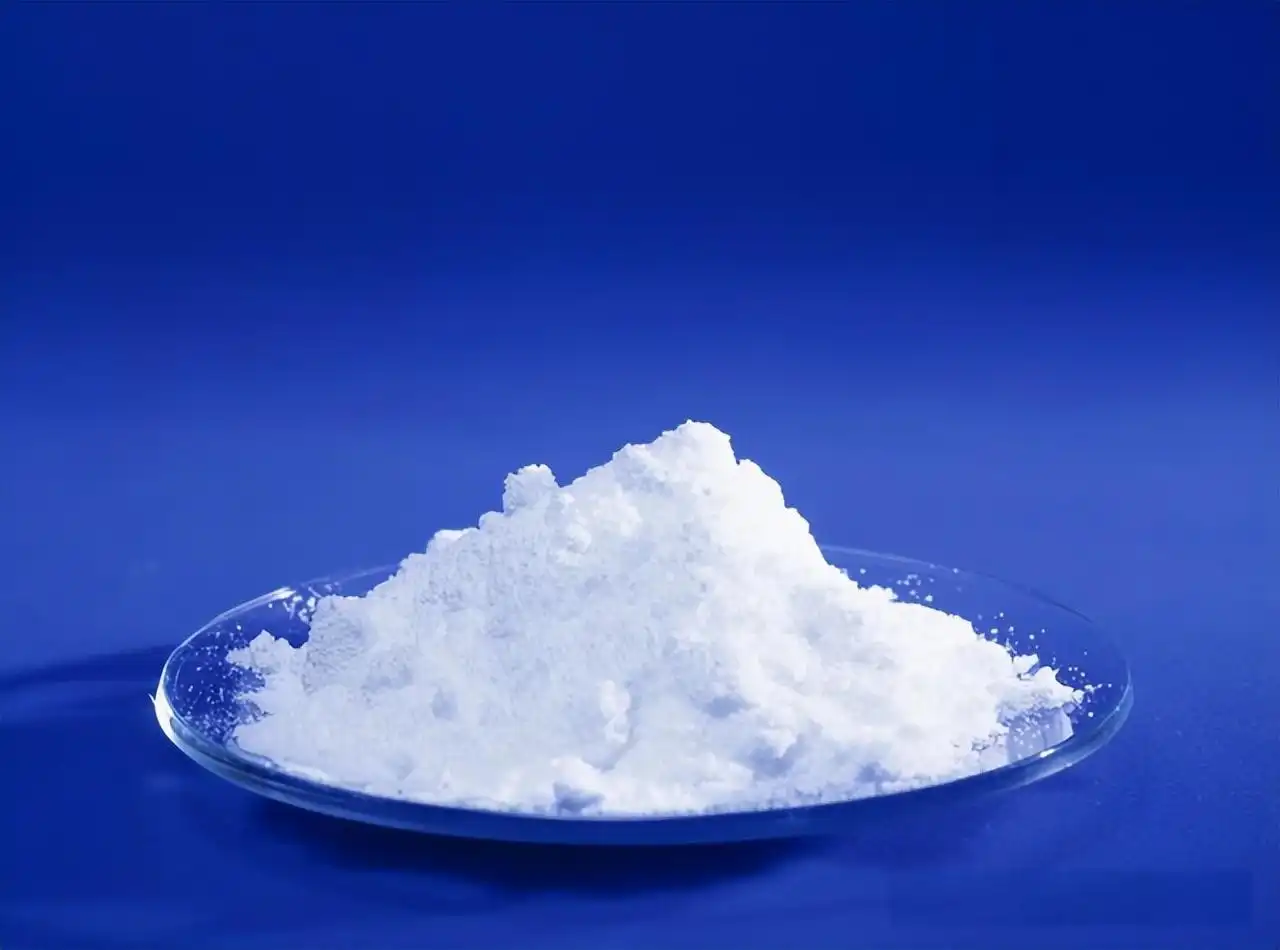
Soybeans are the most common source for commercial phytosterol extraction, but sterols from pine trees are much purer and contain more beta-sitosterol. Soybean sterols usually have 40–50% beta-sitosterol, but pine sources can have more than 75%. This higher potency means that smaller dose amounts are needed and the product works better. When buying different raw materials, procurement teams should carefully compare reports of analysis, looking at not only the total amount of sterols but also how beta-sitosterol, campesterol, and stigmasterol are broken down. To meet pharmaceutical-grade purity standards, pine phytosterol powder usually needs less processing.
Powder vs. Capsule Forms for Manufacturing
The format of raw materials has a big effect on how flexible production is and what the finished product can be used for. Pure phytosterol particles in powder form are very flexible for OEM operations because they can be easily added to protein blends, meal replacements, functional drinks, and custom supplement formulas. When working with fortified foods, technical directors like powder formats because they can be spread out evenly in product matrices. Capsule-ready formats make production easier for companies that only make dietary supplements, but they limit the types of products that can be used. Buying powder is also cheaper than buying pre-encapsulated materials because the price per gram is usually lower for powder, and there are fewer costs for packaging powder.
Quality Certifications That Matter
When buying phytosterol pine sterols from businesses, people must make sure that the companies they work with have up-to-date ISO 9001 quality management approval and ISO 22000 food safety standards. Dietary supplement brands that want to sell in North America should make sure they follow GMP (Good Manufacturing Practice). Companies that want to sell in many different international markets need to get Kosher and Halal certifications. These badges show that quality control is being done in a planned way along the whole production chain. Certificates of analysis for each batch, reports on heavy metal testing, microbiological safety data, and allergen statements should all be included in documentation packages. Instead of depending only on self-declarations, quality assurance teams that are looking at a supplier's skills should ask for third-party audit reports that show they consistently follow international standards.
Where to Buy Bulk Pine Sterols Supplements: Key Factors for B2B Buyers?
Identifying Reputable Manufacturers
The global phytosterol market is dominated by regions that are known for their technical know-how and ability to follow the rules. Asian makers, especially those in China, make most of the raw materials because they have easy access to pine forests and already-built facilities for extracting them. Specialized products and pharmaceutical-grade refinement are two areas where European makers really shine. Most of the time, North American providers are more like importers and distributors than main producers. When procurement managers look at possible partners, they should check how much they can produce, if they offer technical support, and how committed they are to sustainable forestry practices. CONAT is a great example of a company that focuses on manufacturing by keeping full control over the whole process, from extraction to final testing, instead of selling important parts of the production process.
Understanding Pricing and MOQ Structures
The price of bulk phytosterol depends a lot on the quality requirements, the amount ordered, and the present cost of raw materials. Pharmaceutical-grade pine sterols that are 90% pure or more usually cost more than food-grade materials that are only 80 to 85% pure. Minimum order quantities (MOQs) have a direct effect on unit economics. To justify starting a production batch, manufacturers usually set MOQs between 100 and 500 kilograms. If importers and distributors want to try out smaller amounts, they may have to pay more or work with ingredient brokers. In places where the prices of raw materials change with the seasons, long-term supply deals often help keep prices stable. In order to manage supplier risk and improve cash flow, buyers should negotiate payment terms that take into account the realities of international trade.
Logistics and Supply Chain Considerations
When you buy things from other countries, you need to pay close attention to shipping details, government paperwork, and storage needs. Phytosterols are steady when they are in the right conditions, but they need to be kept away from wetness, light, and too much heat while they are being shipped. Lead times for ocean freight from Asian manufacturers to North American destinations are usually between 4 and 6 weeks. Air freight cuts this time to 7 to 10 days, but it costs a lot more. When figuring out the total landing costs, importers have to take into account the steps needed to clear customs, the time it might take for inspections, and the cost of storing the goods. Setting up clear communication rules is very important—responsive suppliers who provide proactive shipment updates and clear problem resolution greatly reduce supply chain stress for buyers who manage just-in-time inventory systems.
Natural Pine Sterols Extraction and Quality Assurance
Extraction Methods and Sustainability
Phytosterol extraction today uses a number of different technologies, each with its own benefits. Using ethanol or hexane for traditional solvent extraction gives high yields, but the use of chemicals and high energy demands raises questions about whether this method is sustainable. Supercritical CO₂ extraction is a better option because it uses carbon dioxide under certain temperature and pressure settings to specifically remove sterol compounds without leaving behind any chemicals. This method makes materials that are very pure and meet pharmaceutical standards. It also helps meet goals for environmental responsibility. Cold-press methods are the most natural, but they produce lower concentrations of sterols, which means they need more steps to be refined. Manufacturers that want to use eco-friendly methods are investing more in CO₂ extraction infrastructure, even though it costs more. This is because the market wants ingredients that come from sustainable sources.
Quality Control and Beta-Sitosterol Verification
To make sure of the quality of phytosterol pine sterols, they are put through strict scientific tests. Gas chromatography with flame ionization detection (GC-FID) is still the best way to measure the amount of each sterol component. It gives accurate beta-sitosterol readings that are needed to prove that a product works. High-performance liquid chromatography (HPLC) is an additional method of research that can help find possible toxins or breakdown products. Reputable makers test each batch to make sure it is what it says it is, to see if it is pure, to check for heavy metals, to look for chemical residues, and to check for bacterial safety. Quality control labs should keep their ISO/IEC 17025 certification up to date and show they are technically competent by taking regular skill tests. These thorough testing methods make sure that B2B clients get materials that live up to what they say on the label and meet the rules in different places.
Making the Right Choice: Criteria for Selecting Pine Sterols Suppliers
Balancing Quality, Price, and Reliability
To choose the best supplier, you need to look at more than just prices; you need to look at the whole value proposition. When quality problems cause production delays, legal problems, or market recalls, the cheapest provider rarely gives the best long-term results. They should come up with weighted scoring systems that look at a number of factors, such as the purity of the raw materials, the consistency of the batches, the portfolio of certifications, the responsiveness of technical support, the company's financial stability, and the reliability of delivery. Higher trust scores are given to suppliers who are open about their operations by letting customers tour their facilities, documenting their processes in great detail, and being willing to talk about quality problems in an open way. Having partnerships with companies like CONAT that keep production under one roof, from sourcing raw materials to packaging the finished product, lowers the risks of a complicated supply chain and quality variations that come with having multiple supplier networks.
OEM Customization and Flexible Packaging
Differentiating products depends more and more on being able to customise them beyond what is normally available. Manufacturers who support OEM partnerships can mix phytosterols with ingredients that work well together, change the size of the particles for different uses, or come up with their own delivery systems that make the product more bioavailable. Brands that have a lot of different items need flexible packaging. For example, some need pharmaceutical-grade containers for their supplement lines and food-safe bulk packaging for functional food uses at the same time. Suppliers who offer different types of packing, such as 25-kilogram fibre drums and intermediate bulk containers (IBCs), help buyers better handle their goods and cut down on the cost of repackaging. Contract manufacturing services that include more than just supplying raw materials can be very helpful for new brands that don't have their own production facilities.
Building Long-Term Strategic Partnerships
Long-term ties with suppliers give you a competitive edge that is hard for other companies to copy fast. When manufacturers invest in their customers' success by giving them technical training, help with design, and information about market trends, they stop being just transactional suppliers and become strategic partners. Long-term contracts with dependable providers keep prices stable, ensure fair distribution during times of limited supply, and allow teams to work together to create new products, such as phytosterol pine sterols. Buyers should find out how committed potential partners are to constant improvement, changing regulations, and investing in new ideas. Companies that actively seek out better extraction technologies, wider ranges of certifications, and environmental efforts show that their management is forward-thinking and in line with how the market is changing. In the end, these agreements improve the market situation of cholesterol-lowering supplements such as phytosterols and pine sterols in health and fitness fields that are becoming more complex.
Conclusion
To find good phytosterol pine sterols, you need to carefully look at the technical skills, quality processes, and commitment to customer partnerships of the makers. Pine-derived plant sterols can lower cholesterol, which opens up a lot of possibilities for use in dietary supplements, functional foods, and medicines. Pharmaceutical-grade purity, consistent batch quality, full certifications, and helpful technical support are some of the things that buyers look for in order for their products to do well in competitive markets. When compared to trading commodities through a number of middlemen, direct relationships with committed makers who offer open operations and proven knowledge lead to the best results.
FAQ
1. How do phytosterols compare in effectiveness to other cholesterol-lowering ingredients?
Pine-derived phytosterols lower cholesterol about the same amount as plant sterols from other sources when taken in the same amounts. A daily dose of 2 grams of these phytosterols lowers LDL cholesterol by 8 to 10 percent. The main benefit is that pine extracts have more beta-sitosterol, which means that smaller dose amounts are possible. They work in a different way than red yeast rice or fibre-based ingredients, which means they can be used together in formulas that target more than one circulatory route.
2. What lead times should B2B buyers expect for bulk orders?
Production lead times depend on the details of the order and the capacity of the manufacturer. Standard pharmaceutical-grade pine phytosterol powder usually takes two to three weeks to make after an order is confirmed, plus another four to six weeks for shipping by ocean from Asian manufacturers. Production times may be longer if custom formulations or specialized derivatives are used. When buyers are going to launch a new product, they should start talking about procurement at least 12 weeks before the delivery date. This gives enough time for production schedules, quality tests, and changes in foreign logistics.
3. Can pine sterols be used in functional foods and beverages?
Pine phytosterols work great in useful foods when they are made in the right way. Because esterified forms are more stable when heated during processing, they can be used to add nutrition to dairy products, nutrition bars, and drinks. Food scientists should know that free sterols need media that contain fats to be able to spread and be absorbed properly. Phytosterol supplementation is legal in most places as long as the health claims are supported by evidence. Manufacturers must check that the licenses are for food use and follow regional labelling rules that say how many servings are needed to lower cholesterol.
Partner with CONAT for Premium Phytosterole Pine Sterols Supply
CONAT is ready to help you meet your phytosterol sourcing needs by providing pharmaceutical-grade pine sterols that are made to strict quality standards. Our combined production skills, which include everything from extraction to full testing, make sure that each batch is the same and that all regulations are met, which is very important for companies that make dietary supplements, functional foods, and medicines. We keep our ISO 9001, ISO 22000, GMP, Kosher, and Halal standards up to date to meet the needs of the foreign market. If you need bulk pine phytosterol powder for OEM formulations or custom sterol esters for certain uses, our expert team can help with formulations and paperwork, which will speed up the development of your product. As a dedicated phytosterol manufacturer, we can offer you competitive pricing, flexible minimum order quantities, and reliable delivery schedules that make us your ideal partner for strategic ingredients. You can talk to our procurement experts about your phytosterole pine sterols requirements, ask for samples, or set up a technical consultation by emailing sales@conat.cn.
References
1. Phillips KM, Ruggio DM, Ashraf-Khorassani M. "Phytosterol composition of nuts and seeds commonly consumed in the United States." Journal of Agricultural and Food Chemistry, 2005.
2. Pollak OJ. "Reduction of blood cholesterol in man by plant sterols." Circulation, 1953.
3. Ostlund RE, Racette SB, Stenson WF. "Inhibition of cholesterol absorption by phytosterol-supplemented margarine in humans." American Journal of Clinical Nutrition, 2002.
4. Piironen V, Lindsay DG, Miettinen TA, Toivo J, Lampi AM. "Plant sterols: biosynthesis, biological function and their importance to human nutrition." Journal of the Science of Food and Agriculture, 2000.
5. Abumweis SS, Barake R, Jones PJ. "Plant sterols/stanols as cholesterol lowering agents: A meta-analysis of randomized controlled trials." Food & Nutrition Research, 2008.
6. National Cholesterol Education Program. "Third Report of the Expert Panel on Detection, Evaluation, and Treatment of High Blood Cholesterol in Adults." National Institutes of Health Publication, 2002.
YOU MAY LIKE