
Why Natural Tocopheryl Acetate Is Better for Clean Beauty
Tocopheryl acetate, natural, has become an important ingredient in the clean beauty movement. It gives formulation chemists and procurement managers a reliable way to make products that work and are clear. This stable form of vitamin E comes from plant-based sources like sunflower and palm oils. It is a powerful antioxidant that meets customer expectations for authenticity and sustainability. When compared to manufactured options, natural tocopheryl acetate keeps the molecular structure that clean beauty formulas need. This gives skin better protection against oxidative stress and environmental aggressors. As brands deal with greater ingredient scrutiny, it becomes important for them to understand why this organically sourced vitamin E derivative works better than synthetic versions. This will help them make competitive products and stand out in the market.
Understanding Natural Tocopheryl Acetate in Clean Beauty
What Makes Natural Tocopheryl Acetate Unique?
Tocopheryl acetate natural is a stable ester form of vitamin E that is made by carefully extracting vitamin E from plant oils. The extraction process keeps the natural stereoisomer configuration, specifically the d-alpha form, which is more bioactive than synthetic dl-alpha variants. This chemical structure makes it easier for cells to take in the substance and for free radicals to be neutralized more effectively in skin care products.
Naturally occurring tocopheryl acetate naturally has other chemicals from its plant sources that work well with it. These include small amounts of other tocopherol isomers and phytosterols. These naturally occurring co-factors make the ingredient more stable and improve its performance in finished formulations. They do this by working together in a way that synthetic versions of the ingredient alone can't.
Extraction Methods and Quality Indicators
To get high-purity natural tocopheryl acetate, reputable companies use molecular distillation and supercritical CO₂ extraction. These methods keep the antioxidant power of the ingredient while getting rid of any unwanted substances or residues. Some signs of quality are at least 96% purity, specific rotation values that prove natural origin, and full testing records that cover heavy metals, peroxides, and microbial contamination.
Skincare Benefits Backed by Research
Tocopheryl acetate natural products protect the cell walls of the skin from lipid peroxidation, which is one of the main causes of aging too quickly. Studies show that tocopheryl acetate naturally gets into the stratum corneum well and is changed by enzymes into free tocopherol, which is the active form of the antioxidant. This process of conversion provides long-lasting protection throughout the day, which makes it useful for leave-on skin care products like moisturizers and serums.
Natural vs. Synthetic Tocopheryl Acetate: Key Differences for B2B Buyers
Chemical Structure and Bioavailability
There are basic chemical differences between natural and synthetic forms, not just marketing promises. There is only one stereoisomer of natural d-alpha-tocopheryl acetate. Synthetic forms have eight different stereoisomers, but only one of them matches the natural structure. According to research, skin cells prefer to take in and use the natural d-alpha form. This means that topical applications have about 30–40% more bioactivity.
This difference in bioavailability has a direct effect on how well the formulation works. Tocopheryl acetate, naturally, can help clean beauty brands get the results they want at lower concentrations. This could help make up for the higher cost of the raw material by lowering the amount used and making better product boasts.
Antioxidant Potency and Stability Considerations
Lab tests show that natural tocopheryl acetate is more stable against oxidation in finished products, especially when mixed with other plant extracts that are popular in clean beauty products. The small naturally occurring parts stabilize the product and make it last longer without the need for artificial preservative boosters.
When synthetic alternatives are made and stored, they often break down faster when they are exposed to light and heat. This breakdown hurts both the antioxidants' effectiveness and the way the product feels, which could lead to problems with quality control that hurt the brand's image and make customers unhappy.
Procurement Intelligence: Certification and Transparency
Smart buyers judge suppliers based on paperwork that can be checked. Tocopheryl acetate, natural, should come with records of analysis that show specific spinning measurements. These measurements prove that the product comes from natural plants. ISO 9001, ISO 22000, and GMP certifications show that a company has quality control systems in place. Kosher and Halal certifications make the market more accessible to a wider range of customers.
Price factors need to be looked at in a more complex way. Natural versions usually cost 20–35% more than synthetic versions, but this investment pays off in a big way through better product positioning, cleaner labels, and more trust from customers. Total value, not just unit cost, should be the focus of procurement strategies. Formulation speed and marketing benefits should also be taken into account.
How to Effectively Use Natural Tocopheryl Acetate in Clean Beauty Formulations?
Optimal Concentration Ranges for Different Product Types
Formulation makers usually add 0.1 to 1.0% of tocopheryl acetate naturally to serums and creams for the face, 0.5 to 2.0% to body care products, and 0.05 to 0.5% to washes. These lines strike a mix between how well they work and how much they cost, while still having a clean-label attraction. For targeted treatment products that stress the benefits of antioxidants, higher concentrations may be needed.
Because the ingredient dissolves in oil, it needs to be properly dissolved during production. There is no trouble mixing it with carrier oils, moisturizing esters, and the oil part of emulsions. Temperature sensitivity means that extra needs to be added when the temperature drops below 40°C to keep the antioxidant activity at its highest level.
Ingredient Synergies That Enhance Performance
When natural tocopheryl acetate is mixed with antioxidants that work well with it, the two work together to make a better result than the sum of their parts. Using vitamin C derivatives together protects in two ways: vitamin C stops oxidation in the water phase, and natural tocopheryl acetate keeps lipid parts safe. Adding natural astaxanthin or CoQ10 makes antioxidant networks that are better at getting rid of free radicals.
Plant extracts that are high in polyphenols, like those found in green tea or grape seed, boost the protective effects and support the idea of clean beauty. These mixtures allow brands to back up broad antioxidant claims that customers who care about ingredients like.
Regulatory Compliance and Documentation Requirements
Clean beauty products must meet the rules in all of their target markets. In the US, natural tocopheryl acetate needs to be listed as "Tocopheryl Acetate" on the INCI list, and its natural source must be mentioned in marketing materials instead of ingredient lists. If it is used correctly in personal care products, the FDA says it is GRAS.
Cosmetic Regulation (EC) No. 1223/2009 and REACH rules must be followed in order to sell goods in Europe. Suppliers should give full safety data sheets, allergen statements, and statements about animal testing that prove the product is not tested on animals in a harmful way. Certification apps for clean beauty marks like COSMOS, Natrue, or EWG Verified are stronger when they include proof of natural claims, such as growing methods and extraction methods.
Procuring Natural Tocopheryl Acetate: A Guide for B2B Clients
Evaluating Supplier Credibility and Capabilities
Thoroughly qualifying suppliers is the first step to successful buying. Manufacturers with a lot of experience show their technical knowledge by giving thorough product specs, stability data, and formulation support services. Site audits or audit reports from a third party make sure that quality systems and manufacturing capabilities are correct. This lowers supply chain risks that could throw off production schedules.
Environmental stewardship is becoming a bigger factor in choosing a supplier. Leading manufacturers use sustainable methods to get botanical raw materials, run their factories with renewable energy, and keep clear supply chains that can be tracked back to farms where the materials came from. These actions are in line with the standards of clean beauty and meet the environmental goals of the company.
Practical Procurement Considerations
Tocopheryl acetate natural, usually has a minimum order quantity of 25 to 100 kg, but this can change depending on the supplier and grade requirements. The way prices are set takes into account the cost of raw materials, the difficulty of handling, and the need for approval. By making long-term deals with suppliers, you can get better prices and faster distribution when supplies are low.
When shipping, it's important to keep an eye on the storage conditions. Tocopheryl acetate and natural stay stable best when they are kept away from light, heat, and air. For big orders, especially in the summer or to warm places, suppliers should offer nitrogen-flushed packing and temperature-controlled shipping.
Quality Control Protocols for Incoming Materials
Having strict receiving inspection procedures in place protects the integrity of the formulation and the brand's reputation. As part of batch testing, the purity should be checked using chromatographic analysis, the antioxidant activity should be checked by measuring the peroxide value, and the physical qualities, such as color, smell, and look, should also be checked. Keeping samples allows for tracking if quality problems happen during the product's shelf life.
Verification of documentation makes sure that certificates of analysis match the materials that were shipped and that all necessary certifications are still valid. To keep quality standards high throughout the supply chain, discrepancies must be reported right away to the seller, and the batch may be rejected.
Why Natural Tocopheryl Acetate Is the Preferred Choice for Clean Beauty Brands?
Aligning with Consumer Expectations for Transparency
People today look at ingredient lists with a level of detail that has never been seen before. They want to buy products that reflect their values about health, sustainability, and authenticity. Tocopheryl acetate, naturally, lets brands talk about their real clean beauty credentials. This helps goods stand out in busy markets where "natural" claims are becoming less credible.
Third-party certifications back up claims of natural sourcing, giving educated consumers the independent proof they want. When brands use certified tocopheryl acetate natural derivatives, they build trust, which leads to loyal customers and good word-of-mouth marketing, both of which are very valuable in the beauty industry.
Market Trends Driving Natural Ingredient Adoption
The global market for clean beauty products is still growing quickly. Industry studies predict that it will grow at a rate of more than 8% per year until 2030. This rise is due to younger customers who care more about ingredient transparency and being good to the environment. With tocopheryl acetate natural, brands can reach this growing group of customers and charge higher prices, which increases their profit margins.
As buyers put together assortments that meet customer standards, retail partnerships need clean ingredient paperwork more and more. When reviewing lines and testing new products, natural sourcing gives you an edge over the competition. This makes it easier to get your products sold in high-end channels and clean beauty stores.
Environmental Benefits Supporting Sustainability Goals
Botanical vitamin E production helps farming economies that use environmentally friendly methods. By protecting biodiversity and using fewer synthetic chemicals than alternatives made from petroleum, responsible sourcing has positive effects on the environment. These benefits for the environment are in line with corporate social responsibility efforts and appeal to environmentally conscious customers.
Brands that tell these sustainability stories set themselves apart and help the industry as a whole move toward more sustainable practices. Tocopheryl acetate natural isn't just a useful ingredient; it's also a choice based on ideals that make the brand stand out and build relationships with customers.
Conclusion
Tocopheryl acetate, naturally, has many benefits for clean beauty products because it is bioactive and comes from real sources that meet the needs of a changing market. There are measurable performance benefits between natural and synthetic forms due to differences in molecules. These benefits justify procurement investments through better effectiveness and brand differentiation. To make implementation work, you need to know the best ways to formulate ingredients, build relationships with qualified suppliers who will uphold strict quality standards, and be honest about natural sourcing with consumers who care about ingredients. Tocopheryl acetate natural alternatives are smart chemical choices that support both product performance and values-based positioning, which leads to long-term business growth as clean beauty continues to change industry standards.
FAQ
1. Can natural tocopheryl acetate cause adverse reactions in sensitive skin formulations?
When used at the right amounts, tocopheryl acetate is naturally very safe for all skin types and doesn't cause skin sensitization. Clinical studies show that properly made items have almost no chance of irritating the skin. Reactions that happen very rarely are usually caused by the way the ingredient was mixed or formulated, like when it interacts with other actives or vehicle parts. Standard compatibility testing during product creation finds problems before they become available to the public.
2. How does natural tocopheryl acetate compare to pure vitamin E oil in formulations?
Pure vitamin E oil (tocopherol) works as an antioxidant right away, but it's not as stable in finished products because it easily oxidizes. Tocopheryl acetate natural is a stable alternative that turns into active tocopherol after being absorbed by the skin. It provides long-lasting benefits and is more stable at room temperature. The acetate form works better with a wider range of formulations and stays consistent throughout the shelf life of the product, which makes it better for commercial production.
3. What certifications validate natural tocopheryl acetate quality in bulk purchases?
Reliable sellers show that they have quality management systems by giving ISO 9001 and GMP certifications. They also provide specific natural sourcing documents, such as proof of botanical origin and information on how the product was extracted. More qualifications, like Kosher, Halal, and vegetarian marks, make it easier to find work. Buyers should ask for records of analysis for each batch, information on how stable the product is, and proof that it meets the standards of the target market.
Partner with CONAT for Premium Natural Tocopheryl Acetate Supply
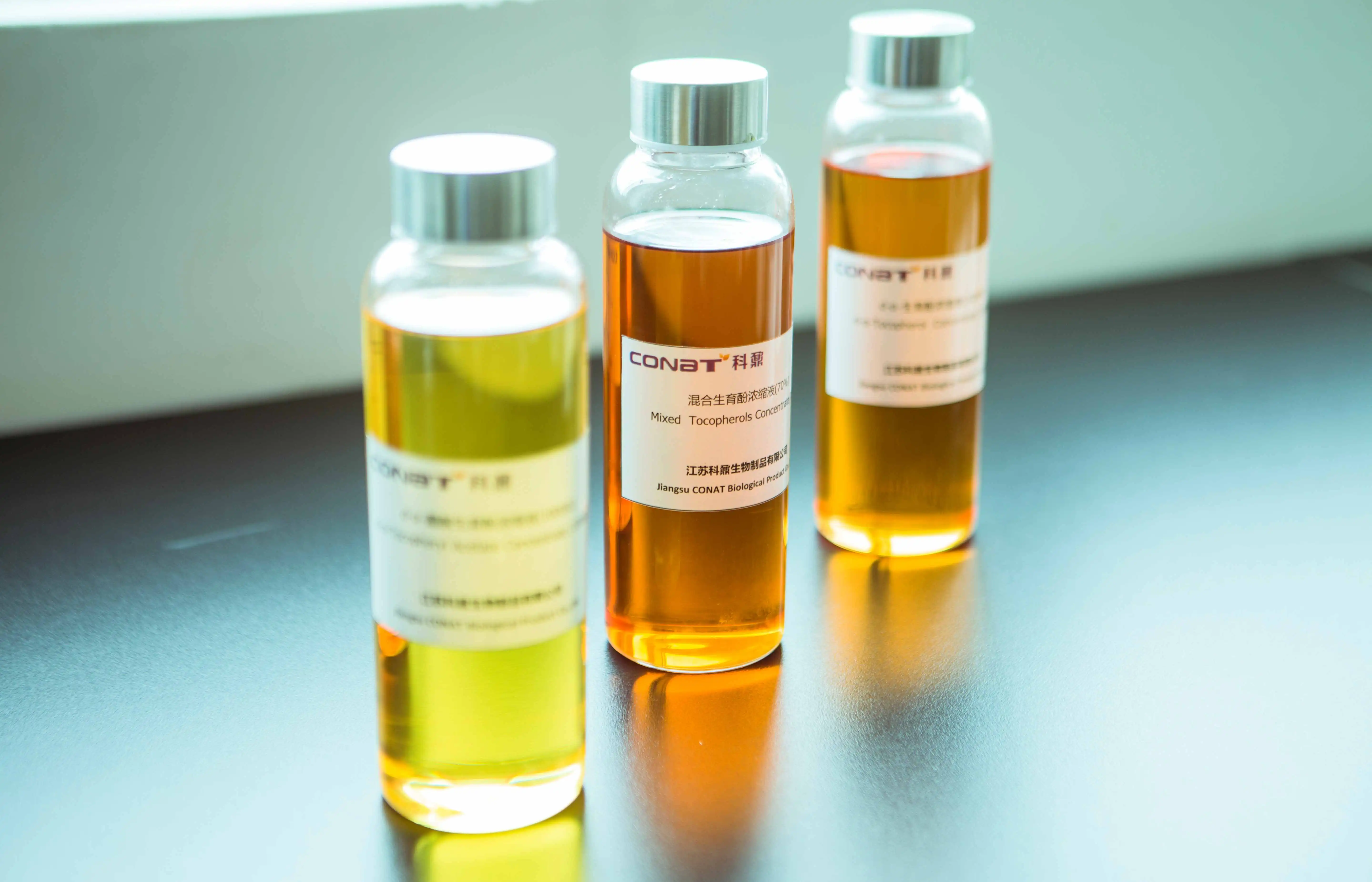
Jiangsu CONAT Biological Products Co., Ltd. is a specialist in making tocopheryl acetate naturally. They provide pharmaceutical-grade ingredients that meet the strict needs of clean beauty brands around the world. Our cutting-edge molecular distillation technology and thorough quality control systems make sure that each batch is exactly the same, and we provide full documentation to support your regulatory compliance needs. We are a seasoned tocopheryl acetate natural supplier, and we keep our ISO 9001, ISO 22000, GMP, Kosher, and Halal certifications up to date. Our expert support team can help you come up with a recipe and give you samples that show how well our ingredients work. If you need small-scale trials or deals for large supplies, CONAT can help you build a strong relationship based on quality, openness, and a lot of knowledge about how to make natural vitamin E. Get in touch with our team at sales@conat.cn to talk about your needs and find out how our tocopheryl acetate natural solutions can improve your clean beauty products and make your supply chain run more smoothly.
References
1. Keen, M.A., and Hassan, I. (2016). "Vitamin E in Dermatology." Indian Dermatology Online Journal, Vol. 7, Issue 4, pp. 311-315.
2. Thiele, J.J., and Ekanayake-Mudiyanselage, S. (2007). "Vitamin E in Human Skin: Organ-Specific Physiology and Considerations for its Use in Dermatology." Molecular Aspects of Medicine, Vol. 28, Issues 5-6, pp. 646-667.
3. Rizvi, S., Raza, S.T., Ahmed, F., Ahmad, A., Abbas, S., and Mahdi, F. (2014). "The Role of Vitamin E in Human Health and Some Diseases." Sultan Qaboos University Medical Journal, Vol. 14, Issue 2, pp. 157-165.
4. Burton, G.W., and Traber, M.G. (1990). "Vitamin E: Antioxidant Activity, Biokinetics, and Bioavailability." Annual Review of Nutrition, Vol. 10, pp. 357-382.
5. Brigelius-Flohé, R., and Traber, M.G. (1999). "Vitamin E: Function and Metabolism." FASEB Journal, Vol. 13, Issue 10, pp. 1145-1155.
6. Cosmetic Ingredient Review Expert Panel (2002). "Final Report on the Safety Assessment of Tocopherol, Tocopheryl Acetate, and Related Ingredients." International Journal of Toxicology, Vol. 21, Supplement 3, pp. 51-116.
YOU MAY LIKE