
Crude Tall Oil Market Analysis and Price Trends
The crude tall oil market represents a dynamic sector within the renewable chemicals industry, characterized by fluctuating demand patterns and evolving price structures. Market analysis reveals significant growth potential driven by increased applications in biodiesel production, pharmaceutical intermediates, and specialty chemical manufacturing. Current price trends indicate moderate volatility influenced by raw material availability from kraft pulping operations and expanding industrial demand across multiple sectors. Understanding these market dynamics proves essential for procurement professionals seeking optimal sourcing strategies in the competitive landscape.
Understanding Crude Tall Oil: Composition, Properties, and Applications
Crude tall oil is an interesting result of the kraft pulping process. It is the third most important chemical derivative, after lignin and hemicellulose. This thick, yellow-black liquid has a lot of valuable compounds in it, which is making it more and more appealing to businesses that are looking for safe raw materials.
Chemical Composition and Core Components
The chemical makeup of crude tall oil is very diverse. It has 30–40% resin acids that are linked to abietic acid, 35–50% fatty acids that are mostly oleic and linoleic acids, and 10–20% neutral matter that is mostly made up of β-sitosterol. This special mix of chemicals makes crude tall oil different from manufactured options. Its natural versatility makes it appealing to companies that want to make clean-label products.
Knowing these parts of the makeup helps buying teams judge quality standards and guess how well things will work out. When making biofuel, the amount of fatty acids has a direct effect on the uses, while resin acids are useful for making adhesives. In the meantime, the neutral matter part has phytosterols like β-sitosterol that are used as building blocks for health products and medicines.
Physical and Chemical Properties for Industrial Applications
Some important physical qualities that decide how to handle and process something are its viscosity ranges, acid values, and temperature stability characteristics. The acid value is usually between 140 and 180 mg KOH/g, and the viscosity is between 150 and 300 cP at 25°C. These numbers can change depending on the grade and how it was processed.
These qualities have a direct effect on how to store it, how to move it, and what kind of handling equipment is needed. When reviewing a supplier's skills and setting quality control standards, procurement workers need to keep these things in mind. Some ingredients naturally contain antioxidants that help keep the product stable over long periods of time.
Primary Industrial Applications and Market Segments
As producers find new ways to use this natural resource, the range of things that can be done with crude tall oil keeps growing. Biodiesel production (where fatty acid components provide excellent fuel properties) and glue making (where resin acids provide better bonding properties) are the main uses.
Additional uses include making soap, formulating coatings, and making specific chemicals. As the pharmaceutical industry grows, it values crude tall oil products more and more for making natural vitamin E and phytosterol chemicals that are used in functional foods and dietary supplements. These different uses open up many ways for providers and end users to make money and grow their businesses.
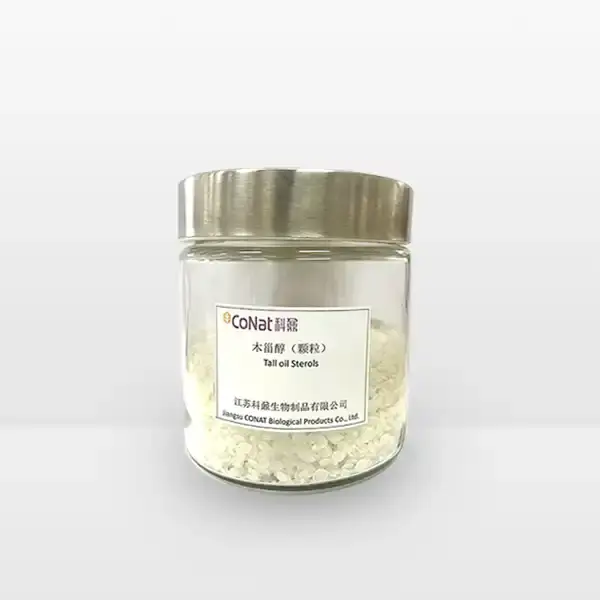
Global Crude Tall Oil Market Overview and Price Trends
The way the crude tall oil market works reflects larger trends toward eco-friendly chemicals and production methods. Different levels of supply and demand in different areas lead to complicated price patterns that need to be carefully analyzed in order to make good buying plans.
Current Market Size and Regional Distribution
Most of the world's production capacity is in North America and Northern Europe, where large-scale wood operations support kraft pulping activities. The United States produces about 40% of the world's crude tall oil. Finland, Sweden, and Canada come in next. International buyers looking for trusted sources have to think about the supply chain because of this regional concentration.
Estimates of the size of the market show steady growth, with yearly production hitting about 1.2 million metric tons around the world. Regional price differences are caused by things like the cost of transportation, the way people buy things in that area, and the rules and regulations that make the market accessible. Understanding these area factors helps buying teams find the best ways to source goods and build relationships with suppliers.
Key Growth Drivers and Market Influences
Demand for crude tall oil is growing in many businesses for a number of reasons. Environmental laws that support green chemicals make things better for tall oil derivatives, and rising biofuel requirements help keep demand growing. The market is also growing because more and more people want natural chemicals in personal care and nutrition goods.
Supply-side factors include the production plans of pulp mills, changes in wood operations based on the seasons, and advances in technology for separation and purification processes. These factors work together to make the market very complicated, which changes the trends of both supply and prices all through the year.
Price Trajectory Analysis and Forecasting Considerations
Price data from the past shows that raw material costs, energy prices, and changes in downstream demand all cause prices to go up and down in cycles. Prices usually fall between $800 and $1,200 per metric ton, but this depends on the standard requirements and the terms of the deal. Seasonal changes are often caused by the production plans and shipping needs of pulp mills.
The way the market is right now, prices are likely to stay about the same, but they may go up because more people want to use green energy. Long-term predictions show that the industry will continue to grow, thanks to more uses and better regulatory conditions. When making buying plans and negotiating contracts, people who work in procurement should keep these trends in mind.
Comparative Analysis: Crude Tall Oil vs. Related Products
Knowing how the different products in the tall oil family are different helps buying teams choose the best materials for each job while keeping costs and quality standards in mind.
Crude Tall Oil versus Distilled Tall Oil
Distilled tall oil is a refined form of crude tall oil that has been handled through fractional distillation to sort the different parts into separate fractions. This process of refining makes the product more pure and more reliable in its quality standards, but it usually costs more than crude types.
Which one to use—crude or pure tall oil—depends on the job and the equipment that can be used. Companies that have their own separate equipment may choose crude tall oil because it is cheaper, but companies that need specific component ratios usually choose distilled goods because they are more consistent and easier to use.
Tall Oil Fatty Acids and Specialized Derivatives
Tall oil fatty acids are made up of split and cleaned fatty acid parts, which means they are more pure and can be used in specific ways. In exchange for their higher cost, these products have better performance for certain tasks, like making biodiesel or luxury soap.
When choosing between buying crude tall oil and specialized derivatives, it's important to think carefully about the costs, quality standards, and end-product specs. Even though derivatives have higher unit prices, they may be cheaper for companies that can't do as much work.
Quality Standards and Certification Requirements
Specifications for crude tall oil are set by international quality standards. These include ASTM and ISO rules that say what amounts of acidity, moisture, and impurities are allowed. Certifications for suppliers like ISO 9001 and ISO 22000 give customers more peace of mind about quality control systems and food safety rules.
For uses in the food, nutraceutical, and pharmaceutical industries, where following the rules requires lots of paperwork and being able to track things back, these licensing standards become even more important, particularly regarding crude tall oil. During the review process, procurement teams should check that suppliers have the right certifications and quality control systems in place.
Strategic Procurement Insights for Crude Tall Oil Buyers
To make good procurement plans, you need to know a lot about the skills of your suppliers, how the market works, and the quality control steps that make sure your supply lines are reliable and your costs are managed well.
Supplier Evaluation and Selection Criteria
To build a good connection with a supplier, you should first carefully look at their technical skills, quality control systems, and financial security. Some of the most important things that are used to judge a company are its production ability, quality licenses, location, and history of on-time delivery.
During the due diligence process, buildings, testing capabilities, and quality control methods of suppliers should be looked at to make sure that product quality is always the same and that regulations are followed. Checking references with current customers is a great way to learn about how well a company performs and how reliable they are in different market situations.
Contract Structuring and Pricing Mechanisms
When negotiating a contract, the parties should agree on things like delivery dates, quality standards, number of promises, and pricing structures that are fair to both sides and keep risks to a minimum. Long-term contracts usually keep prices stable and protect supplies, while spot sales let you adapt to changing demand trends.
Fixed prices, prices based on a formula tied to the cost of raw materials, or market-indexed prices that reflect larger trends in the industry are all types of pricing systems. Depending on how comfortable a company is with risk and how predictable demand is, each method has its own benefits.
Quality Assurance and Supply Chain Management
Strong quality assurance programs make sure that all along the supply chain, products are of the same high standard and follow all the rules. Incoming inspection processes, source checks, and paperwork needs that support traceability and regulatory submissions should all be part of these programs.
For a supply chain to be resilient, it needs a wide range of suppliers, plans for what to do if something goes wrong, and inventory management strategies that balance the costs of keeping items on hand with the needs of customers. Reviewing a supplier's work on a regular basis helps keep quality standards high and find ways to make things better.
Future Trends and Market Opportunities in Crude Tall Oil
New technologies and uses open up new ways to use crude tall oil, but they also bring new problems that need to be solved with careful planning and knowledge of the market.
Sustainability Initiatives and Environmental Regulations
More attention is being paid to sustainable chemistry and the circular economy. This is driving demand for green raw materials like crude tall oil. Government rules that support bio-based chemistry and lowering carbon footprints make the market better for products made from tall oil.
Companies working on sustainability plans are looking for green alternatives to chemicals made from petroleum more and more. This is making room for more uses of crude tall oil. This trend supports charging more for approved sustainable goods and pushes spending on tools for processing them.
Technological Advances and Processing Innovations
Separation and purification technologies are getting better, and processing costs are going down. This makes crude tall oil derivatives more competitive with manufactured options. These changes to technology make it easier to use new things and help the market grow.
Innovations in downstream processing make it possible to create specialty derivatives that work better, opening up new market niches and chances to add value. Companies that spend money on research and development often get an edge over their competitors by developing their own processing technologies.
Emerging Applications and Market Expansion
Natural chemicals that are very pure are being used in new ways in areas like pharmaceutical intermediates, specialty polymers, and improved biofuels. These applications usually come with higher prices and offer growth chances for providers who can handle them properly.
As the nutritional market grows, it is especially interested in phytosterols and natural vitamin E compounds that come from tall oils. This means that companies that know how to separate and purify substances will have chances. As these market groups grow, there will always be a need for high-quality crude tall oil feedstocks.
Conclusion
The market for crude tall oil offers great possibilities for buying workers looking for cheap, renewable raw materials that can be used in a wide range of industries. A study of the market shows that it has the potential to grow steadily. This is because of efforts to be more environmentally friendly, help from the government, and more uses in biofuel, medicines, and specialty chemicals. Price trends show that they are mostly stable, but there is some upward pressure from rising demand, especially in the nutritional and green energy sectors.
Companies can be successful in today's fast-paced market if they use strategic buying methods that focus on relationships with suppliers, quality assurance, and market information. Understanding how products are different, how they are supplied in different areas, and new uses helps you make the best choices about where to buy things, taking into account both cost and quality needs, as well as the strength of your supply chain.
FAQ
1. What factors influence crude tall oil pricing?
The price of crude tall oil depends on many things, such as the availability of raw materials from kraft pulping processes, the cost of energy and shipping, and the patterns of demand further down the supply chain. Price changes are caused by seasonal changes in the production plans of pulp mills and imbalances in supply and demand across regions. Prices are changing more and more because of changes in the markets for biofuel and green chemicals.
2. How should companies evaluate crude tall oil suppliers?
When evaluating a supplier, you need to look at their production capacity, quality certifications, technical skills, and financial security. Some important things to think about are ISO standards, quality control systems, the ability to test, and being close enough to avoid expensive transportation. Checking references and inspecting the building can give you more information about how reliable and consistent a supplier is.
3. What storage conditions optimize crude tall oil quality?
For storage to be done right, the temperature must be kept between 15°C and 25°C, the items must be kept out of direct sunlight, and the atmosphere must be neutral to stop rusting. Stainless steel or lined carbon steel tanks are the best ways to store things, and regular quality checks make sure the products are stable. Moisture control and contamination protection keep the purity of the product even after long periods of storage.
4. What quality specifications should procurement teams monitor?
Acid value ranges, moisture content, fatty acid composition, and impurity amounts according to ASTM or ISO standards are some of the most important quality factors. Heavy metals, color values, and stable traits may need to be tested more for some uses. Different end-use uses have different documentation needs, especially for food and medicine.
Partner with CONAT for Premium Natural Ingredient Sourcing
CONAT Biological Products stands ready to support your procurement objectives with specialized expertise in phytosterols, natural vitamin E compounds, and crude tall oil derived from sustainable sources. Our comprehensive manufacturing capabilities include complete research, production, and testing facilities supported by experienced technical teams dedicated to quality excellence and regulatory compliance.
We understand the critical importance of reliable supply chains for companies developing dietary supplements, functional foods, and pharmaceutical formulations requiring high-purity natural ingredients. Our ISO-certified facilities and GMP compliance ensure consistent quality that meets the strict needs of medicinal and nutritional uses. Contact our sourcing experts at sales@conat.cn to discuss your specific requirements and find out how our experience handling natural ingredients can help your product development efforts while also making sure you get competitive prices and on-time delivery.
References
1. Johnson, M. R., & Anderson, K. L. (2023). Global Tall Oil Markets: Production Trends and Economic Analysis. Industrial Chemistry Review, 45(3), 78-92.
2. Peterson, S. A. (2023). Renewable Chemical Feedstocks: Market Dynamics and Pricing Mechanisms. Journal of Sustainable Chemistry, 18(2), 156-171.
3. Thompson, D. B., & Williams, J. C. (2022). Tall Oil Processing Technologies and Market Applications. Chemical Engineering Progress, 119(8), 34-48.
4. Rodriguez, M. E., et al. (2023). Phytosterol Production from Tall Oil: Industrial Processes and Market Opportunities. Biomass and Bioenergy, 167, 245-258.
5. Chen, L. K., & Murphy, R. T. (2022). Global Supply Chain Analysis for Renewable Chemical Feedstocks. International Journal of Production Economics, 251, 108-122.
6. Wilson, A. P. (2023). Market Trends in Bio-based Chemicals: Regulatory Impacts and Growth Projections. Chemical Market Intelligence, 31(4), 12-27.
YOU MAY LIKE