
Crude Tall Oil Refining Process Explained
When evergreen trees are used to make paper in the kraft pulping process, crude tall oil is made. This is trash from pine trees that can be used again. There are fatty acids, resin acids, and neutral substances like phytosterols (especially β-sitosterol) in this thick, dark liquid. Because of this, it can be used as a raw material to make pure products. It is easy for buying managers to find high-quality products for medicines, nutraceuticals, and functional foods when they know how crude tall oil is broken down into its different parts.
Understanding Crude Tall Oil and Its Challenges
Crude tall oil (CTO) comes from the kraft pulping business. This is where chemicals are used to make cellulose from pine and other evergreen tree chips for paper products. Through this process, soap stock is made. After that, acid is added to make crude tall oil. The Swedish word "tallolja" means "pine oil," which comes from the plant from which it comes and from its historical use in industries that depend on wood.
Composition of Crude Tall Oil
The chemicals that make up crude tall oil change depending on the kind of wood that was used, how it was processed, and how the mill was run. CTO is mostly made up of fatty acids (mostly oleic and linoleic acids), resin acids (30–40%), and neutral matter (10–20% of the time). β-sitosterol is the main phytosterol. It's hard for makers to make sure that uses further down the line are uniform with this range. This makeup is important to know because it has a direct impact on how the material is polished and the quality of the things that come from it.
Raw Material Variability and Downstream Impact
Parts of CTO change based on things like the type of wood, the time of year, and how well the pulp is being made, since it's not the main product. The color, stability, acid value, and impurity levels are all affected by these changes. This makes it harder to separate high-purity actives like phytosterols and natural vitamin E from the mixture. Companies that want to sell drugs, supplements, or foods need to be aware of these changes. To make sure that every batch is the same, they need to use strict quality control and make processes better.
Why Refining Crude Tall Oil Matters
Only by refining crude tall oil can this raw material be turned into things that sell for money. Without being polished, CTO is still not good for sensitive uses because it has a lot of impurities, changes color easily, and smells bad. A product is refined to make it more stable, to make it last longer, and to make sure it meets the strict standards set by governing groups like the FDA and EFSA. In the nutrition and functional food businesses, procurement teams gain from smaller amounts that look better on the label, are more bioavailable, and work the same way in all formulas.
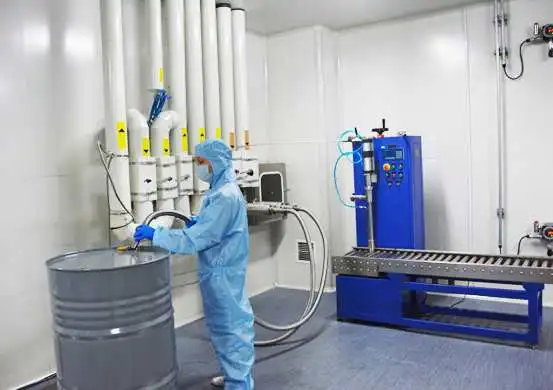
The Crude Tall Oil Refining Process: Step-by-Step Breakdown
To make crude tall oil more useful, its difficult mix needs to be separated into parts that have clear chemical traits and can be used in industry. Refining has changed over the years from a simple process of distillation to one that uses cutting-edge technology and many steps and stages.
Conventional Refining Methods
Acidulation is the first step in the usual process of cleaning CTO. And this is when sulfuric acid is used on soap stock from pulping mills to get rid of free fatty and resin acids. There are different parts of the crude tall oil that boil at different temperatures, which is used for fractional distillation under pressure. But there are some problems with traditional distillation. For example, it can't fully separate the resin and fatty acids, it keeps the impurities, and it might break down heat-sensitive substances like phytosterols and tocopherols. If a company needs to make clean and steady products for food or medicine, these issues make it harder for them to do so.
Modern Refining Steps and Technologies
Modern methods of polishing are cleaner in more than one step to get around the problems that came with older methods. People still use fractional distillation a lot, but high-vacuum methods and exact temperature control have made it better by lowering the stress of heat. Then, chemicals like bleach and neutralizers are used to get rid of any acids, color bodies, or oxidation products that are still there. Steps for deodorization include getting rid of strong off-flavors and smells. This makes the senses better, which is important for food and vitamins. With new technologies like membrane filters, it's now possible to separate certain chemicals. While using less energy, this speeds up the healing rate of phytosterols and tocopherols. A lot of things are tracked by automated process control systems in real time. This keeps output stable and lowers the number of mistakes people make. Not only do these changes improve the quality of the goods, but they also help meet environmental goals by cutting down on trash and energy use. Buying teams are using these factors more and more to judge the skills of suppliers.
Extracting High-Value Fractions
Tall oil pitch, the heavy stuff that's left over after distillation, is separated from phytosterol-rich bits by CTO processing. This is one of the best things about it. To make these phytosterols useful, they are purified even more and esterified or hydrogenated. They are then used in cholesterol-lowering goods and foods that have extra nutrients. Tocopherol-rich fractions also give you natural vitamin E, which is a well-known antioxidant that is found in food, makeup, and animal medicine. When buyers know about these extraction routes, they can better understand the technical know-how needed to get very clean ingredients that can be used in delicate recipes.
Quality Comparison and Application Suitability of Refined CTO
A number of quality factors show how well the oil will work in different business settings. These help you choose between crude and processed tall oil. People who work in procurement need to know about these differences so they can make smart purchases that follow the law and meet product performance standards.
Key Quality Indicators
People mostly look at the acid number, brightness, color, and steadiness of tall oil to decide how good it is. Crude tall oil has a high acid number, a dark color, and a strong odor because it contains free fatty and resin acids. On the other hand, improved tall oil parts are less acidic, have better color grades, and don't oxidize as easily. It gets purer as it is refined until pharmaceutical-grade parts meet the standards needed for drug recipes and medical diets. The Gardner or Lovibond scales are often used to measure color. These scales show what impurities are still present and how well the processing is going. Studies of fast aging are a type of stability testing that tells you how long something can last and whether it will work with different types of packaging. These are important things for people who make food and supplements to know.
Applications Across Industries
Rough CTO products can be used to make biofuels, glue, lubricants, detergents, and specialty chemicals, among other things. It is possible to make biodiesel from tall oil fatty acids more than once. These acids are also used to make soap and clean things. Tall oil rosin makes things stickier in glue and keeps them stable in emulsions. Some parts of tall oil pitch that are high in phytosterols have been shown to be good for your heart. They are perfect for this reason when used in food supplements and healthy drinks that are meant to lower cholesterol. Natural vitamin E from the neutral part helps protect against free radicals in things that keep food fresh, feed animals, and make beauty and personal care items. If buying teams know these application-specific needs, they can match product grades with performance standards and avoid mistakes that waste a lot of money and make the recipe less effective.
Best Practices for Reliable Supply
You need to carefully check out your sources and follow strict quality control steps to get regular, high-quality CTO goods. Buyers should give more weight to sellers who offer all the paperwork, like safety data sheets (SDS), certificates of analysis (CoA), and ISO 9001, ISO 22000, GMP, Kosher, and Halal approvals. Batch testing for important factors makes sure that the law and company standards are met. The best way to keep items stable and make them more helpful is to store them somewhere cool, dry, and out of the way of light and air. It's easier to get unique formulations, expert help, and price breaks based on numbers when you work with honest providers over a long period of time.
Procurement Insights: How to Source and Evaluate Crude Tall Oil
There are many ways to make money in the global market for CTO and its branches. You need to be able to plan ahead, make smart choices, and consider both qualitative and quantitative factors. A buyer should think about more than just price. They should also think about quality, environmental goals, and how reliable the processes are.
Criteria for Supplier Selection
To pick the right company, you should look at how well they do their job, how well they follow the rules, and how reliable their service is. Companies that have processing plants, state-of-the-art labs for analysis, and research and development teams with a lot of experience can show that they can always provide high-quality products. Safety rules and quality control methods are followed if the product has certifications from well-known groups. Sustainability standards, such as FSC approval for wood goods that were carefully sourced, and carbon impact reports, help businesses that want to do the right thing with their buying habits. Delivery choices like being able to change the amount of an order, having reliable lead times, and knowing how to ship goods to other countries help the supply chain run easily and make production plans easier.
Navigating Price and Grade Differences
The market for crude tall oil, the output of pulp plants, and the demand for certain parts all affect the price of CTO. Buyers can save money on goods without sacrificing quality if they know how different areas are. Sustainability and approval are important to European buyers a lot of the time. On the other hand, Asian makers may offer low prices for big orders. When comparing grades, you need to look at things like how acidic or pure the substance is and whether it contains active ingredients such as phytosterols or tocopherols. Buying teams should get samples of the goods and try them out for themselves before making big contracts. This way, they can be sure that what the suppliers say is true.
Building Strategic Supplier Relationships
Other than lowering costs, having long-term ties with honest and quick service providers is very helpful. When you work together, you can get professional advice, help make products, and receive early notice of changes in supply. By agreeing to a certain amount, you can save money, get help faster when there are gaps, and get solutions that are made to solve your formulation problems. Everyone is on the same page about quality standards, delivery times, and changes to rules when they talk to each other regularly and get performance reviews. Procurement experts help businesses grow by putting money into their ties with suppliers so that their supply chains are strong and can adapt to changing market conditions.
Conclusion
People who work in buying can make smart choices about where to buy things that balance quality, cost, the environment, and following the rules if they know how crude tall oil is processed. Understanding the complexity and variability of raw CTO and comparing polished parts for different uses helps buyers get a better idea of what they need technically and what the seller can do. Strong supply chains can make high-purity phytosterols, natural vitamin E, and other useful actives for the nutritional, functional food, pharmaceutical, and animal nutrition markets. These chains are built on safety, caring for the environment, and smart partnerships. The people in charge can easily look into the global CTO market and choose the best places to get ingredients with this knowledge.
FAQ
1. What is the difference between crude and refined tall oil?
Crude tall oil is something that is left over from making kraft wood that has not been handled. It is made up of fatty acids, resin acids, and other unwanted substances. When tall oil is refined, it is split into parts that are very pure and can be used in different fields. This is done through separation distillation and processing.
2. How does refining improve product quality?
Refining gets rid of impurities, keeps the color steady, lowers the smell, and increases the amount of phytosterols and tocopherols that are active. These changes make refined fractions better for vitamin, food, and drug preparations because they make the products last longer, work better, and meet government standards.
3. What should buyers consider when selecting suppliers?
Check out their technical know-how, ISO, GMP, Kosher, and Halal certifications, environmental examples, how reliable their service is, and how honest they are. Talk to the source about examples, read CoAs, and look at their past work to see how consistent they are and how good their customer service is.
Partner with CONAT for Premium Phytosterols and Natural Vitamin E
Jiangsu CONAT Biological Products Co., Ltd. is an expert at converting extremely crude tall oil into pure phytosterols and natural vitamin E products that satisfy the stringent needs of the pharmaceutical, functional food, and nutritional industries. With our skilled technical team, advanced cleaning methods, and strict quality control, we make sure that every batch is pure, uniform, and follows all the rules. We have high-quality ingredients that come from sustainable sources that are right for you, whether you need pharma-grade tocopherols for medical nutrition or food-grade phytosterols for solutions that lower cholesterol. Email us at sales@conat.cn to find out more about our unique solutions, low prices, and reliable shipping help. We can give you solid crude tall oil, and we want you to do well.
References
1. Phillips, M., & Kauffman, P. (2019). Tall Oil and Its Derivatives: Industrial Applications and Refining Technologies. Forest Products Research Institute.
2. Eckert, R., & Holmbom, B. (2018). Chemistry and Processing of Pine-Based Chemicals. Springer-Verlag.
3. Bokis, C., Chen, C., & Orbey, H. (1999). Phytosterol recovery from tall oil pitch. Journal of Chemical Technology and Biotechnology, 74(8), 753-758.
4. Andersson, S., & Lindgren, E. (2020). Sustainable Refining of Forest Byproducts: Environmental and Economic Perspectives. Nordic Pulp & Paper Association.
5. Chen, L., & Wang, Y. (2021). Advances in membrane separation for phytosterol purification. Separation Science and Technology, 56(4), 612-625.
6. U.S. Food and Drug Administration. (2022). Plant Sterol and Stanol Esters: Guidance for Industry. FDA Center for Food Safety and Applied Nutrition.
YOU MAY LIKE