
Crude Tall Oil Supply Chain From Pulp Mills to Market
The crude tall oil supply chain represents a sophisticated network that transforms wood processing by-products into valuable industrial materials. Beginning at Kraft pulp mills, where coniferous trees undergo chemical pulping, crude tall oil emerges as the third-largest chemical by-product after lignin and hemicellulose. This renewable resource travels through multiple processing stages, quality control checkpoints, and distribution channels before reaching end-users across diverse industries, including pharmaceuticals, nutraceuticals, and specialty chemicals manufacturing. The crude tall oil supply chain is a complex web that turns waste products from processing wood into useful materials for industry. Crude tall oil is the third most important chemical byproduct after lignin and hemicellulose in kraft pulp mills, where evergreen trees are chemically pulped. Before it gets to end users in industries like pharmaceuticals, nutraceuticals, and specialty chemicals manufacturing, this renewable resource goes through a lot of different steps of processing, quality control, and marketing.
Understanding Crude Tall Oil – Origin, Composition, and Properties
Crude tall oil is one of nature's most useful and reusable resources. It comes from the Kraft pulping process, in which chemicals are used to treat softwoods. The name comes from the Swedish word "tallolja," which means "pine oil." This shows that the company has deep roots in Scandinavian farming practices.
Natural Sources and the Making Process
In the Kraft pulping process, evergreen trees are broken down chemically with sodium hydroxide and sodium sulfide at high temperatures. This makes crude tall oil. The extractives from the wood separate from the cellulose fibers during this process. This makes tall oil soap that floats to the top of the digester juice. Mill workers take this soap and acidulate it, which changes it into crude tall oil by lowering the pH with sulfuric acid.
Production rates are usually between 30 and 50 kilograms per ton of pulp. Tall oil soap collection is a big source of income that can make up to 1.5% of a mill's total income. This yield is very dependent on the type of wood used, the time of year, and the handling factors that are kept during the kraft cooking process.
What chemicals are and how they work
The economic worth and processing possibilities of crude tall oil depend on its complex makeup. Fatty acids make up 35 to 50 percent of the total mass. The main ones are oleic and linoleic acids, which are useful chemical building blocks. 30 to 40 percent of the weight is made up of resin acids or rosin materials, with abietic acid being the main substance used in adhesive and coating uses.
Neutral matter makes up about 10–20% of the makeup of crude tall oil, with β-sitosterol being the main part. This phytosterol fraction is very important for medicinal and nutraceutical uses because it can be used as a starting point for cholesterol-lowering drugs and natural vitamin E products. Having other sterols in the material, like stigmasterol and campesterol, makes it more useful for specific uses that need natural beneficial chemicals.
Qualities and Environmental Things to Think About
Handling raw materials has a big effect on the quality of crude tall oil. Things like how long the wood is stored, the mix of species, and the temperature at which it is processed all change the makeup of the finished product. As mills use sustainable methods to cut down on trash and make the best use of resources, environmental concerns become more and more important.
Safety rules during gathering and initial handling protect workers and keep the integrity of the product. The smell of crude tall oil can be controlled by proper air systems, and temperature control keeps sensitive parts from breaking down, which affects how well downstream processing works.
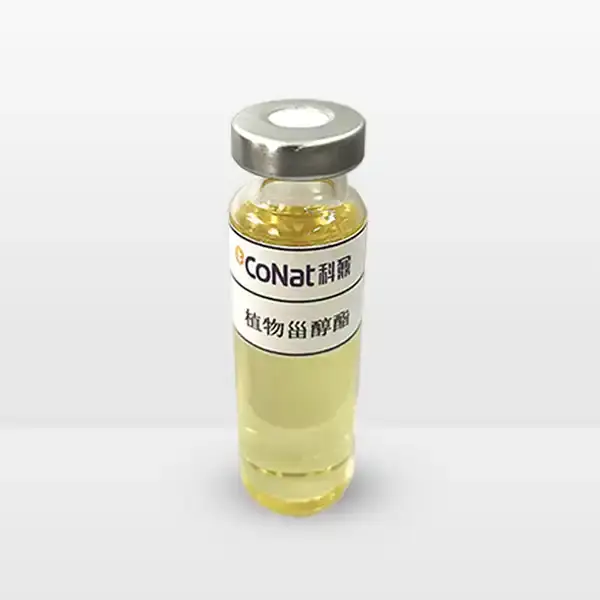
The Journey of Crude Tall Oil Through the Supply Chain
Through the supply chain, crude tall oil, which was a waste product from a mill, is turned into polished materials that meet specific industry needs. Several groups are involved in this change, as well as quality control measures and organizational issues that need to be thought through to make sure that products are consistently delivered to markets around the world.
Extraction and the First Check for Quality
Quality control starts at the extraction stage, when mills use standard methods for collecting tall oil soap and acidulating it. Monitoring the temperature during acidulation stops the process from getting too hot, which could break down fatty acids or cause polymerization reactions that aren't needed. Controlling the pH makes sure that all of the soap is turned into free acids while preventing the production of unwanted by-products.
To set basic quality standards, the first tests look at the acid value, the number of saponifications, and the moisture level. The next steps in the process are based on these data, which also help mills keep things the same between runs of production. To meet the needs for tracking all the way through the supply chain, documentation systems keep track of where the raw materials come from, how they are processed, and quality measures.
Steps for Refining and Processing
Under high vacuum conditions, fractional distillation is used to sort crude tall oil's main components into parts that can be sold. This method creates fatty acids in tall oil, rosin in tall oil, distilled tall oil that has both of these parts, and tall oil pitch that is rich in phytosterols and other harmless chemicals.
Separation technologies are very advanced in processing plants so that they can precisely control the fraction makeup and purity levels. The best way to get the most out of temperature and pressure is to keep heat-sensitive substances like natural vitamin E and phytosterols, which are highly valued in the medicinal and nutraceutical markets, intact.
Because it is solid at room temperature, the pitch fraction, which contains concentrated β-sitosterol and related phytosterols, needs to be handled in a certain way. These useful chemicals are extracted and cleaned using advanced processing methods so that they can be used in cholesterol-lowering products and functional foods.
Moving, storing, and distributing goods around the world
When stored correctly, crude tall oil stays in good quality for long periods of time before it is processed or shipped. Nitrogen blankets are used to keep storage tanks from oxidizing, and temperature control systems keep the right conditions for each type of product. Compatibility checks make sure that storage materials won't rust when exposed to the acidic parts of crude tall oil.
The mechanics of transportation take into account the unique properties of crude tall oil and its products. Tank trucks and train cars made for moving chemicals keep the integrity of goods while they are being shipped within the United States, and special containers make international trade easier. Material safety data sheets, certificates of analysis, and regulatory compliance paperwork that support cross-border deals are all examples of documents that must be kept.
When sending goods internationally, you need to think about things like how to label dangerous materials, how to fill out customs forms, and what the target country needs for chemical imports. Logistics companies with a lot of experience know how complicated these issues can be and can help buyers handle legal frameworks while minimizing delays and making sure they follow local rules.
Industrial Applications and Market Demand of Crude Tall Oil
Demand for crude tall oil and its products comes from many industry sectors. This is because of efforts to be more environmentally friendly and the search for renewable chemicals that can be used instead of chemicals made from petroleum. Knowing about these uses helps buying managers find chances and figure out how big the market could be in the future.
Most Common Industrial Uses and Applications
Biofuel production is a fast-growing use for crude tall oil products, especially tall oil fatty acids that are used to make biodiesel and renewable diesel. Compared to other bio-based feedstocks, the fatty acid makeup gives great cold-flow qualities and oxidation stability. Demand in this field keeps going up because the government requires people to use green fuels.
Chemical building blocks for detergents, lubricants, and other specialist chemicals are made from crude tall oil. The special mix of fatty acids and rosin acids makes performance qualities that can't be found in other green sources. Tall oil rosin is used by adhesive makers for hot-melt uses, and paint and coating makers like how it helps make films that last longer.
Phytosterols taken from tall oil pitch are becoming more and more valuable in the pharmaceutical and nutritional businesses. A lot of clinical study has shown that these substances work, which is why they are used as active ingredients in cholesterol-lowering supplements and functional foods. Natural vitamin E products have antioxidant qualities that are important for the safety and bioactivity of supplements.
A Look at the Market and What Drives Growth
At the moment, the market is favoring green and sustainable raw materials. This makes crude tall oil more valuable than options made from petroleum. Environmental laws that require bio-based materials in industry goods create more demand drivers. Because they are cheaper than synthetic options, crude tall oil derivatives are appealing to producers who want to save money.
Regional trends of demand show how industries are growing and how rules are being enforced. The biofuel and green chemistry markets in North America and Europe are growing quickly. On the other hand, the pharmaceutical and nutritional markets in Asia are becoming more and more interested in phytosterol products.
New possibilities include advanced biofuels that need specific qualities from their feedstock and new uses in bio-based plastics and composites. Researchers and developers are still working to find new uses for things, make processes more efficient, and improve the quality of the products they make.
Procurement Insights – How to Source and Partner with Crude Tall Oil Suppliers?
To buy crude tall oil successfully, you need to know about the skills of suppliers, quality systems, and market factors that affect prices and availability. Strategic buying helps buyers get a steady supply of goods while maximizing quality and cost.
Criteria for Evaluating Suppliers
Suppliers that customers can rely on have stable output capacity, quality management systems, and technical know-how that meet customer needs. Standardized processes are guaranteed by ISO approval, and GMP compliance is necessary for pharmaceutical and nutritional uses. Suppliers should keep testing tools that can check for a wide range of physical, chemical, and microbial factors that are important for the uses they want to use them for.
Technical skills include not only basic production, but also special processing, help with product creation, and knowledge of how to use certain technologies. Toll processing services from suppliers give buyers who need specific product specs or unique formulas more options. For pharmaceutical apps that need a lot of high-quality paperwork, the ability to support regulatory submissions with documentation becomes very important.
Long-term supply security is ensured by stable finances and uninterrupted operations. Buyers should look at the supplier's financial health, how much of their production capacity is being used, and their backup plans for keeping supplies going when equipment needs to be fixed or when something unexpected comes up.
Thoughts on Contracts and Pricing Factors
Pricing systems usually take into account how the commodity market changes with the seasons and what the specifications are. Long-term contracts keep prices stable, while spot deals let you take advantage of good market conditions when they happen. When supplies are low, volume agreements can help you get better prices and first picks when supplies are limited.
To make sure that products always work the same, quality standards need to be carefully defined. The acceptance standards should include all the important factors while still allowing for normal production errors. Protocols for sampling and testing make it clear how to check for quality and settle disagreements.
The terms of delivery affect the total cost of purchase by affecting things like shipping, handling, and stocking. FOB shipping point puts the risk on the buyer, while the delivered price makes it easier to handle operations. Minimum order amounts affect how much material is needed and how much space is needed for it.
Logistics and Things to Think About in International Trade
When you buy something from another country, things like customs procedures, currency changes, and longer wait times make the process more difficult. For foreign deals, letters of credit guarantee payment, and documentary collections are cheaper options for relationships that have already been built. Before leaving the origin sites, pre-shipment inspections check the quality and quantity.
Regulatory compliance includes getting the import permits, customs classes, and safety paperwork that countries where the goods are going to need. Freight forwarders with a lot of experience can handle all of these requirements while still making sure that deliveries happen on time and that regulations are followed. Insurance guards against risks related to shipping and possible quality problems that might happen during long shipping times.
Conclusion
The supply chain for crude tall oil is a complex web of interconnected systems that turn sustainable forest products into useful industrial materials. When procurement managers understand this supply system, they can make smart choices and make sure they have reliable access to sustainable raw materials. Quality concerns, standards for evaluating suppliers, and organizational needs all play a role in how well sourcing goes. As markets move toward green options, crude tall oil products offer strong benefits in terms of sustainability, performance, and cost-effectiveness. Strategic relationships with experienced suppliers help businesses reach their long-term goals in a regulatory and market world that is always changing. These partnerships guarantee that businesses can always get high-quality products.
FAQ
Q1: What factors affect the quality and make-up of crude tall oil?
The quality of crude tall oil rests on a number of important factors, such as the types of wood used, the time of year when raw materials change, and the parameters of the kraft pulping process. When compared to hardwood sources, softwood species usually give higher amounts and better fatty acid profiles. Temperature and chemical concentrations during pulping have a big effect on the end makeup. However, collecting and acidifying the material correctly keeps important parts from breaking down.
Q2: What effects do foreign rules have on buying crude tall oil?
There are big differences between areas and uses of international rules. Chemical registration laws, such as REACH in Europe, require safety paperwork and source registration. Transportation rules say that crude tall oil is a dangerous substance that needs to be properly labeled, documented, and handled. In some countries, import licenses may be needed, and compliance with safety and quality standards is even more important for pharmaceutical and food uses.
Q3: What are the best ways to store and handle crude tall oil?
Temperature control is needed for proper keeping to avoid overheating and the solidification of parts that melt easily. Nitrogen blanketing stops rusting and keeps the product stable for long periods of time. For safety reasons, storage tanks must be able to withstand rusting from acidic parts and have enough air flow. Testing for material suitability makes sure that storage materials don't get on the product or pose a safety risk.
Q4: Is crude tall oil different from other feedstocks that can be used again and again?
Crude tall oil has some special benefits, such as being always available as a waste product from pulp mills, having a complicated makeup with many useful parts, and already existing processing facilities that can support large-scale operations. Having fatty acids, rosin acids, and phytosterols all in one product gives it a lot of uses that you can't get from other green sources. Crude tall oil is a good option to materials made from petroleum because it is cheaper and has been shown to work well in a variety of uses.
Partner with CONAT for Premium Tall Oil-Derived Ingredients
Because we are experts in making natural vitamin E and phytosterols from tall oils, CONAT offers unbeatable value. As a reliable provider of crude tall oil, we use cutting-edge processing tools and thorough quality control systems to make sure that the ingredients you use are always of pharmaceutical-grade quality. Our skilled technical team helps with applications, and our adaptable production options can meet the needs of private labeling and unique specs. Get in touch with our sales team at sales@conat.cn to find out how our tall oil-derived ingredients can help you develop new products and make sure that your supply chain is safe and that you're following all the rules.
References
1. Karlberg, H. Paper, K.A. Journal of Forest Products Industry, 2023. "Industrial Applications and Economic Value of Tall Oil in Modern Chemical Processing." Wood Products Industry.
2. Jones, P.K., Thompson, R.M., and Williams, S.J. The International Journal of Green Chemistry published a case study in 2022 called "Sustainable Supply Chain Management for Renewable Chemical Feedstocks: A Tall Oil Case Study."
3. Mitchell, D.L. John Peterson and C.R. The Chemical Engineering and Processing Review published a paper in 2023 called "Quality Control and Processing Optimization in Crude Tall Oil Refining Operations."
4. Baker, J., Brown, L.E., and Davis, K.T. "Phytosterol Extraction and Purification from Tall Oil Pitch: Industrial Methods and Applications." Bioactive Compounds in Industry, 2022.
5. Sanchez, A.C. Smith, J.H. Global Trade in Renewable Chemicals, 2023, has a report called "Global Market Analysis and Trade Patterns for Crude Tall Oil and Derivatives."
6. Wilson, P.F., Taylor, R.S., and Moore, K.L. Green Technology and Environmental Science published an article in 2022 called "Environmental and Economic Assessment of Tall Oil Utilization in Sustainable Chemical Manufacturing."
YOU MAY LIKE