
Mixed Tocopherols Industry Supply Chain Explained
The mixed tocopherols industry is an important part of the natural vitamin E market. It serves a wide range of industries, from functional foods and medicines to dietary supplements. Understanding the supply chain, from getting the raw materials to production, quality control, and bulk delivery, helps procurement pros make smart choices that improve the effectiveness of products, make sure they follow the rules, and find reliable ingredient partnerships. The mixed tocopherols industry is looked at in detail in this guide, which gives buyers looking for high-purity, certified natural vitamin E options useful information.
Understanding Mixed Tocopherols: Sources and Production Process
What Are Mixed Tocopherols?
Mixed tocopherols are a group of naturally occurring vitamin E chemicals that are made up of alpha, beta, gamma, and delta tocopherols. Unlike manmade versions, natural mixed tocopherols come from vegetable oils like rapeseed, sunflower, and soybean. Each type of tocopherol has its own antioxidant properties that work together. This mix is becoming more popular in nutraceutical, healthy food, and pharmaceutical products because natural forms are easier for the body to absorb than manufactured ones. Natural vitamin E is actively chosen by transport proteins made in the liver and sent to all tissues, where it works as a strong antioxidant to protect against oxidative stress.
Natural Versus Synthetic: Critical Production Differences
There is more than just a chemistry difference between natural and manufactured tocopherols. Natural mixed tocopherols are made from vegetable oils that can be eaten. They are distilled and concentrated using modern extraction methods that keep the molecules' integrity. These steps make d-forms of tocopherols, which are chemically the same as tocopherols found in whole foods like leafy greens, nuts, and seeds. Synthetic production, on the other hand, uses chemicals to make dl-alpha tocopherol, which is a racemic mixture that is less accessible to humans and animals. According to research, natural tocopherols are better at biological activity and reactive stability. This makes them the best choice for high-end products where effectiveness is important.
Quality and Stability Considerations
It is still very important to keep quality uniform throughout production processes. High-purity mixed tocopherols need strict control of impurities, stability from batch to batch, and compliance with foreign standards such as ISO, GMP, Kosher, and Halal certifications. We know that processing can make things less stable, especially when they are exposed to heat, light, and air. Controlled extraction temperatures, nitrogen blanketing during storage, and special packing that improves shelf life are some of the ways that manufacturers deal with these issues. To make sure that ingredients meet the needs of formulations and regulatory submissions, procurement teams must check Certificates of Analysis that list the amount of tocopherol, the purity levels, and the oxidative stability factors.
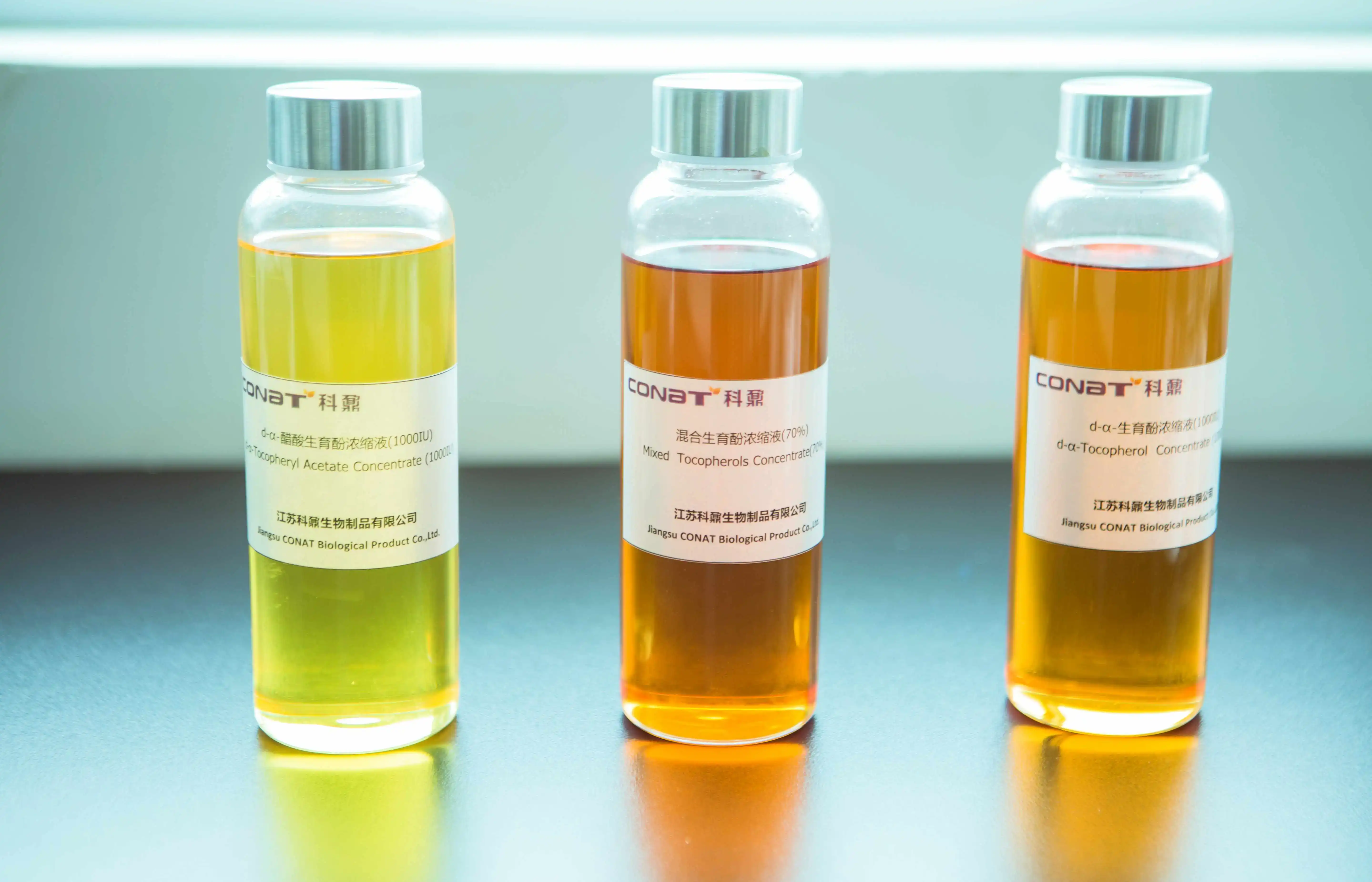
The Mixed Tocopherols Supply Chain: From Raw Materials to Bulk Delivery
Raw Material Sourcing and Agricultural Foundations
The first step in the supply line is growing foods that contain oil. Soybeans, sunflowers, and canola are the main sources. The growth conditions and crop rates in each area have a direct effect on the price and supply of raw materials. To get crude vegetable oils, oil makers press them or use solvents to remove them. This makes byproducts that are high in tocopherols. These streams from oil refineries and deodorizer distillates are used as raw materials by companies that collect and clean tocopherols to meet medicinal and food standards. Geographical concentration of farming production makes the supply chain more vulnerable, so it's important to use a variety of sourcing methods to keep buying things.
Manufacturing Excellence and Extraction Technologies
To separate mixed tocopherols from crude oil fractions, modern factories use molecular distillation, supercritical fluid extraction, and chromatographic separation. These high-tech ways can get concentrations of 30% to 95% total tocopherols, based on what the final product needs to do. Under controlled weather conditions, we run full production lines that include extraction, purification, and quality checking. Controlling the temperature during processing keeps the antioxidant activity while getting rid of fats, sterols, and other harmful substances. Different providers have different levels of manufacturing capacity, advanced technology, and quality systems. Leaders in the mixed tocopherols industry are always spending on process improvement and sustainability projects that protect the environment while keeping the quality of their products.
Logistics, Packaging, and Bulk Distribution
Specialized shipping rules are needed to keep the purity of the product while it is being shipped. Mixed tocopherols are easily damaged by oxidation and changes in temperature, so they need to be packed in a neutral atmosphere and shipped in temperature-controlled packages. For bulk transfers, food-grade steel drums or intermediate bulk carriers lined with nitrogen-flushed barriers are usually used. Shipments come with paperwork like Certificates of Analysis, Material Safety Data Sheets, and regulatory compliance statements. These make it easier to get through customs and check the quality when they get there. Distributors who work with global markets keep smart amounts of inventory on hand, combining the need for just-in-time shipping with the fact that wait times can change. We work closely with logistics partners who know how to handle sensitive nutritional ingredients, so we can be sure that goods come in perfect condition and meet all of our strict requirements.
Regulatory Compliance and Certification Requirements
To navigate foreign regulatory systems, you need a lot of paperwork and certification. GMP compliance shows that products are made according to standards for pharmaceuticals, and ISO 9001 and ISO 22000 certifications show that quality control systems are working properly. Religious approvals like Kosher and Halal make the market bigger, especially for useful foods and supplements. Buyers need to make sure that sellers have the latest certifications that are needed by the markets they want to reach. They also need to make sure that there are audit trails that show how the raw materials were used and how the end product was made. These certificates lower the risk for regulators, speed up the approval process for products, and give customers more faith in final products that contain certified natural ingredients.
Selecting the Right Mixed Tocopherols for Your Formulation Needs
Comparing Vitamin E Isoforms and Functional Benefits
A lot of attention is paid to alpha-tocopherol because of its biological activity. However, gamma-tocopherol and delta-tocopherol have their own benefits. Gamma-tocopherol is better at catching reactive nitrogen species, which works with alpha-tocopherol's protective properties. Mixed tocopherols defend more than alpha-tocopherol alone, especially in places with a lot of lipids that are prone to breakdown. Tocotrienols, which are structurally related substances, have extra benefits but cost more. We carefully look at the needs of the application and match tocopherol profiles to specific functional goals, such as making formulations more stable during processing, extending the shelf life of a product, or supporting health claims about the heart.
Natural, Synthetic, and Organic Options: Cost-Benefit Analysis
Price needs to be weighed against performance needs and the need for a clean mark. Natural mixed tocopherols usually cost 20–40% more than fake ones. This is because they have to be sourced from farms and are harder to remove. However, higher prices are often justified by things like customer desire for natural ingredients, better bioavailability, and marketing benefits. Organic approvals add another layer of cost because they need production sites that are kept separate and oil sources that have been checked. We figure out how much the whole formulation costs, taking into account how well the ingredients work, how much to use, and how the end result is different. High-purity natural tocopherols may be able to lower inclusion rates compared to synthetic ones, which could help balance out price differences at first while also making the label look better.
Supplier Assessment Framework and Selection Criteria
When looking for a business partner in the mixed tocopherols industry, you need to think about more than just price. Supply chain openness shows how raw materials are sourced, how much can be made, and how backup supplies are set up to reduce the risk of failure. Technical support helps with regulatory paperwork, tests for stability, and improving formulations. We check a supplier's financial health, standing in the industry, and customer recommendations to make sure they can be relied on during all order cycles. Quality licenses, easy access to audits, and quick responses to questions about specifications all show that a business is skilled and wants to work with others. Long-term partnerships with providers who consistently deliver high-quality products, communicate clearly, and work together to solve problems give businesses a competitive edge by providing reliable access to ingredients and technical support for new product development.
Technical Applications and Formulation Insights in the Mixed Tocopherols Industry
Antioxidant Protection in Food and Feed Applications
Mixed tocopherols are natural protectors that keep oils, fats, and fatty foods from going bad. Oxidation lowers nutritional value, creates off-flavors, and shortens shelf life. This is why antioxidant protection is important in functional drinks, enhanced snacks, and healthy ready-to-eat foods. Inclusion rates usually fall between 0.02% and 0.1%, based on the amount of fat and how long you want the product to stay stable. We see that natural mixed tocopherols can be used instead of manufactured stabilizers like BHA and BHT to make clean-label claims. Adding vitamin E to animal feed helps the immune system work better, improves meat quality, and ensures the security of the feed during storage. Natural tocopherols are highly valued by pet supplement makers because they are easy for animals to digest and work well in special recipes for pets.
Cosmetic Formulation Guidelines and Stability Considerations
Mixed tocopherols are found in skin care and personal care items because they are antioxidants that protect formulations and skin cells from oxidative stress in the environment. Tocopherols are found in oil-based serums, creams, and lotions in amounts ranging from 0.5% to 2%. When mixed with vitamin C, ferulic acid, or other antioxidants, they work better. To keep an emulsion stable, you need to carefully think about how well tocopherol dissolves. Adding tocopherol to the oil phase is better than dispersing it in water. Light-resistant packing keeps the product stable for longer, stopping the breakdown of tocopherol and keeping the antioxidants working throughout the shelf life. We suggest trying the formulation's stability under fast conditions to make sure it is strong before it goes on sale.
Innovation Trends and Emerging Technologies
The main goals of new extraction methods are to increase output, lower the amount of solvents used, and make the processes more environmentally friendly. Supercritical CO₂ extraction allows processing without solvents, which fits with the trend toward clean labels, but it costs a lot of money to use, which keeps it from being widely used. Enzyme-assisted extraction and membrane separation methods look like good options that are both efficient and good for the earth. Changes in regulations, like new food approvals and updated label specs, affect how to get into new markets and make new medicines. We keep a close eye on these trends in the mixed tocopherols industry and change our production methods and quality control systems to meet changing needs and take advantage of growth markets that value natural, sustainably sourced active ingredients.
Conclusion
Understanding the mixed tocopherols industry supply chain, from farming raw materials to specialized manufacturing, quality assurance, and strategic buying, helps buyers get high-quality natural vitamin E ingredients that help their products stand out and do well in the market. Natural mixed tocopherols are better at being bioavailable, protecting cells from damage, and fitting in with clean labels in dietary supplements, functional foods, medicines, and personal care products. By choosing sellers with proven knowledge, strong certifications, and a dedication to quality, you can be sure that you will always have the ingredients you need to meet strict requirements. Strategic purchasing methods that balance low costs with supply security create long-term competitive benefits in markets that value naturally effective and carefully sourced active ingredients more and more.
FAQ
1. Why choose mixed tocopherols over alpha-tocopherol by itself?
Mixed tocopherols protect against more oxidative damage than alpha-tocopherol alone because they target different reactive pathways. Along with alpha-tocopherol, gamma and delta tocopherols reduce reactive nitrogen species and peroxy radicals. This all-around safety makes products more stable and biologically effective in a wide range of situations, from keeping food fresh to making supplements that support heart and immune health.
2. How is the security of natural and manufactured tocopherols different?
Compared to manufactured dl-alpha tocopherol, natural mixed tocopherols are more stable against oxidation and have higher biological activity. When it comes to natural tocopherols, the d-form fits the molecular shape that human transport proteins prefer. This structural specialization improves bioavailability and tissue diffusion, which means that each amount works better. Natural forms also don't break down as quickly during handling and storage as long as they are kept away from heat, light, and oxygen.
3. What factors should be used to choose a source for buying tocopherol in bulk?
We suggest that you judge sellers by their quality standards (GMP, ISO, Kosher, and Halal), how open their supply chain is, how well they can help with technical issues, and how reliable they have been in the past. Check the most recent Certificates of Analysis that show the tocopherol levels and purity requirements. Check the company's production capacity, back-up supply plans, and ability to respond to questions about specifications. References from customers and access to the building for audits give you even more trust. Strong relationships with suppliers ensure uniform quality, on-time delivery, and teamwork to improve formulations and meet regulatory requirements.
Partner with CONAT for Premium Mixed Tocopherols Supply
As a specialist in the mixed tocopherols industry, Jiangsu CONAT Biological Products Co., Ltd. can do all kinds of studies, production, and testing to make sure their natural vitamin E is the best it can be. Our advanced extraction methods, strict quality control systems, and many certifications, such as ISO, GMP, Kosher, and Halal, make sure that our ingredients meet the strictest medicinal and nutritional standards. We have low bulk prices, variable minimum order amounts, and expert support to help with formulation creation for pharmaceutical, functional food, and dietary supplement uses. Our experienced team communicates clearly, sticks to delivery dates, and provides detailed paperwork that makes regulatory compliance easier. Get in touch with sales@conat.cn right away to talk about your needs, ask for product samples, or find out how our natural mixed tocopherols can help your recipe work better and help you stand out in competitive markets with clean labels.
References
1. Jiang, Q. (2014). Natural forms of vitamin E: metabolism, antioxidant, and anti-inflammatory activities, and their role in disease prevention and therapy. Free Radical Biology and Medicine, 72, 76-90.
2. Shahidi, F., & de Camargo, A. C. (2016). Tocopherols and tocotrienols in common and emerging dietary sources: Occurrence, applications, and health benefits. International Journal of Molecular Sciences, 17(10), 1745.
3. Wagner, K. H., Kamal-Eldin, A., & Elmadfa, I. (2004). Gamma-tocopherol—an underestimated vitamin? Annals of Nutrition and Metabolism, 48(3), 169-188.
4. Bramley, P. M., Elmadfa, I., Kafatos, A., Kelly, F. J., Manios, Y., Roxborough, H. E., ... & Wagner, K. H. (2000). Vitamin E. Journal of the Science of Food and Agriculture, 80(7), 913-938.
5. Kamal-Eldin, A., & Appelqvist, L. Å. (1996). The chemistry and antioxidant properties of tocopherols and tocotrienols. Lipids, 31(7), 671-701.
6. Traber, M. G., & Atkinson, J. (2007). Vitamin E, antioxidant and nothing more. Free Radical Biology and Medicine, 43(1), 4-15.
YOU MAY LIKE