
Mixed Tocopherols Manufacturing and Quality Control
Manufacturing mixed tocopherols involves meticulous extraction from vegetable oil deodorizer distillates, followed by multi-stage purification and precise blending to achieve targeted compositions of alpha, gamma, and delta isomers. Quality control throughout production ensures ingredient purity, oxidative stability, and batch-to-batch consistency—critical factors for dietary supplement brands, functional food manufacturers, and pharmaceutical companies seeking reliable natural antioxidant ingredients. Rigorous testing protocols and adherence to international certifications like GMP, ISO, Kosher, and Halal guarantee that these vitamin E compounds meet stringent regulatory standards while delivering the antioxidant potency your formulations demand.
Understanding Mixed Tocopherols and Their Manufacturing Process
Natural tocopherols represent a family of fat-soluble antioxidants extracted primarily from soybean, sunflower, and other vegetable oils. Unlike isolated alpha-tocopherol, mixed tocopherols contain varying ratios of alpha, beta, gamma, and delta isomers, each contributing unique antioxidant characteristics. Understanding these distinctions helps R&D directors and formulation managers select ingredients that align with specific product performance goals.
Raw Material Sourcing and Selection Criteria
The journey toward high-quality mixed tocopherols begins at the source. Manufacturers typically obtain tocopherols from deodorizer distillates—byproducts generated during vegetable oil refining. Soybean oil distillates naturally contain higher proportions of gamma-tocopherol, while sunflower oil sources provide richer alpha-tocopherol content. Canola and corn oil derivatives offer intermediate profiles, allowing manufacturers to tailor final compositions based on customer requirements.
Selecting premium raw materials requires evaluating supplier certifications, verifying traceability documentation, and conducting preliminary compositional analysis. Reputable manufacturers maintain long-term relationships with certified oil refineries, ensuring consistent access to distillates that meet stringent purity thresholds. Contaminants such as pesticide residues, heavy metals, and polycyclic aromatic hydrocarbons must remain below detection limits to satisfy food-grade and pharmaceutical-grade specifications.
Extraction and Purification Technologies
Transforming crude distillates into refined tocopherol concentrates demands sophisticated processing technologies. The extraction phase typically employs molecular distillation under high vacuum and controlled temperatures, separating tocopherols from fatty acids, sterols, and other lipophilic compounds. This gentle thermal treatment preserves the antioxidant integrity of heat-sensitive isomers while achieving concentration levels exceeding 50% total tocopherols.
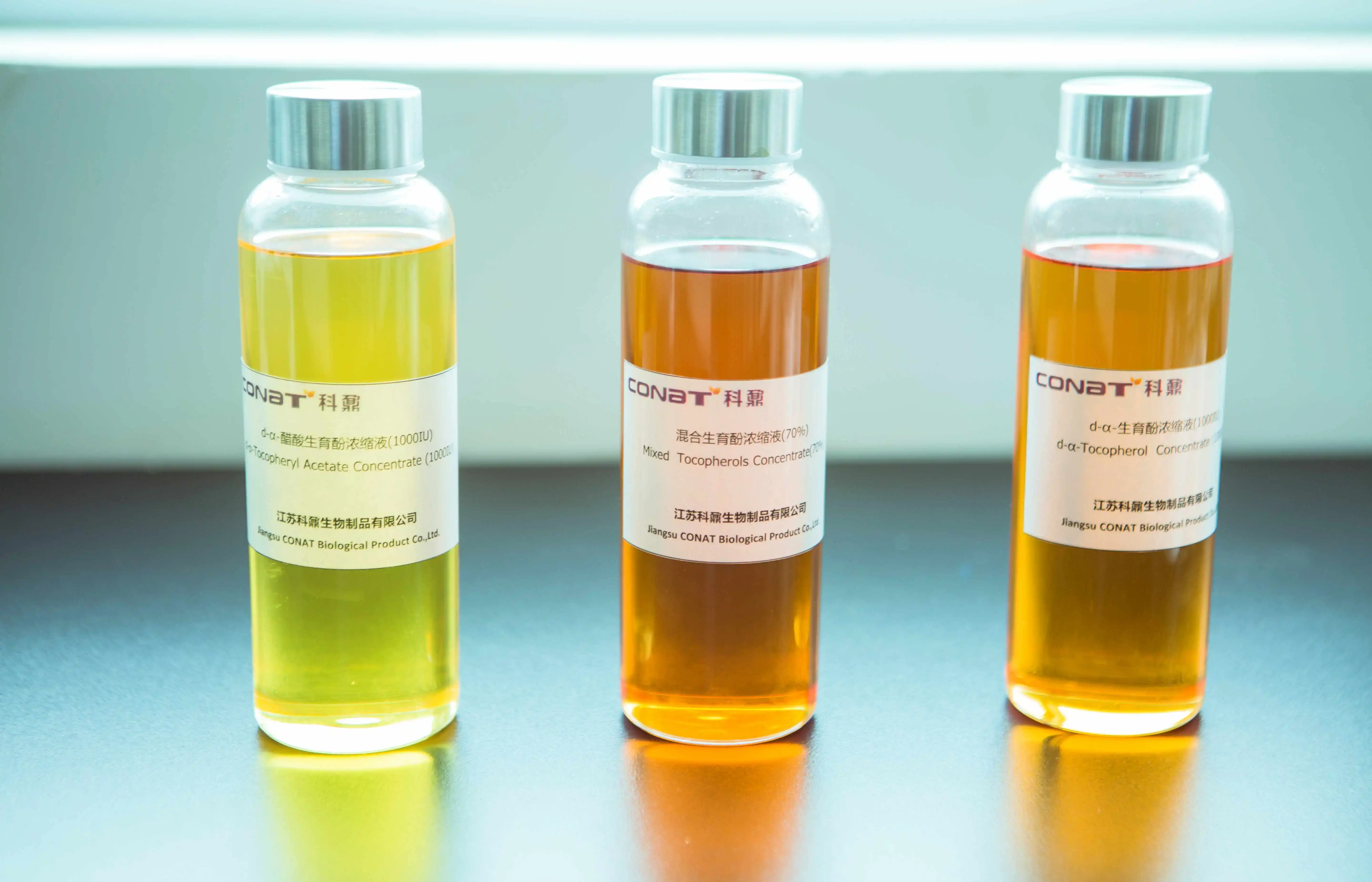
Advanced purification steps may incorporate solvent extraction using food-grade ethanol or hexane, followed by winterization to remove residual waxes and high-melting-point fractions. Activated carbon filtration eliminates color bodies and trace impurities, yielding pale yellow to amber oils with clean sensory profiles. Manufacturers targeting pharmaceutical applications often implement additional chromatographic separation to isolate specific isomers or achieve ultra-high purity grades exceeding 90% total tocopherols.
Blending represents the final manufacturing stage where alpha, gamma, and delta isomers are proportioned according to customer specifications. Precise gravimetric dosing systems ensure compositional accuracy within ±2% of target ratios, addressing the batch consistency concerns frequently cited by procurement teams. Nitrogen blanketing throughout processing minimizes oxidative degradation, extending shelf life and maintaining antioxidant potency during storage and transportation.
Addressing Manufacturing Challenges
Oxidative stability poses the primary challenge in tocopherol manufacturing. Gamma and delta isomers, while offering superior antioxidant activity in lipid systems compared to alpha-tocopherol, exhibit greater susceptibility to autoxidation when exposed to oxygen, light, and elevated temperatures. Manufacturers mitigate this risk through inert gas atmospheres, amber glass or opaque container systems, and refrigerated storage protocols.
Compositional uniformity across production batches requires stringent process controls and validated analytical methods. High-performance liquid chromatography (HPLC) with fluorescence detection enables precise quantification of individual tocopherol isomers, ensuring each batch meets declared specifications. Gas chromatography (GC) complements HPLC by detecting residual solvents and verifying complete removal of extraction media—a critical parameter for meeting regulatory compliance in food and pharmaceutical applications.
Understanding these manufacturing intricacies empowers B2B buyers to ask informed questions during supplier evaluation. Procurement professionals seeking natural vitamin E ingredients for clean-label supplement formulations or cholesterol-lowering functional foods benefit from partners who demonstrate technical mastery of extraction, purification, and quality management systems.
Quality Control Protocols in Mixed Tocopherols Production
Quality assurance frameworks distinguish reputable manufacturers from suppliers offering inconsistent or substandard ingredients. Dietary supplement brands and pharmaceutical companies cannot afford supply chain disruptions caused by failed batch certifications or regulatory non-compliance. Robust quality control protocols provide the foundation for long-term supplier partnerships built on trust and reliability.
Regulatory Compliance and Certification Standards
Manufacturing facilities producing food-grade and pharmaceutical-grade tocopherols must maintain certifications demonstrating adherence to Good Manufacturing Practices (GMP). The U.S. Food and Drug Administration's 21 CFR Part 111 establishes baseline requirements for dietary supplement ingredient manufacturers, mandating written procedures for everything from raw material testing to finished product release. ISO 22000 certification extends these requirements by integrating hazard analysis and critical control point (HACCP) principles throughout the production chain.
Kosher and Halal certifications address religious dietary requirements increasingly important to global nutraceutical markets. These certifications require independent audits verifying that processing equipment, cleaning agents, and handling procedures meet specific religious guidelines. Obtaining multiple certifications demonstrates a manufacturer's commitment to serving diverse customer segments while maintaining separate production protocols that prevent cross-contamination.
ISO 9001 quality management system certification provides additional assurance of organizational competence. This standard emphasizes process documentation, continuous improvement, and customer satisfaction—factors directly impacting procurement decision-making. Technical directors evaluating potential suppliers should prioritize manufacturers who maintain current certifications verified through third-party registrars rather than relying solely on self-declarations.
Analytical Testing and Purity Verification
Every production batch undergoes comprehensive testing before release to customers. Tocopherol composition analysis via HPLC quantifies alpha, beta, gamma, and delta isomers against reference standards traceable to national metrology institutes. This testing confirms that blended products meet label claims within acceptable tolerance ranges, typically ±5% for individual isomers and ±3% for total tocopherol content.
Peroxide value testing monitors oxidative stability, detecting early-stage degradation before it compromises antioxidant effectiveness. Fresh tocopherol concentrates should exhibit peroxide values below 5 meq/kg, with storage stability studies demonstrating minimal increase over the declared shelf life period. Accelerated stability testing under elevated temperature conditions predicts real-world performance, helping formulation managers anticipate potential stability challenges in finished products.
Microbial testing protocols ensure ingredient safety by quantifying total aerobic plate counts, yeast and mold populations, and screening for specific pathogens, including Salmonella and E. coli. Pharmaceutical-grade ingredients may require sterility testing per USP standards, particularly when destined for parenteral nutrition formulations or other sensitive applications. Heavy metal analysis screens for lead, arsenic, cadmium, and mercury contamination, with detection limits aligned to regulatory thresholds established in USP, EP, and FDA guidance documents.
Supplier Qualification and Continuous Monitoring
Procurement teams implementing effective quality oversight establish formal supplier qualification programs incorporating document review, facility audits, and ongoing performance monitoring. Initial qualification begins with evaluating a prospective supplier's quality management system documentation, reviewing test methods and specifications, and assessing their capability to meet your specific requirements.
On-site audits provide invaluable insights into actual manufacturing practices versus documented procedures. Quality assurance teams should inspect raw material receiving and storage areas, observe processing operations, review batch records, and verify calibration status of critical analytical instrumentation. Audit findings inform risk assessments that guide supplier approval decisions and establish appropriate incoming inspection protocols.
Continuous monitoring tracks supplier performance through key metrics, including on-time delivery rates, batch acceptance rates, and response times to quality inquiries or technical support requests. Establishing clear communication channels between your quality team and the supplier's technical staff facilitates rapid resolution of any quality concerns before they impact your production schedules. Regular performance reviews create opportunities to address improvement areas while recognizing suppliers who consistently exceed expectations.
These quality control protocols protect your brand reputation and ensure that every kilogram of mixed tocopherol ingredients delivered to your facility meets the exacting standards your customers expect.
Comparative Analysis of Mixed Tocopherol Types and Their Implications in Manufacturing
Choosing between natural and synthetic vitamin E sources, or selecting specific tocopherol isomer profiles, significantly impacts formulation performance and market positioning. This comparative analysis helps formulation managers and NPD teams navigate the technical and commercial considerations underlying these decisions.
Natural Versus Synthetic Tocopherols
Natural tocopherols, designated as RRR-alpha-tocopherol or d-alpha-tocopherol, originate from plant sources and exhibit superior bioavailability compared to synthetic all-racemic versions (dl-alpha-tocopherol). Research published in the American Journal of Clinical Nutrition demonstrates that natural vitamin E delivers approximately a 2:1 bioavailability advantage over synthetic forms, meaning lower doses achieve equivalent tissue concentrations. This bioavailability difference allows supplement brands to make stronger label claims or reduce dosages while maintaining effectiveness.
Mixed tocopherols containing gamma and delta isomers alongside alpha-tocopherol provide broader antioxidant protection than alpha-tocopherol alone. Studies indicate that gamma-tocopherol demonstrates superior activity against nitrogen-based free radicals, while delta-tocopherol exhibits the highest antioxidant potency in lipid peroxidation systems. Functional food manufacturers formulating products with heart-health positioning benefit from incorporating gamma-rich tocopherol blends that address multiple oxidative pathways.
Clean-label trends strongly favor natural ingredients, making plant-derived tocopherols essential for brands targeting health-conscious consumers. Products labeled "natural preservative" or "preserved with mixed tocopherols" resonate with shoppers seeking transparency and avoiding synthetic additives. Marketing teams recognize that natural vitamin E positioning commands premium pricing while building brand trust in competitive supplement and functional food categories.
Tocopherol Isomer Profiles and Application Optimization
Alpha-tocopherol dominates nutritional applications due to its role as the biologically active form of vitamin E. Supplement formulations targeting vitamin E deficiency or supporting immune function typically specify high-alpha concentrates containing 60-90% alpha-tocopherol. Pharmaceutical companies developing medicinal nutrition products similarly prioritize alpha-tocopherol for its well-documented biological mechanisms and regulatory acceptance.
Gamma-tocopherol-rich profiles serve specialized applications where enhanced antioxidant protection in finished products takes priority. Omega-3 fish oil supplements incorporate gamma-tocopherol to prevent rancidity and preserve delicate polyunsaturated fatty acids during shelf life. Sports nutrition manufacturers formulating pre-workout or recovery products leverage gamma-tocopherol's protective effects against exercise-induced oxidative stress, differentiating their formulations through superior stability and extended product freshness.
Delta-tocopherol demonstrates exceptional antioxidant potency in food preservation applications. Manufacturers of healthy snacks, fortified beverages, and meal replacement products appreciate delta-tocopherol's ability to prevent lipid oxidation at lower inclusion rates compared to alpha-tocopherol. This cost-effectiveness matters in price-sensitive categories where margin preservation directly impacts profitability. However, formulation scientists must balance antioxidant performance against potential impacts on product color and flavor, as higher delta-tocopherol concentrations can impart subtle sensory characteristics.
Understanding these performance distinctions enables procurement teams to specify tocopherol profiles aligned with technical requirements rather than defaulting to generic "mixed tocopherols" specifications. Engaging suppliers in technical discussions about optimal isomer ratios for your specific applications unlocks formulation improvements that enhance product stability, extend shelf life, and support marketing claims differentiating your brand in crowded markets.
Procurement Considerations for Mixed Tocopherols in B2B Markets
Securing reliable supplies of high-quality tocopherol ingredients requires strategic sourcing approaches that balance cost considerations against quality, compliance, and supply chain resilience. Import managers and procurement teams can apply these practical frameworks to mitigate risks while building supplier partnerships that support business growth.
Supplier Identification and Qualification
Identifying reputable tocopherol manufacturers begins with industry research and network referrals. Trade associations like the American Herbal Products Association (AHPA) and Council for Responsible Nutrition (CRN) maintain supplier directories listing member companies committed to quality standards and ethical business practices. Attending industry conferences such as SupplySide West provides opportunities to meet suppliers, evaluate product samples, and discuss technical capabilities directly with company representatives.
Initial supplier evaluation should verify that manufacturing capabilities match your volume requirements and quality expectations. Request detailed product specifications, including typical analysis ranges, testing methodologies, and available certifications. Review the supplier's quality management documentation, asking specifically about their change control procedures, deviation investigation processes, and corrective action systems. Suppliers demonstrating mature quality systems with documented continuous improvement initiatives present lower supply risk than operations lacking formalized procedures.
Request customer references from suppliers, contacting existing clients to gather candid feedback about product consistency, technical support responsiveness, and problem resolution effectiveness. References from companies in your industry segment provide the most relevant insights, revealing how suppliers handle common challenges specific to dietary supplements, functional foods, or pharmaceutical applications. This due diligence investment pays dividends by identifying potential issues before they disrupt your production operations.
Cost-Quality Optimization Strategies
Tocopherol pricing varies significantly based on concentration, isomer profile, and certification requirements. Commodity-grade 50% mixed tocopherol concentrates typically cost 30-40% less per kilogram than pharmaceutical-grade 90% concentrates, but the apparent savings can disappear when formulating to achieve target vitamin E potency. Conducting a total cost analysis that accounts for active ingredient delivery costs per dose rather than raw material costs per kilogram reveals the true economic picture.
Volume commitments influence pricing structures, with suppliers offering preferential rates to customers contracting annual volumes exceeding 500 kilograms. However, procurement teams must balance volume pricing advantages against inventory carrying costs, obsolescence risk, and storage stability considerations. Mixed tocopherols typically maintain potency for 24 months when stored properly, but concentrates containing higher proportions of gamma and delta isomers may require refrigerated storage to prevent oxidative degradation.
Building relationships with multiple qualified suppliers creates competitive tension that moderates pricing while ensuring supply continuity if one supplier experiences production disruptions. Dual-sourcing strategies require qualifying backup suppliers even if you don't immediately place purchase orders, maintaining warm relationships through periodic sample purchases and technical discussions. This supply chain diversification proves invaluable during force majeure events, regulatory issues, or quality problems that temporarily impact a primary supplier's ability to deliver.
Documentation and Regulatory Support
Effective suppliers provide comprehensive documentation supporting regulatory compliance and customer quality requirements. Certificate of Analysis (CoA) documentation should include batch-specific test results for all critical parameters, comparison against specifications, and authorized signatures from quality control personnel. Specifications should clearly define test methods, acceptance criteria, and retest dating or shelf life assignments.
Allergen statements, GMO declarations, BSE/TSE certifications, and country-of-origin documentation have become standard expectations in nutraceutical and food ingredient procurement. Suppliers serving pharmaceutical customers must provide Drug Master Files (DMF) or equivalent regulatory dossiers containing detailed manufacturing information that supports your product registrations. Evaluating a supplier's documentation capabilities during qualification prevents downstream delays when regulatory authorities request additional information during product reviews.
Supply agreements should address critical commercial terms, including pricing structures, payment terms, minimum order quantities, lead times, and force majeure provisions. Quality agreements complement commercial contracts by defining responsibilities for testing, specification management, change notifications, complaint handling, and audit rights. Legal counsel experienced in ingredient supply relationships can identify terms requiring negotiation to protect your company's interests while maintaining productive supplier partnerships.
These procurement frameworks enable sourcing professionals to build resilient supply chains delivering consistent, compliant tocopherol ingredients that support your product development goals and protect your brand reputation in the marketplace.
Enhancing Manufacturing and Quality Control: Future Perspectives and Best Practices
The tocopherol manufacturing landscape continues evolving through technological innovations, sustainability initiatives, and supply chain transparency demands. Staying informed about emerging trends positions procurement professionals to capitalize on improvements that reduce costs, enhance quality, and align with corporate responsibility objectives.
Advanced Extraction and Processing Technologies
Supercritical fluid extraction using carbon dioxide represents an emerging alternative to conventional solvent-based processing. This technology operates at lower temperatures than molecular distillation, minimizing thermal stress on sensitive tocopherol molecules while completely eliminating solvent residues. Although capital investment requirements currently limit widespread adoption, manufacturers implementing supercritical CO2 extraction deliver exceptionally pure products that command premium pricing in pharmaceutical and high-end supplement markets.
Membrane filtration technologies offer another innovation pathway, enabling selective separation of tocopherols from crude distillates without thermal exposure or solvent use. Ceramic membranes with precisely controlled pore sizes separate molecules based on size exclusion, producing concentrated tocopherol fractions while rejecting larger sterol and fatty acid molecules. This gentle processing preserves antioxidant activity while reducing energy consumption compared to thermal distillation methods, aligning with sustainability goals increasingly important to corporate procurement policies.
Process analytical technology (PAT) implementation brings real-time quality monitoring to tocopherol manufacturing. Near-infrared spectroscopy and rapid chromatographic methods enable in-process testing that detects compositional deviations during production rather than discovering issues only during final batch testing. This proactive quality control reduces batch rejection rates, improves production efficiency, and accelerates batch release cycles—benefits that translate to shorter lead times and improved supply reliability for customers.
Sustainability and Traceability Innovations
Corporate sustainability reporting requirements drive demand for ingredients sourced through environmentally and socially responsible supply chains. Forward-thinking tocopherol manufacturers implement traceability systems documenting vegetable oil sources back to specific crushing facilities or agricultural regions. Blockchain-based systems create immutable records of ingredient origins, processing steps, and quality test results, providing procurement teams with verifiable evidence supporting sustainability claims and regulatory compliance.
Some manufacturers now offer tocopherols derived exclusively from non-GMO verified or organic certified oilseeds, addressing consumer preferences reflected in brand positioning strategies. These specialty grades command 20-40% price premiums but enable product differentiation in competitive markets where clean sourcing serves as a key purchase driver. Procurement teams should evaluate whether target customer segments value these attributes sufficiently to justify premium ingredient costs through higher retail pricing or improved market share.
Energy efficiency improvements and waste reduction initiatives demonstrate supplier commitment to environmental stewardship. Manufacturers implementing cogeneration systems, renewable energy sources, or closed-loop solvent recovery reduce their carbon footprint while potentially moderating long-term costs. Requesting suppliers to quantify their environmental performance through metrics like carbon intensity per kilogram produced enables comparative evaluation and supports corporate sustainability reporting requirements.
Building Strategic Supplier Partnerships
Transactional supplier relationships focused solely on price negotiation miss opportunities for collaborative innovation that benefits both parties. Strategic partnerships built on transparency, mutual respect, and aligned objectives unlock joint development projects, exclusive formulation support, and preferential allocation during supply constraints. Successful partnerships require regular communication extending beyond purchase orders and delivery schedules to include technical exchanges, business planning discussions, and feedback mechanisms.
Manufacturers investing in application development capabilities offer valuable technical support, helping customers optimize formulations, troubleshoot stability issues, and navigate regulatory requirements. Accessing supplier expertise accelerates product development timelines while reducing internal R&D costs. These technical partnerships become especially valuable when developing novel delivery formats, addressing challenging stability scenarios, or formulating products targeting emerging health trends.
Long-term supply agreements with volume commitments and pricing formulas tied to raw material indices create predictability, benefiting both suppliers and customers. Manufacturers gain production planning visibility supporting capacity investments, while buyers secure supply availability and moderate price volatility. Structuring agreements with periodic business reviews, performance scorecards, and continuous improvement targets maintains focus on shared success rather than adversarial negotiation dynamics.
Adopting these future-focused approaches positions your organization to source premium tocopherol ingredients through resilient supply chains delivering quality, compliance, and innovation, supporting your competitive differentiation in the marketplace.
Conclusion
Manufacturing high-quality mixed tocopherols demands sophisticated extraction technologies, rigorous purification protocols, and comprehensive quality control systems ensuring ingredient purity, compositional consistency, and regulatory compliance. Understanding the distinctions between natural and synthetic forms, recognizing how isomer profiles influence application performance, and implementing strategic procurement frameworks enable B2B buyers to secure reliable supplies of these essential vitamin E compounds. The future of tocopherol manufacturing embraces advanced processing technologies, sustainability initiatives, and transparent traceability systems that align with evolving regulatory requirements and consumer expectations. Building collaborative partnerships with qualified suppliers who demonstrate technical expertise, maintain comprehensive certifications, and support your formulation development goals creates competitive advantages that strengthen your product portfolio and brand reputation in the dietary supplement, functional food, and pharmaceutical markets.
FAQ
1. What distinguishes natural mixed tocopherols from synthetic vitamin E?
Natural mixed tocopherols extracted from vegetable oils contain the RRR-stereoisomer configuration exhibiting superior bioavailability compared to synthetic all-racemic dl-alpha-tocopherol. Natural forms include varying proportions of alpha, gamma, and delta isomers, providing broader antioxidant protection, while synthetic vitamin E contains only alpha-tocopherol in a mixture of eight stereoisomers. Regulatory definitions and labeling requirements differ between natural and synthetic forms, with natural sources supporting clean-label positioning valued by health-conscious consumers.
2. How can procurement teams ensure consistent quality across tocopherol batches?
Establishing detailed specifications covering tocopherol composition, purity parameters, and testing methodologies creates objective acceptance criteria for incoming materials. Requiring suppliers to provide batch-specific Certificates of Analysis with complete test results enables verification before accepting shipments. Implementing incoming inspection programs with periodic verification testing confirms supplier data accuracy. Maintaining qualified backup suppliers and conducting regular supplier audits provides additional assurance of ongoing quality system effectiveness and manufacturing capability.
3. Which certifications are most important when selecting tocopherol suppliers?
GMP certification demonstrates adherence to quality manufacturing practices essential for food and pharmaceutical applications. ISO 22000 indicates the implementation of food safety management systems incorporating HACCP principles. Kosher and Halal certifications address religious dietary requirements, expanding market access. Organic certification becomes critical when targeting premium natural products segments. Pharmaceutical suppliers should maintain appropriate registrations, such as FDA establishment registration, and may provide Drug Master Files supporting customer regulatory submissions. Verifying current certification status through independent registrars rather than accepting expired or self-declared certifications protects against supply chain compliance risks.
4. What tocopherol isomer profile works best for dietary supplement formulations?
Supplement applications targeting vitamin E nutritional benefits typically specify high-alpha-tocopherol concentrates (60-90% alpha) due to its biological activity and regulatory recognition as the vitamin E form meeting human requirements. Products emphasizing antioxidant protection or combining tocopherols with oxidation-sensitive ingredients like omega-3 fatty acids benefit from gamma-rich profiles offering enhanced lipid peroxidation protection. Sports nutrition and active lifestyle formulations may leverage gamma-tocopherol's unique antioxidant mechanisms, addressing exercise-induced oxidative stress. Formulation managers should collaborate with ingredient suppliers to match isomer profiles with specific performance objectives and marketing positioning strategies.
Partner with CONAT for Premium Mixed Tocopherols Manufacturing Solutions
At CONAT, we specialize in manufacturing pharmaceutical-grade and food-grade mixed tocopherols backed by decades of technical expertise and comprehensive quality management systems. Our state-of-the-art production facility in Jiangsu Province combines advanced molecular distillation technology with rigorous analytical testing protocols, ensuring every batch delivers the purity, consistency, and antioxidant potency your formulations demand. We maintain GMP, ISO 22000, Kosher, and Halal certifications supporting global regulatory compliance across dietary supplement, functional food, and pharmaceutical applications.
Our technical team collaborates with customers to optimize tocopherol isomer profiles matching specific formulation requirements, whether you need high-alpha concentrates for nutritional supplements or gamma-rich blends for enhanced oxidative protection. We provide comprehensive documentation, including detailed specifications, batch-specific analytical data, and regulatory support materials, expediting your product development and approval processes.
As a trusted mixed tocopherols supplier serving nutraceutical brands, food manufacturers, and pharmaceutical companies worldwide, CONAT delivers reliable supply chain performance backed by flexible minimum order quantities and responsive technical service. Contact our team at sales@conat.cn to discuss your ingredient requirements and discover how our manufacturing capabilities and quality commitment can strengthen your product portfolio while ensuring competitive pricing for mixed tocopherols for sale that meet your exacting standards.
References
1. Jiang, Q. (2014). Natural forms of vitamin E: metabolism, antioxidant, and anti-inflammatory activities and their role in disease prevention and therapy. Free Radical Biology and Medicine, 72, 76-90.
2. Wagner, K. H., Kamal-Eldin, A., & Elmadfa, I. (2004). Gamma-tocopherol: an underestimated vitamin? Annals of Nutrition and Metabolism, 48(3), 169-188.
3. Shahidi, F., & de Camargo, A. C. (2016). Tocopherols and tocotrienols in common and emerging dietary sources: Occurrence, applications, and health benefits. International Journal of Molecular Sciences, 17(10), 1745.
4. Müller, L., Theile, K., & Böhm, V. (2010). In vitro antioxidant activity of tocopherols and tocotrienols and comparison of vitamin E concentration and lipophilic antioxidant capacity in human plasma. Molecular Nutrition & Food Research, 54(5), 731-742.
5. Azzi, A., & Stocker, A. (2000). Vitamin E: non-antioxidant roles. Progress in Lipid Research, 39(3), 231-255.
6. Peh, H. Y., Tan, W. S., Liao, W., & Wong, W. F. (2016). Vitamin E therapy beyond cancer: Tocopherol versus tocotrienol. Pharmacology & Therapeutics, 162, 152-169.
YOU MAY LIKE