
Natural Tocopherols as Antioxidants Explained
Natural tocopherols represent a critical class of fat-soluble antioxidants that have revolutionized product formulation across dietary supplements, functional foods, and pharmaceutical applications. These vitamin E compounds, extracted from plant sources like soybean and sunflower oils, demonstrate exceptional free radical scavenging abilities that protect formulations from oxidative degradation. The four primary homologues—alpha, beta, gamma, and delta-tocopherol—each offer distinct antioxidant profiles suited to different industrial requirements. Understanding their mechanisms and sourcing considerations enables procurement teams to enhance product stability, meet clean-label demands, and differentiate offerings in competitive markets.
What Are Natural Tocopherols and How Do They Work as Antioxidants?
Understanding the Chemical Structure of Vitamin E Compounds
Natural tocopherols belong to the vitamin E family, consisting of four distinct homologues distinguished by their molecular structure. Alpha-tocopherol represents the most abundant form in many edible oils, including almond, peanut, olive, and sunflower sources. Gamma-tocopherol appears in significant concentrations within canola, corn, soybean, and walnut oils, sometimes matching or exceeding alpha-tocopherol levels. Delta-tocopherol, though less common, demonstrates remarkably potent antioxidant activity in laboratory settings.
The chemical structure determines antioxidant potency. Each tocopherol variant features a chromanol ring with a hydrophobic phytyl tail, but variations in methyl group positions on the ring create functional differences. These structural nuances affect how effectively each homologue neutralizes free radicals and integrates into different product matrices. Palm oil uniquely contains tocotrienols—structural relatives with unsaturated side chains—particularly alpha, gamma, and delta variants, which offer complementary protective properties.
The Mechanism Behind Free Radical Neutralization
The antioxidant power of natural tocopherols stems from their ability to donate hydrogen atoms to unstable free radicals, transforming these reactive molecules into stable compounds before they can damage lipids, proteins, or other vulnerable components. This mechanism proves particularly valuable in fat-containing formulations where lipid peroxidation threatens product quality and nutritional integrity.
When free radicals form through exposure to oxygen, light, or heat, they initiate chain reactions that degrade product quality. Natural tocopherols interrupt these destructive cascades by sacrificing themselves to stabilize reactive species. The biological activity follows a hierarchy: alpha-tocopherol demonstrates 100% relative activity, beta reaches 50%, gamma achieves 10%, and delta maintains 3% activity in biological systems. However, this ranking shifts in food systems where gamma and delta forms often exhibit superior performance protecting against lipid oxidation.
Translating Antioxidant Action Into Product Benefits
Understanding the functional mechanism helps procurement teams appreciate how natural tocopherols deliver tangible value. In dietary supplements, these compounds protect sensitive omega-3 fatty acids, fat-soluble vitamins, and other oxidation-prone actives throughout manufacturing, storage, and shelf life. This protection maintains potency claims and prevents off-flavors that compromise consumer acceptance.
Functional food and beverage manufacturers benefit from extended shelf stability without synthetic additives. Natural tocopherols preserve fresh taste profiles in products containing vegetable oils, nuts, or other lipid ingredients while supporting clean-label positioning that resonates with health-conscious consumers. The antioxidant mechanism also contributes to nutritional functionality, enabling manufacturers to make credible claims about immune support and cellular protection backed by established science.
Pharmaceutical and medical nutrition developers rely on the consistent performance of high-purity tocopherols in complex formulations. The antioxidant action protects drug stability and supports therapeutic efficacy, particularly in lipid-based delivery systems. This reliability proves essential when documentation for regulatory submissions demands rigorous quality standards and reproducible outcomes across production batches.
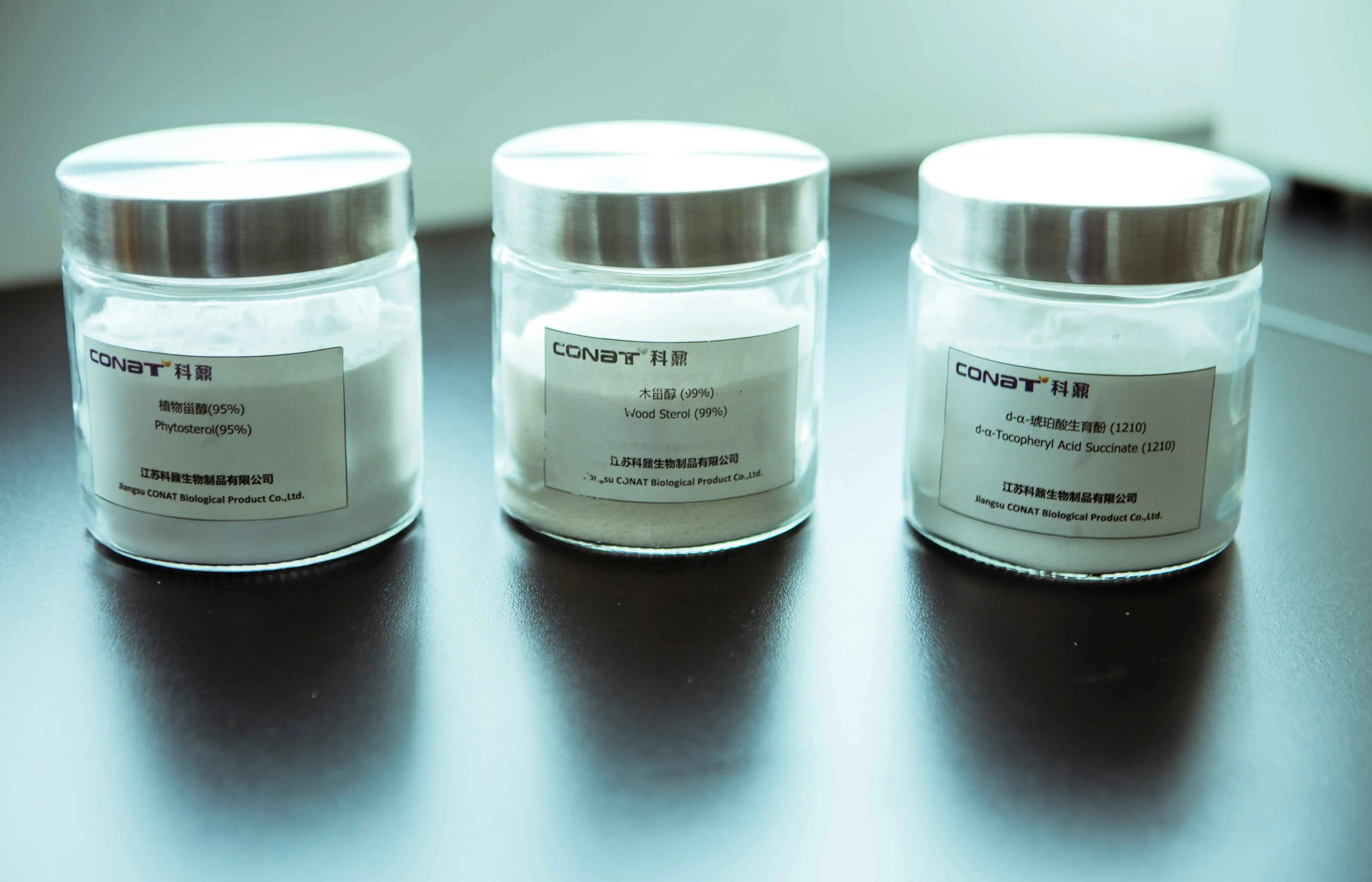
Comparing Natural and Synthetic Tocopherols: Benefits and Considerations
Bioavailability Differences That Impact Formulation Efficacy
The distinction between natural and synthetic forms carries significant implications for product performance and consumer value. natural tocopherols, labeled as d-alpha-tocopherol or mixed tocopherols, originate from plant oil sources and feature a molecular structure that biological systems readily recognize and utilize. Synthetic variants, designated dl-alpha-tocopherol and derived from petroleum feedstocks, contain a mixture of stereoisomers where only a portion matches the natural configuration.
Research demonstrates that natural vitamin E exhibits superior bioavailability, with the body's transport proteins showing preferential binding to the d-alpha form. Studies suggest that synthetic tocopherols require three times higher doses to achieve equivalent biological activity compared to natural counterparts. This reduced potency stems from both lower absorption rates and faster excretion, limiting the time available for tissues to capture and utilize the antioxidant.
Procurement decisions must weigh these efficacy differences against cost considerations. While synthetic tocopherols present lower acquisition costs, the diminished biological activity means higher inclusion rates to achieve desired functional outcomes. This calculation becomes particularly important for premium dietary supplements and medical nutrition products where efficacy claims depend on adequate active ingredient delivery.
Mixed Tocopherol Blends Versus Single Forms
Natural tocopherols offer distinct advantages over isolated alpha-tocopherol preparations. These blends contain beta, gamma, and delta homologues alongside alpha forms, creating synergistic antioxidant protection that mirrors the tocopherol profiles found in whole foods. Gamma-tocopherol, particularly abundant in soybean oil derivatives, demonstrates unique capabilities in neutralizing nitrogen-based free radicals that alpha forms cannot effectively address.
The complementary activities of mixed tocopherols provide a broader spectrum of protection in food applications. Gamma and delta variants often outperform alpha-tocopherol in preventing lipid oxidation in edible oils and fat-containing foods, making mixed blends the preferred choice for extending shelf life in functional foods and fortified products. This practical advantage aligns well with clean-label strategies that emphasize minimally processed, nature-identical ingredients.
Single-form alpha-tocopherol preparations remain appropriate when formulators target specific nutritional supplementation or when regulatory frameworks specifically recognize alpha-tocopherol equivalents in labeling claims. Understanding these application-specific requirements helps procurement teams specify the right tocopherol form for each product category.
Regulatory and Consumer Perception Factors
Consumer demand for natural, recognizable ingredients increasingly influences formulation decisions. natural tocopherols align with clean-label trends, offering transparency that builds consumer trust and brand loyalty. Marketing claims emphasizing "natural vitamin E" or "plant-derived antioxidants" resonate with health-conscious audiences willing to pay premium prices for perceived quality differences.
Regulatory frameworks in different markets may treat natural and synthetic forms differently regarding labeling requirements, health claims, and acceptable use levels. International certifications such as Kosher, Halal, and organic designations typically favor natural tocopherols extracted from approved plant sources. These compliance considerations prove particularly relevant for brands serving diverse global markets or targeting specific consumer segments with particular dietary requirements.
The choice between natural and synthetic tocopherols ultimately requires balancing product positioning, efficacy targets, cost constraints, and regulatory requirements. Premium supplement brands, functional food innovators, and pharmaceutical developers typically prioritize natural forms to maximize bioavailability and consumer acceptance, viewing the higher raw material cost as an investment in product differentiation and efficacy.
Application Insights: Using Natural Tocopherols in Skincare, Supplements, and Food Industries
Dietary Supplement Formulation Strategies
Natural tocopherols serve multiple functions within dietary supplement formulations, acting as both active nutritional ingredients and protective antioxidants for sensitive compounds. When positioned as primary actives, tocopherols deliver well-established benefits supporting cellular protection and immune function. Formulators typically include 15-400 IU per serving depending on product positioning and target health outcomes, with higher potencies reserved for specialized immune support or antioxidant defense formulations.
The protective function proves equally valuable in complex supplements containing oxidation-prone ingredients like omega-3 fatty acids, CoQ10, or other fat-soluble nutrients. Including natural tocopherols at 0.1-0.5% of the lipid content significantly extends stability during manufacturing, prevents rancidity during shelf storage, and maintains potency through expiration dating periods. This dual functionality—active ingredient plus protective antioxidant—makes tocopherols especially cost-effective in premium formulations.
Sports nutrition products benefit from natural tocopherol inclusion to support recovery processes and protect against exercise-induced oxidative stress. The clean-label appeal of natural vitamin E aligns well with athlete preferences for recognizable, whole-food-derived ingredients. Formulation strategies should consider using mixed tocopherols to provide broader antioxidant coverage, matching the diverse free radical species generated during intense physical activity.
Functional Food and Beverage Applications
Beverage formulators face unique challenges in stabilizing products against oxidation while maintaining appealing sensory characteristics. Natural tocopherols effectively protect functional beverages containing plant oils, omega-3 fortification, or other oxidation-sensitive ingredients without imparting off-flavors when used at appropriate inclusion rates. Typical usage levels range from 50-200 ppm, depending on lipid content and desired shelf life targets.
Fortified foods, including nutrition bars, healthy snacks, and meal replacements, leverage natural tocopherols to make credible antioxidant claims while protecting product quality. The compounds prevent lipid oxidation that causes rancid flavors in nut-based products and maintain the nutritional integrity of added vitamins and healthy fats throughout distribution and storage. This quality maintenance proves crucial for premium products where repeat purchases depend on consistent taste and texture experiences.
Clean-label positioning represents a primary motivation for choosing natural over synthetic tocopherols in food applications. Consumer research consistently shows that "natural vitamin E" or "mixed tocopherols" declarations enhance perceived product quality compared to synthetic alternatives. This perception translates into purchase intent and willingness to accept premium pricing, directly supporting brand positioning strategies focused on natural, minimally processed ingredients.
Pharmaceutical and Medical Nutrition Considerations
Pharmaceutical developers utilize high-purity natural tocopherols in drug formulations where antioxidant protection proves essential for active pharmaceutical ingredient stability. Lipid-based drug delivery systems particularly benefit from tocopherol inclusion, which prevents oxidative degradation of sensitive compounds during manufacturing and storage. Stringent purity requirements and comprehensive documentation packages support regulatory submissions for new drug applications.
Medical nutrition products designed for patients with specific health conditions often incorporate natural tocopherols at therapeutic levels. The superior bioavailability of natural forms maximizes nutritional delivery efficiency, particularly important for patient populations with compromised absorption or elevated antioxidant requirements. Formulation scientists must carefully balance dosing with regulatory limits and safety considerations while achieving intended health outcomes.
Quality consistency across production batches carries heightened importance in pharmaceutical applications where reproducible therapeutic effects depend on precise ingredient specifications. Suppliers serving this market segment maintain rigorous quality systems, validated analytical methods, and stability data supporting expiration dating claims. These quality assurances justify premium pricing for pharmaceutical-grade tocopherols compared to food-grade alternatives.
Decision-Making Framework for Choosing Natural Tocopherols Suppliers and Products
Matching Procurement Needs With Supplier Capabilities
Effective supplier selection begins with clearly defining your specific requirements across multiple dimensions. Volume needs influence which suppliers can reliably meet your demand without allocation concerns during market tightness. Large-scale supplement manufacturers require suppliers with substantial production capacity and inventory reserves, while smaller specialty brands may prioritize flexibility and lower minimum order quantities.
Product quality specifications must align with your application requirements and finished product positioning. Pharmaceutical and medical nutrition developers need suppliers offering materials meeting stringent purity standards with comprehensive documentation packages. Functional food brands may prioritize organoleptic characteristics, ensuring tocopherol inclusion doesn't negatively impact taste profiles. Supplement formulators targeting premium market segments should specify natural mixed tocopherols with full homologue profiles rather than isolated alpha forms.
Technical support capabilities differentiate suppliers who function as true partners from those merely fulfilling orders. Leading manufacturers employ application scientists who assist with formulation optimization, provide stability testing guidance, and troubleshoot performance issues. This technical partnership proves particularly valuable when developing innovative products or reformulating existing lines to incorporate natural tocopherols.
Establishing Evaluation Criteria and Conducting Due Diligence
Certification verification forms the foundation of supplier qualification. Request copies of current ISO, GMP, Kosher, Halal, and other relevant certifications, then independently verify their validity and scope. Certifications should specifically cover tocopherol production facilities rather than unrelated corporate divisions. Third-party audit reports provide additional assurance that quality systems operate effectively beyond documentation compliance.
Product testing through independent laboratories offers objective verification of supplier claims. Submit samples to qualified analytical facilities for homologue profiling, purity assessment, and contaminant screening. Compare laboratory results against supplier CoAs to evaluate data accuracy and identify any discrepancies requiring explanation. This due diligence investment prevents costly quality issues in your finished products.
Financial stability and business reputation research protect against supply chain disruptions. Investigate how long potential suppliers have operated in the tocopherol market, their parent company's ownership structure, and their track record serving similar customers. Industry references from existing clients provide valuable insights into reliability, responsiveness, and problem-solving approaches during challenging situations.
Building Strategic Partnerships for Competitive Advantage
Long-term supplier relationships generate value beyond transactional cost savings. Strategic partners invest in understanding your business objectives, product roadmaps, and competitive challenges. This deeper engagement enables proactive recommendations for new tocopherol applications, early access to enhanced product grades, and collaborative approaches to formulation challenges that strengthen your market position.
Contract terms should balance cost optimization with supply security. Volume commitments may unlock preferential pricing while ensuring allocation priority during tight market conditions. Forward pricing agreements provide budget certainty for financial planning. Quality agreements establish clear specifications, testing protocols, and procedures for addressing out-of-specification materials. These formal frameworks reduce uncertainty and support smooth operations.
Innovation partnerships with suppliers maintaining active R&D programs position your brand to capitalize on emerging opportunities. Manufacturers developing novel extraction techniques, unique tocopherol blends, or specialty forms tailored to specific applications can provide competitive differentiation unavailable through commodity suppliers. Engaging early in these development efforts may secure exclusive access periods or customized solutions addressing unmet market needs.
Conclusion
Natural tocopherols represent indispensable ingredients for brands developing competitive products across dietary supplements, functional foods, beverages, and pharmaceutical applications. Understanding their antioxidant mechanisms, recognizing the superiority of natural forms over synthetic alternatives, and implementing rigorous sourcing practices enables procurement teams to enhance product efficacy while meeting clean-label expectations. The decision framework outlined here—matching needs with supplier capabilities, conducting thorough due diligence, and building strategic partnerships—positions organizations to secure high-quality materials supporting business growth. Successful procurement requires balancing immediate cost considerations against long-term value, including supply reliability, technical support, and innovation access that strengthen competitive positioning in dynamic markets.
FAQ
1. What is the practical difference between natural and synthetic tocopherols for product formulations?
Natural tocopherols exhibit superior bioavailability because their molecular structure matches forms that biological systems evolved to recognize and utilize. The body's transport proteins preferentially bind to natural d-alpha-tocopherol, facilitating distribution to tissues where antioxidant protection occurs. Synthetic dl-alpha-tocopherol contains multiple stereoisomers, only some matching natural configurations, resulting in lower absorption and faster excretion. Practical implications include requiring approximately three times more synthetic material to achieve equivalent biological activity. Natural forms also support clean-label positioning that resonates with health-conscious consumers, potentially justifying premium pricing strategies.
2. How can procurement teams verify natural tocopherol purity and quality?
Verification combines multiple approaches, starting with a thorough Certificate of Analysis review. Effective CoAs detail each tocopherol homologue concentration, total content, appearance, odor, and critical purity parameters, including peroxide values and heavy metal content. Independent laboratory testing provides objective confirmation of specifications, particularly important when qualifying new suppliers. Third-party certifications, including ISO 9001, ISO 22000, and GMP, demonstrate systematic quality management. Physical facility audits, when feasible, offer direct observation of production controls and quality systems. Requesting multiple batch samples over time reveals consistency, a key quality indicator for manufacturing planning.
3. What inclusion rates are recommended for natural tocopherols in different applications?
Dietary supplements typically include 15-400 IU per serving, depending on whether tocopherols function as primary actives or supporting antioxidants. Functional foods and beverages use 50-200 ppm based on lipid content and shelf life targets. Pharmaceutical applications require precise dosing determined through stability studies and regulatory guidance. When protecting oxidation-prone ingredients like omega-3s, inclusion at 0.1-0.5% of lipid content proves effective. Mixed tocopherol blends often perform better than isolated alpha forms in food systems due to gamma and delta homologue contributions. Application testing during product development optimizes inclusion rates, balancing cost, efficacy, and sensory impact specific to each formulation matrix.
Partner With CONAT for Premium Natural Tocopherol Supply
Securing a dependable natural tocopherol manufacturer directly impacts your product quality, regulatory compliance, and competitive market positioning. Jiangsu CONAT Biological Products Co., Ltd. specializes in producing high-purity natural tocopherols and phytosterols backed by comprehensive research, production, and testing capabilities developed through years of focused experience. Our manufacturing infrastructure maintains ISO, GMP, Kosher, and Halal certifications that support your diverse market requirements while ensuring consistent batch quality essential for formulation reliability.
We understand the challenges procurement teams face—balancing purity requirements with cost considerations, ensuring supply chain stability, and accessing technical expertise that accelerates product development. Our application scientists collaborate with your formulation teams to optimize tocopherol selection and inclusion rates specific to your product matrices, whether developing dietary supplements, functional beverages, pharmaceutical formulations, or medical nutrition products. Complete documentation packages, including Certificates of Analysis, regulatory compliance letters, and stability data, streamline your quality assurance processes and regulatory submissions.
Reach out to our team at sales@conat.cn to discuss your natural tocopherol requirements, request product samples, or explore how our manufacturing capabilities align with your sourcing objectives. We're committed to building partnerships that enhance your formulation efficacy, support clean-label positioning, and provide the supply reliability your business depends on for sustainable growth.
References
1. Jiang Q. Natural forms of vitamin E: metabolism, antioxidant, and anti-inflammatory activities and their role in disease prevention and therapy. Free Radical Biology and Medicine. 2014;72:76-90.
2. Shahidi F, de Camargo AC. Tocopherols and tocotrienols in common and emerging dietary sources: Occurrence, applications, and health benefits. International Journal of Molecular Sciences. 2016;17(10):1745.
3. Bramley PM, Elmadfa I, Kafatos A, Kelly FJ, Manios Y, Roxborough HE, Schuch W, Sheehy PJ, Wagner KH. Vitamin E. Journal of the Science of Food and Agriculture. 2000;80(7):913-938.
4. Wagner KH, Kamal-Eldin A, Elmadfa I. Gamma-tocopherol—an underestimated vitamin? Annals of Nutrition and Metabolism. 2004;48(3):169-188.
5. Colombo ML. An update on vitamin E, tocopherol and tocotrienol—perspectives. Molecules. 2010;15(4):2103-2113.
6. Eitenmiller RR, Lee J. Vitamin E: Food Chemistry, Composition, and Analysis. New York: Marcel Dekker. 2004.
YOU MAY LIKE