
Natural Tocopherols Manufacturing Process
A group of vitamin E molecules called natural tocopherols are taken from plant oils using complex manufacturing methods. These strong antioxidants come from oils like soybean, sunflower, and palm. They go through strict steps of extraction, purification, and quality control to make sure they are the high-purity ingredients that supplement brands, functional food makers, and pharmaceutical companies want. Knowing the steps these compounds take from being raw botanical materials to approved ingredients helps procurement workers make smart choices about where to get ingredients that have a direct effect on how well products work and how competitive the market is.
Understanding Natural Tocopherols: Origins and Benefits
The Chemical Nature of Vitamin E Compounds
There are eight fat-soluble chemicals in the tocopherol family. There are four isomers of tocopherol (alpha-tocopherol, beta-tocopherol, gamma-tocopherol, and delta-tocopherol) and four isomers of tocotrienol. The type of tocopherol that is most common in wheat, corn, and soybean oils is gamma-tocopherol, while the type that is most common in food oils is alpha-tocopherol. These changes at the molecular level affect biological function and fitness for use. Formulation experts who are making tailored nutritional goods need to know the difference between these isomers because each form has a different antioxidant potency and bioavailability profile.
Plant-Based Sources and Extraction Origins
Soybean seeds are the main industrial source for natural tocopherols extraction because they have stable tocopherol profiles and are easy to grow. Sunflower and safflower oils are high in alpha-tocopherol, while palm oil is the only one that has three tocotrienol homologues. The plant source directly affects the final tocopherol makeup, which in turn affects how well the product is made and what it is made of. When reviewing suppliers, procurement teams should look at these source materials because they show how consistent batches are, how sustainable they are, and how stable prices are across supply lines.
Health Benefits Supported by Research
Due to their antioxidant effects, tocopherols protect cell membranes from oxidative damage. This has made them useful in many businesses. According to research, these substances help keep the heart healthy, the immune system working well, and cells safe. Delta-tocopherol is a very strong antioxidant in the lab, but alpha-tocopherol is more effective in biological systems that are found in humans. Natural types have better bioavailability, which means the body takes and uses them more efficiently than manufactured ones. This solubility benefit is especially useful for supplement brands that want to set their products apart by using high-quality ingredients and proving that their products work.
Natural Versus Synthetic: Critical Differences
The chemical structure, bioavailability, and holding time in tissues of natural tocopherols (labeled as d-alpha-tocopherol) are very different from those of manufactured forms (dl-alpha-tocopherol). In the liver, certain transport proteins link more strongly to natural forms, which makes it easier for the substances to get to all parts of the body. Studies show that three times as much man-made vitamin E might be needed to have the same molecular effects as natural vitamin E. Also, synthetic forms leave the body more quickly, which cuts down on the time it takes for them to reach their targets. These differences have direct effects on how the products must be made, how much to use, and finally, the claims that brands can make about how well their products work.
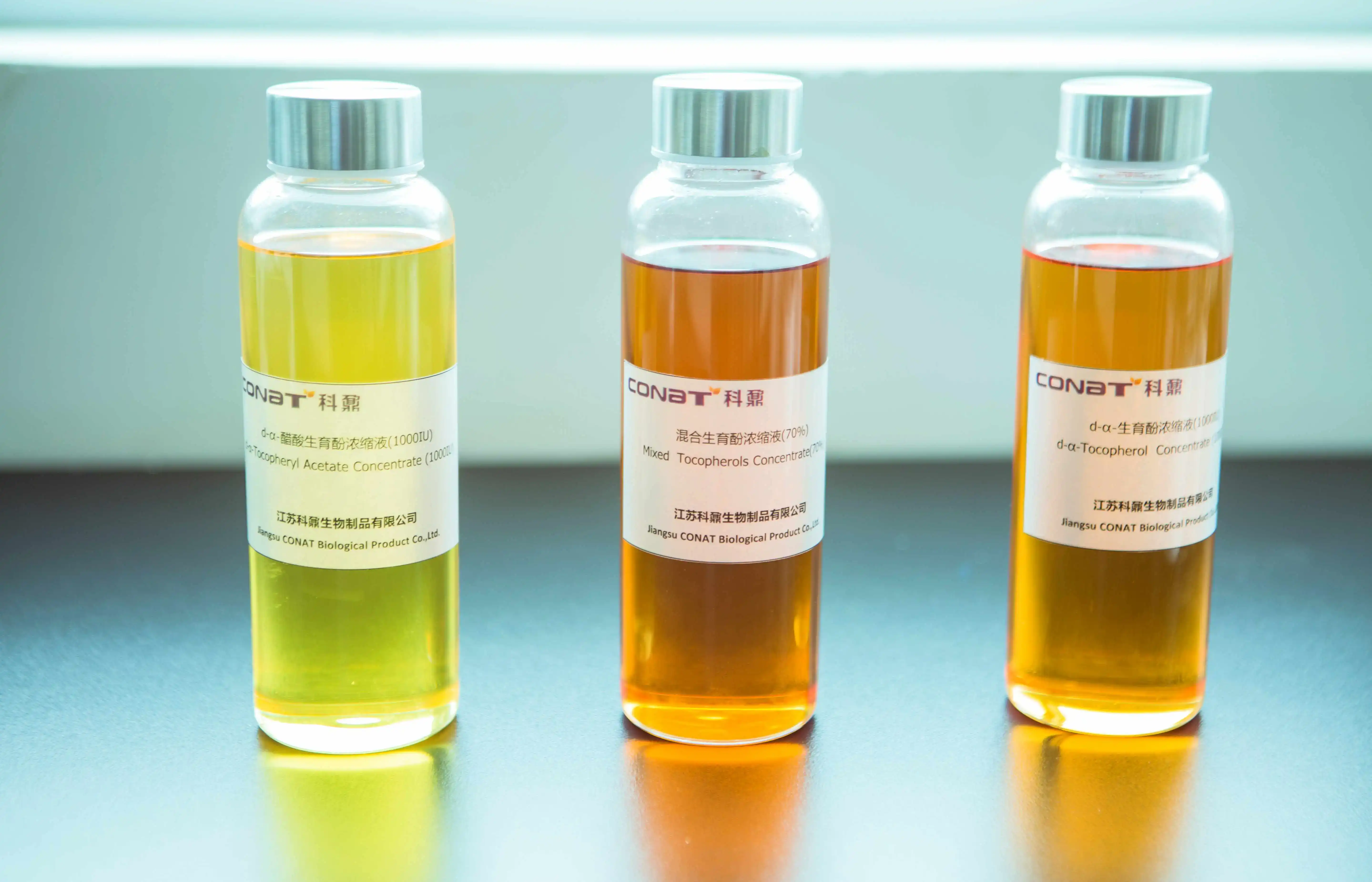
Extraction and Manufacturing Process of Natural Tocopherols
Initial Extraction Methods from Plant Oils
The first step in the making process is choosing high-quality plant oils that have high amounts of natural tocopherols. Cold pressing is the gentlest way to get oil out of plants. It keeps the molecules intact and produces oil that is high in tocopherols. However, cold pressing by itself doesn't make very many fruits or vegetables, so it's only worth doing for high-end goods. Food-grade liquids can be used for solvent extraction, which is more efficient and can get more tocopherols out of oil-containing nuts and processing waste. After the crude oil is removed, it moves on to the refinement stages, where tocopherols are increased using special techniques.
Purification Through Multi-Stage Refinement
Refinement includes several important steps that get rid of toxins and increase the amount of tocopherol:
Degumming gets rid of phospholipids and other substances that form gums that could get in the way of further processing. Usually, water or acid solutions are used at this stage to hydrate and remove the unwanted chemicals. Neutralization gets rid of the free fatty acids through soda treatment, which makes the product more stable and keeps it fresh for longer. Bleaching uses activated clay or carbon to get rid of color dyes, oxidation products, and small metals that could make the product less pure. Deodorization uses steam distillation under pressure to get rid of volatile chemicals that change smell and taste.
These pharmaceutical-grade and food-grade tocopherols that meet strict regulatory standards are made possible by these steps taken in order. To keep the tocopherol from breaking down and to get the most out of the process, each step needs exact temperature control, timing, and monitoring.
Concentration and Isomer Separation Techniques
Manufacturers use molecular distillation to separate tocopherols from the oil substance after basic processing. This vacuum-based method divides molecules based on differences in molecular weight and volatility. This makes it possible to separate tocopherols at very high purity levels without heating them up. Chromatographic separation can be used in advanced facilities to separate certain isomers, making single-form goods like pure alpha-tocopherol or custom mixed-tocopherol mixes. Formulators can make goods with specific antioxidant profiles because they can control the isomer ratios.
Quality Control Throughout Production
At every step of production, strict quality control checks are done to make sure that each batch is the same and that all regulations are followed. Before processing starts, testing the raw materials makes sure they have the right amount of tocopherol and finds any possible contaminants. Key factors like temperature, pressure, and residence time are tracked by in-process tracking to keep conditions at their best. As part of checking the finished product, HPLC analysis is used to measure the amount of each tocopherol isomer, making sure that the specifications are met. Heavy metal testing, microbe analysis, and oxidation stability tests make sure that the product is safe and will last as long as it's supposed to. Documentation systems make sure that all materials can be tracked from their origins to their final packing. This helps with GMP compliance and regulatory reports.
Innovations in Sustainable Manufacturing
Modern makers are using more and more environmentally friendly methods that make their products better while also being better for the world. When you use supercritical CO2 extraction, you get rid of the organic solvents. This makes the tocopherol preparations cleaner and free of chemical leftovers. With enzyme-assisted extraction, more plant materials are extracted, which cuts down on waste and makes things cheaper. Deodorization and distillation processes give off heat that can be used by energy recovery systems. This lowers carbon footprints. Waste valorization projects turn waste materials from processing into things that can be used instead of throwing them away. These new ideas are especially appealing to companies that want to make their products more eco-friendly and stand out in competitive markets by using clean labels.
Procurement Considerations for Natural Tocopherols
Evaluating Supplier Capabilities and Credentials
To find trustworthy natural tocopherols providers, you need to do more than just compare prices. Manufacturers who manage the whole process, from getting the raw materials to packing the finished goods, usually have better batch accuracy and supply security. Certifications like ISO 9001 (quality management), ISO 22000 (food safety), GMP (pharmaceutical manufacturing), and organic certifications show that quality is managed in a planned way. Being open with suppliers about where they get their materials, where they make their products, and how they test them builds trust in long-term relationships. Ask for analysis papers from more than one production batch to see if the tocopherol profiles and amounts of impurities are consistent. Referrals from current customers who use similar products can tell you a lot about how reliable and quick a seller is.
Understanding Cost Factors and Pricing Models
The price of tocopherol is affected by many factors, which makes talks for purchasing it more difficult. The prices of farm commodities, especially soybean and sunflower oil, affect the costs of raw materials. Processing intensity goes up in direct measure to the level of purity needed. For example, pharmaceutical grades cost a lot more than food grades because they go through more steps to improve them. Economies of scale happen when you buy a lot of something, so you save money on each bit. Getting certified costs money, which sellers usually pass on to buyers. Landed costs are affected by things like import taxes, freight rates, and foreign exchange rates. Knowing how these things work helps buying teams make plans that manage costs and ensure supply security.
Customization and Private Labeling Opportunities
A lot of companies that make tocopherol offer customization services that make their products more valuable for brand owners and sellers. Custom tocopherol mixes make goods that are unique by adjusting the amounts of different isomers used in different situations. For encapsulation services, they create custom powder mixtures that are more stable or release better. With private labeling schemes, distributors can sell tocopherols under their own names without having to buy the equipment to make them. Some suppliers offer recipe support to help customers make products that show off the health benefits of tocopherol. These services that add value can help your market place and your relationships with customers, which is why you should work with suppliers who offer expert collaboration in addition to providing basic ingredients.
Ensuring Quality and Trust: Certifications and Supplier Vetting
Essential Certifications for B2B Confidence
Certifications are a normal way to make sure that sellers meet quality and safety standards set by the industry. ISO 9001 shows how to control quality consistently across all activities, and ISO 22000 talks about food safety management systems in particular. GMP certifications make sure that production methods are pharmaceutical-grade, which is important for medical uses. Kosher and halal approvals let people with religious dietary needs buy certain kinds of food. The FDA's approval and GRAS (Generally Recognized as Safe) standing give regulators trust in U.S. markets. Organic approvals make sure that farming and handling methods are in line with how natural tocopherols are marketed. Instead of depending only on what suppliers say, procurement teams should check the truth of certifications directly with the groups that issue them.
Quality Assurance Through Independent Testing
In addition to the documents given by the seller, independent verification gives you even more peace of mind. Samples can be checked by outside labs for heavy metals, chemical residues, microbial pollution, and the amount of tocopherol and isomers present. Before making big purchases, stability tests under fast conditions can help you guess how the food will keep for a long time. When you compare results from different providers, you can find the ones that offer the best quality-to-cost rates. Some businesses have supplier audit programs where they send qualified people to look at manufacturing sites, check quality systems, and see if stated standards are being followed. These investments in checking lower the risks of failed ingredients, product returns, and not following the rules set by regulators.
Leveraging Industry Intelligence and References
Market intelligence adds useful information to formal proof methods. Most of the time, industry groups keep seller listings that have ways for members to screen suppliers and give feedback. Trade magazines and meeting talks show what companies can do technically and how well-known they are in their field. Online sites collect reviews and scores from customers, but these should be carefully checked to make sure they are real. Talking to current customers directly gives you an unbiased view on how well a seller does in terms of consistency, responsiveness, quality of documents, and problem settlement. Getting a full picture from many sources of information lets you choose a seller with confidence that meets all of your technical needs, meets your business needs, and fits your relationship needs.
Conclusion
To make natural tocopherols, plant oils are turned into high-purity vitamin E ingredients through a complex process of extraction, processing, and quality control. Knowing these steps—from the first cold pressing or solvent extraction to the many stages of refinement and concentration—allows buying workers to carefully assess the skills of suppliers. Different types of mixed and single-isomer forms, oil and powder shapes, and quality grades have a direct effect on how well a formulation works and how well it meets legal requirements. Technical requirements, supplier qualifications, price structures, and quality assurance methods must all be balanced for procurement to go well. The market for natural tocopherol awards buyers who take the time to check out suppliers, make sure they have the right certifications, and have their products tested by a third party. This helps them build relationships that ensure quality and supply security.
Frequently Asked Questions
1. What makes natural tocopherols superior to synthetic versions for dietary supplements?
Bioavailability tests show that natural tocopherols are much better than manufactured ones. This is because liver transport proteins prefer to bind to the natural molecule structure. This means that natural forms are better absorbed and sent to areas where they are needed to protect them from damage. Studies show that it might take up to three times as much manufactured vitamin E to have the same biological effect. Natural forms stay in cells longer, too, which makes their protective benefits last longer. These benefits directly affect how well the product works, letting brands use smaller doses while still getting the health benefits they want. This is better for both the customer and the company's bottom line.
2. How do I verify the purity and quality of tocopherol ingredients from suppliers?
Ask for specific certificates of analysis from several production batches that show the amount of tocopherol, the patterns of its isomers, and the levels of impurities. Check directly with the organizations that give out certifications to make sure that sellers have the right ones, such as ISO, GMP, or organic credentials. Have samples tested by separate third-party labs for tocopherol, heavy metals, herbicides, and microbe contamination. Check the supplier's record-keeping methods to make sure that you can follow the products from the raw ingredients to the finished goods. You could do site checks for key suppliers to get a first-hand look at how things are made. Comparing data from several providers can help you figure out which ones regularly deliver specs that meet your formulation needs and legal requirements.
3. What factors should influence my choice between mixed tocopherols and isolated alpha-tocopherol?
This choice is based on the needs of the application. Mixed tocopherols have a wide range of antioxidant properties that make them useful for keeping food fresh and adding to your daily diet. The gamma and delta isomers offer different protective benefits. Isolated alpha-tocopherol has the consistent strength needed for pharmaceutical uses, specific biological action, and accurate dose estimates. Most of the time, mixed forms are cheaper and offer more useful options. Think about what your product says, what the government requires, and whether the formulation needs uniform single-compound action or benefits from different isomer profiles. Technical support from providers can help match the makeup of tocopherol to the performance requirements of a particular application.
Partner with CONAT for Premium Natural Tocopherols
Jiangsu CONAT Biological Products Co., Ltd. is an expert in making high-purity natural tocopherols. We have been making vitamin E for decades. Our combined facilities use cutting-edge technologies for extraction and processing to make sure that the tocopherols we sell are of the highest quality and meet the strictest standards. We keep a lot of certificates, like ISO 9001, ISO 22000, GMP, Kosher, and Halal, to make sure that our goods meet the needs of a wide range of markets and global regulations. Our technical team works closely with customers to create unique tocopherol blends, offer formulation support, and make sure that uniformity from batch to batch is maintained, which protects the image of your brand.
Our natural tocopherol range has the purity, stability, and paperwork you need whether you're making dietary supplements, functional foods, pharmaceutical goods, or specific nutrition uses. As a dependable natural tocopherols provider, we promise open contact, low prices for bulk orders, and quick responses to customer questions. Find out how our methods for quality control and production can make your supply chain stronger. You can talk to our team at sales@conat.cn about your unique needs, ask for detailed documentation, or set up a sample review. Let CONAT be your reliable partner in getting high-quality natural tocopherols that will make your goods better and your customers happy.
References
1. Shahidi, F., & de Camargo, A. C. (2016). Tocopherols and tocotrienols in common and emerging dietary sources: Occurrence, applications, and health benefits. International Journal of Molecular Sciences, 17(10), 1745.
2. Jiang, Q. (2014). Natural forms of vitamin E: metabolism, antioxidant, and anti-inflammatory activities and their role in disease prevention and therapy. Free Radical Biology and Medicine, 72, 76-90.
3. Wagner, K. H., & Elmadfa, I. (2003). Biological relevance of terpenoids: Overview focusing on mono-, di- and tetraterpenes. Annals of Nutrition and Metabolism, 47(3-4), 95-106.
4. Colombo, M. L. (2010). An update on vitamin E, tocopherol and tocotrienol—perspectives. Molecules, 15(4), 2103-2113.
5. Bramley, P. M., Elmadfa, I., Kafatos, A., Kelly, F. J., Manios, Y., Roxborough, H. E., Schuch, W., Sheehy, P. J., & Wagner, K. H. (2000). Vitamin E. Journal of the Science of Food and Agriculture, 80(7), 913-938.
6. Kamal-Eldin, A., & Appelqvist, L. Å. (1996). The chemistry and antioxidant properties of tocopherols and tocotrienols. Lipids, 31(7), 671-701.
YOU MAY LIKE