
Tocopherol in Skin Care for Anti-Aging Explained
When we discuss cutting-edge anti-aging ingredients, tocopherol in skin care consistently emerges as a foundational component with scientifically proven benefits. Tocopherol, the bioactive form of Vitamin E, functions as a powerful antioxidant that protects cellular membranes from oxidative damage while supporting moisture retention and barrier repair. Its compatibility across formulation types—from lightweight serums to rich emulsions—makes it indispensable for brands aiming to deliver measurable anti-aging results. Understanding how tocopherol works, its quality benchmarks, and strategic sourcing considerations empowers procurement teams to make informed decisions that elevate product portfolios and meet evolving market demands.
Understanding Tocopherol and Its Role in Skin Care
Tocopherol represents the most biologically active form of Vitamin E, functioning as a lipid-soluble antioxidant that integrates seamlessly into cellular membranes. This unique characteristic allows it to neutralize reactive oxygen species before they compromise structural proteins like collagen and elastin. When environmental aggressors such as ultraviolet radiation and pollution generate free radicals, tocopherol donates electrons to stabilize these unstable molecules, effectively interrupting the oxidative chain reaction that accelerates visible aging.
The Biochemical Mechanism Behind Anti-Aging Benefits
The molecular structure of alpha-tocopherol features a chromanol ring that directly interacts with peroxyl radicals, converting them into stable compounds that cells can safely eliminate. Research published in dermatological journals demonstrates that topical application of tocopherol significantly reduces markers of photoaging, including fine lines, uneven pigmentation, and loss of elasticity. Beyond its antioxidant capacity, tocopherol enhances ceramide synthesis within the stratum corneum, strengthening the skin's natural barrier against transepidermal water loss.
Tocopherol Variants and Their Formulation Implications
While alpha-tocopherol receives the most attention due to its superior bioavailability, other isomers—beta, gamma, and delta—offer complementary benefits that formulators increasingly recognize. The tocopherol complex containing multiple isomers provides broader spectrum protection against different types of oxidative stress. Natural vitamin E sourced from plant oils typically contains this mixed tocopherol profile, whereas synthetic versions consist almost exclusively of alpha-tocopherol. From a procurement perspective, understanding these distinctions guides decisions about ingredient specifications that align with brand positioning around natural efficacy.
Safety Profile and Skin Compatibility Considerations
Clinical studies consistently affirm tocopherol's gentle nature across diverse skin types, including sensitive and reactive complexions. Unlike some active ingredients that require careful introduction protocols, tocopherol rarely triggers adverse reactions when formulated at appropriate concentrations. The compound's non-comedogenic properties make it suitable for acne-prone skin, while its anti-inflammatory effects help calm irritation. However, tocopheryl acetate and other esterified derivatives may occasionally cause contact sensitivity in individuals with specific allergies, highlighting the importance of comprehensive ingredient disclosure and patch testing recommendations for end consumers.
Comparing Tocopherol with Other Key Antioxidants in Skin Care
Antioxidant selection represents a critical decision point in formulation development, where understanding comparative advantages helps optimize product performance. Tocopherol occupies a distinct position within the antioxidant landscape, offering stability characteristics and skin affinity that complement other actives while delivering standalone benefits.
Tocopherol and Ascorbic Acid: Synergistic Partnership
The relationship between Vitamin E and Vitamin C exemplifies intelligent formulation design. Ascorbic acid works primarily in aqueous environments, neutralizing free radicals in the water-soluble compartments of cells. After donating electrons, ascorbic acid becomes oxidized, but tocopherol can regenerate its reduced form, extending its functional lifespan within the formulation. This regeneration cycle enhances the overall antioxidant capacity of products containing both ingredients. Research indicates that combined use reduces UV-induced erythema more effectively than either ingredient alone, providing formulators with a scientifically validated approach to photoprotection claims.
Retinol Versus Tocopherol: Complementary Mechanisms
Retinol addresses anti-aging through cellular signaling pathways that accelerate turnover and stimulate collagen production, whereas tocopherol primarily provides protective and supportive functions. The two ingredients serve different strategic purposes within a product line. Retinol delivers more dramatic visible changes but requires careful formulation to minimize irritation potential. Tocopherol offers a gentler approach suitable for maintenance formulations or for consumers who cannot tolerate retinoids. Many advanced formulations now incorporate both, using tocopherol to buffer retinol's potential irritancy while contributing independent antioxidant benefits.
Natural Versus Synthetic Tocopherol: Procurement Considerations
The distinction between d-alpha-tocopherol (natural) and dl-alpha-tocopherol (synthetic) extends beyond molecular chirality to encompass bioactivity, consumer perception, and regulatory implications. Natural tocopherol demonstrates approximately 36% higher biological activity compared to its synthetic counterpart, meaning lower concentrations achieve equivalent efficacy. This bioavailability advantage translates into formulation flexibility and potential cost optimization despite higher raw material prices for natural sources. Consumer preference increasingly favors natural vitamin E, particularly in premium segments where clean beauty credentials influence purchasing decisions. Procurement teams evaluating supplier options should request documentation on source materials, extraction methods, and stereoisomer purity to ensure specifications align with brand commitments.
Practical Guidelines and Formulation Insights for B2B Procurement
Translating tocopherol's theoretical benefits into market-ready products requires precise attention to concentration ranges, delivery systems, and regulatory frameworks. These technical parameters directly impact both efficacy claims and manufacturing feasibility, making them essential considerations during supplier negotiations and formulation development.
Optimal Concentration Ranges Across Product Categories
Effective tocopherol concentrations vary significantly depending on product format and intended positioning. Facial serums typically incorporate 0.5% to 1% tocopherol to deliver concentrated antioxidant activity without compromising texture or absorption characteristics. Moisturizers and creams can accommodate higher levels ranging from 1% to 5%, where the ingredient contributes both active benefits and formulation stability by preventing lipid oxidation. Specialized treatments targeting specific concerns, such as hyperpigmentation or environmental damage, may contain up to 10% tocopherol, though such concentrations require careful formulation to maintain sensory acceptability.
Understanding these parameters helps procurement professionals evaluate supplier recommendations and formulation proposals. When discussing bulk orders or custom formulations, specifying target concentration ranges ensures the supplier can provide appropriate grades and suggest compatible co-actives that enhance stability and performance.
Delivery System Selection and Formulation Compatibility
Tocopherol's lipophilic nature makes it highly compatible with oil-based delivery systems, including facial oils, balms, and oil-in-water emulsions. However, innovative encapsulation technologies now enable stable incorporation into water-based formats, expanding application possibilities. Liposomal delivery systems protect tocopherol from oxidation while enhancing percutaneous penetration, allowing it to reach deeper skin layers where it exerts maximum protective effects.
Tocopheryl acetate, an esterified derivative, offers enhanced stability compared to free tocopherol, making it advantageous for products with extended shelf life requirements or challenging preservation environments. Once absorbed, skin enzymes convert tocopheryl acetate back to active tocopherol, maintaining efficacy while improving formulation robustness. The choice between free tocopherol and its esters involves balancing immediate bioavailability against long-term stability, a decision that procurement teams should discuss with technical partners during product development phases.
Regulatory Compliance and Documentation Requirements
International markets impose varying requirements for tocopherol use in cosmetic products. The FDA recognizes tocopherol as generally recognized as safe (GRAS) for topical application, with no mandatory concentration limits for cosmetic use. European regulations under the Cosmetics Regulation (EC) No 1223/2009 similarly permit tocopherol without specific restrictions, though finished products must comply with safety assessment requirements. When sourcing tocopherol for markets requiring halal or kosher certification, procurement teams must verify that suppliers maintain appropriate religious authority approvals throughout their supply chain.
Documentation supporting these certifications—including Certificates of Analysis, allergen declarations, and manufacturing process descriptions—becomes critical during formulation approval and market entry processes. Establishing clear documentation expectations during supplier qualification prevents downstream complications and ensures smooth regulatory submissions across target markets.
Market Insights: Sourcing and Purchasing Tocopherol-Infused Skin Care Products
Strategic sourcing decisions directly impact product quality, supply chain resilience, and ultimately market competitiveness. Navigating the tocopherol supply landscape requires evaluating technical capabilities, quality systems, and commercial terms that support long-term partnership success.
Evaluating Supplier Technical Capabilities
Leading tocopherol manufacturers distinguish themselves through consistent purity profiles, comprehensive analytical testing, and process validation that ensures batch-to-batch reproducibility. When qualifying suppliers, procurement teams should assess analytical capabilities, including HPLC quantification of tocopherol isomers, peroxide value testing to confirm antioxidant capacity, and heavy metal screening that meets cosmetic ingredient safety standards. Suppliers with ISO 9001 and ISO 22000 certifications demonstrate systematic quality management that reduces supply risk and supports audit requirements from brand owners.
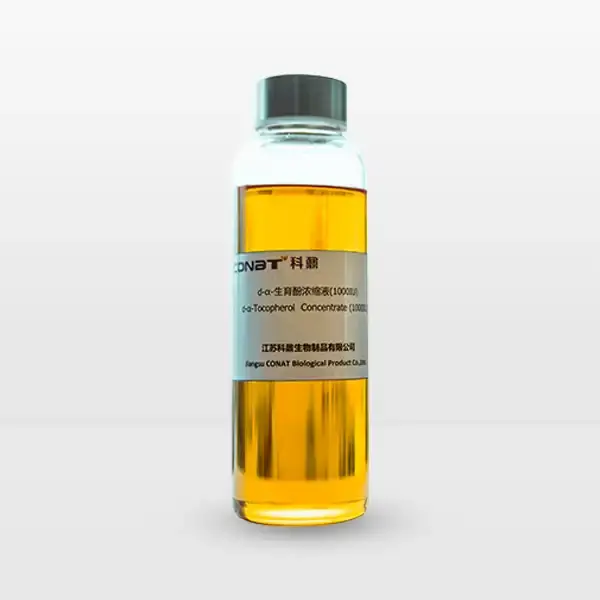
Jiangsu CONAT Biological Products Co., Ltd. exemplifies the manufacturing excellence that discerning brands seek when sourcing natural vitamin E and tocopherol derivatives. With specialized research facilities, advanced production equipment, and a technical team possessing extensive experience in phytosterol and vitamin E processing, CONAT delivers the consistent quality and technical support that formulation projects demand.
Quality Verification Through Third-Party Certifications
Third-party certifications provide objective verification of supplier claims and manufacturing standards. Kosher and halal certifications address religious dietary requirements that extend to personal care products in certain markets. USDA Organic or COSMOS certification confirms natural sourcing and processing methods that align with clean beauty positioning. Non-GMO Project verification responds to consumer concerns about genetically modified source materials in soybean-derived tocopherol.
Beyond individual certifications, transparent supply chains that trace tocopherol from botanical source through extraction and purification build brand confidence and support sustainability storytelling. Procurement professionals should request detailed supply chain maps and visit manufacturing facilities when possible to verify operational capabilities and environmental practices firsthand.
Commercial Considerations and Price Dynamics
Tocopherol pricing reflects multiple variables, including source material costs, extraction efficiency, purity specifications, and market demand fluctuations. Natural tocopherol derived from soybean oil deodorizer distillate or sunflower oil typically commands premium pricing compared to synthetic alternatives, with price differentials ranging from 20% to 40% depending on market conditions. Bulk purchasing volumes, contract duration, and payment terms all influence negotiated pricing, making it advantageous to consolidate tocopherol requirements across multiple product lines when engaging suppliers.
Market intelligence indicates growing demand for natural vitamin E driven by clean beauty trends and functional food applications, which may create upward price pressure in the coming years. Establishing relationships with vertically integrated manufacturers who control source material access provides better price stability and supply assurance compared to trading through multiple intermediaries.
Future Trends and Innovation in Tocopherol Skin Care Solutions
Innovation in tocopherol applications continues advancing through derivative development, delivery system optimization, and combination strategies that enhance overall formulation performance. Staying informed about emerging technologies helps procurement teams anticipate market shifts and identify opportunities for product differentiation.
Advanced Tocopherol Derivatives and Enhanced Bioavailability
Research into tocopherol chemistry has yielded derivatives with improved stability, water solubility, and targeted activity. Tocopheryl phosphate demonstrates superior antioxidant capacity in aqueous systems while offering anti-inflammatory benefits that extend beyond traditional tocopherol applications. Tocopherol succinate shows promise in cellular studies for its unique ability to influence cell signaling pathways related to aging, though human clinical validation continues. These specialized derivatives may command premium positioning in high-performance formulations targeting sophisticated consumers who seek cutting-edge ingredients.
Integration with Botanical Antioxidant Systems
Contemporary formulation strategies increasingly combine tocopherol with complementary botanical extracts to create synergistic antioxidant networks. Polyphenols from green tea, resveratrol from grapes, and astaxanthin from algae work alongside tocopherol to address multiple oxidative pathways simultaneously. These complex systems provide more comprehensive protection against diverse environmental stressors than single-ingredient approaches. The trend toward multi-antioxidant formulations creates opportunities for ingredient suppliers who can provide standardized botanical extracts with documented compatibility and stability when combined with Natural tocopherol.
Sustainability and Ethical Sourcing Imperatives
Consumer awareness about ingredient sourcing extends beyond efficacy to encompass environmental impact and social responsibility. Tocopherol suppliers who demonstrate sustainable agricultural practices, fair labor standards, and minimal environmental footprint throughout production gain competitive advantages in brand partnerships. Carbon-neutral manufacturing, renewable energy use, and waste stream valorization represent emerging expectations rather than optional enhancements. Procurement strategies that prioritize suppliers with robust sustainability credentials future-proof supply chains against evolving regulatory requirements and consumer expectations.
Certification schemes such as Fair Trade, Rainforest Alliance, and B Corporation status provide structured frameworks for evaluating supplier sustainability claims. Brands increasingly request lifecycle assessments and carbon footprint data for key ingredients, making it essential that procurement teams engage suppliers capable of providing this documentation.
Conclusion
Tocopherol's established efficacy as an antioxidant, moisturizer, and skin barrier enhancer makes it indispensable in modern anti-aging formulations. Procurement professionals who understand the technical distinctions between tocopherol variants, delivery systems, and quality parameters can make sourcing decisions that optimize both product performance and commercial success. The evolving landscape of natural ingredients, clean beauty expectations, and sustainability requirements demands supplier partnerships built on technical excellence, transparent operations, and shared commitment to innovation. Strategic tocopherol sourcing supports brands in delivering scientifically credible anti-aging solutions that meet rigorous quality standards while resonating with increasingly informed consumers who seek both efficacy and ethical responsibility in their skin care choices.
FAQ
1. What makes tocopherol effective for different skin types?
Tocopherol's lipid-soluble nature allows it to integrate into skin cell membranes regardless of skin type, providing universal antioxidant protection. Its non-comedogenic profile makes it suitable for oily and acne-prone skin, while its barrier-strengthening effects benefit dry and sensitive complexions. The ingredient rarely causes irritation, though individuals with specific Vitamin E sensitivities should exercise caution with high-concentration formulations.
2. How does tocopherol differ from tocotrienol in formulation performance?
Tocopherol and tocotrienol share similar antioxidant mechanisms but differ in molecular structure and skin penetration characteristics. Tocotrienols feature unsaturated side chains that may offer superior antioxidant activity in certain oxidative conditions, while tocopherols demonstrate better stability in finished formulations. Most commercial skin care products utilize tocopherols due to their established safety profile, wider availability, and extensive clinical documentation supporting anti-aging claims.
3. What verification methods confirm supplier quality and authenticity?
Reliable quality verification includes requesting Certificates of Analysis with HPLC purity data, peroxide value measurements, and heavy metal testing results. Third-party certifications such as ISO 9001, kosher, halal, and organic credentials provide additional assurance. Conducting supplier audits, reviewing manufacturing process documentation, and requesting retained samples from multiple production batches enable thorough quality assessment before establishing supply agreements.
Partner with CONAT for Premium Tocopherol in Skin Care Manufacturing
Securing reliable sources of high-purity tocopherol remains fundamental to developing competitive anti-aging skin care formulations. CONAT specializes in natural vitamin E production with comprehensive quality systems that meet international standards, including ISO 9001 and GMP certification. Our dedicated research facilities and experienced technical team ensure consistent tocopherol quality with rigorous analytical verification for every production batch. Whether you require d-alpha tocopherol, tocopheryl acetate, or custom tocopherol complexes, CONAT delivers the purity, stability, and documentation that demanding formulation projects require. We understand that successful B2B partnerships extend beyond ingredient supply to include technical support, regulatory documentation assistance, and flexible commercial terms that accommodate your production schedules. As an established tocopherol in skin care supplier with proven capabilities in phytosterol and vitamin E derivative manufacturing, we invite procurement professionals to explore how our expertise can elevate your product development initiatives. Contact our team at sales@conat.cn to discuss your specific requirements, request technical specifications, or arrange facility visits that demonstrate our commitment to manufacturing excellence and supply chain transparency.
References
1. Thiele, J.J., Hsieh, S.N., & Ekanayake-Mudiyanselage, S. (2005). Vitamin E: Critical Review of Its Current Use in Cosmetic and Clinical Dermatology. Dermatologic Surgery, 31(7), 805-813.
2. Keen, M.A., & Hassan, I. (2016). Vitamin E in Dermatology. Indian Dermatology Online Journal, 7(4), 311-315.
3. Nachbar, F., & Korting, H.C. (1995). The Role of Vitamin E in Normal and Damaged Skin. Journal of Molecular Medicine, 73(1), 7-17.
4. Gehring, W. (2008). Nicotinic Acid/Niacinamide and the Skin. Journal of Cosmetic Dermatology, 3(2), 88-93.
5. Podda, M., & Grundmann-Kollmann, M. (2001). Low Molecular Weight Antioxidants and Their Role in Skin Ageing. Clinical and Experimental Dermatology, 26(7), 578-582.
6. Burke, K.E. (2007). Interaction of Vitamins C and E as Better Cosmeceuticals. Dermatologic Therapy, 20(5), 314-321.
YOU MAY LIKE