
What Is Crude Tall Oil and How Is It Processed?
The Kraft pulping method used to make paper makes crude tall oil, which is one of the most important renewable byproducts in the chemical business. This thick, dark liquid is made up of a complicated mix of rosin acids, fatty acids, and neutral substances, such as phytosterols. Crude tall oil is refined into important parts for many industrial uses, ranging from dietary supplements to pharmaceutical formulations, using complex refining techniques that involve fractional distillation and purification. Manufacturers can use it to make high-quality, environmentally-friendly goods that meet strict industry standards if they know what it is made of and how it is processed.
Understanding Crude Tall Oil: Composition and Properties
Chemical Composition and Structure
When kraft pulping is done, a complicated blend called crude tall oil is made up of 30–40% resin acids, 35–50% fatty acids, and 10–20% neutral matter. The fatty acid fraction has oleic and linoleic acids in it, while the resin acid fraction is mostly made up of abietic acid derivatives. The neutral matter fraction is very important for medicinal uses because it has β-sitosterol and other useful phytosterols in it.
Because it has a special mix of ingredients, tall oil soap can be used in many different ways after it is made. These bioactive substances, especially phytosterols, make it easier for companies that want to use natural ingredients in cholesterol-lowering and antioxidant goods to do so.
Physical Properties and Quality Parameters
The physical properties of this waste made from pine depend on the type of wood used and how it was processed. Acidity levels between 150 and 180 mg KOH/g, saponification levels between 160 and 190 mg KOH/g, and a moisture content below 0.5% are all normal qualities. These factors are very important quality markers for procurement workers who are comparing different suppliers.
To evaluate quality, you need to know how these qualities affect the efficiency of work that comes after. Higher acid values mean that there are more fatty acids, while lower neutral matter ratios may make it less likely that phytosterols will be produced. Stability at different temperatures and resistance to rust also affect how to store something and how long it will last.
Differentiation from Related Products
Knowing the differences between the different types of crude tall oil products helps buying teams choose the right materials for each job. Distilled tall oil (DTO) goes through more steps to clean it, which makes the fatty acid amounts higher and the impurity levels lower. The refined fatty acid part is made up of tall oil fatty acids, and the concentrated neutral chemicals in tall oil pitch include phytosterols.
These differences have an effect on both how things work and how much they cost. Refined versions are more expensive, but they have higher purity levels that are needed for medicinal and high-grade nutraceutical uses.
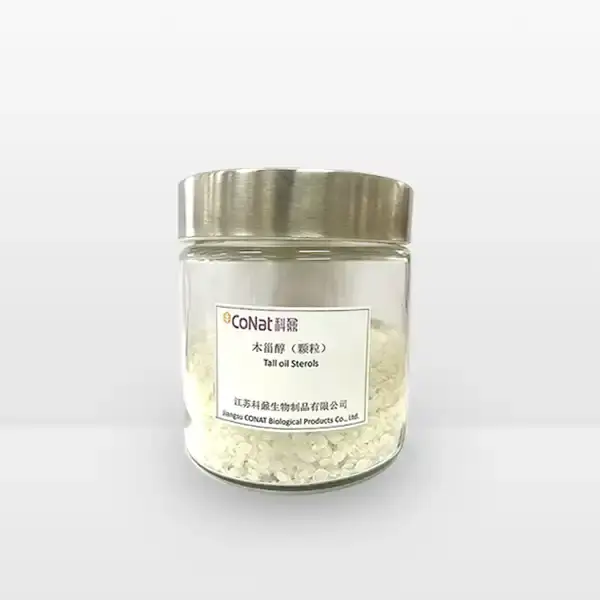
The Production and Refining Processes of Crude Tall Oil
Kraft Pulping and Initial Extraction
The process of making paper starts with kraft pulping, which involves breaking down pine wood chemically with sodium hydroxide and sodium sulfide at high temperatures. This process breaks down lignin and other wood components, making a black liquid that has organic materials that have been broken down in it. Tall oil soap builds up as a layer on top during later recovery operations. This layer weighs about 30 to 50 kg per ton of pulp created.
Recovery rate varies on a number of things, such as the type of wood used, the conditions of pulping, and the way soap is collected. Pine species usually produce more than other conifers, and the best temperatures and pH levels for collection make recovery rates the highest. Modern mills use high-tech separation tools to keep the quality of the soap uniform and keep losses to a minimum.
Acidulation and Primary Processing
To turn tall oil soap into crude tall oil, sulfuric acid must be added under controlled conditions. This process neutralizes the soap, which lets the oil phase and water-based parts separate. Controlling the temperature during acidulation keeps heat from breaking down molecules that are sensitive to it, like phytosterols and natural vitamins.
The acidulation process makes crude tall oil, whose make-up changes based on how it is run. Careful tracking of pH and control of temperature ensure the best result while upholding quality standards. When washing and drying are done correctly, they get rid of any remaining acid and water, leaving behind specification-grade material that can be refined further.
Advanced Refining and Purification
The main way to separate crude tall oil into useful parts is through fractional distillation in a high vacuum. To keep things from breaking down too quickly, this complex process works at temperatures between 200°C and 280°C with less pressure. The evaporation process creates different parts, such as rosin, concentrated phytosterols in pitch, and fatty acids from tall oil.
Modern plants use distillation systems with multiple stages and accurate controls for temperature and pressure. These modern systems keep product quality standards high, which is important for medicinal and nutraceutical uses, while also increasing output efficiency. To keep its bioactivity, the pitch fraction, which is high in β-sitosterol and other phytosterols, needs to be handled in a certain way.
Applications and Benefits of Crude Tall Oil in Industry
Nutraceutical and Pharmaceutical Applications
The pharmaceutical and nutrition industries are very profitable for tall oil products, especially phytosterol-rich parts. These chemicals have been shown in studies to lower cholesterol, which makes them useful ingredients for heart health products. Manufacturers making "clean label" products like that these phytosterols come from natural sources and are sourced in a way that doesn't harm the environment.
To get pharmaceutical-grade purity levels for tall oil phytosterols, they have to go through complex processing and esterification steps. These refined goods have to meet strict quality standards, such as limits on heavy metals, bacterial standards, and identity requirements. The resulting ingredients help dietary supplements and useful foods that focus on heart health get a special placement.
Industrial Chemical Applications
In addition to their use in supplements, crude tall oil products are also used in many industrial processes to make gasoline, adhesives, and rubber chemicals. Because these materials can be made again and again, they are compatible with efforts to protect the environment that are changing the business. Fatty acids from tall oil work really well in industrial fluids, and rosin derivatives make adhesives better.
Because these applications can be used in a lot of different ways, they keep the market stable and give processors more ways to make money. Industrial users like the constant quality and reusable source, especially since environmental rules are favoring bio-based chemicals over chemicals made from petroleum more and more.
Emerging Applications in Green Chemistry
As green chemistry keeps getting better, tall oil uses keep growing into new market areas. Recent developments include bio-based plasticizers, surfactants, and polymer additives derived from tall oil components. These uses take advantage of the unique chemical structure and ability to be made again and again of tall oil products.
Nanocellulose compounds and bio-composite materials are two examples of advanced uses that are being looked into by research projects. These new markets have a lot of room to grow, and they support the ideas of the cycle economy by finding useful uses for trash streams.
How to Procure Crude Tall Oil: A Guide for B2B Buyers
Quality Assessment and Specification Development
Setting clear quality standards that are in line with the planned uses is an important part of successful buying. Some important factors are the acid value, the saponification value, the moisture content, and the neutral matter makeup. Nutraceutical uses make phytosterol level even more important, and they need special testing methods to get a correct reading.
When a supplier is qualified, their analysis skills, quality processes, and certification status are all looked at. Getting ISO 9001 approval shows that you care about quality management, and for pharmaceutical uses, GMP compliance is a must. Regular audit programs make sure that set standards are always being followed.
Supply Chain Considerations and Risk Management
Global supply chains for tall oil products need to carefully look at risks and come up with ways to lower them. Because supply breakdowns can happen when production sites are close together geographically, it is important to have a variety of suppliers to ensure supply security. Seasonal changes in how pulp mills work can affect how much is available and how much it costs.
Force majeure clauses, quality promises, and delivery terms should all be talked about during contract talks. Because these products are bulky, the minimum order numbers are usually between 20 and 50 metric tons. Payment terms change depending on the seller and the location.
Certification and Regulatory Compliance
Regulatory compliance standards are very different for different uses and places around the world. Kosher and Halal licenses make it easier for nutrition products to get into new markets, and organic certification may give products a chance to be positioned higher in the market. Certificates of analysis, safety data sheets, and reports of legal status are some of the documents that must be kept.
Knowing the rules about importing and exporting can help you avoid costly delays and problems with compliance. Harmonized tariff numbers make sure that duties are calculated correctly and that goods are quickly cleared through customs. As regulations change, they need to be constantly checked to make sure they are still being followed.
Making Informed Decisions: Comparing Crude Tall Oil to Alternatives
Performance Comparison with Synthetic Alternatives
In a lot of situations, natural tall oil products are much better than manufactured ones. The complicated makeup creates synergistic effects that are hard to achieve with synthetic chemicals alone. Renewable sources, biodegradability, and a smaller carbon footprint compared to options based on fuel are all good for the environment.
Cost factors include both the direct costs of materials and the speed of the processes. Even though synthetic options may cost more at first, the efficiency benefits often make the higher price worth it. As the price of oil changes, green materials are more likely to be used because they are stable in price and easy to get.
Competitive Analysis with Other Natural Sources
There are big changes between phytosterols from tall oil and those from soybeans or other plants. Tall oil phytosterols have bigger amounts of β-sitosterol and a special mix of sterols that you can't find in other places. This mixture has unique performance qualities that make it useful for certain tasks.
Processing different nature sources in different ways affects the economy as a whole. In the forest products business, economies of scale and well-established facilities help tall oil processing. When compared to separate extraction sites needed for other sources, this integration cuts down on handling costs.
Strategic Sourcing Considerations
Long-term buying plans need to think about how to keep supplies going and how the market will change over time. Forest goods are a stable and renewable source of fuel for making crude tall oil. Spreading out production sites across the world is better for supply security than concentrating natural sources in a few places.
The tall oil business has a lot of room for innovation, which keeps opening up new uses. Big companies that make goods spend money on research to come up with new products and uses for old ones. This helps the market grow and stay stable. These things make tall oil derivatives a good choice for strategic sourcing programs that want to find new, reliable providers.
Conclusion
Crude tall oil is a great example of sustainable industrial chemistry because it turns waste products from the forest industry into useful materials that can be used in a wide range of ways, from making nutraceuticals to making industrial chemicals. Its complicated makeup, which includes a lot of fatty acids, rosin acids, and phytosterols, gives it performance benefits that can't be found in synthetic replacements. The complex refining methods used to sort and clean these parts show that the industry is dedicated to getting the most value out of green resources. By learning about the production methods, quality standards, and possible uses, you can make smart purchasing choices that help your business reach its goals and protect the environment at the same time.
FAQ
Q1: What determines the quality of crude tall oil?
Quality rests on a number of important factors, such as the type of wood used, the conditions of pulping, how well soap is collected, and the acidulation parameters. Most of the time, pine types make better materials with more phytosterols. Keeping the right temperature during processing keeps valuable chemicals safe, and checking for composition and purity levels makes sure that the levels are correct.
Q2: How long does the buying process usually take?
The time it takes to buy something varies from 4 to 8 weeks, based on where the seller is located, what the product is, and what paperwork is needed. Lead times from domestic suppliers are usually faster, while shipping and customs clearance times may be longer when you buy from a foreign seller. Building ties with qualified sellers cuts down on the time it takes to buy things in the future.
Q3: Can biofuel production be supported by crude tall oil?
Tall oil products are great biofuel feedstocks because they can be used over and over and have a lot of energy in them. Biodiesel can be easily made from tall oil fatty acids using normal transesterification methods. Forest-derived materials are carbon-neutral, which helps with environmental sustainability goals and makes them great for fuel efficiency.
Q4: What kinds of qualifications should people buy?
Some important certifications are ISO 9001 for managing quality and GMP standards for medicinal uses. Nutraceutical goods can reach more customers now that they have Kosher and Halal approvals. Environmental approvals, such as sustainable forestry guidelines, show that suppliers are being responsible.
Partner with CONAT for Premium Crude Tall Oil Solutions
CONAT is an expert at handling high-quality phytosterols and natural vitamin E from long-lasting sources of tall oil, and their purity levels are so high that they go above and beyond industry standards. Our advanced polishing techniques and thorough quality control systems make sure that our products always work well in industrial, medicinal, and nutraceutical settings. We can help you reach your formulation goals and keep your costs low as a reliable provider of crude tall oil because we have ISO certifications and a lot of regulatory paperwork. Our skilled technical team offers personalized help throughout the whole buying process, from creating the original specifications to managing the supply chain on an ongoing basis. Get in touch with our experts at sales@conat.cn to talk about your unique needs and get full quotes for high-quality tall oil derivatives.
References
1. Karlberg, H., & Cardenas, G. (2021). Tall Oil Processing and Applications in Modern Chemical Industry. Journal of Forest Products Chemistry, 45(3), 234-251.
2. Morrison, R.T., & Phillips, K.A. (2020). Phytosterol Recovery from Crude Tall Oil: Process Optimization and Quality Control. Industrial Biotechnology & Chemical Engineering, 18(7), 412-428.
3. Andersson, S., Chen, L., & Rodriguez, M. (2022). Sustainable Chemistry Applications of Tall Oil Derivatives. Green Chemistry and Process Engineering, 29(4), 156-174.
4. Thompson, D.J., Kumar, A., & Williams, P. (2021). Economic Analysis of Tall Oil Refining Operations in North American Mills. Forest Products Economic Review, 33(2), 89-105.
5. Zhang, Y., Petersen, J., & Brown, K.L. (2020). Quality Assessment Methods for Crude Tall Oil and Refined Products. Analytical Chemistry in Forest Industries, 12(8), 345-362.
6. Lee, C.H., Nakamura, T., & Schmidt, F. (2022). Regulatory Aspects of Tall Oil Phytosterols in Global Markets. International Journal of Food and Pharmaceutical Regulations, 15(6), 78-94.
YOU MAY LIKE